
Walking through crowded city parks in the United States, many dog owners wonder if their pet is truly getting the nutrition needed for lasting health. Choosing the right protein source plays a key role in your dog’s vitality, with experts highlighting that animal-based proteins provide higher digestibility and a more complete amino acid profile compared to plant alternatives. This article unpacks how understanding protein quality can transform your approach to nutrition and help your dog thrive in an urban environment.
Table of Contents
- Defining Protein Quality In Dog Nutrition
- Essential Amino Acids And Biological Value
- Animal Versus Plant Protein Sources
- Impact On Dog Health And Longevity
- Identifying High-Quality Protein In Food
- Common Pitfalls And How To Avoid Them
Key Takeaways
| Point | Details |
|---|---|
| Importance of Protein Quality | The nutritional value of protein affects a dog’s muscle health, immune function, and overall well-being. Animal-based proteins offer superior bioavailability and amino acid profiles that meet canine needs. |
| Essential Amino Acids | Dogs require ten essential amino acids from their diet; deficiencies can disrupt vital physiological functions. Balanced intake of these amino acids is critical for optimal health across various life stages. |
| Animal Versus Plant Proteins | Animal proteins are generally more digestible and nutritionally complete than plant proteins. Prioritizing animal sources while incorporating select plant proteins can ensure a balanced diet. |
| Evaluating Dog Food Quality | Always check pet food labels for specific animal protein sources as primary ingredients to avoid low-quality proteins. Look for transparency in ingredient sourcing and avoid vague terms like ‘meat meal.’ |
Defining Protein Quality in Dog Nutrition
Protein quality represents the nutritional value of a protein source determined by its amino acid composition, digestibility, and biological availability. Understanding protein quality is crucial for ensuring your dog receives optimal nutrition that supports muscle development, immune function, and overall health. Protein digestibility and amino acid profiles play significant roles in determining how effectively a dog can utilize protein from different sources.
Not all protein sources are created equal. Animal-based proteins typically provide superior nutrition compared to plant-based alternatives because they contain more complete amino acid profiles that closely match canine physiological requirements. Proteins derived from meat, fish, eggs, and dairy products generally offer higher biological value, meaning dogs can more efficiently absorb and utilize these nutrients for essential bodily functions.
The protein quality assessment involves multiple scientific factors, including digestibility percentage, amino acid completeness, and protein utilization rate. Veterinary nutritionists evaluate these components to determine how well a specific protein source meets a dog’s nutritional needs across different life stages. Young puppies, active adult dogs, and senior canines have varying protein requirements, making it essential to select high-quality protein sources that can adapt to changing metabolic demands.
Pro tip: Always review pet food labels and prioritize products listing specific animal protein sources as the first ingredients to ensure superior protein quality for your dog.
Essential Amino Acids and Biological Value
Essential amino acids are critical building blocks that dogs cannot produce independently and must obtain through their diet. Ten critical amino acids are fundamental to canine health, including arginine, histidine, isoleucine, leucine, lysine, methionine, phenylalanine, threonine, tryptophan, and valine. Each of these amino acids plays a unique role in supporting various physiological functions, from muscle development to immune system maintenance.
Biological value represents how efficiently a protein source can be absorbed and utilized by a dog’s body. Animal-based proteins typically demonstrate higher biological value because they contain more complete amino acid profiles that closely match canine nutritional requirements. Proteins from sources like chicken, beef, fish, and eggs provide more readily digestible amino acids compared to plant-based alternatives, ensuring that dogs can effectively convert protein intake into essential bodily functions.

The importance of balanced amino acid intake cannot be overstated. Even a deficiency in a single essential amino acid can significantly impair protein synthesis and disrupt critical metabolic processes. Research indicates that precise amino acid supplementation can positively influence behavioral, cognitive, and metabolic health in dogs. Veterinary nutritionists emphasize the need for comprehensive protein sources that offer a balanced combination of these essential amino acids to support optimal canine health across different life stages.
Pro tip: Consult with your veterinarian to develop a nutrition plan that ensures your dog receives a balanced amino acid profile tailored to their specific age, breed, and health requirements.
Animal Versus Plant Protein Sources
In the world of canine nutrition, the debate between animal and plant protein sources remains critical for understanding optimal dietary requirements. Animal protein sources demonstrate superior digestibility for dogs, with proteins from chicken, beef, fish, and eggs providing more complete amino acid profiles compared to plant-based alternatives. These animal proteins contain essential amino acids in ratios that most closely match a dog’s physiological needs, making them the gold standard for protein nutrition.
Plant proteins, while valuable, typically present challenges in meeting comprehensive nutritional requirements. Wheat gluten, corn gluten, and other plant-based protein sources often lack certain critical amino acids and demonstrate lower bioavailability. Dogs have evolved as omnivores with a strong carnivorous dietary background, which means their digestive systems are optimized to process animal proteins more efficiently. This biological adaptation means that plant proteins can supplement but should not completely replace high-quality animal protein sources in a dog’s diet.
Nutrition experts recommend a balanced approach that prioritizes animal proteins while strategically incorporating plant proteins. Some plant-based proteins can provide additional nutrients and fiber, but they should be carefully selected and balanced to ensure complete amino acid coverage. The key is understanding that not all proteins are created equal, and the biological value of a protein source depends on its ability to provide a full spectrum of essential amino acids in a readily digestible form.
Pro tip: When selecting dog food, look for products that list specific animal protein sources like chicken, beef, or fish as the first ingredients to ensure high-quality nutrition.
Here’s a comparison of common dog protein sources and their qualities:
| Protein Source | Digestibility | Amino Acid Completeness | Typical Use in Dog Food |
|---|---|---|---|
| Chicken | Very high | Complete | Named main ingredient, premium food |
| Beef | High | Complete | Premium brands, some dry foods |
| Fish | High | Complete | Sensitive diets, specialty foods |
| Eggs | Highest | Complete | Limited ingredient foods |
| Lamb | High | Complete | Allergies, specialty brands |
| Soy | Moderate | Incomplete | Used in plant-based or economy |
| Wheat Gluten | Moderate | Incomplete | Fillers, plant-based diets |
| Corn Gluten | Low | Incomplete | Fillers, budget foods |
Impact on Dog Health and Longevity
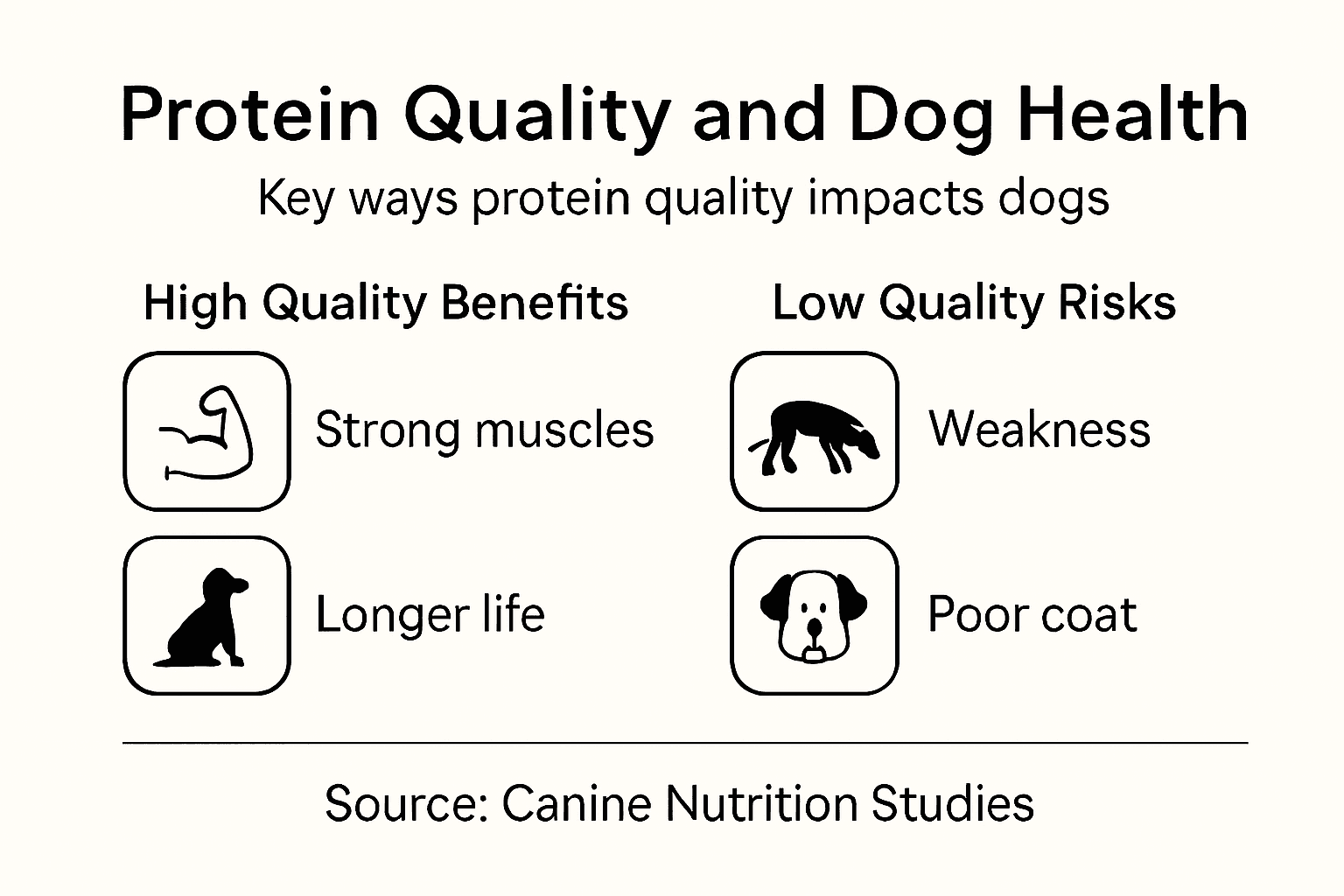
Maintaining lean body condition through high-quality protein nutrition can significantly extend a dog’s lifespan and improve overall health. Scientific research demonstrates that strategic nutritional approaches can potentially add years to a dog’s life, reducing the risk of age-related diseases and supporting optimal physiological function. Dogs receiving balanced, high-quality protein diets show remarkable improvements in muscle maintenance, immune system resilience, and cognitive performance throughout their lifecycle.
Aging dogs experience complex physiological changes that directly impact their quality of life. Muscle mass naturally declines, immune responses become less robust, and metabolic efficiency decreases. High-quality protein sources play a crucial role in counteracting these age-related challenges by providing essential amino acids that support muscle preservation, reduce systemic inflammation, and maintain robust metabolic functions. Nutrition experts emphasize that protein quality becomes increasingly important as dogs transition through different life stages, with older dogs requiring more strategic dietary interventions.
The long-term benefits of protein quality extend beyond immediate nutritional needs. Comprehensive studies have shown that dogs maintained on diets rich in high-biological-value proteins experience delayed onset of chronic conditions, improved mobility, and enhanced cognitive function. Strategic nutritional approaches that prioritize protein quality can potentially reduce veterinary healthcare costs, minimize age-related complications, and contribute to a more active, vibrant life for dogs. The connection between protein nutrition and longevity represents a critical area of ongoing veterinary nutritional research.
Pro tip: Consult with your veterinarian annually to reassess your dog’s protein requirements and adjust nutrition strategies as they progress through different life stages.
This summary highlights the impact of protein quality on a dog’s health:
| Health Aspect | Benefit of High-Quality Protein | Consequence of Low-Quality Protein |
|---|---|---|
| Muscle Maintenance | Preserves lean muscle, strength | Muscle loss, weakness |
| Immune Function | Supports disease resistance | Increased infections, slower healing |
| Longevity | Can extend lifespan | Earlier onset of age-related diseases |
| Cognitive Function | Promotes mental sharpness | Risk of cognitive decline, less alertness |
Identifying High-Quality Protein in Food
Advanced protein quality assessment techniques reveal that not all proteins are equally beneficial for dogs. High-quality protein sources are distinguished by their comprehensive amino acid profiles, superior digestibility, and biological availability. Veterinary nutritionists recommend focusing on proteins that provide complete essential amino acids in ratios that closely match canine physiological requirements, typically found in fresh meats, fish, and animal-based meals.
The evaluation of protein quality involves multiple scientific parameters. Digestibility percentage represents how efficiently dogs can break down and absorb protein nutrients. Biological value measures the proportion of absorbed protein that can be used for bodily functions. Animal-based proteins like deboned chicken, lamb, and fish typically demonstrate higher digestibility and more balanced amino acid compositions compared to plant-based alternatives, making them superior nutrition sources for dogs.
Key indicators of high-quality protein include specific ingredient sourcing, minimal processing, and transparent nutritional information. Dog owners should prioritize foods listing whole meat sources as primary ingredients, avoiding generic terms like ‘meat meal’ or ‘animal by-products’. Professional nutritionists emphasize that protein quality transcends mere protein content, focusing instead on the protein’s ability to support muscle maintenance, immune function, and overall metabolic health across different life stages.
Pro tip: Always check pet food labels for specific meat sources and look for phrases like ‘human-grade’ or ‘named protein source’ to ensure high-quality nutrition for your dog.
Common Pitfalls and How to Avoid Them
Microbiological protein quality challenges plague many commercial dog food products, presenting hidden risks for pet owners. Protein sources can contain microbial contaminants, poor processing standards, and inconsistent nutritional profiles that compromise canine health. Dog owners must develop a critical eye for ingredient lists, understanding that not all proteins meet the same quality and safety standards.
Common protein-related pitfalls include vague ingredient descriptions, low-quality protein sources, and inadequate processing techniques. Meat by-products and generic protein meals often lack transparency about their origins and nutritional value. Many budget dog food brands use rendered proteins with minimal nutritional integrity, potentially introducing harmful contaminants or providing incomplete amino acid profiles. These compromised protein sources can lead to digestive issues, reduced nutrient absorption, and long-term health complications for dogs.
To protect your dog’s nutritional health, prioritize foods with clearly identified, high-quality protein sources. Look for specific meat names like ‘deboned chicken’ or ‘wild-caught salmon’ instead of generic terms such as ‘meat meal’ or ‘animal protein’. Reputable brands will provide detailed information about protein sourcing, processing methods, and nutritional testing. Understanding ingredient labels, checking for AAFCO certification, and researching brand manufacturing practices can help dog owners make informed nutritional decisions that support their pet’s overall well-being.
Pro tip: Contact pet food manufacturers directly to request detailed information about their protein sourcing and quality control processes when you have concerns about a specific product.
Choose High-Quality Protein for Your Dog’s Health and Longevity
Ensuring your dog receives top-tier protein sources is essential to support muscle maintenance, immune function, and a vibrant, long life. As the article highlights, protein quality matters because dogs require complete, digestible amino acids found primarily in animal proteins like chicken and beef. If you want to avoid the pitfalls of low-quality protein and give your dog the premium nutrition they deserve, discovering the right food options is your first step.
Explore our carefully crafted freeze-dried meals featuring named animal proteins such as Chicken and Beef that provide your dog with balanced amino acid profiles and superior digestibility.

Take control of your dog’s health today by choosing nutrient-dense, human-grade foods that promote optimal vitality and longevity. Visit Loyal Saints Pets to find premium protein options and bundles tailored for your pet’s unique needs. Act now and give your dog the gift of lasting wellness with every meal.
Frequently Asked Questions
What is protein quality in dog food?
Protein quality in dog food refers to the nutritional value of protein sources based on their amino acid composition, digestibility, and biological availability, ensuring optimal nutrition for your dog.
How can I identify high-quality protein sources in dog food?
High-quality protein sources are typically listed as specific animal proteins like chicken, beef, or fish as the first ingredients. Always check for whole meat sources and avoid vague terms like ‘meat meal’ or ‘animal by-products’.
Why is animal protein considered better than plant protein for dogs?
Animal proteins provide more complete amino acid profiles that closely match canine nutritional needs and are generally more digestible than plant proteins, making them more effective for dogs’ health and well-being.
What happens if a dog has a deficiency in essential amino acids?
A deficiency in essential amino acids can impair protein synthesis and disrupt metabolic processes, leading to issues such as muscle loss, weakened immune function, and overall poorer health.


