.png)
Why digestive health matters for pets: guide 2026
- Towanda Brunson
- 14 hours ago
- 8 min read
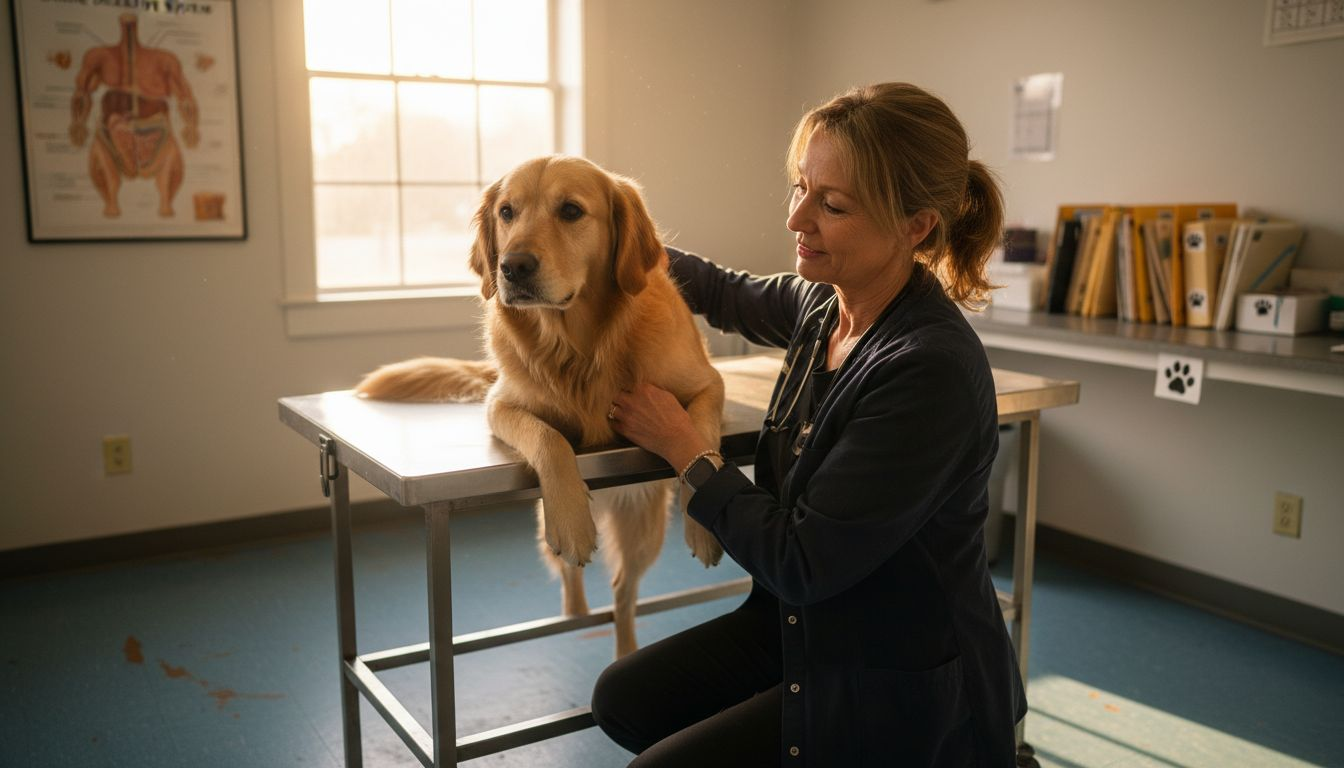
Your dog’s digestive system hosts 70% of their immune cells, making gut health far more than just preventing upset stomachs. This intricate internal ecosystem influences everything from nutrient absorption and disease resistance to behavior patterns and longevity. Understanding how your pet’s digestive wellness impacts their entire body empowers you to make informed nutrition choices that support their vitality throughout their life.
Table of Contents
Key takeaways
Point | Details |
Digestive health drives immunity and behavior | The gut microbiome regulates immune responses and produces neurotransmitters affecting mood and cognition. |
Physical symptoms reveal gut imbalances | Chronic diarrhea, itchy skin, and recurring infections often signal digestive dysfunction requiring attention. |
Probiotics, prebiotics, and postbiotics each play unique roles | These three components work together to nourish, populate, and maintain optimal gut microbial communities. |
Gradual diet transitions protect microbiome stability | Switching foods over 7 to 10 days prevents disruption to beneficial bacterial populations. |
Premium natural ingredients enhance digestive wellness | Whole food formulas with balanced fibers support long term gut health and systemic vitality. |
Understanding digestive health and the canine microbiome
A dog’s digestive system processes food within 4-8 hours through enzymatic breakdown, acid digestion, and microbial fermentation. This complex process transforms nutrients into bioavailable compounds your pet’s body can absorb and use.
The canine gut microbiome is a diverse ecosystem of trillions of microorganisms living primarily in the intestines. These bacteria, fungi, and other microbes perform essential functions:
Breaking down complex fibers and proteins into absorbable nutrients
Producing vitamins like B12 and K that dogs cannot synthesize alone
Training and regulating immune system responses
Creating protective barriers against harmful pathogens
Synthesizing neurochemicals that influence brain function
When this microbial balance shifts toward harmful bacteria, a condition called dysbiosis develops. This imbalance compromises digestion, weakens immune defenses, and triggers inflammation throughout the body.
The gut associated lymphoid tissue represents the largest immune organ in your dog’s body. This specialized tissue monitors incoming substances, distinguishes beneficial nutrients from threats, and coordinates appropriate immune responses. Learn more about digestive health matters for dogs and explore comprehensive information on digestive health for pets.
Research on the gut microbiome in dogs continues revealing connections between microbial diversity and overall health outcomes.
Signs and symptoms of poor digestive health in pets
Recognizing digestive dysfunction early allows for prompt intervention before problems become chronic. Watch for these observable indicators:
Chronic or recurring diarrhea lasting more than two days
Excessive flatulence or obvious abdominal discomfort
Persistent itchy skin, hot spots, or excessive licking
Recurring ear or skin infections despite treatment
Vomiting more than occasionally
Changes in appetite or sudden food sensitivities
Dull coat quality or excessive shedding
Weight loss despite adequate food intake
Behavioral changes often accompany physical symptoms but get overlooked as purely psychological issues. Irritability, anxiety, lethargy, or decreased interest in activities may signal underlying gut distress affecting neurochemical balance.

Poor nutrient absorption creates cascading effects throughout the body. Even dogs eating high quality diets can experience deficiencies when their digestive systems cannot properly break down and absorb nutrients.
Consult your veterinarian if symptoms persist beyond 48 hours or worsen despite dietary adjustments. Some conditions require diagnostic testing to identify specific causes like parasites, inflammatory bowel disease, or pancreatic insufficiency. Check for signs your dog needs a gut health boost and review detailed information on gut health symptoms in dogs.
The gut brain connection and behavioral impacts
Your dog’s digestive system communicates constantly with their brain through multiple pathways collectively called the gut brain axis. This bidirectional system influences mood, stress responses, and cognitive function.
Three primary communication channels connect gut and brain:
Neuronal pathways: The vagus nerve transmits signals directly between the gut and brain stem, affecting emotional regulation.
Immune signaling: Inflammatory molecules produced in the gut travel through the bloodstream to impact brain chemistry.
Endocrine messengers: Gut microbes produce neurotransmitters like serotonin, dopamine, and GABA that influence mood and behavior.
Research shows approximately 90% of serotonin, the neurotransmitter regulating mood and well being, is produced in the gut. When microbial populations shift, neurotransmitter production changes, potentially triggering anxiety, depression, or heightened stress responses.
Dogs with digestive imbalances often display:
Increased reactivity to normal stimuli
Heightened separation anxiety
Unexplained aggression or fear responses
Reduced ability to focus during training
Changes in sleep patterns
“The emerging science of the microbiome gut brain axis demonstrates that digestive health is inseparable from mental and emotional wellness in dogs, challenging traditional views that treated behavior and physical health as distinct domains.”
This interconnection means addressing behavioral concerns often requires examining and supporting digestive wellness alongside training and environmental modifications.
Probiotics, prebiotics, and digestive health support
Three distinct but complementary components support optimal gut microbiome function. Understanding their differences helps you make informed nutrition choices.
Component | Function | Benefits | Common Sources |
Probiotics | Live beneficial bacteria added to gut | Restore microbial balance after stress or medications, improve digestion | Fermented foods, supplements, specialized formulas |
Prebiotics | Fiber compounds that feed good bacteria | Nourish existing beneficial microbes, support sustained growth | Pumpkin, chicory root, Jerusalem artichoke, bananas |
Postbiotics | Bioactive metabolites produced by probiotics | Strengthen gut barrier, reduce inflammation, support immunity | Fermented ingredients, specialized supplements |
Probiotics introduce new beneficial bacterial strains, but colonization success varies by individual dog and strain compatibility. Not all probiotic supplements deliver the same benefits.
Prebiotics provide the fuel beneficial bacteria need to thrive and multiply. Without adequate prebiotic fiber, even abundant probiotic populations cannot establish lasting colonies.
Postbiotics offer benefits without requiring live bacteria to survive digestion. These bioactive compounds directly support gut lining integrity and immune regulation. Learn more about postbiotics benefits for dogs.
Pro Tip: Look for multi strain probiotic formulas with CFU counts appropriate for your dog’s size, and ensure their diet includes natural prebiotic sources like sweet potato, oats, or flaxseed for synergistic benefits.
Consistent daily supplementation over weeks produces better results than sporadic use. The microbiome requires time to shift toward healthier compositions. Explore the distinction between probiotics vs prebiotics for dog health for deeper understanding.
Beyond digestion: systemic effects of gut health
Digestive wellness radiates far beyond the gastrointestinal tract, influencing nearly every body system.
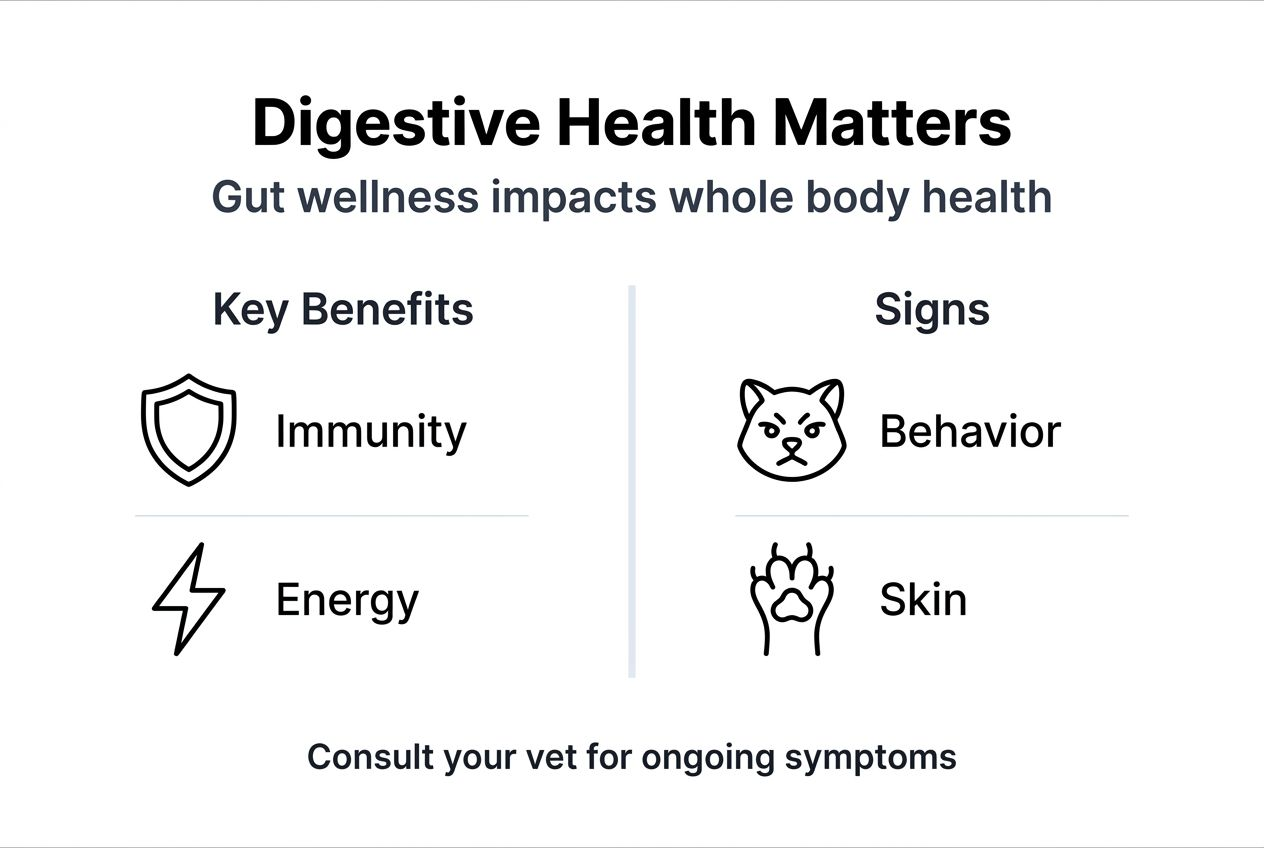
Immune system regulation: Seventy percent of immune cells reside in gut associated lymphoid tissue, making digestive health central to disease resistance. A balanced microbiome trains immune cells to distinguish harmless substances from genuine threats, preventing both under reactions to pathogens and overreactions causing allergies or autoimmunity.
Skin and coat health: The gut skin axis connects digestive wellness to dermatological conditions. Dogs with dysbiosis frequently develop chronic skin inflammation, hot spots, and poor coat quality even with adequate grooming.
Metabolic resilience: Gut microbes influence how efficiently dogs extract energy from food, regulate blood sugar, and maintain healthy weight. Certain bacterial populations improve insulin sensitivity while others promote fat storage.
Cancer prognosis: Certain gut bacteria correlate with longer survival times in dogs receiving cancer immunotherapy. The microbiome modulates how effectively immune treatments work by influencing inflammation levels and immune cell activity.
Longevity factors: Dogs with diverse, balanced gut microbiomes show better resilience to age related decline. Healthy microbial populations reduce chronic inflammation, often called “inflammaging,” that accelerates deterioration of multiple organ systems.
Research on dog gut microbiome and cancer outcomes continues revealing surprising connections between digestive wellness and disease progression.
70% of immune cells live in the gut, making digestive health the foundation of disease resistance and longevity.
Common misconceptions about pet digestive health
Several persistent myths prevent dog owners from fully supporting their pets’ digestive wellness.
Myth: Digestive health only concerns preventing diarrhea or vomiting. Reality: While acute symptoms matter, digestive health encompasses nutrient absorption, immune function, behavioral regulation, and systemic inflammation control. A dog can have “normal” stools yet suffer from dysbiosis affecting other body systems.
Myth: All probiotics work equally well for every dog. Reality: Different bacterial strains produce different effects, and individual dogs respond variably based on their existing microbiome composition, health status, and genetics. Generic probiotic supplements may not provide strains your specific dog needs.
Myth: Switching dog foods quickly is fine as long as the new food is high quality. Reality: Rapid diet changes shock the microbiome regardless of food quality, killing beneficial bacteria adapted to the previous diet before new populations can establish. Gradual transitions over 7 to 10 days protect microbial stability.
Myth: Digestive problems always stem from bad food. Reality: While nutrition matters immensely, stress, medications (especially antibiotics), environmental toxins, parasites, and underlying health conditions also disrupt gut health. Effective solutions address multiple contributing factors simultaneously.
Myth: Digestive supplements produce immediate results. Reality: Microbiome shifts require consistent support over weeks or months. Temporary improvements may occur quickly, but lasting change demands patience and sustained dietary practices.
Understanding these realities helps you set appropriate expectations and implement more effective digestive health strategies.
Practical tips for supporting your dog’s digestive health
Implementing these evidence based practices promotes lasting digestive wellness:
Choose whole food ingredients: Diets built from identifiable proteins, vegetables, and fruits provide diverse nutrients and natural fiber sources supporting microbial diversity. Avoid heavily processed formulas with artificial additives.
Prioritize freeze dried nutrition: Freeze drying preserves heat sensitive enzymes, probiotics, and nutrients while maintaining palatability and digestibility. This minimal processing approach protects beneficial compounds destroyed by high heat extrusion.
Implement gradual diet transitions: Mix increasing proportions of new food with current food over 7 to 10 days. Start with 25% new food for two days, then 50% for two days, then 75% for two days, before switching completely.
Include natural prebiotic sources: Pumpkin, sweet potato, oats, bananas, and chicory root feed beneficial bacteria. These whole food fibers work better than isolated supplements for most dogs.
Monitor multiple wellness indicators: Track stool consistency, energy levels, coat shine, skin condition, and behavioral patterns. Improvements across multiple areas signal successful digestive support.
Maintain consistent feeding schedules: Regular meal timing helps regulate digestive processes and supports stable microbial populations.
Pro Tip: If digestive symptoms persist despite dietary improvements, request veterinary testing for parasites, inflammatory markers, or pancreatic function to rule out underlying conditions requiring medical treatment.
Discover how freeze dried food for digestive health prevents common issues and learn how freeze dried food supports natural eating patterns. Explore comprehensive strategies for digestive issues prevention in dogs and review the digestive health benefits dogs experience with proper nutrition.
Discover premium nutrition for your dog’s digestion
Supporting your dog’s digestive wellness requires nutrition that respects their biological needs while providing modern convenience.

Loyal Saints offers freeze dried formulas crafted from human grade whole ingredients including premium proteins, vegetables, and fruits. Our balanced fiber content and minimal processing preserve natural enzymes and beneficial compounds that support optimal gut microbiome function. Each recipe meets AAFCO standards while avoiding artificial additives, fillers, and heavily processed components that can disrupt digestive balance. Transitioning gradually to premium natural nutrition gives your dog’s microbiome time to adapt and thrive. Explore why choose freeze dried dog food delivers superior digestive support and shop premium dog nutrition formulated for sensitive stomachs and vibrant health.
FAQ
What are the best natural ingredients for dog digestive health?
Prebiotic fibers like pumpkin, chicory root, and sweet potato nourish beneficial gut bacteria. High quality animal proteins from chicken, beef, or fish provide amino acids supporting gut lining repair. Fermented ingredients and certain fruits contribute polyphenols that promote microbial diversity.
How long should I transition my dog to a new diet to protect digestive health?
Plan for 7 to 10 days when switching foods. Mix 25% new food with 75% current food for the first two days, then gradually increase the new food proportion every two days. Rapid switches disrupt established bacterial populations, causing temporary digestive upset even with high quality foods.
Can probiotics alone ensure my dog’s gut health?
Probiotics help restore balance but work best alongside prebiotics that feed beneficial bacteria and whole food nutrition supporting overall wellness. Not all probiotic strains colonize effectively in every dog, so prebiotics ensure existing good bacteria thrive. Consult your veterinarian for strain selection and appropriate dosing tailored to your dog’s specific needs.
What are common signs my dog’s digestion is affecting its behavior?
Increased anxiety, unusual irritability, or heightened reactivity to normal situations often signal gut distress. Lethargy, decreased interest in play, or changes in social interaction may also indicate digestive issues affecting neurochemical balance. These behavioral symptoms warrant attention to digestive health alongside any physical signs.
Recommended