.png)
Improve canine vitality with natural nutrition 2026
- Towanda Brunson
- Mar 9
- 10 min read
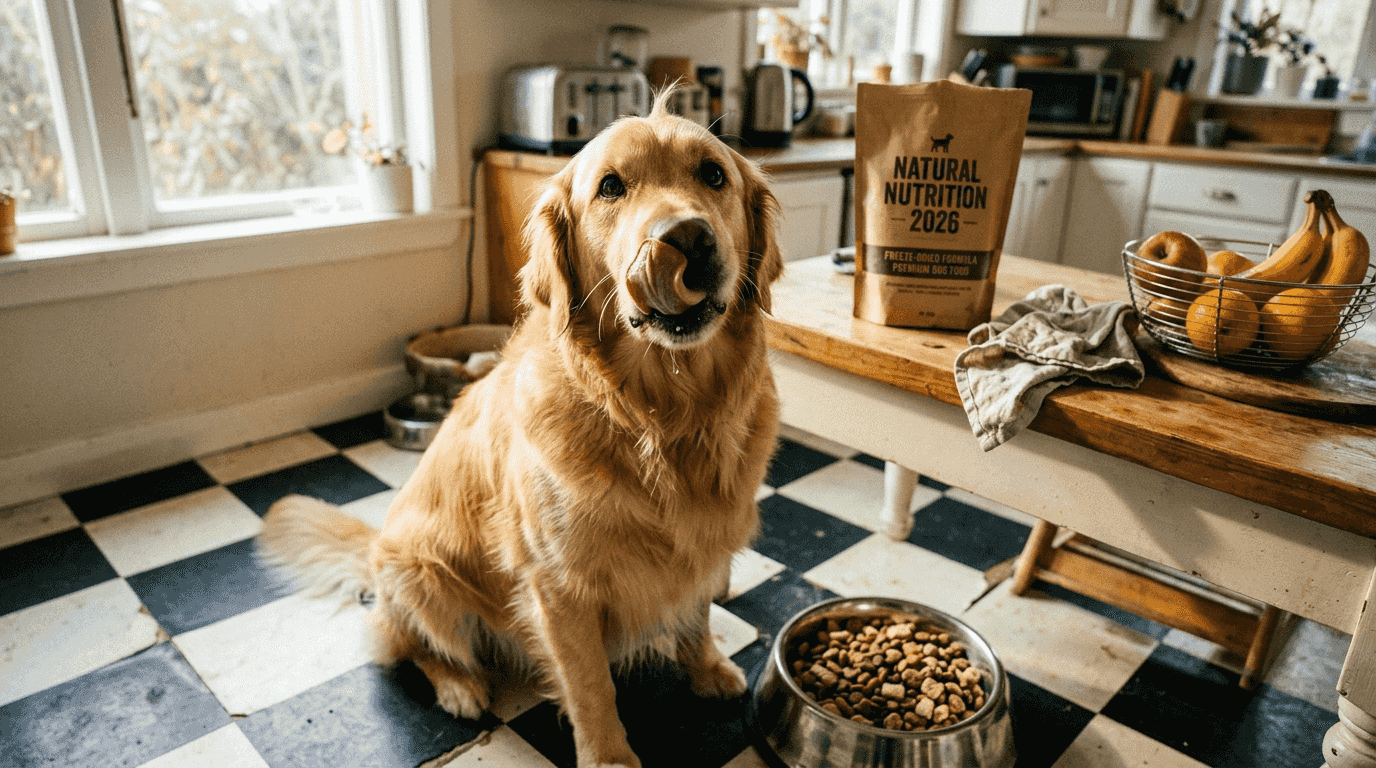
Many dog owners struggle with maintaining their dog’s energy and health despite conventional diets and supplements. Premium freeze-dried natural nutrition offers a vet-approved solution for improving canine vitality. This guide will explain how to transition your dog safely and effectively to enhance vitality, coat health, and longevity through whole-food ingredients and strategic supplementation tailored to your pet’s unique needs.
Table of Contents
Key takeaways
Point | Details |
Nutrient preservation | Freeze-dried dog food preserves up to 97% of nutrients, boosting energy and coat health significantly. |
Essential vitamins | Key vitamins A, B, C, D, E, K and minerals support vitality and immune function. |
Transition timeline | Gradual 7-14 day diet transition minimizes digestive issues and ensures safe adaptation. |
Veterinary guidance | Consult your vet before supplementing and tailor nutrition to your dog’s life stage for optimal results. |
Expected improvements | Expect muscle and coat improvements within 4-12 weeks with consistent premium nutrition. |
Understanding canine vitality and nutritional needs
Canine vitality encompasses overall energy, immune function, coat condition, and longevity. Nutrition directly impacts cellular health and vitality at the fundamental level. When your dog receives balanced, whole-food sources, their body absorbs nutrients more efficiently, translating into visible health improvements.
Dogs require specific nutrients to thrive. Proteins and amino acids build and repair tissues. Essential vitamins for canine vitality include Vitamin A for immune and vision health, B vitamins for energy metabolism and nervous system support, Vitamin C as an antioxidant, and Vitamin D for bone health. Minerals like zinc and selenium support cellular processes, while antioxidants and fatty acids protect against oxidative stress and inflammation.
Key nutrients dogs need daily:
High-quality proteins with complete amino acid profiles
B complex vitamins for energy conversion
Vitamins A, C, D, E, and K for immune and cellular health
Essential minerals including calcium, phosphorus, zinc, and selenium
Omega-3 fatty acids for brain function and coat quality
Antioxidants to combat cellular damage
Life stage considerations matter significantly. Puppies require higher protein and calcium for growth. Adults need balanced maintenance nutrition. Seniors benefit from antioxidants and joint support to combat age-related decline. Understanding natural pet nutrition dog health principles helps you choose appropriate foods for your dog’s specific life phase.
Why choose freeze-dried dog food for vitality
Freeze-drying preserves food by removing moisture at extremely low temperatures while maintaining the original food structure. This process preserves up to 97% of raw ingredients’ nutrients, providing higher bioavailability and energy compared to kibble or canned food. The nutrient density means your dog gets more vitality-supporting compounds per serving.
Comparing food types reveals significant differences. Kibble undergoes high-heat processing that degrades vitamins and proteins. Canned food contains up to 80% water, diluting nutrient concentration. Freeze-dried food retains original nutrient profiles while offering superior digestibility. Your dog’s body absorbs these nutrients more efficiently, directly impacting energy levels and coat health.
Food Type | Nutrient Retention | Digestibility | Filler Content |
Freeze-Dried | Up to 97% | Excellent | None |
Kibble | 40-60% | Moderate | Often high |
Canned | 50-70% | Good | Variable |
Veterinarians recommend grain-free, filler-free freeze-dried diets because they reduce allergy and digestive issues. Freeze-dried dog food formulated without artificial preservatives reduces allergy and digestive sensitivity risks, supporting better long-term vitality. The absence of fillers means every ingredient serves a nutritional purpose.
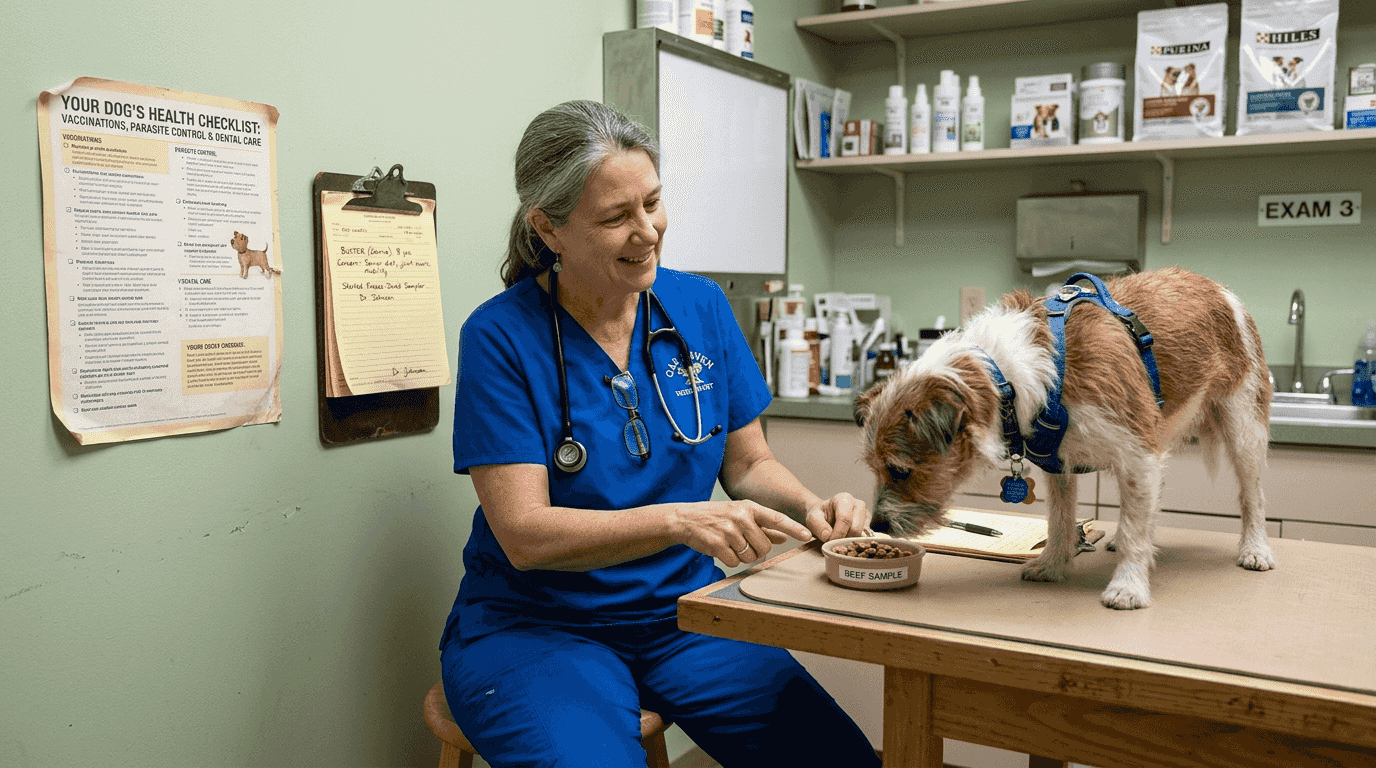
Freeze-dried foods improve digestion through enhanced bioavailability. Your dog’s system processes whole-food ingredients more naturally than synthetic additives. This translates into better energy utilization, healthier coat development, and stronger immune responses. Understanding the freeze dried dog food vs kibble health impact helps you make informed decisions.
Key benefits of freeze-dried nutrition:
Maximum nutrient preservation through gentle processing
Enhanced digestibility for better absorption
No artificial preservatives or fillers
Whole-food ingredients your dog recognizes naturally
Reduced allergy triggers compared to processed alternatives
Pro Tip: Choose brands with human-grade, whole-food ingredients verified by veterinary nutritionists for best results. Check for AAFCO compliance to ensure complete nutrition. Learn about nutrients dogs absorb better in freeze dried food to understand absorption advantages.
Essential vet-recommended vitamins and supplements for dogs
Vitamins play critical roles in canine vitality. Vitamin A supports immune function and vision. B complex vitamins convert food into energy while supporting nervous system health. Vitamin C acts as a powerful antioxidant, protecting cells from damage. Vitamin D regulates calcium absorption for strong bones. Vitamins E and K support cell function and blood clotting respectively.
Minerals are equally important. Zinc supports skin health and immune function. Selenium acts as an antioxidant and supports thyroid function. Omega-3 fatty acids from fish or flaxseed reduce inflammation, support brain development, and promote coat shine. These nutrients work synergistically to enhance overall vitality.
Veterinary guidance for supplementation prevents overuse and ensures proper dosing. Too much of certain vitamins can cause toxicity. Your vet can assess your dog’s current diet and recommend supplements only when needed. Blood tests can identify specific deficiencies requiring targeted supplementation.
Life stage customization optimizes supplementation strategies. Seniors need antioxidants like vitamins C and E plus joint support with glucosamine and chondroitin. Active dogs benefit from B vitamins and additional protein for energy production. Puppies require balanced calcium and phosphorus for proper skeletal development. Understanding nutrition pet longevity benefits shows how targeted nutrition extends lifespan.
Commonly used supplements compatible with freeze-dried food:
Omega-3 fatty acids for inflammation control
Glucosamine and chondroitin for joint health
Probiotics for digestive support
Antioxidants for cellular protection
B complex vitamins for energy metabolism
Freeze-dried foods often contain naturally occurring vitamins and minerals, reducing supplementation needs. Choose products with whole-food sources rather than synthetic additives for better absorption and utilization.
What you need before starting: prerequisites for success
Consulting a veterinarian or veterinary nutritionist before changing your dog’s diet ensures safety and effectiveness. Your vet understands your dog’s health history and can identify potential concerns. They can recommend specific freeze-dried brands and formulations suited to your dog’s needs.
Know your dog’s specific life stage, breed size, and existing health issues. Large breeds have different caloric needs than small breeds. Puppies require growth formulas. Dogs with kidney disease need modified protein levels. Health conditions directly influence dietary requirements and supplement choices.
Selecting veterinarian-approved, AAFCO-compliant freeze-dried dog foods ensures complete nutrition. AAFCO standards verify that foods meet minimum nutritional requirements. Human-grade, whole-food ingredients provide superior quality and safety. Check ingredient lists for recognizable foods rather than byproducts or fillers.
Preparing a 7-14 day gradual transition plan reduces digestive upset. Abrupt diet changes cause vomiting and diarrhea. A structured transition allows your dog’s digestive system to adapt to new protein sources and nutrient profiles. Understanding how to transition dogs to freeze dried food naturally provides detailed guidance.
Preparation Item | Purpose | Timeline |
Vet consultation | Tailor diet safely | Before starting |
Life stage assessment | Match nutritional needs | Initial planning |
Product selection | Choose quality food | 1-2 weeks before |
Transition plan | Minimize digestive issues | 7-14 days |
Monitoring system | Track progress | Ongoing |
Use monitoring tools to track digestion, coat condition, energy, and muscle tone. Keep a journal noting stool quality, appetite changes, and energy levels. Take photos of your dog’s coat to document improvements. Weigh your dog weekly to ensure proper calorie intake.
Pro Tip: Keeping a daily journal for your dog’s symptoms and behavior can alert you early to any adjustment issues. Note feeding times, portion sizes, water intake, exercise duration, and any unusual behaviors for comprehensive tracking.
How to transition your dog to a freeze-dried natural diet
A gradual transition protects your dog’s digestive system while introducing new nutrients. Follow this stepwise process for optimal results:
Days 1-3: Mix 25% freeze-dried food with 75% current food
Days 4-7: Increase to 50% freeze-dried, 50% current food
Days 8-10: Advance to 75% freeze-dried, 25% current food
Days 11-14: Transition to 100% freeze-dried food
Monitor for digestive tolerance throughout the process. Observe stool quality daily. Firm, well-formed stools indicate good tolerance. Loose stools or diarrhea suggest you’re moving too quickly. Normal appetite and sustained energy confirm your dog is adapting well.
Keep supplements consistent initially unless your vet advises changes. Introducing multiple variables simultaneously makes it difficult to identify problem sources. Once your dog fully adapts to freeze-dried food, reassess supplementation needs with your veterinarian.
Watch for these common signs requiring attention:
Vomiting more than once during transition
Persistent diarrhea lasting over 24 hours
Lethargy or decreased activity levels
Loss of appetite for more than one day
Excessive gas or bloating
Prompt veterinary consultation is essential if severe symptoms appear. Most dogs transition smoothly, but individual sensitivities vary. Your vet can recommend digestive enzymes or probiotics to ease the transition if needed. Learn more about how to transition your dog to raw freeze dried food for specific techniques.
Pro Tip: Use warm water to rehydrate freeze-dried food to enhance palatability during transition. The aroma intensifies, making it more appealing to picky eaters. Start with small amounts of water and adjust based on your dog’s texture preference.
Common mistakes to avoid and troubleshooting tips
Abrupt diet switching ranks among the most common errors. Your dog’s digestive system hosts specific bacteria adapted to current food. Sudden changes disrupt this microbiome, causing digestive distress. Always transition gradually over 7-14 days to allow bacterial populations to adjust naturally.
Over-supplementation creates nutrient imbalances or toxicity risks. Fat-soluble vitamins like A, D, E, and K accumulate in body tissues when consumed excessively. Calcium over-supplementation in puppies causes skeletal abnormalities. Only supplement under veterinary guidance with proper dosing based on your dog’s specific needs.
Generic feeding approaches ignore breed, size, and life stage differences. A Chihuahua requires different caloric density than a Great Dane. Senior dogs need fewer calories but more joint support than active adults. Puppies demand higher protein and calcium for growth. Tailor your approach to your dog’s individual profile.
Abrupt diet changes and over-supplementation are leading causes of digestive distress in dogs.
Selecting only vet-approved freeze-dried products ensures quality and nutrient completeness. Some brands cut corners with inferior ingredients or inadequate nutritional profiles. AAFCO certification verifies minimum standards. Veterinary endorsements add credibility and safety assurance.
Troubleshooting digestive upset:
Slow transition pace if loose stools develop
Add digestive enzymes or probiotics temporarily
Ensure adequate water intake during rehydration
Reduce portion sizes slightly if bloating occurs
Consult your vet if symptoms persist beyond 48 hours
Understanding how to transition dogs to freeze dried food naturally provides additional troubleshooting strategies. Most issues resolve with patience and minor adjustments. Your dog’s long-term health benefits far outweigh short-term adaptation challenges.
Expected results and measurable outcomes
Realistic timelines help you track progress and verify nutrition strategy effectiveness. Muscle strength and tone improvements typically appear within 4-6 weeks. You’ll notice firmer muscles during petting and increased stamina during exercise. Your dog may show more enthusiasm for physical activity.
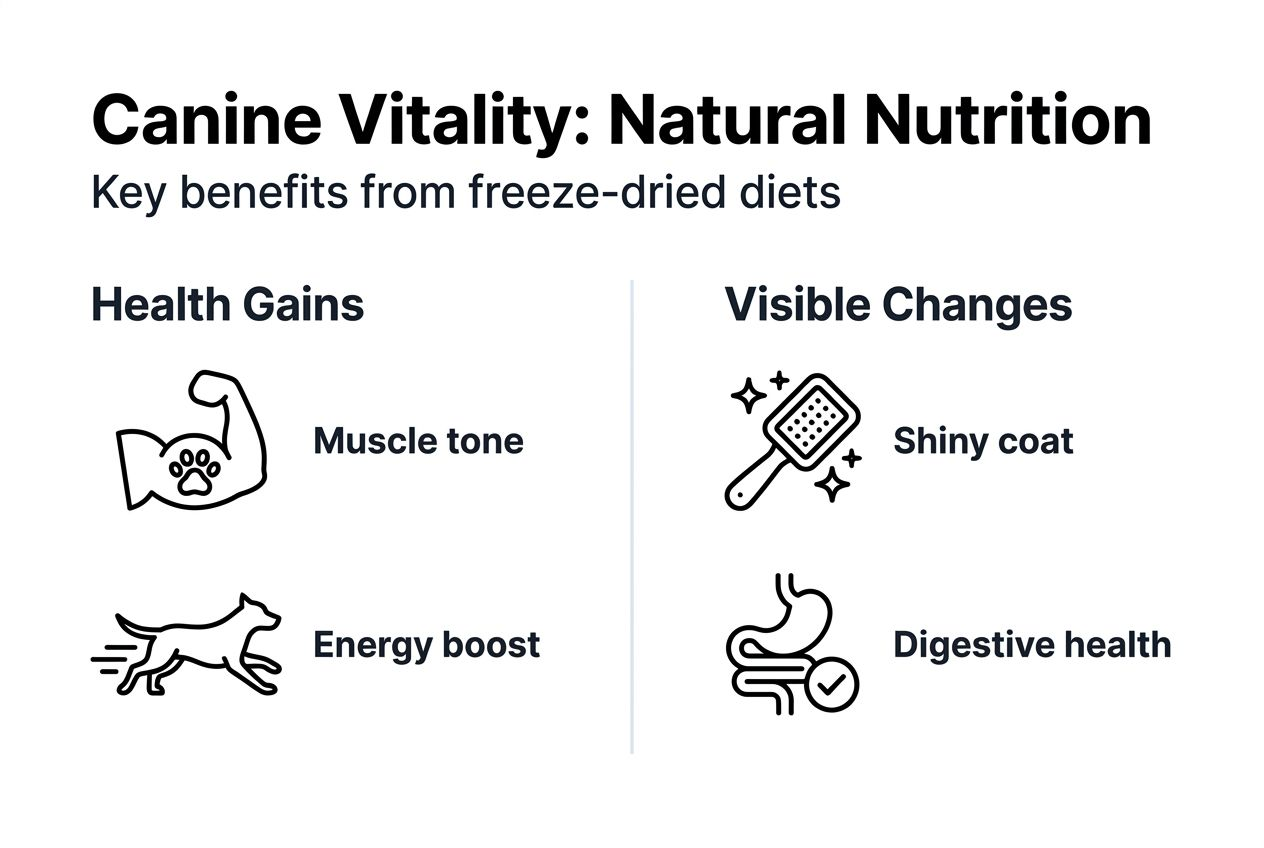
Energy and coat health improvements manifest at 8-12 weeks. Measurable improvements in vitality with natural nutrition include stronger muscle tone within 4-6 weeks and improved coat condition and energy levels within 8-12 weeks. Coats become shinier, softer, and fuller. Shedding may decrease as follicle health improves.
Metric | Expected Change | Average Timeline |
Muscle tone | Firmer, stronger muscles | 4-6 weeks |
Coat condition | Increased shine and fullness | 8-12 weeks |
Energy levels | Enhanced stamina and enthusiasm | 8-12 weeks |
Digestive health | Better stool quality | 2-4 weeks |
Immune function | Fewer infections | 12+ weeks |
Watch for these indicators of successful diet adoption:
Consistent, well-formed stools without straining
Sustained energy throughout the day
Shiny coat with reduced dandruff or dryness
Healthy appetite without begging or food obsession
Improved muscle definition visible during movement
Reduced allergy symptoms like itching or ear infections
Ongoing veterinary check-ups track objective health improvements. Annual blood work reveals changes in organ function, cholesterol levels, and inflammatory markers. Your vet can measure muscle mass and body condition score. These objective measures validate the subjective improvements you observe daily.
Understanding the pet nutrition guide balanced diets boost vitality connection helps you maintain long-term success. Consistency matters more than perfection. Your dog’s body needs time to rebuild tissues and optimize cellular function with superior nutrients.
Enhance your dog’s vitality with Loyal Saints
Transforming your dog’s health starts with premium nutrition choices. Loyal Saints offers freeze-dried dog foods crafted with human-grade, whole-food ingredients and veterinary approval. Each formula meets rigorous AAFCO standards while delivering the nutrient density your dog needs for optimal vitality.
Explore the benefits of freeze-dried nutrition and discover how minimal processing preserves maximum nutrients. Natural, preservative-free options suit dogs of all life stages and sensitivities. Whether your dog is a growing puppy, active adult, or wise senior, Loyal Saints provides tailored nutrition solutions. Shop Loyal Saints products to simplify delivering optimal canine nutrition at home. Free shipping on qualifying orders makes premium health accessible and convenient for your family.
FAQ
What is canine vitality and why is it important?
Canine vitality refers to a dog’s energy, immune strength, coat condition, and longevity, all critical for quality of life. Nutrition plays a central role in maintaining and improving vitality by providing cellular building blocks. Superior nutrition translates directly into better health outcomes and extended lifespan.
How does freeze-dried dog food improve a dog’s health compared to kibble?
Freeze-dried food preserves up to 97% of nutrients versus lower retention in kibble. It supports better digestion, higher energy, and healthier coat through superior bioavailability. The whole-food ingredients are recognized naturally by your dog’s digestive system, enhancing absorption and utilization.
How long does it take to see vitality improvements after switching diets?
Muscle strength can improve within 4-6 weeks of consistent freeze-dried feeding. Coat condition, energy, and digestion improvements typically appear within 8-12 weeks. Individual results vary based on starting health status and dietary consistency.
Can I give my dog supplements along with freeze-dried food?
Yes, but only after consulting a veterinarian to avoid over-supplementation risks. Supplements should be targeted for your dog’s life stage and specific health needs. Quality freeze-dried foods often reduce supplementation requirements due to superior nutrient density.
What mistakes should I avoid when switching to a natural, freeze-dried diet?
Avoid abrupt changes and transition gradually over 7-14 days to prevent digestive upset. Do not over-supplement or ignore breed and life stage needs when selecting formulas. Choose only vet-approved freeze-dried products to ensure complete, balanced nutrition meeting your dog’s requirements.
Recommended
Comments