.png)
Premium Pet Food Benefits for Animal Shelter Health
- Towanda Brunson
- Mar 10
- 7 min read
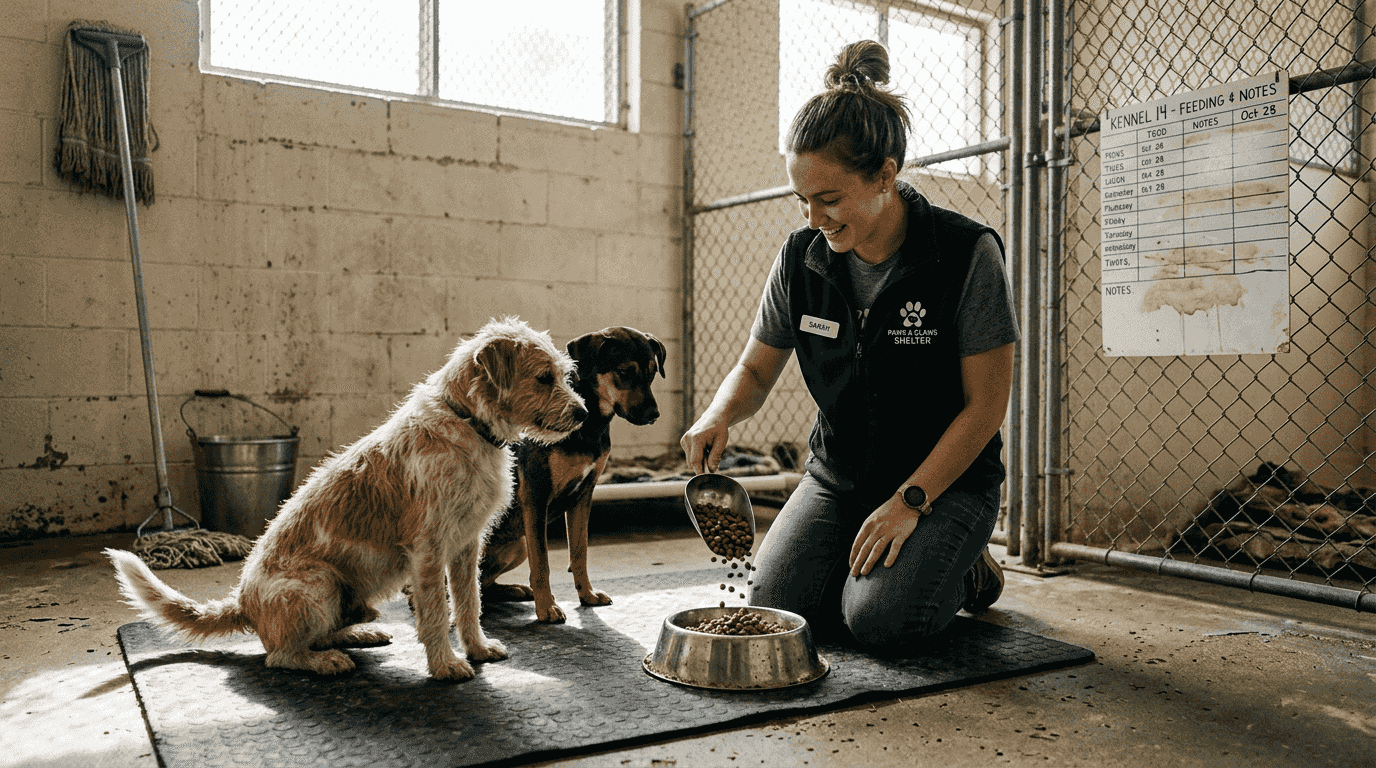
Animal shelters often skip premium pet food, worried about costs cutting into tight budgets. Yet research shows premium diets deliver 20% reductions in skin issues and 15% faster weight gain, transforming animal health while lowering expenses elsewhere. This guide reveals how premium nutrition enhances shelter operations, cuts veterinary bills, and improves adoption outcomes through evidence-based strategies you can implement today.
Table of Contents
How Premium Pet Food Improves Health And Wellbeing In Shelters
Operational Benefits: Cleanliness And Cost Savings From Premium Diets
Reducing Veterinary Costs And Health Problems With Premium Nutrition
Selecting And Implementing Premium Pet Food In Shelters: Practical Steps
Enhance Your Shelter’s Nutrition With Loyal Saints Premium Options
Key takeaways
Point | Details |
Health improvements | Premium food boosts coat quality, energy levels, and weight gain while reducing skin problems. |
Operational efficiency | Higher digestibility cuts fecal volume by 20-30%, lowering cleaning workload and waste costs. |
Cost savings | Fewer veterinary visits for allergies, digestive issues, and skin conditions reduce medical expenses significantly. |
Adoption appeal | Healthier, more energetic animals with better appearance attract adopters faster. |
How premium pet food improves health and wellbeing in shelters
Premium pet food transforms shelter animal health through superior ingredient quality and balanced nutrition. Unlike budget options filled with fillers and by-products, premium formulas feature whole proteins, essential fatty acids, and targeted vitamins that address common shelter health challenges.
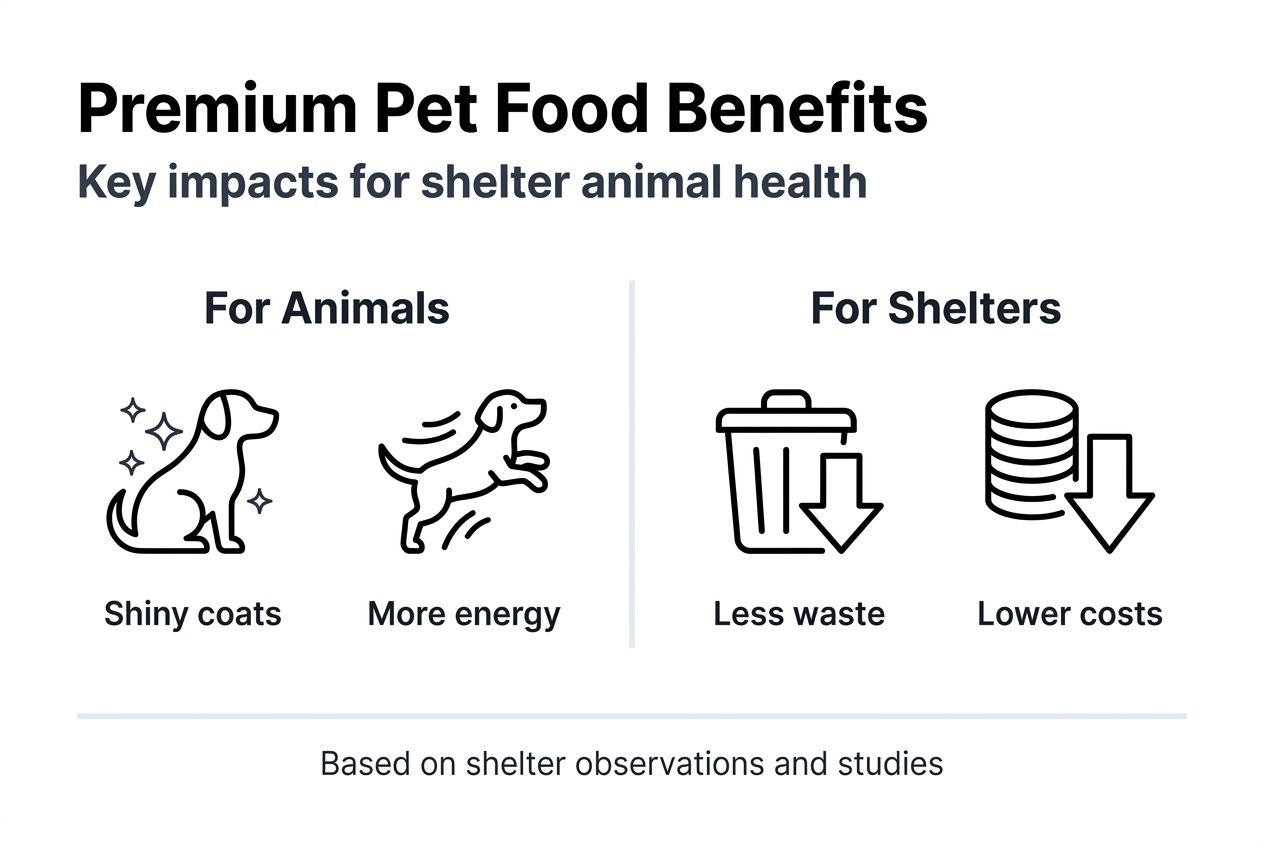
Shelter animals fed premium diets show visible improvements within weeks. Their coats become shinier and fuller, energy levels rise noticeably, and chronic skin irritations often clear up. These changes stem from bioavailable nutrients that bodies actually absorb and use, not just pass through.
Premium pet food significantly improves health outcomes, with studies documenting measurable benefits:
Skin condition improvements in 20% more animals compared to standard diets
Weight gain rates 15% faster in underweight dogs
Reduced digestive disturbances and firmer stools
Enhanced immune function lowering illness frequency
Digestive health particularly benefits from premium formulas. Shelter dogs often arrive stressed, malnourished, or with unknown dietary histories. Premium foods with easily digestible proteins and prebiotics help stabilize their systems quickly. You’ll notice fewer cases of diarrhea, less vomiting, and more consistent appetites.
“Shelters switching to premium nutrition report dramatic reductions in health complaints, with animals recovering faster from intake stress and gaining healthy weight within the first month.”
The nutritional density of premium foods means animals need less volume to meet their needs. This efficiency translates to better nutrient absorption, stronger muscle development, and improved vitality. Shelter staff consistently report that dogs on premium diets play more actively, respond better to training, and display calmer temperaments.
Pro Tip: Track individual animal health markers like coat condition, weight, and stool quality for 30 days after switching to premium food. Document improvements to justify continued investment and demonstrate value to donors and board members.
Operational benefits: cleanliness and cost savings from premium diets
Premium pet food’s superior digestibility creates immediate operational advantages that shelter managers notice daily. When animals absorb more nutrients, they produce substantially less waste, transforming kennel maintenance routines and cutting associated costs.
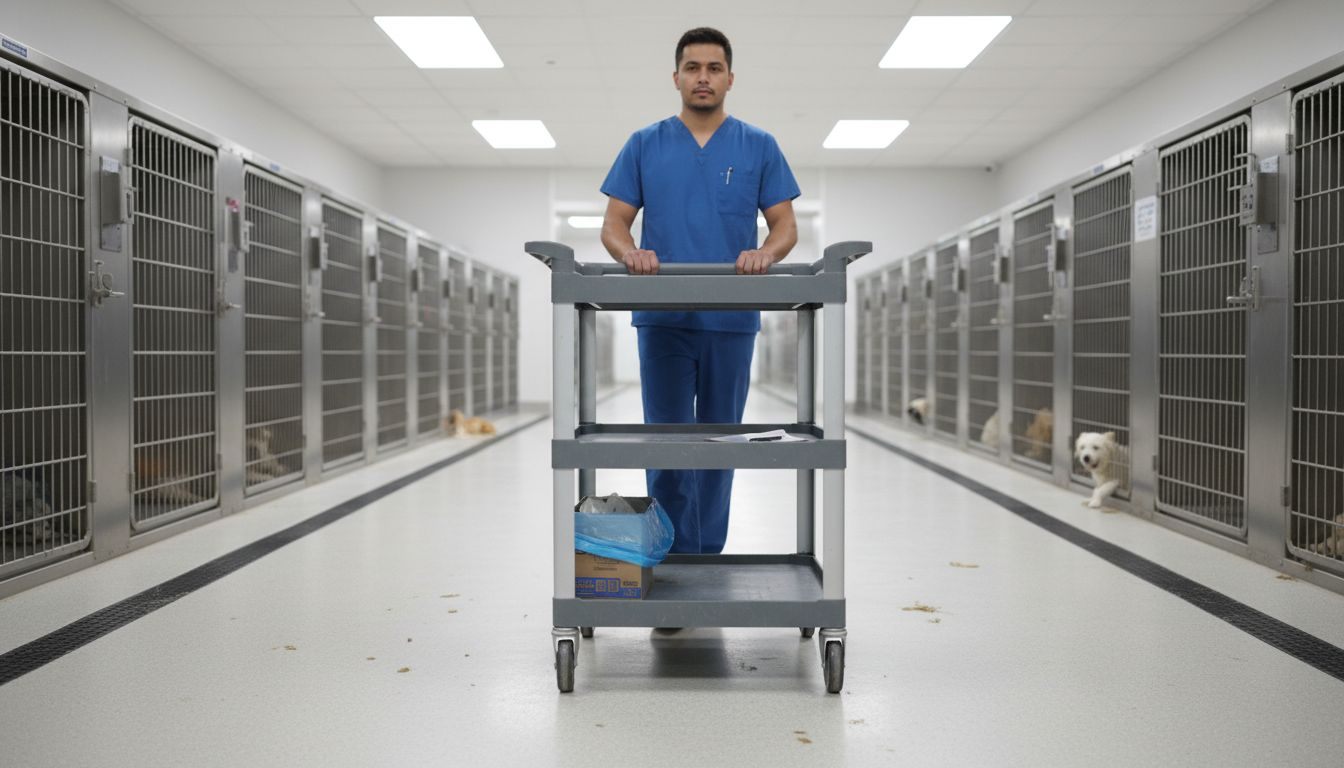
Fecal output drops 20-30% when shelters switch from budget to premium diets. This reduction stems from higher-quality proteins and carbohydrates that bodies utilize efficiently rather than eliminating. The difference becomes obvious within days of transitioning.
Lower waste volume delivers multiple benefits:
Reduced cleaning frequency saves staff time for animal care and socialization
Fewer odors create more pleasant environments for animals, staff, and visitors
Lower waste disposal costs from decreased bag usage and pickup frequency
Improved kennel hygiene reduces disease transmission risks
The cleaning time saved adds up significantly across multiple animals. Staff can redirect hours previously spent on sanitation toward enrichment activities, training, and adoption counseling. This shift improves both animal welfare and adoption outcomes.
Food Type | Daily Fecal Output per Dog | Weekly Waste Reduction |
Budget food | 400-500 grams | Baseline |
Premium food | 280-350 grams | 30% less volume |
High-end premium | 250-300 grams | 40% less volume |
Waste disposal costs decrease proportionally. Shelters housing 50 dogs can save hundreds monthly on waste bags and removal services. These savings directly offset premium food costs, making the switch budget-neutral or even cost-positive.
Cleaner kennels also mean healthier environments. Less fecal matter reduces pathogen exposure, particularly important for puppies, senior dogs, and immunocompromised animals. You’ll see fewer secondary infections and faster recovery from illnesses.
Pro Tip: Choose premium foods with highly digestible protein sources like chicken, turkey, or fish as primary ingredients. Look for formulas listing digestibility coefficients above 85% to maximize waste reduction benefits.
Reducing veterinary costs and health problems with premium nutrition
Veterinary expenses represent major budget line items for shelters, but premium nutrition cuts these costs substantially. Quality ingredients prevent common health issues that trigger expensive treatments, creating long-term savings that far exceed food cost increases.
Skin conditions plague shelter dogs, often requiring medicated shampoos, antibiotics, or specialized treatments. Premium foods with optimal omega fatty acid ratios and limited ingredient formulas reduce inflammatory responses. You’ll treat fewer hot spots, rashes, and chronic itching episodes.
Allergy-related problems drop significantly on premium diets. Novel proteins, grain-free options, and cleaner ingredient lists minimize allergic reactions. Shelter veterinarians report 20-30% fewer visits for allergy symptoms after switching to premium nutrition.
“Veterinary cost reductions from premium diets often exceed the food price difference. Shelters save substantially on treatments for preventable conditions like skin infections, digestive issues, and nutritional deficiencies.”
Digestive health improvements translate directly to lower medical costs. Chronic diarrhea requires diagnostic testing, medications, and sometimes hospitalization. Premium foods stabilize digestion naturally, preventing these expensive interventions. Healthier diets mean fewer emergency vet visits and routine care needs.
Common cost reductions include:
Fewer skin infection treatments and dermatology consultations
Reduced allergy testing and elimination diet trials
Lower antibiotic and anti-inflammatory medication usage
Decreased diagnostic procedures for digestive complaints
Less frequent deworming due to improved immune function
The financial impact compounds over time. Preventing one serious skin infection saves more than a month of premium food costs. Avoiding allergy workups for multiple dogs creates budget room for other critical needs.
Pro Tip: Document veterinary visit reasons and treatment costs before and after switching to premium food. Track specific conditions like skin infections, diarrhea episodes, and allergy treatments. Present these metrics to demonstrate how better nutrition saves money on medical care.
Selecting and implementing premium pet food in shelters: practical steps
Transitioning your shelter to premium pet food requires strategic planning to ensure success and minimize digestive upset. Follow these steps to implement premium nutrition smoothly while maximizing benefits for your animals.
Assess your population’s specific nutritional needs based on average age, health conditions, and activity levels.
Research premium brands meeting AAFCO standards with transparent ingredient sourcing and manufacturing practices.
Start with a gradual 7-10 day transition mixing increasing amounts of premium food with current diet.
Monitor individual animals for digestive tolerance, adjusting transition speed as needed.
Train staff on proper feeding amounts since premium foods often require smaller portions due to higher calorie density.
Document health improvements to justify continued investment and demonstrate value to stakeholders.
Creating balanced meal plans starts with understanding what defines premium quality. Look beyond marketing claims to actual ingredient lists and nutritional analysis. Premium pet food contains named meat proteins as primary ingredients, not generic meals or by-products.
Key quality indicators to verify:
Named protein sources like chicken, beef, or salmon listed first
Whole food ingredients including identifiable fruits and vegetables
No artificial colors, flavors, or chemical preservatives
Clear sourcing information and manufacturing location
AAFCO nutritional adequacy statement for appropriate life stages
Avoid common transition mistakes that undermine success. Don’t switch foods abruptly, even if animals seem eager for the new diet. Sudden changes cause digestive upset that makes staff question the premium food rather than the transition method.
Watch for these pitfalls:
Rushing the transition period to save money on dual food inventory
Overfeeding due to unfamiliarity with premium food’s calorie density
Choosing foods based solely on price rather than ingredient quality
Failing to adjust portions for individual animal needs
Not monitoring and documenting health improvements
Premium pet food ingredients vary by formula, so select options matching your shelter’s specific challenges. If skin issues dominate, prioritize foods with omega-3 fatty acids. For underweight animals, choose calorie-dense formulas with high-quality proteins.
Pro Tip: Order small trial bags from multiple premium brands initially. Test different formulas with various animals to identify which options your population tolerates best and shows the most improvement with before committing to bulk purchases.
Enhance your shelter’s nutrition with Loyal Saints premium options
Ready to transform your shelter animals’ health with premium nutrition? Loyal Saints offers veterinarian-approved, freeze-dried dog food crafted from human-grade ingredients that deliver the benefits discussed throughout this guide.
Our formulas feature high-quality proteins, whole fruits, and vegetables with no fillers or artificial additives. The freeze-drying process preserves maximum nutrients while creating highly digestible food that reduces waste output, exactly what shelters need for operational efficiency.
Shelter managers appreciate our straightforward ordering, transparent ingredient sourcing, and consistent quality. Animals thrive on balanced nutrition meeting AAFCO standards, showing the coat improvements, energy gains, and digestive health you want for adoption-ready pets. Discover why freeze-dried premium food makes sense for your shelter’s unique needs and budget constraints.
FAQ
What are the main health benefits of premium pet food for shelter animals?
Premium pet food delivers superior coat quality, increased energy levels, and better digestive health compared to budget options. Animals show faster weight gain when underweight and experience fewer skin problems and allergic reactions. These improvements stem from bioavailable nutrients that bodies actually absorb rather than simply pass through.
How does premium pet food affect shelter operational costs?
Premium diets reduce fecal volume by 20-30%, cutting cleaning time, waste disposal expenses, and kennel maintenance needs significantly. Lower veterinary costs from prevented health issues like skin infections and digestive problems often exceed the food price difference. These combined savings make premium nutrition cost-neutral or budget-positive for most shelters.
What is the best way to transition shelter dogs to premium food?
Gradually introduce premium food over 7-10 days by mixing increasing amounts with the current diet. Start with 25% premium food for days 1-3, increase to 50% for days 4-6, then 75% for days 7-9 before switching completely. Monitor each animal’s stool quality and appetite, adjusting the transition speed if digestive upset occurs.
Can premium pet food improve adoption rates in shelters?
Healthier animals with shiny coats, good energy levels, and ideal body condition attract potential adopters more effectively than those appearing unwell or malnourished. Premium nutrition helps shelter dogs look and act their best during meet-and-greets, creating positive first impressions. Adopters often comment on animals’ appearance and vitality when making selection decisions.
Recommended
Comments