.png)
What Is Natural Dog Food? A Dog Owner's Guide
- wix mentor

- 2 days ago
- 9 min read
TL;DR:
“Natural” dog food is legally defined as containing only ingredients from plant, animal, or mined sources, excluding synthetic additives. Processing methods like freeze-drying preserve nutrients better than high-heat kibble, ensuring closer-to-fresh nutrition. Reading ingredient lists carefully and consulting AAFCO statements helps owners choose genuine, safe, and high-quality natural diets for their dogs.
If you’ve ever stood in the pet food aisle wondering what is natural dog food and whether the label actually means anything, you are not alone. The word “natural” gets used on packaging constantly, but the definition is far more specific than most brands let on. Some products market themselves as natural while containing dozens of synthetic ingredients. This guide cuts through that confusion, explains what the term genuinely means by regulatory standards, shows you how to read labels with confidence, and helps you apply that knowledge to feed your dog better starting today.
Table of Contents
Key takeaways
Point | Details |
“Natural” has a legal definition | AAFCO and FEDIAF define natural as ingredients from plant, animal, or mined sources only, excluding chemically synthesized additives. |
Processing method matters | Freeze-dried and gently cooked foods preserve far more nutrients than high-heat processed kibble. |
Labels can mislead you | Brands can use “natural” marketing while including 45 or more synthetic ingredients, so always read the full ingredient list. |
Homemade diets need vet oversight | Calcium and mineral imbalances are the most common danger in homemade recipes, making professional guidance non-negotiable. |
Named proteins signal quality | Ingredients like “chicken” or “salmon” are far more trustworthy than vague terms like “meat meal.” |
What natural dog food actually means
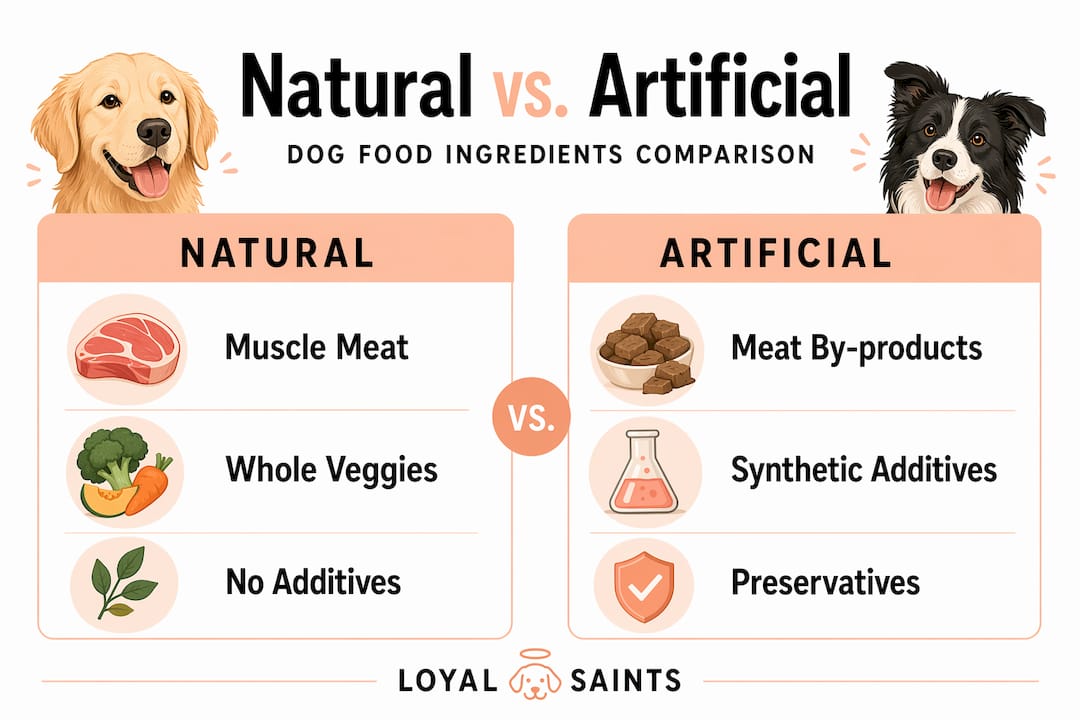
The word “natural” on a dog food bag is not just a marketing feeling. AAFCO and FEDIAF define natural dog food as ingredients derived solely from plant, animal, or mined sources, with no chemically synthesized components. The one exception allowed under these standards is added vitamins and minerals, which may be synthetic because food alone rarely hits every micronutrient target.
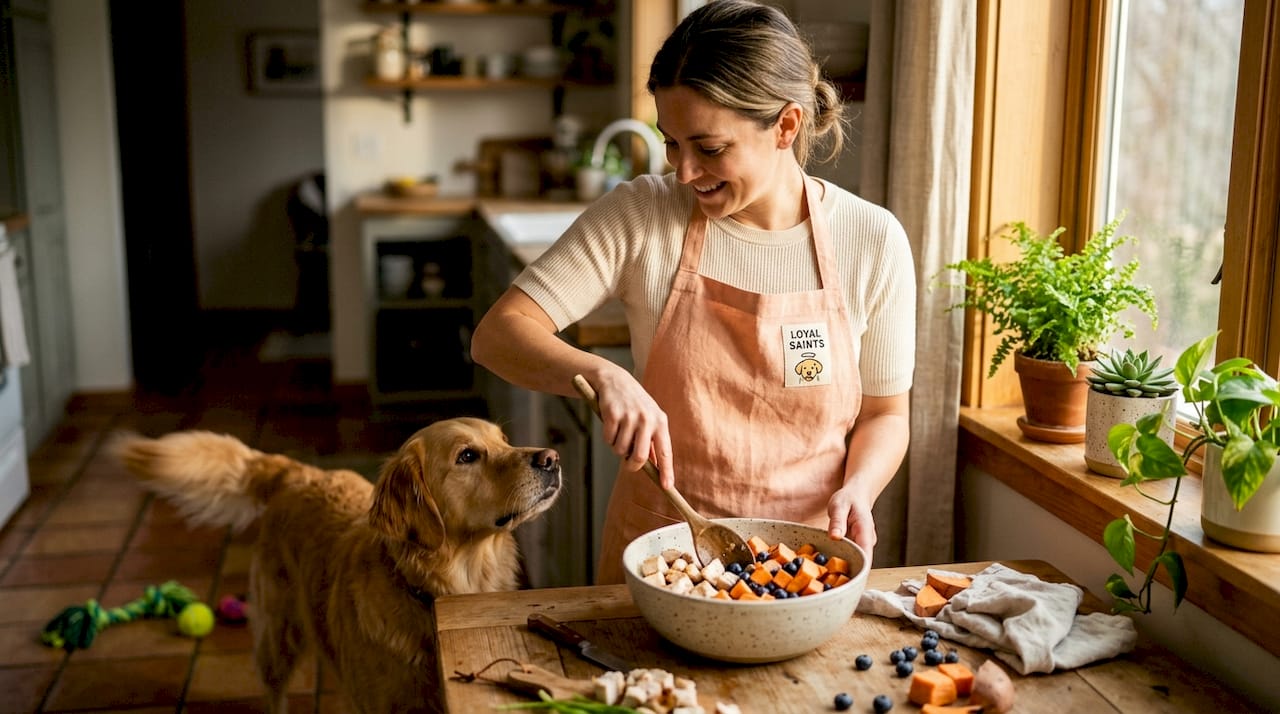
That distinction matters more than most dog owners realize. A food made from real chicken, sweet potato, and blueberries qualifies as natural. A food using chemically extracted flavor enhancers, synthetic colorants, or lab-made preservatives does not, regardless of how the packaging looks or what words appear on the front of the bag.
There is also an important difference between “natural,” “organic,” and “holistic.” Organic certification requires specific farming and sourcing practices verified by an accrediting body. Natural has no such third-party verification requirement. Holistic is entirely unregulated and can mean anything the brand decides it means. Of the three, “natural” at least carries a regulatory definition you can check against.
Here is what to look for when assessing whether a dog food genuinely meets the natural standard:
Named animal proteins first. Look for “chicken,” “lamb,” or “salmon” as the first ingredient. Named proteins indicate quality and transparency in a way that “poultry meal” or “meat by-products” simply do not.
No artificial preservatives. BHA, BHT, and ethoxyquin are red flags. Natural foods use tocopherols (vitamin E) or rosemary extract instead.
Recognizable whole foods. Sweet potato, peas, blueberries, and salmon oil are the kinds of ingredients that belong in a natural formula.
Mined mineral sources. Calcium from eggshell powder or dicalcium phosphate counts as natural. Synthetically produced versions do not.
No synthetic flavor enhancers. Real meat and whole foods create palatability naturally. Added “natural flavors” can actually be a gray area worth scrutinizing.
Pro Tip: Search for the AAFCO nutritional adequacy statement on any bag you’re considering. If a product claims to be natural but lacks this statement, it may not be complete and balanced, regardless of how clean the ingredients look.
The global market for natural pet food is expected to exceed $57 billion by 2033, which tells you demand is real. But demand alone does not guarantee every product meeting that demand is honest. Understanding the definition puts you in charge.
How processing affects what’s truly natural
Knowing the right ingredients is only half the story. How a food is processed can undo much of the nutritional value those ingredients originally had.
Here is a clear breakdown of the four main formats you will encounter:
Format | Processing temp | Nutrient retention | Shelf life | Practical notes |
Kibble | 120–200°C | Low | 12–18 months | Convenient but heavily processed |
Canned/wet | ~120°C | Moderate | 2–5 years | Better moisture, still high heat |
Fresh/gently cooked | ~90°C | High | Days to weeks (refrigerated) | Short shelf life, prep time needed |
Freeze-dried | No heat applied | Very high | 18–25 months | Nutrient-dense, convenient, shelf-stable |
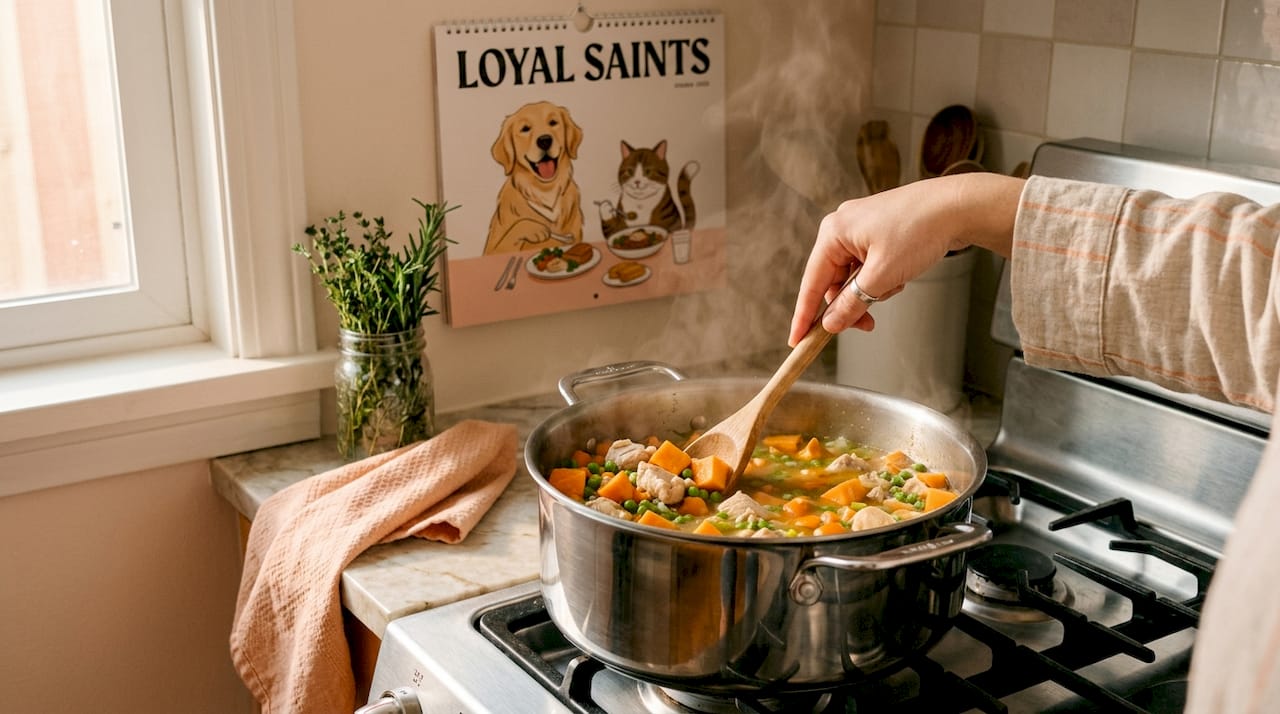
Fresh dog food cooked at around 90°C retains far more of its original nutrition compared to kibble, which is processed at temperatures between 120°C and 200°C. At those high temperatures, proteins denature, vitamins degrade, and heat-derived compounds called advanced glycation end products (AGEs) form in the food. Fresh diets have been shown to contain up to 120% fewer AGEs compared to high-heat processed options. That is a meaningful difference in what actually reaches your dog’s cells.
Freeze-drying takes this a step further. The process removes moisture under low pressure without applying heat, which means proteins, vitamins, and enzymes stay largely intact. The result is a food with the nutritional profile close to raw or fresh but with a shelf life that does not require a second freezer. If you want to understand exactly how this works, the science behind freeze-drying and nutrients is worth a read.
Pro Tip: If you are buying fresh or gently cooked natural dog food, check that it is stored refrigerated or frozen at the store. Food left at room temperature for extended periods loses the freshness advantage entirely.
The practical consideration most owners overlook is storage commitment. Fresh natural dog food requires refrigeration or freezing, and prepping homemade versions can take 30 to 60 minutes per batch. Freeze-dried formats offer a practical middle ground: nutrient preservation without the refrigerator dependency.
Reading labels and spotting quality ingredients
Once you understand what natural means and how processing works, the ingredient list becomes your most powerful tool.
Real natural dog food leads with muscle meat from a named animal. Chicken, turkey, lamb, and salmon are all examples. Beyond protein, you want to see whole fruits and vegetables like carrots, spinach, and blueberries providing natural vitamins, antioxidants, and fiber. Healthy fats from salmon oil or chicken fat support skin, coat, and brain function.
What you do not want is artificial preservatives like BHA and BHT, which have raised enough health concerns over the years to push quality brands toward natural alternatives like mixed tocopherols. You also want to be cautious about ingredients with no clear identity. “Animal digest,” “poultry by-product meal,” and “meat meal” all suggest the manufacturer is not being straightforward about what animal or what part of the animal went into the food.
One common question from dog owners is whether grain-free automatically means natural. It does not. A grain-free food can be full of synthetic additives and still qualify as grain-free. And a food that contains oats or brown rice can absolutely be natural if the rest of the ingredient list holds up. These are separate questions. Grain-free is about carbohydrate source. Natural is about the origin and chemical status of every ingredient.
For a deeper look at what to avoid in pet food additives and why certain preservatives matter more than others, that resource breaks it down clearly. Transparency in sourcing is ultimately what separates a brand that takes natural seriously from one that uses it as a sales tool. A 2026 class action lawsuit targeting brands for including 45+ synthetic ingredients while marketing as natural is a reminder that the word on the front of the bag and the reality inside can be very different things.
Making natural diets work safely at home and in practice
Whether you’re exploring homemade natural dog food recipes or simply transitioning to a better commercial option, doing it right requires some planning.
Talk to your vet first. Veterinarians stress consulting a professional before switching to any homemade diet, especially for puppies, pregnant dogs, seniors, or dogs with existing health conditions. What works for a healthy adult dog may not work for a dog with kidney disease or growing bone structure.
Do not rely on muscle meat alone. Muscle meat is a great protein source, but it is low in calcium. Calcium-phosphorus imbalance is the most common and most dangerous nutritional mistake in homemade diets. Adding around 2,400 to 2,800mg of calcium carbonate per batch, typically through eggshell powder or a vet-approved supplement, corrects this.
Use a vet-formulated tool. Online calculators like BalanceIT allow you to calculate precise supplement needs for your dog’s weight, age, and activity level. This takes the guesswork out of building a recipe that truly meets AAFCO nutrient profiles.
Adjust for life stage. A puppy needs different calcium-to-phosphorus ratios and calorie density than a senior dog. The age-appropriate diet guide from Loyalsaintspets covers how these needs shift over time.
Handle and store properly. Fresh and freeze-dried foods each have specific storage needs. Fresh food should be refrigerated and used within three to four days. Freeze-dried food should be sealed and stored in a cool, dry place. Cross-contamination risks with raw ingredients are real, so wash hands and surfaces thoroughly after prep.
Pro Tip: Transition to any new natural diet gradually over seven to ten days by mixing increasing portions of the new food with the old. A sudden switch can cause digestive upset even when the new food is higher quality.
Good natural feeding is also about consistency. Rotating between proteins from time to time, such as moving between chicken and salmon, can support a more diverse microbiome and reduce the risk of developing food sensitivities over time.
My honest take on “natural” dog food
I’ve spent years paying close attention to how natural pet food is marketed versus what it actually delivers, and the gap can be frustrating. The word “natural” gets placed on bags with great photography and earth tones and it creates an emotional response before you’ve read a single ingredient.
What I’ve found is that most dog owners are making decisions based on the front of the package. That’s exactly where brands spend the most design and copywriting effort. The truth about a product lives in the ingredient list and the AAFCO statement on the back or side panel.
The nutritional completeness question is what I see overlooked most often. A food can contain beautiful whole ingredients and still be missing something your dog needs daily. Homemade recipes are the most common example. I’ve seen well-intentioned owners feeding their dogs a diet of chicken, rice, and vegetables that looks impressive but is silently causing calcium deficiency over months.
My advice is simple. Let the ingredient list do the talking. Prioritize named proteins, recognize natural preservatives, understand that freeze-drying is currently the most practical way to get close-to-fresh nutrition without daily cooking, and always bring your vet into any significant diet change. The natural pet nutrition science supports real health outcomes when you do it right. But doing it right requires more than buying something with a leaf on the label.
— Eyo
Feed your dog the real thing
At Loyalsaintspets, every product starts with a simple standard: if it is not something you would recognize as real food, it does not belong in your dog’s bowl. The freeze-dried formulas are made from human-grade proteins, whole fruits, and vegetables with zero synthetic additives or fillers, all meeting AAFCO nutritional standards.
Freeze-drying preserves what high-heat processing destroys, giving your dog the nutrition of fresh food with the convenience of a shelf-stable product. If you have been trying to figure out how to feed naturally without the complexity of daily cooking, why freeze-dried works explains the science and the practical benefits in plain terms. Ready to find the right option for your dog? Browse the full shop and see what genuinely natural feeding looks like.
FAQ
What does “natural” mean on dog food labels?
Natural means all ingredients come from plant, animal, or mined sources with no chemically synthesized components. Added vitamins and minerals may be synthetic under AAFCO guidelines, but everything else must be naturally sourced.
Is freeze-dried dog food considered natural?
Yes. Freeze-drying uses no heat and no synthetic additives, making it one of the most natural processing methods available. It preserves nutrients, enzymes, and proteins at levels close to raw or gently cooked food.
Can I make natural dog food at home safely?
You can, but it requires careful planning. Vet consultation is essential before starting homemade natural dog food recipes, especially to address calcium supplementation and ensure nutritional completeness for your dog’s specific life stage.
Is grain-free the same as natural dog food?
No. Grain-free refers only to the absence of grains like wheat or corn. A grain-free food can still contain synthetic additives and preservatives, while a food with whole grains like oats can be fully natural depending on the rest of its ingredients.
How do I know if a dog food is truly natural?
Read the full ingredient list, not just the front of the bag. Look for named animal proteins first, natural preservatives like tocopherols, and no artificial colors or synthetic flavor enhancers. Checking for an AAFCO nutritional adequacy statement confirms the food meets minimum standards.
Recommended
Comments