.png)
Whole Ingredient Dog Meal Ideas for a Healthier Pup
- wix mentor

- 12 hours ago
- 9 min read
TL;DR:
Feeding dogs a balanced homemade diet requires proper ratios of proteins, vegetables, and fats, supplemented with essential micronutrients to avoid deficiencies.
Transition to whole ingredient meals gradually and consult a veterinary nutritionist to ensure safety and nutritional completeness for your dog’s specific needs.
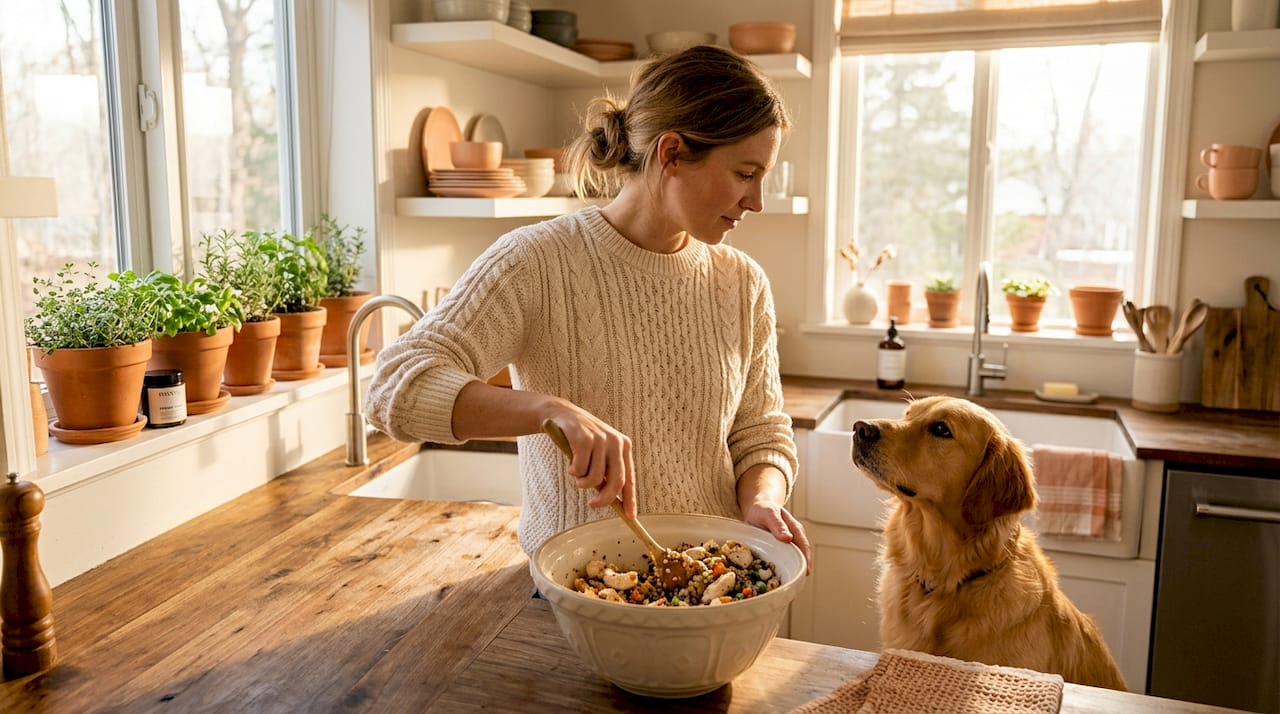
Feeding your dog well is one of the most loving things you can do, but figuring out the right whole ingredient dog meal ideas can feel overwhelming fast. Which proteins? Which vegetables? How much of each? The truth is, most dog owners want to do right by their pups but aren’t sure where to start. This article cuts through the confusion with practical, vet-informed meal ideas built on real whole foods, including proteins, vegetables, and healthy fats that your dog’s body is designed to thrive on. Get ready for some serious tail wags.
Table of Contents
Key takeaways
Point | Details |
Balance is non-negotiable | A proper homemade diet needs the right protein, carb, vegetable, and fat ratios to prevent deficiencies. |
Supplementation fills the gaps | Even the best fresh ingredient meals need added calcium and micronutrients to avoid long-term health issues. |
Transition slowly | Moving your dog to whole food meals works best when done gradually over 7 to 10 days. |
Vet guidance matters | A board-certified veterinary nutritionist helps you customize meals safely for your dog’s age and health. |
Batch cooking saves time | Preparing meals in bulk and freezing portions makes nutritious dog meal plans easy to maintain. |
What makes whole ingredient dog meal ideas truly balanced
Before you start cooking, knowing what goes into a genuinely balanced meal makes all the difference. Getting the ratios right, adding the right supplements, and choosing safe ingredients are what separate a healthy dinner from one that causes problems over time.
The nutrient ratios your dog actually needs
A well-balanced homemade diet should follow roughly these proportions:
Protein: 40 to 50% of the meal, sourced from quality animal proteins like chicken, beef, turkey, or salmon
Carbohydrates: 25 to 30%, from digestible sources like brown rice, sweet potato, or quinoa
Vegetables: 10 to 20%, including dog-safe options like pumpkin, carrots, zucchini, and green beans
Fats: 5 to 10%, from sources like salmon oil, olive oil, or the natural fat in the protein you choose
Dogs are carnivorous omnivores that need animal protein as their dietary foundation, with carbs and vegetables playing a supporting role. Skewing too heavily toward plant foods, even healthy ones, can leave your dog protein-deficient over time.
Why supplementation is not optional
Here is the part most online recipes skip. Only 6% of home-prepared diets are nutritionally complete without deliberate supplementation, with 44% fully deficient and 31% partially deficient. That’s a sobering number.
Calcium is the most critical gap. Muscle meat alone creates a dangerous calcium-to-phosphorus imbalance that can lead to bone disease if not corrected. Adding eggshell powder, roughly 1.5 teaspoons per 1.5 pounds of meat, corrects this. Beyond calcium, iodine, zinc, and selenium are commonly deficient in rotating homemade diets, so a vet-approved supplement designed for homemade feeding is worth adding.
Pro Tip: Ask your vet about a veterinary-grade mineral and vitamin supplement blend designed specifically for homemade diets. This single step protects your dog from the most common nutritional blind spots.
What to avoid
Onions, garlic, grapes, raisins, avocado, macadamia nuts, and xylitol are all toxic to dogs and should never appear in any recipe. Raw pork and raw salmon carry parasite risks. Cooked bones splinter and cause injuries.
For more on building a thorough and safe meal plan, the balanced dog nutrition checklist from Loyalsaintspets is a great starting point.
7 vet-informed whole ingredient dog meal ideas to try
These meal ideas are built around proven nutritional principles. Each one features whole, recognizable ingredients and notes on what makes it work for your dog’s body.
1. Classic chicken and brown rice bowl
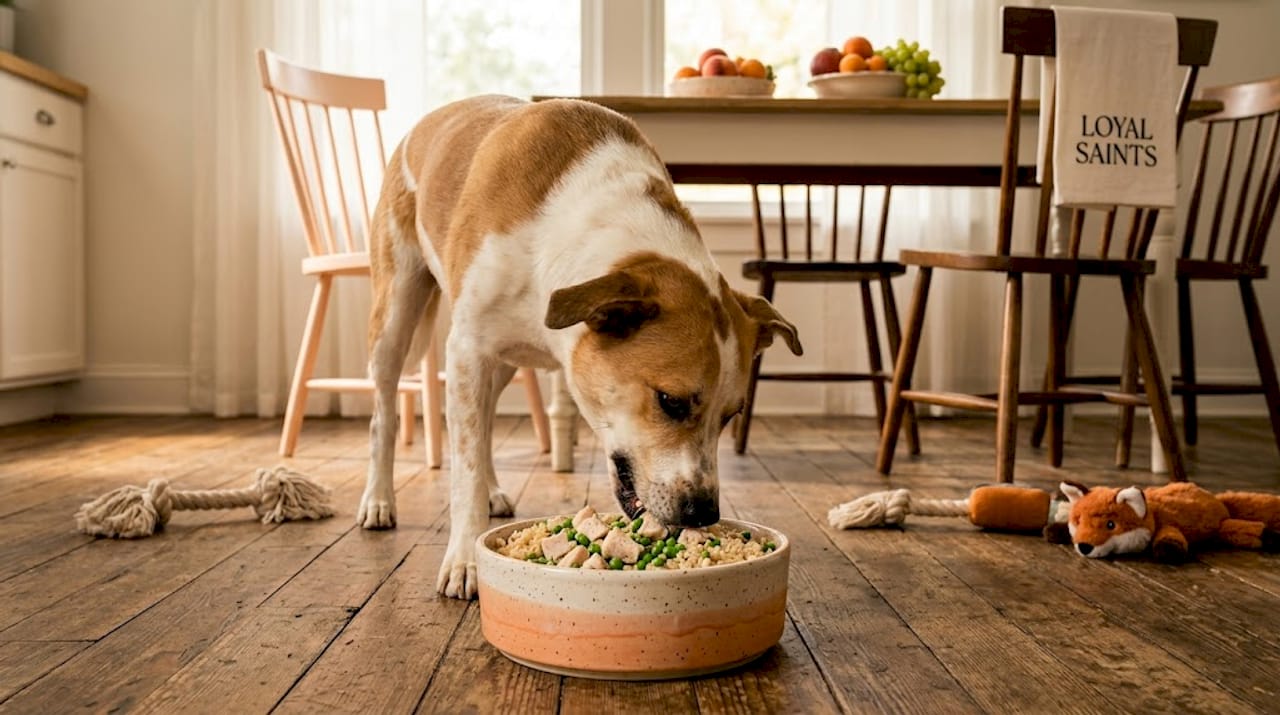
This is the starter recipe that many vets recommend for dogs new to whole food dog meals. Use boneless, skinless chicken thighs for higher fat content and flavor. Cook the brown rice plain and mix in steamed carrots and peas. Chicken delivers lean protein, B vitamins, and glucosamine for joint support. Brown rice provides easily digestible complex carbs without spiking blood sugar. Add a teaspoon of salmon oil for omega-3s and your calcium supplement.
2. Ground beef and sweet potato dinner
Beef is one of the most nutrient-dense proteins for dogs, rich in iron, zinc, and B12. Sweet potato adds beta-carotene, fiber, and a natural sweetness that most dogs love. Lightly cook the sweet potato by steaming to preserve nutrients. Brown the beef, drain excess fat if using a higher-fat cut, and combine with steamed sweet potato and a handful of steamed green beans. This meal works well as one of your grain-free dog meal recipes since it needs no rice or grains to complete the nutrition profile.
3. Turkey, quinoa, and pumpkin recipe
Turkey is an excellent option for dogs with chicken sensitivities since it offers similar lean protein with a different amino acid profile. Quinoa brings in plant-based protein and is one of the few grains containing all essential amino acids. Pumpkin is a standout ingredient for digestive health because its soluble fiber regulates both loose stools and constipation. Use plain canned pumpkin, not pie filling. This combination makes for one of the best whole ingredient dog recipes for dogs with sensitive stomachs.
Pro Tip: Pumpkin is a low-calorie, high-fiber addition you can use to add volume to any meal without significantly changing the calorie count. Great for dogs that always seem hungry.
4. Salmon and vegetable omega-3 powerhouse
Salmon is one of the most complete proteins for dogs, loaded with omega-3 fatty acids that support skin health, coat shine, brain function, and inflammation control. Use boneless cooked salmon, never raw Pacific salmon due to salmon poisoning risk. Pair it with steamed zucchini, spinach, and a small amount of cooked lentils for fiber and plant protein. Fresh food cooked gently at lower temperatures retains more nutrients and produces fewer harmful compounds than high-heat commercial processing. This meal is ideal for dogs with dull coats or itchy skin.
5. Grain-free beef, sweet potato, and blueberry bowl
This is a nutrient-packed grain-free dog meal recipe that layers antioxidant-rich blueberries into a classic beef base. Blueberries contain anthocyanins that support brain health and reduce cellular aging, which makes them especially useful for senior dogs. Use a small handful, about 2 tablespoons for a medium-sized dog, so you add nutrition without overloading natural sugars. The sweet potato handles the carbohydrate load and the beef anchors the protein. This combination covers energy, cognition, and anti-inflammatory support in one bowl.
6. Senior dog joint and coat support meal
Older dogs have different needs. They benefit from lower-calorie, easily digestible proteins alongside ingredients that specifically target joint function and skin health. A good senior recipe uses sardines packed in water for omega-3s, lightly steamed broccoli for vitamin K and C, cooked lentils for fiber, and a modest amount of brown rice. Add a fish oil supplement and a vet-recommended joint support supplement containing glucosamine and chondroitin. For vet-approved meal design specific to senior dogs, consulting a nutritionist before finalizing the recipe is especially important at this life stage.
7. Easy egg and vegetable scramble
Sometimes you need quick and easy dog meal prep with what’s already in your kitchen. Scrambled eggs with steamed spinach, carrots, and a side of plain cooked brown rice take under 10 minutes. Eggs are one of the most bioavailable protein sources available, containing every essential amino acid in proportions that match what dogs actually need. This meal works perfectly as a rotation option or a meal when you’ve run out of your prepped batches. Avoid adding salt, butter, or any seasoning.
How these meals compare at a glance
Choosing among these healthy dog dinner recipes depends on your dog’s age, health needs, your budget, and how much time you have. Here’s how they stack up:
Meal | Protein focus | Grain-free? | Best for | Prep time |
Chicken and brown rice | Lean poultry | No | All life stages | 25 min |
Ground beef and sweet potato | Red meat | Yes | Active adult dogs | 20 min |
Turkey, quinoa, and pumpkin | Lean poultry | No | Sensitive stomachs | 30 min |
Salmon and vegetables | Fish | Yes | Skin and coat issues | 20 min |
Beef, sweet potato, blueberry | Red meat | Yes | Seniors, brain health | 20 min |
Senior sardine and lentil bowl | Fish | No | Senior dogs | 25 min |
Egg and vegetable scramble | Eggs | No | Quick rotation meals | 10 min |
A few things worth noting when making your choice:
Budget: Salmon and sardines are often cheaper than ground beef when bought canned. Eggs are the most affordable protein source overall.
Availability: Chicken, beef, and sweet potato are available in virtually any grocery store, making them the most practical base for nutritious dog meal plans.
Allergies: If your dog has a known protein sensitivity, rotation helps. Try two to three protein sources on a rotating weekly schedule.
Practical tips for transitioning to a whole ingredient diet
Making the switch from commercial food to fresh ingredient dog meals works best when it’s gradual. Jumping straight into full homemade meals can upset your dog’s digestive system even when the new food is healthier.
Here’s a simple transition schedule that works:
Days 1 to 3: 75% current food, 25% new whole ingredient meal
Days 4 to 6: 50% current food, 50% new meal
Days 7 to 9: 25% current food, 75% new meal
Day 10 onward: 100% whole ingredient meals
Watch for loose stools, gas, or unusual lethargy during the switch. Some adjustment is normal. Prolonged diarrhea or vomiting means slow down the transition.
For batch cooking, most cooked whole ingredient meals stay fresh in the refrigerator for 3 to 4 days. Frozen portions last up to 3 months. Gentle cooking around 90°C and frozen storage preserves nutrients well without the need for preservatives.
Pro Tip: Portion meals into individual servings before freezing. Pulling out exactly what you need for one day means no thawing more than necessary and keeps food quality consistent.
Signs that you need to call your vet: significant weight change after transitioning, persistent skin issues, energy drops that don’t resolve in two weeks, or any new allergy-like symptoms. A board-certified veterinary nutritionist is the right call when you want to personalize the diet for a dog with a specific health condition.
For a complete picture of what whole foods do for your dog long-term, the guide on whole food dog benefits at Loyalsaintspets is worth reading alongside this article.
My honest take on feeding dogs whole ingredient meals
I’ve spent a lot of time looking at how dogs eat and what actually shows up in their health over months and years. One thing I’ve learned is that “natural” doesn’t automatically mean “complete.” That’s the trap I see dog owners fall into most often.
You can put genuinely good ingredients in your dog’s bowl and still create nutritional gaps if you haven’t thought through the ratios and supplements. The guesswork cooking problem is real. I’ve seen dogs on beautifully sourced homemade meals develop coat thinning, low energy, and bone issues, not because the owner didn’t care, but because the calcium or iodine piece was missing.
My honest advice: start with one or two of these recipes, get your vet’s input, add a proper supplement, and track how your dog looks and feels over 60 days. The results are real. Better coat, cleaner digestion, more consistent energy. But patience is part of the process. Whole ingredient feeding done right is one of the most impactful things you can do for a dog you love.
— Eyo
Simplify whole ingredient feeding with Loyalsaintspets
If cooking from scratch every few days feels like more than your schedule allows, you don’t have to choose between convenience and quality. Loyalsaintspets offers freeze-dried dog food made from human-grade, whole ingredients including premium proteins, fruits, and vegetables, with no fillers or artificial additives.

Freeze-drying locks in the nutrition of fresh whole ingredient meals without refrigeration or prep time. Read more about why freeze-dried works and how it stacks up against other feeding methods. When you’re ready to explore options for your dog, the Loyalsaintspets shop has a range of formulas suited to different life stages and nutritional needs. It’s whole ingredient nutrition made easy, without compromising what your dog deserves.
FAQ
What are the best proteins for whole ingredient dog meals?
Chicken, beef, turkey, salmon, and eggs are all excellent protein sources for dogs. Animal-based proteins should form 40 to 50% of a balanced homemade meal.
Do homemade dog meals need supplements?
Yes. Most home-prepared diets are nutritionally incomplete without added supplements, particularly calcium, iodine, and zinc. Always include a vet-approved mineral blend.
How do I make a grain-free dog meal at home?
Replace grains with sweet potato, lentils, or pumpkin for carbohydrate and fiber content. Pair with a quality animal protein and a small amount of dog-safe vegetables for a complete grain-free option.
How long does homemade dog food last in the fridge?
Cooked whole ingredient dog meals stay fresh for 3 to 4 days refrigerated and up to 3 months when frozen in portioned servings.
When should I consult a vet about my dog’s diet?
Consult a veterinary nutritionist before starting homemade feeding, especially if your dog has existing health issues, is a senior, or is a puppy with higher developmental nutritional needs.
Recommended
Comments