.png)
Benefits of Raw Dog Food: What Owners Should Know
- wix mentor

- 1 day ago
- 9 min read

TL;DR:
Raw dog food retains essential nutrients like proteins and omega fatty acids that high-heat processing destroys, supporting better coat health, digestion, and dental hygiene. However, it carries real pathogen risks requiring strict hygiene practices, and suitability varies based on household health considerations. Freeze-dried raw offers a practical alternative, preserving nutrition, reducing handling risks, and fitting into modern pet care routines.
If you’ve been asking whether the benefits of raw dog food are real or just hype, you’re asking exactly the right question. Raw feeding has gained serious traction among dog owners who want more than what standard kibble delivers. The claims are compelling: shinier coats, better digestion, more energy, cleaner teeth. But raw diets also come with real safety considerations that deserve honest attention. This guide walks you through the nutritional science, the health impacts, the risks, and how to make an informed decision for your specific dog and household.
Table of Contents
Key takeaways
Point | Details |
High nutrient retention | Raw diets preserve proteins, fatty acids, and vitamins that high-heat processing destroys in kibble. |
Real health improvements | Owners consistently report shinier coats, firmer stools, and better dental health after switching to raw. |
Pathogen risks are real | Raw products carry Salmonella and Listeria risks that require strict handling and hygiene protocols. |
Freeze-dried is a middle ground | Freeze-drying preserves raw nutrition while reducing some handling risks compared to fresh raw meat. |
Transition gradually | Switching too fast causes digestive upset; a slow, monitored transition gives your dog the best chance to adapt. |
Nutritional benefits of raw dog food diets
Raw food for dogs starts with one fundamental advantage: minimal processing. When meat, organs, and bones skip the high-heat treatment that kibble undergoes, the proteins, enzymes, and fat-soluble vitamins stay largely intact. That matters more than most people realize.
The nutritional benefits of raw food show up in a few specific ways:
Protein quality. Heat denatures proteins, which can reduce how well dogs absorb them. Raw meat delivers amino acids in their natural form, supporting muscle maintenance, organ function, and immune health.
Omega-3 and Omega-6 fatty acids. These are heat-sensitive. Raw diets that include fish, grass-fed meats, or organ meats tend to preserve omega fatty acids that support skin hydration, coat shine, and reduced inflammation.
Enzymes and natural moisture. Whole, raw ingredients contain naturally occurring digestive enzymes and moisture that processed foods strip away. This supports gut health and reduces the digestive load on your dog’s system.
Absence of fillers. Standard kibble frequently uses corn, wheat, and soy as bulk ingredients. These add carbohydrate calories without the protein density dogs thrive on. Raw diets skip these fillers by design.
Better weight management. Higher protein and lower refined carbohydrate content can help dogs maintain lean body mass rather than storing excess fat from starch-heavy kibble.
One area worth understanding: raw feeding isn’t automatically nutritionally balanced. A diet of only muscle meat misses calcium, phosphorus, and key micronutrients. The benefits of raw ingredients for pets show up most consistently when the diet includes a balance of muscle meat, raw meaty bones, organ meat, and sometimes vegetables and supplements.
Pro Tip: If you’re building a home raw diet, the standard guideline is roughly 70% muscle meat, 10% raw edible bone, 10% organ meat (at least half from liver), and 10% vegetables and fruit. Ask your vet to review the balance before you commit.
Health impacts you can actually observe
One reason raw feeding has such loyal advocates is that the improvements are visible. You don’t need a lab to notice them.
Shinier coat and calmer skin. Owners report improvement in skin hydration and reduced allergic inflammation after switching to raw. The reason connects directly to omega fatty acid preservation. When those fats survive the trip from food to your dog’s body, the skin barrier strengthens and coat texture improves. Skin and coat benefits are among the most consistently reported outcomes.
Better dental health. Chewing raw meat and raw meaty bones provides mechanical cleaning that brushing alone doesn’t replicate. Dental health improvements from raw feeding come from the abrasive action of gnawing, which scrapes tartar and plaque off teeth over time.
Smaller, firmer stools. This is one of the clearest signs of better digestibility. Raw diets produce firmer stools because high meat digestibility means less waste. Your dog absorbs more of what they eat, so less comes out the other end.
Fewer food sensitivities. Many dogs that struggle with grain-based kibble do better on raw diets simply because the ingredient list is shorter and more recognizable. Fewer synthetic additives, fewer common allergens.
More energy and vitality. Raw feeding benefits often include improved energy levels, particularly in middle-aged dogs that had become sluggish on kibble. Better protein absorption and fewer inflammatory ingredients can translate to a dog that acts younger than their age.
These are not guaranteed outcomes for every dog, and results depend on the quality of the raw diet you provide. But for dogs that aren’t thriving on their current food, the health case for trying raw is worth taking seriously. You can explore how freeze-dried raw food supports coat health if you want a more practical starting point before committing to fresh raw feeding.
Safety considerations when feeding raw
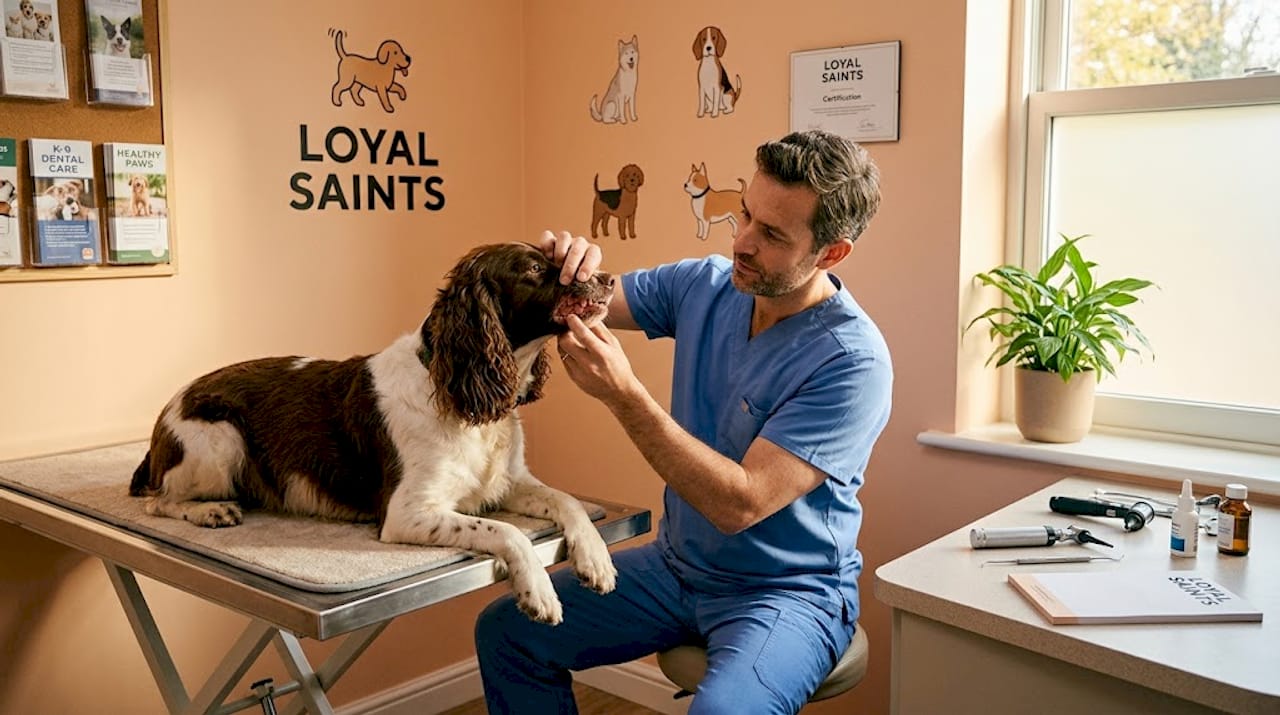
The benefits of raw pet diets are real. So are the risks. Being honest about both is how you feed responsibly.
The core concern is pathogen contamination. Raw meat can carry Salmonella, Listeria, and other bacteria that affect both dogs and the people around them. A 2026 recall involved Listeria monocytogenes in commercially prepared raw dog food, prompting a full production halt. This is not a rare edge case. It’s an ongoing reality of the raw food category.
What makes this trickier is that infected dogs often show no symptoms but still shed Salmonella in their stool, putting household members at risk. Children, elderly individuals, pregnant people, and anyone immunocompromised face the highest danger from this kind of exposure.
Cornell University’s Riney Canine Health Center outlines clear guidelines for managing these risks:
Handle raw dog food exactly like raw meat in your own kitchen. Use separate cutting boards, dedicated utensils, and clean hands before and after.
Do not wash raw food in the sink. Rinsing spreads contamination to surrounding surfaces through water splatter.
Disinfect all surfaces that contact raw food after every feeding preparation.
Avoid feeding raw diets in households where high-risk individuals are present.
If you want to reduce bacterial risk while keeping raw nutrition, cooking to 165°F eliminates most pathogens.
“Raw meat diets are a significant risk factor for asymptomatic Salmonella shedding in dogs, posing household infection risks. Approximately half of Salmonella-infected dogs show no symptoms but shed bacteria that can infect humans.” — Cornell University College of Veterinary Medicine
Freeze-dried raw options reduce some of these concerns through the freeze-drying process itself, though they are not completely pathogen-free. Learning about freeze-drying safety steps helps you understand exactly what protections are in place and what handling precautions still apply.
Raw vs. fresh vs. processed: how they compare
Not everyone who wants to move away from kibble is ready to commit to a full raw diet. Understanding how raw, fresh (gently cooked), and processed foods stack up helps you choose what actually fits your life.
Pro Tip: “Fresh” and “raw” are not the same thing. Fresh dog food is typically gently cooked at low temperatures. It retains more nutrients than kibble but lacks some of the enzyme activity and omega acid preservation of a true raw diet.
One important distinction involves heat-derived compounds called advanced glycation end-products (AGEs). These form when food is cooked at high temperatures and have been linked to chronic inflammation. Fresh diets show up to 120% lower AGE levels compared to standard kibble, and raw diets contain virtually none. This is one of the strongest nutritional arguments for moving away from conventional dry food.
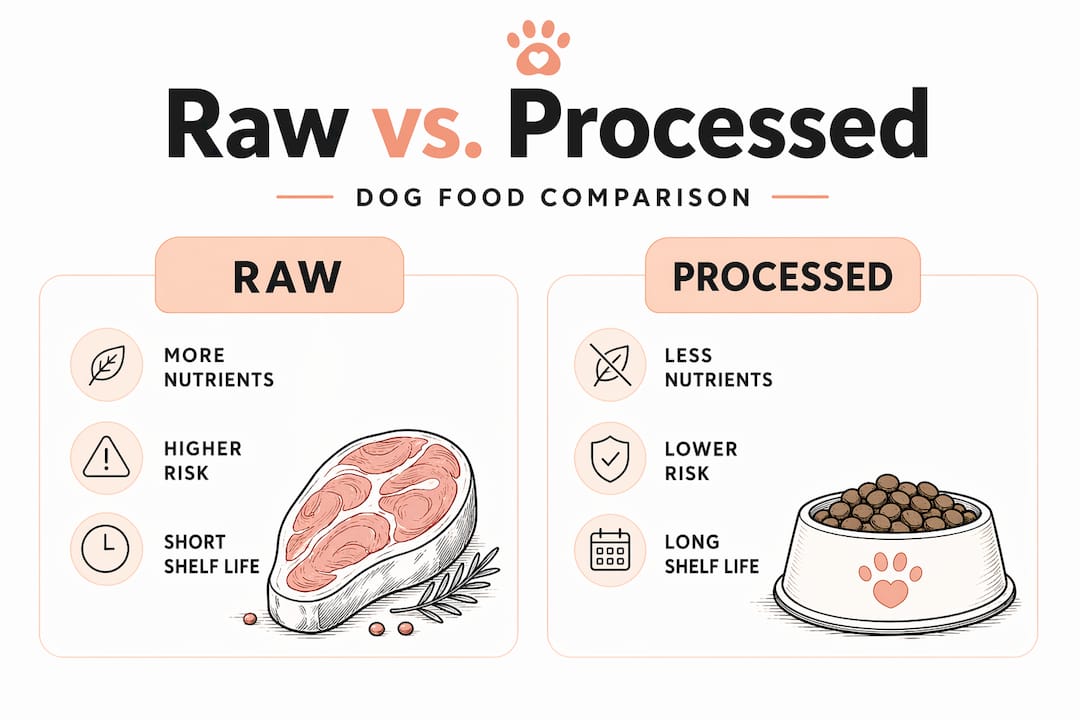
Diet type | Nutrient retention | Pathogen risk | Convenience | Shelf life |
Raw (fresh) | Highest | High without strict handling | Low | 2 to 4 days refrigerated |
Freeze-dried raw | Very high | Lower, but not zero | High | 12 to 24 months |
Gently cooked (fresh) | High | Low | Medium | 4 to 7 days refrigerated |
Standard kibble | Lowest | Very low | Very high | 12 to 18 months |
The tradeoff is clear. More processing means longer shelf life and lower handling complexity, but it also means more nutrient loss and more heat-derived compounds. Freeze-dried raw sits in a practical sweet spot for many dog owners: it preserves the nutritional benefits of raw ingredients for pets while offering much better storage and handling convenience than fresh raw meat.
How to transition your dog to a raw diet
If you’ve decided raw feeding is worth trying, how you introduce it matters as much as what you feed.
Go slow. Switching your dog’s food overnight almost always causes digestive upset. Start by mixing 20% raw with 80% of the current food. Over two to three weeks, gradually shift the ratio until you’ve fully transitioned.
Monitor stool quality closely. Loose stools for a day or two during transition are normal. Persistent diarrhea or vomiting beyond 48 hours is a signal to slow down and consult your vet.
Batch and portion carefully. Prepare only what your dog will eat in one sitting. Store raw portions in sealed containers and thaw in the refrigerator, not on the counter.
Choose quality sources. Human-grade, whole ingredient raw food matters. Low-quality raw products with unknown sourcing carry higher contamination risks. Check the nutrient-rich freeze-dried checklist to understand what standards to look for.
Consult your veterinarian. Not every dog is a good candidate for raw feeding. Dogs with immune conditions, digestive disorders, or those on certain medications may need a different approach.
Hydration matters. Fresh raw food has high natural moisture content. Freeze-dried raw does not. If you use freeze-dried products, read up on hydration and freeze-dried food to understand how to keep your dog properly hydrated.
The raw dog food advantages that owners rave about take time to appear. Most people notice stool changes within a week, coat improvements within four to six weeks, and energy changes within two to three months.
My honest take on raw feeding
I’ve spent a lot of time in the raw feeding conversation, and here’s what I actually think.
The benefits are real. When raw feeding is done correctly, with quality ingredients, proper balance, and good hygiene, dogs genuinely thrive on it. I’ve seen the coat and energy improvements firsthand, and the science behind better protein retention and fewer inflammatory compounds holds up.
But I also think the raw feeding community sometimes glosses over how much discipline the handling side requires. Most owners underestimate the sanitation complexity involved. The perceived benefits like stool quality and skin improvements must be weighed against household pathogen risks, especially if you have young kids or elderly family members at home.
My honest advice: consider your household first, not just your dog. Family members’ health risk is part of the raw feeding equation that most guides skip over.
Raw diet isn’t one-size-fits-all. A healthy adult dog in a single-person household is a very different candidate than a dog living with a newborn or an immunocompromised family member. Start with freeze-dried if you want the nutrition without the full handling complexity. It’s a smart, honest entry point.
— Eyo
Why Loyalsaintspets makes raw feeding easier
Raw feeding delivers real results, but it only works if you can do it safely and consistently. That’s exactly what Loyalsaintspets was built to support.
Loyalsaintspets freeze-dried dog food is crafted from human-grade proteins, whole fruits, and vegetables with no fillers, no artificial additives, and nothing your dog doesn’t need. The freeze-drying process locks in the nutritional benefits of raw food while making storage and handling practical for everyday life. Every product meets AAFCO nutritional standards and is veterinarian approved. You get the raw dog food advantages without managing the full complexity of fresh raw preparation every day. Browse the Loyalsaintspets shop to find the right product for your dog’s size, age, and health goals. Your dog deserves the best, and there are plenty of tail wags coming when you get their nutrition right.
FAQ
What are the main benefits of raw dog food?
Raw dog food preserves proteins, omega fatty acids, and natural enzymes that high-heat processing destroys, supporting better coat health, digestion, dental hygiene, and energy levels. Dogs on raw diets also tend to produce smaller, firmer stools, which signals better nutrient absorption.
Is raw dog food healthy for all dogs?
Raw dog food can be healthy for many dogs, but it isn’t ideal for every situation. Dogs with immune conditions and households with immunocompromised family members may face elevated risks from pathogen exposure that outweigh the nutritional benefits.
How do I reduce the safety risks of feeding raw?
Treat raw dog food exactly like raw meat in your kitchen: use separate prep surfaces, avoid washing it in the sink, disinfect all contact surfaces after each use, and store portions properly in the refrigerator. Freeze-dried raw options lower handling complexity while preserving most of the nutritional value.
How is freeze-dried raw dog food different from fresh raw?
Freeze-dried raw food removes moisture through a low-temperature process that preserves nutrients without cooking them, giving you a shelf-stable product that retains much of the nutrition of fresh raw meat. It carries lower pathogen risk than fresh raw but still requires proper handling and rehydration.
How long does it take to see results from a raw diet?
Most dog owners notice stool quality changes within the first week of switching to raw. Coat improvements typically appear within four to six weeks, while energy and overall vitality changes become noticeable after two to three months of consistent feeding.
Recommended
Comments