.png)
Step-by-Step Raw Feeding Guide for Dog Health and Vitality
- wix mentor

- 1 day ago
- 8 min read
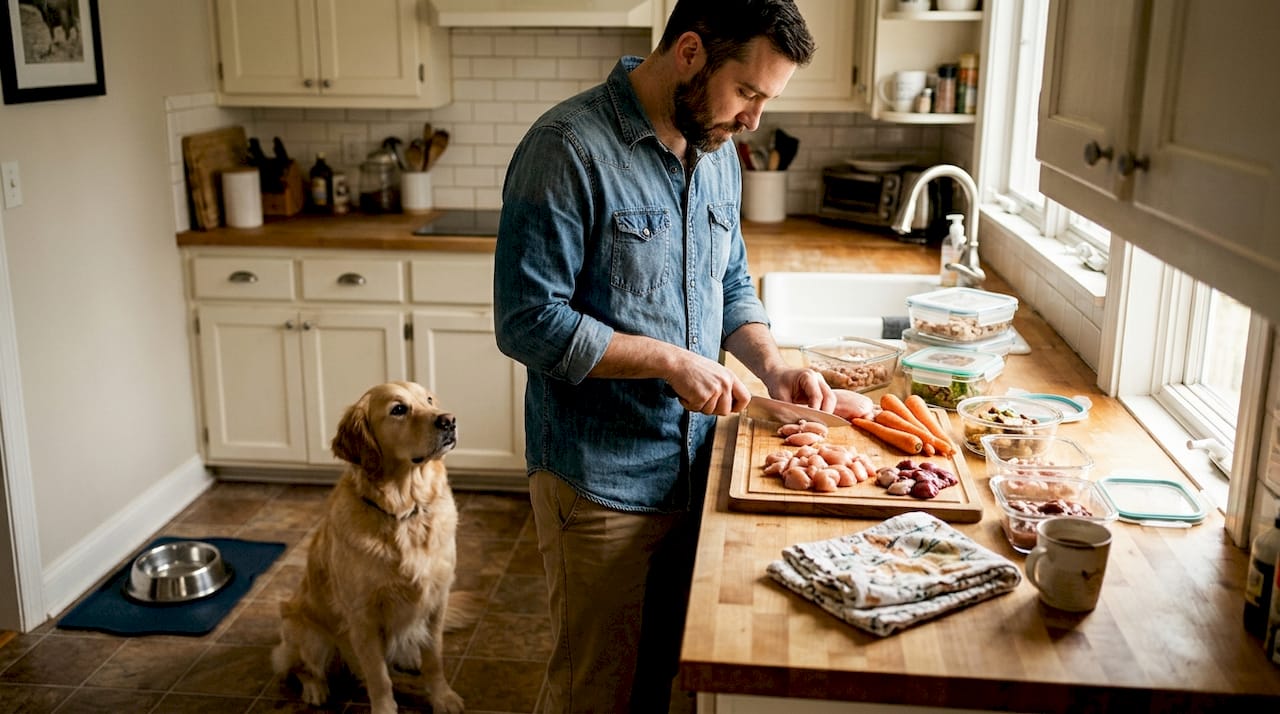
You’ve probably wondered what’s really in your dog’s food and whether switching to raw feeding could truly make a difference. Many pet owners share this concern, especially when they notice their dogs struggling with digestion or lacking energy. Evidence shows that raw feeding can transform your dog’s digestion and energy, offering a natural path to better health. This guide walks you through the entire raw feeding process in clear, actionable steps, so you can confidently nourish your dog with fresh, wholesome ingredients.
Table of Contents
Key Takeaways
Point | Details |
Balanced nutrition | A proper raw diet balances muscle meat, organ, and bone for optimal dog health. |
Gradual transition | Switch dogs slowly to raw food to prevent digestive upset and aid adaptation. |
Monitor progress | Track your pet’s energy, digestion, and coat to verify raw diet benefits. |
Prioritize safety | Use fresh, high-quality ingredients and clean preparation spaces for best results. |
What is raw feeding and why do it?
Raw feeding means serving your dog fresh, uncooked animal-based ingredients instead of processed kibble. It typically includes muscle meat, organs, bones, and sometimes vegetables or supplements. This approach mimics what dogs would eat in nature, providing nutrition in its most bioavailable form.
Many myths surround raw feeding. Some worry about bacteria or nutritional imbalance, but proper handling and balanced recipes address these concerns effectively. The truth is that raw diets can lead to improved long-term digestive health when done correctly.
The main benefits include:
Improved digestion and nutrient absorption
Shinier, healthier coat
Increased energy and vitality
Better dental health from chewing bones
Reduced allergies and skin issues
Research indicates that dogs on raw diets often show significant improvements in stool quality and digestive comfort. Their bodies process fresh proteins and fats more efficiently than heavily processed alternatives.
“Switching to raw feeding gave my dog a new lease on life. Her energy doubled, and her coat became incredibly soft within weeks.”
Understanding these raw diet benefits helps you make informed decisions. The connection between fresh food and digestive health with raw food becomes clear when you see your dog thrive.
What you need to start raw feeding
Before you begin, gather the right tools and ingredients. Preparation sets you up for success and keeps your dog safe.
Essential equipment includes:
Stainless steel bowls for serving
Sharp knives for cutting meat and bones
Cutting boards dedicated to raw food
Airtight containers for storage
Kitchen scale for accurate portions
Freezer space for bulk ingredients
For ingredients, focus on quality proteins. Chicken, beef, lamb, and turkey work well as muscle meat bases. Organ meats like liver and kidney provide essential vitamins. Raw meaty bones such as chicken necks or wings offer calcium and dental benefits. Some owners add fish oil, kelp, or vegetables for extra nutrients.
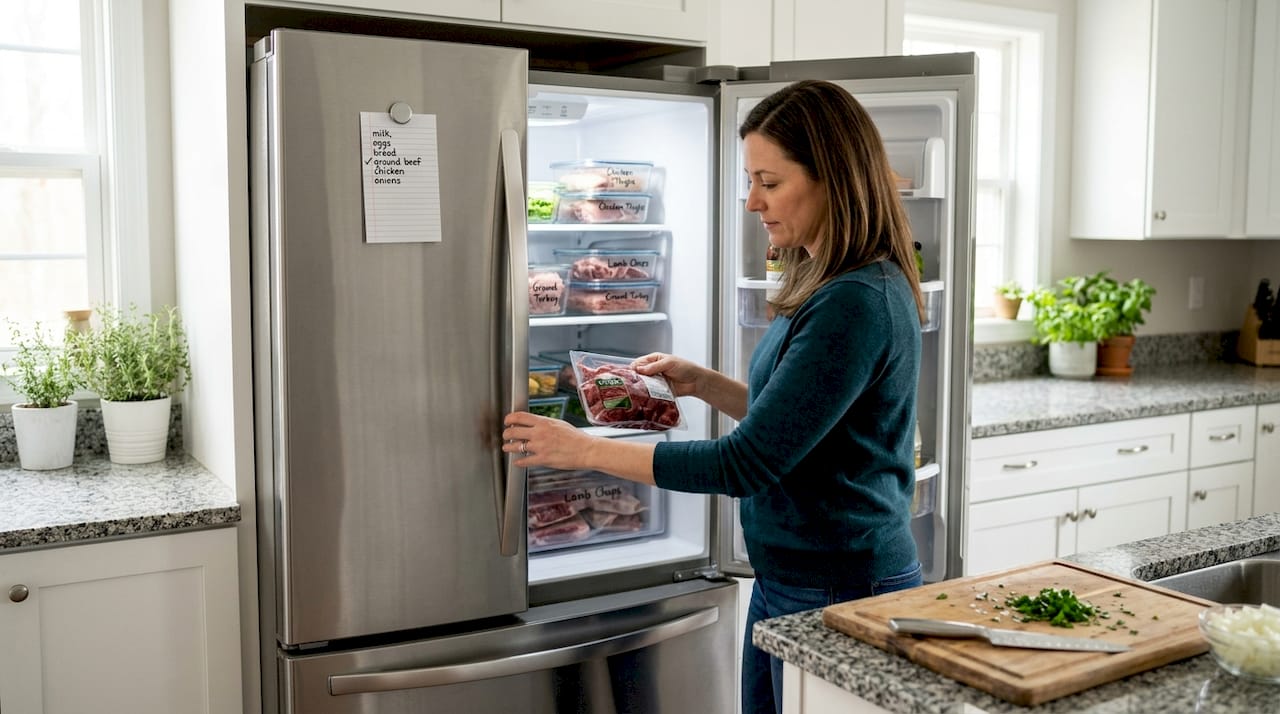
Pro Tip: Start with one protein source for the first month. This helps you identify any sensitivities before introducing variety.
Here’s how commercial freeze-dried options compare to DIY raw feeding:
Factor | Freeze-Dried Raw | DIY Raw Feeding |
Convenience | High, pre-portioned | Moderate, requires prep |
Cost | Higher per serving | Lower with bulk buying |
Safety | Minimized bacteria risk | Requires careful handling |
Customization | Limited to formulas | Complete control |
Storage | Shelf-stable | Freezer required |
Preparation and selecting high-quality ingredients forms the foundation for safe, balanced meals. Always source meat from reputable suppliers, and maintain strict hygiene. Wash hands, surfaces, and tools thoroughly after handling raw ingredients. This raw food preparation guide approach protects both you and your dog.
Step-by-step raw feeding process
Now let’s walk through the actual feeding process. Following these steps ensures your dog receives balanced, safe nutrition.
1. Determine proper portions
Measuring proper portions and balancing ingredients is vital for dog health. Most dogs need 2 to 3 percent of their body weight daily in raw food. Active dogs or puppies may need closer to 3 percent, while less active or senior dogs do better around 2 percent. Use a dog food portion estimator to calculate exact amounts based on your dog’s weight and activity level.
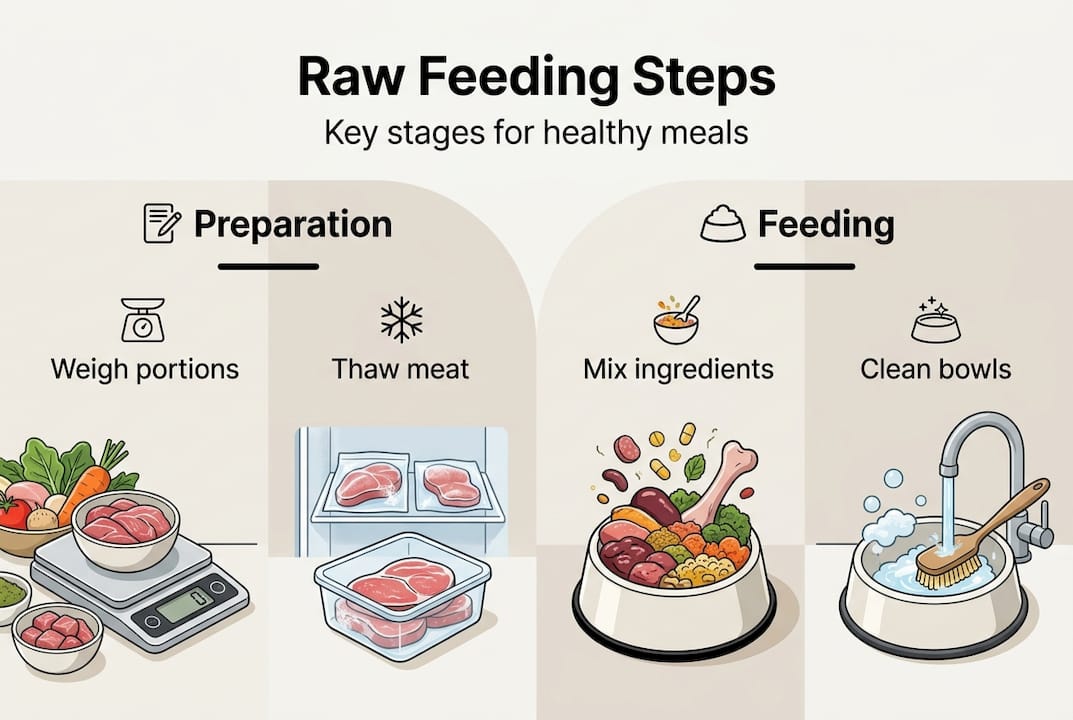
2. Thaw ingredients safely
Move frozen meat from freezer to refrigerator 24 hours before feeding. Never thaw at room temperature, as this encourages bacterial growth.
3. Portion and combine
Cut meat into appropriate sizes for your dog. Small dogs need smaller pieces, while large dogs can handle bigger chunks. Combine ingredients following the 80/10/10 rule: 80 percent muscle meat, 10 percent raw meaty bones, and 10 percent organs.
4. Mix and serve
Mix everything in your dog’s bowl. Serve immediately at cool room temperature. Dogs prefer food that’s not ice cold.
5. Clean up thoroughly
Wash all surfaces, bowls, and utensils with hot, soapy water. Sanitize cutting boards and counters.
Pro Tip: Prepare several days’ worth of meals at once. Portion them into containers and refrigerate for up to three days or freeze for longer storage.
Here’s a simple weekly meal plan for a 50-pound active dog:
Day | Muscle Meat | Bone | Organ | Total |
Mon | 12.8 oz chicken | 1.6 oz neck | 1.6 oz liver | 16 oz |
Tue | 12.8 oz beef | 1.6 oz ribs | 1.6 oz kidney | 16 oz |
Wed | 12.8 oz turkey | 1.6 oz wing | 1.6 oz liver | 16 oz |
Thu | 12.8 oz lamb | 1.6 oz neck | 1.6 oz heart | 16 oz |
Fri | 12.8 oz chicken | 1.6 oz back | 1.6 oz liver | 16 oz |
This rotation provides variety while maintaining proper ratios. Adjust portions based on your dog’s specific needs and response.
How to transition safely to a raw diet
Switching to raw food requires patience. A gradual approach prevents digestive upset and helps your dog adapt successfully.
Gradual transition reduces digestive issues and ensures long-term adaptation. Follow this schedule:
Days 1-3: Mix 25 percent raw food with 75 percent current food
Days 4-6: Increase to 50 percent raw, 50 percent current food
Days 7-9: Serve 75 percent raw, 25 percent current food
Day 10 onward: Feed 100 percent raw diet
Some dogs transition faster, while others need more time. Watch your dog’s response and adjust accordingly.
Signs of healthy transition include:
Normal energy levels
Firm, smaller stools
Good appetite
Bright eyes and shiny coat
No vomiting or excessive gas
Signs that require attention:
Persistent diarrhea beyond three days
Vomiting multiple times
Loss of appetite for more than 24 hours
Lethargy or unusual behavior
Blood in stool
Pro Tip: For picky eaters, lightly sear the outside of meat pieces initially. The cooked smell attracts them while keeping the inside raw and nutritious.
Dogs with sensitive stomachs benefit from an even slower transition. Extend each phase by several days, and consider starting with just one protein source. The transition to raw freeze-dried food can be gentler for these dogs, as freeze-dried options are easier to digest initially.
“Patience during transition pays off. My dog had a sensitive stomach, but taking two full weeks to switch made all the difference.”
If you notice ongoing issues, consult your veterinarian. They can rule out underlying conditions and provide guidance. Resources on how to transition dog food naturally and understanding digestive health during transition offer additional support.
Expected results, monitoring, and ongoing care
After transitioning, track your dog’s progress to ensure the diet works well. Regular monitoring helps you make adjustments and maintain optimal health.
Monitoring stool, energy, and appetite helps ensure safe raw feeding outcomes. Look for these positive changes:
Coat quality: Shinier, softer fur within 4-6 weeks
Stool consistency: Smaller, firmer, less odorous stools
Energy levels: Increased playfulness and stamina
Appetite: Eager eating at mealtimes
Dental health: Cleaner teeth and fresher breath
Body condition: Lean muscle development
Most dogs show noticeable improvements within the first month. Some changes, like dental health, take longer to become apparent.
Adjust portions based on your dog’s body condition. If your dog gains excess weight, reduce daily portions by 10 percent. If your dog loses weight or seems constantly hungry, increase portions gradually. Active seasons or life changes may require temporary adjustments.
Rotate proteins every few weeks to provide nutritional variety. This prevents deficiencies and keeps meals interesting. If you started with chicken, try beef next, then lamb or turkey.
Use this monthly tracking checklist:
Health Indicator | Week 1 | Week 2 | Week 3 | Week 4 |
Stool quality | Rate 1-5 | Rate 1-5 | Rate 1-5 | Rate 1-5 |
Energy level | Rate 1-5 | Rate 1-5 | Rate 1-5 | Rate 1-5 |
Coat condition | Rate 1-5 | Rate 1-5 | Rate 1-5 | Rate 1-5 |
Appetite | Rate 1-5 | Rate 1-5 | Rate 1-5 | Rate 1-5 |
Weight | Record lbs | Record lbs | Record lbs | Record lbs |
Revisit your veterinarian for regular checkups, especially during the first six months. They can run bloodwork to confirm your dog receives balanced nutrition. Annual wellness exams help catch any issues early.
For dogs with special health conditions, consult a veterinary nutritionist. They can customize ratios and ingredients. The raw portion guide and information on raw diets for special conditions provide additional guidance for unique situations.
Explore optimal raw and freeze-dried options for your dog
You’ve learned the fundamentals of raw feeding, from preparation to monitoring. Now you can take the next step with confidence, knowing exactly what your dog needs for vibrant health.
If preparing raw meals daily feels overwhelming, freeze-dried raw options offer the same nutritional benefits with added convenience. These products maintain the integrity of fresh ingredients while eliminating prep time and safety concerns. You simply rehydrate and serve, giving your dog premium nutrition without the hassle.
Loyal Saints Pets provides expertly formulated freeze-dried meals that follow the same principles you’ve learned here. Each recipe uses human-grade proteins, organs, and bones in balanced ratios, meeting AAFCO standards while delivering the vitality raw feeding promises. Discover why choose freeze-dried options work beautifully for busy pet parents who refuse to compromise on quality. Ready to give your dog the nutrition they deserve? Shop raw feeding essentials and start your dog’s transformation today.
Frequently asked questions
What is the 80/10/10 rule in raw feeding?
It means 80 percent muscle meat, 10 percent bone, and 10 percent organ to provide balanced nutrition. The 80/10/10 formula is widely accepted for raw dog food ratios.
Can puppies eat a raw diet safely?
Yes, with gradual transition and guidance, puppies thrive on balanced raw diets suited to their growth. Freeze-Dried Food For Life Stage Changes covers transitioning puppies effectively.
How do I calculate how much raw food to feed my dog?
Estimate 2 to 3 percent of your dog’s body weight per day, and adjust for age and activity. Portion estimates use 2-3% of dog body weight per day as a starting point.
Are there risks to feeding raw food?
Risks are minimized with fresh, quality ingredients, safe handling, and gradual transition. Safe handling and preparation reduce any raw feeding risks significantly.
How do I tell if my dog is doing well on a raw diet?
Look for consistent energy, shiny coat, healthy stools, and overall happiness. Monitor signs like stools and coat for raw diet success indicators.
Recommended
Comments