.png)
Enhance your dog's vitality naturally: proven nutrition guide
- wix mentor

- Mar 31
- 9 min read
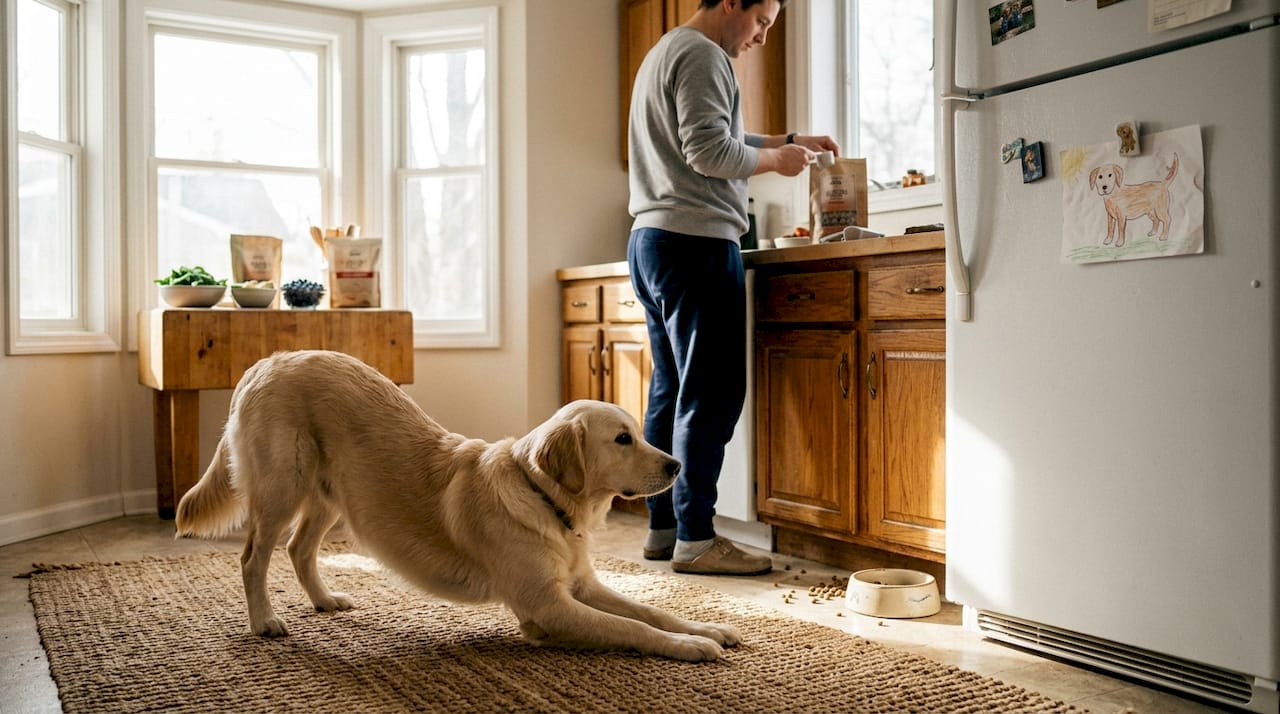
Watching your dog slow down is one of the hardest things as a pet owner. Maybe the morning walks are shorter, the tail wags less frequent, or the spark in their eyes seems dimmer than it used to be. You want real answers, not just another bag of processed kibble. This guide covers the four pillars of natural dog vitality: optimal nutrition, targeted exercise, smart supplementation, and daily lifestyle habits. Every recommendation here is grounded in science and vet-approved thinking, so you can feel confident making changes that genuinely help your dog thrive longer and happier.
Table of Contents
Key Takeaways
Point | Details |
Nutrition is core | Daily nutrient-rich, premium food is the foundation of lasting dog vitality. |
Holistic routine wins | Combine natural food, exercise, and social stimulation for the best results. |
Track and adapt | Regularly monitor your dog’s energy and health signs to optimize the plan. |
Tailor to your dog | Adjust supplements and routines based on age, breed, and unique needs. |
What your dog needs for natural vitality
Now that we’ve set the stage for why dog vitality matters, let’s outline the essentials your dog needs to thrive naturally.
Nutrition is the foundation. A nutrient-dense diet with high-quality proteins, antioxidants like lutein and omega-3s, and key vitamins supports cellular health, joint function, and vision. Without these building blocks, even the most active dog will struggle to maintain energy and resilience over time.
Here’s a quick look at the nutrients that matter most:
Nutrient | Key sources | Primary benefit |
Protein | Chicken, beef, salmon | Muscle repair and energy |
Omega-3 fatty acids | Fish oil, flaxseed | Joint health, coat, inflammation |
Antioxidants (lutein, grape seed) | Berries, leafy greens | Cellular protection, vision |
Vitamins A, C, E | Carrots, sweet potato | Immune support, skin health |
Glucosamine | Bone broth, supplements | Cartilage and joint cushioning |
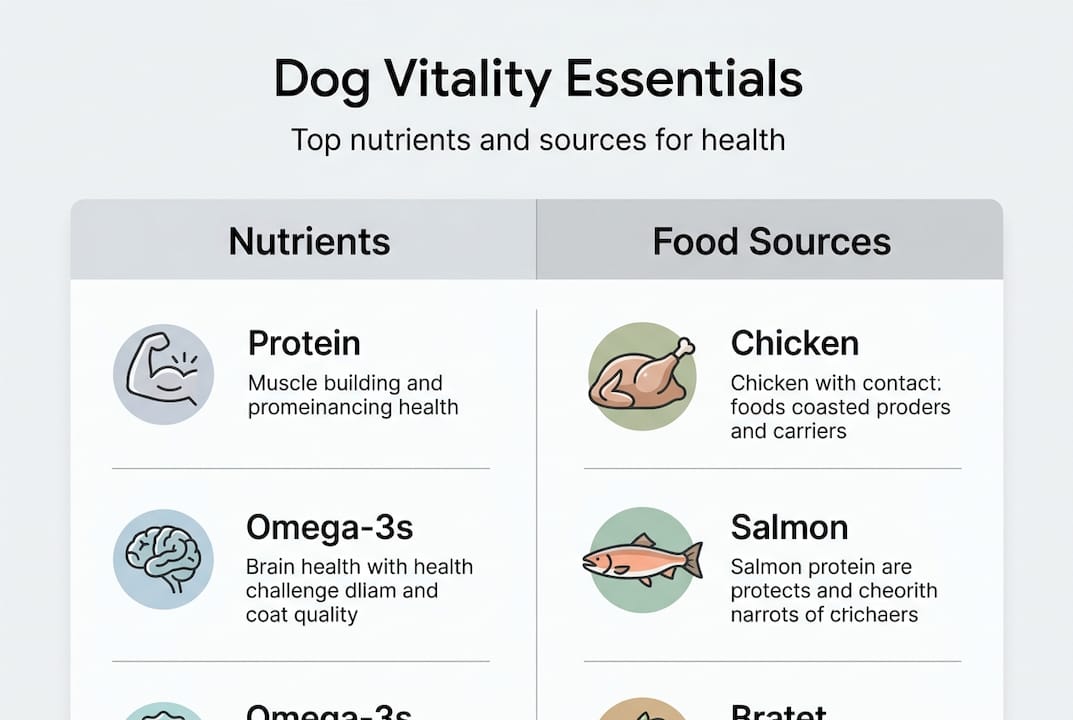
Beyond nutrients, movement and social connection matter too. Research on dog longevity suggests roughly 70% of vitality comes from nutrition and gut health, while the remaining 30% comes from exercise, healthy weight, and social engagement. That ratio might surprise you, but it underscores just how central food quality really is.
Before making any changes, run through this quick readiness checklist:
Is your dog at a healthy weight for their breed?
Are stools firm and consistent (not loose or overly hard)?
Does your dog show interest in play or social interaction?
Are there any known allergies or digestive sensitivities?
You can learn more about how to boost dog vitality naturally with a holistic approach that ties all these factors together.
Pro Tip: Check your dog’s stool daily for the first two weeks of any diet change. Firm, well-formed stools and steady energy levels are your two clearest early signals that the new nutrition is working.
Step-by-step nutrition upgrade: why freeze-dried food leads
Once the foundational needs are clear, the next step is to enhance your dog’s nutrition using the latest science.
Freeze-dried food sits in a sweet spot between raw feeding and the convenience of kibble. It preserves the integrity of whole ingredients without the pathogen risks that come with fully raw diets. Studies comparing food types show that freeze-dried natural foods improve digestibility, boost antioxidant enzyme activity including GST, CAT, and SOD, enhance immunity through higher IgA and IgG levels, and reduce cholesterol and glucose compared to extruded kibble.
Feature | Freeze-dried | Kibble | Raw |
Digestibility | High | Moderate | High |
Antioxidant retention | Excellent | Low | Good |
Pathogen risk | Very low | Very low | Higher |
Convenience | High | Very high | Low |
Nutrient density | Excellent | Moderate | Excellent |
You can dig deeper into the freeze-dried vs. raw comparison or explore the benefits of freeze-dried nutrition in detail. The science on freeze-dried vs. kibble is also worth reviewing if you want a side-by-side breakdown.
Here’s how to transition your dog safely:
Days 1 to 3: Replace 25% of current food with freeze-dried.
Days 4 to 6: Move to a 50/50 mix and observe stool and energy.
Days 7 to 10: Shift to 75% freeze-dried, 25% old food.
Day 11 onward: Full transition to freeze-dried if no digestive issues.
Important: Always choose freeze-dried over fully raw if food safety is a concern, especially for puppies, seniors, or immunocompromised dogs. Freeze-dried processing eliminates most pathogens while keeping nutrients intact.
Signs your dog is adapting well include firmer stools, increased energy within 10 to 14 days, shinier coat, and a more enthusiastic appetite. You can also track how freeze-dried food and dog immunity improve together over the first month.
Exercise, weight management, and social well-being
Nutrition sets the stage, but longevity also depends on physical and mental well-being. Here’s how to make it actionable.
Daily exercise of at least 30 minutes promotes cognitive health, reduces obesity risk, and directly supports a longer, more active life. That’s not a suggestion. It’s a benchmark backed by longevity research.
Here’s a simple weekly activity plan to build from:
Monday, Wednesday, Friday: 30-minute brisk walk plus 10 minutes of fetch or tug.
Tuesday, Thursday: Shorter 20-minute walk with sniff breaks (mental stimulation counts).
Saturday: Longer outing, dog park visit, or trail walk.
Sunday: Rest or light play at home.
For weight management, gradual activity increases paired with joint supplements protect mobility, especially for larger breeds. You can check your dog’s weight at home using the rib test: run your fingers along their ribcage. You should feel the ribs easily without pressing hard, but not see them prominently. If you can’t feel them at all, it’s time to adjust portions and activity.
Statistic callout: Dogs that get at least 30 minutes of daily exercise show measurably better cognitive function and reduced rates of obesity-related illness, according to dog longevity research.
Social interaction and mental stimulation also reduce cognitive decline and stress-related health issues. Rotate activities to keep things fresh. New routes, puzzle feeders, and playdates with other dogs all count.
Pro Tip: Swap out mental games every two weeks. Dogs adapt quickly, and novelty keeps their brains engaged. A bored dog is more likely to overeat, develop anxiety, or become sedentary.
For a full breakdown of how daily habits connect to lifespan, the vet-approved vitality guide is a great next read.
Supplements and targeted support for every stage
Even with great nutrition and exercise, some dogs need extra support, especially as they age or face special challenges.
The four supplements most consistently supported by veterinary guidance are:
Probiotics: Improve gut microbiome balance, reduce digestive upset, and support immune function.
Omega-3 fatty acids: Reduce inflammation, support skin and coat health, and protect joint tissue.
Glucosamine: Cushions joints and slows cartilage breakdown, especially important for large breeds and seniors.
Multivitamins: Fill nutritional gaps, support energy metabolism, and protect organ function.
Probiotics, omega-3s, glucosamine, and multivitamins are vet-approved for seniors and dogs with specific health needs. But the right combination depends on your dog’s age and breed.
Here’s a quick guide by life stage:
Puppies: Focus on DHA (a type of omega-3) for brain and eye development, plus a complete multivitamin.
Adult dogs: Probiotics for gut health, omega-3s for coat and joints, and glucosamine if the breed is large or active.
Senior dogs: Digestive enzymes and probiotics become essential as gut efficiency declines with age. Breeds prone to cataracts or diabetes benefit from targeted antioxidants like lutein and grape seed extract.
Always introduce one supplement at a time and give it two to three weeks before adding another. This way, you can clearly see what’s helping and what isn’t. Your vet can run bloodwork to identify specific deficiencies, which makes the whole process much more precise.
Pro Tip: Keep a simple log of your dog’s energy, stool quality, and coat condition when starting a new supplement. Even a quick daily note on your phone gives you real data to share with your vet.
For guidance on how nutrition and supplements work together, explore immune-boosting diets that support whole-body health.
Tracking results and troubleshooting common mistakes
Implementing these changes is only half the journey. Here’s how to track results and steer clear of the most common mistakes.
You should monitor stool and energy as your primary benchmarks. These two indicators respond faster than coat or weight and give you early feedback on whether the changes are working.
Here are the key signs of improved vitality to watch for:
Increased energy and playfulness within the first two weeks.
Firmer, more consistent stools by day 7 to 10.
Shinier coat and reduced shedding by weeks 3 to 4.
Greater engagement during walks and social interactions.
Healthy appetite without food guarding or disinterest.
Dehydrated and freeze-dried feeds show higher antioxidant enzyme levels and improved immunoglobulin markers, while fresh foods reduce advanced glycation end-products (AGEs) and improve fatty acid metabolism, particularly in seniors. These are measurable biological improvements, not just anecdotal.
Here are the most common mistakes and how to fix them:
Mistake | Why it happens | Solution |
Switching foods too fast | Impatience | Follow the 10-day transition plan |
Skipping supplements | Cost or forgetfulness | Build into daily feeding routine |
Not adjusting exercise | Busy schedule | Start with 10-minute additions |
Ignoring stool changes | Not knowing what to look for | Use the Bristol Stool Scale for dogs |
Overfeeding freeze-dried | Higher caloric density | Follow package guidelines by weight |
If you notice persistent loose stools, lethargy, or loss of appetite after two weeks, consult your veterinarian. These could signal an underlying issue that diet alone won’t fix. For more on how food quality affects results, check out nutrient retention in dog food.
The truth most guides miss about natural dog vitality
Most articles on dog vitality focus on the exciting stuff: the newest supplement, the trending superfood, the latest longevity hack. We get it. Those things are appealing. But after seeing what genuinely moves the needle for dogs, the answer is almost always less glamorous.
Real, lasting vitality is built on daily habits, not monthly purchases. That 70% nutrition and gut health figure isn’t just a statistic. It’s a reminder that what your dog eats every single day matters far more than any one-time addition to their bowl. Consistency over months genuinely does trump one-off quick fixes for genuine dog vitality.
The dogs that thrive longest are the ones whose owners pay attention. They notice the subtle shift in stool quality. They catch the early signs of joint stiffness. They rotate activities before boredom sets in. That kind of engaged, observational care is what holistic dog nutrition actually looks like in practice.
Premium freeze-dried food, daily movement, and thoughtful supplementation work best together. Not as a shortcut, but as a sustained commitment. If you’re willing to stay consistent, the results will follow.
Ready for the next step in your dog’s natural vitality?
You now have a clear, science-backed roadmap for supporting your dog’s health from the inside out. The next practical step is choosing a food that actually delivers on the promise of premium, natural nutrition.
At Loyal Saints Pets, our freeze-dried dog food is crafted from human-grade whole ingredients, with no fillers, no additives, and full AAFCO compliance. Every formula is designed to support the vitality, muscle strength, and longevity your dog deserves. Visit our why freeze-dried matters page to see the science behind our approach, or head straight to our shop freeze-dried dog food page to find the right formula for your dog’s age, size, and needs. More tail wags are coming.
Frequently asked questions
How soon can I see improvements in my dog’s vitality after switching to natural food?
Most owners notice energy, coat, and digestion improvements within 2 to 4 weeks of a nutrition upgrade. Stool quality and energy levels are the fastest benchmarks to watch during the transition.
Is freeze-dried food safe for all dog breeds and ages?
Freeze-dried food is safe for most breeds and life stages, but consult your veterinarian for puppies, seniors, or dogs with medical conditions. While freeze-dried offers superior digestibility and antioxidant benefits over kibble, individual health needs always come first.
What supplements should I add to a natural diet for my dog?
Probiotics, omega-3s, and glucosamine are the most commonly recommended starting points. Always get a vet’s recommendation based on your dog’s age and specific needs, as multivitamins and targeted supplements vary by life stage.
How much exercise does my dog need to maximize vitality naturally?
A minimum of 30 minutes of daily exercise is recommended for optimal cognitive and physical health. Mixing structured walks with mental stimulation activities gives you the best results.
Should I add antioxidants to my dog’s diet?
Yes, antioxidants like omega-3s and grape seed extract support cellular health, especially for senior dogs. A nutrient-dense diet with antioxidants like lutein and grape seed extract is particularly valuable for dogs with vision concerns or elevated inflammation risk.
Recommended
Comments