.png)
Nutrition’s Impact on Pet Longevity and Vitality
- Nick Willkom
- Jan 25
- 11 min read


Finding the ideal food for your dog often feels more complicated than choosing your own breakfast in the heart of the city. Prioritizing your companion’s health and longevity means more than just filling a bowl, it means supporting energy, sharpness, and vibrant years together. With research confirming that nutrition significantly influences pet metabolism and wellbeing, you gain real control over your dog’s quality of life when you opt for whole, natural freeze-dried foods that keep every ingredient working for their benefit.
Table of Contents
Key Takeaways
Point | Details |
Nutrition Crucial for Longevity | A dog’s diet significantly impacts both lifespan and healthspan, making high-quality nutrition essential for a vibrant life. |
Individualized Nutrition Plans | Tailoring nutrition to a dog’s specific needs based on age, activity, and health concerns supports overall wellbeing. |
Whole, Natural Ingredients | Choosing whole foods over processed options enhances nutrient absorption and reduces toxins, leading to improved health outcomes. |
Proactive Dietary Management | Implementing targeted nutrition can manage age-related diseases, enhancing both longevity and quality of life for aging dogs. |
Defining Pet Longevity and Nutrition’s Role
When we talk about pet longevity, we’re really talking about how long your dog lives and how vibrant that life actually is. It’s not just about adding years to your dog’s life, but adding life to those years. Pet longevity encompasses both lifespan (the total number of years) and healthspan (the years spent in good health, with energy, mobility, and mental sharpness). Most health-conscious dog owners focus on extending both, but healthspan matters more because a dog living 15 sedentary, uncomfortable years isn’t the same as a dog living 12 active, joyful ones.
Nutrition plays a starring role in determining your dog’s longevity and vitality. Your dog’s diet directly influences metabolism, energy levels, muscle maintenance, immune function, and cognitive health. When you feed your dog whole, nutrient-dense foods, you’re essentially giving their body the building blocks it needs to repair itself, fight disease, and maintain youthful function longer. Research shows that nutrition significantly influences pet metabolism and overall wellbeing, making it one of the most controllable factors in extending both lifespan and quality of life. This is especially true for urban dog owners seeking premium nutrition options, where the choice to invest in high-quality, freeze-dried foods directly translates to better health outcomes for your companion.
The key insight here is that every dog is different. A 2-year-old active dog needs different nutrition than a 10-year-old senior. A dog with food sensitivities needs something entirely different from a dog with a cast-iron stomach. Rather than one-size-fits-all kibble, veterinary nutrition guidelines emphasize that individualized nutrition plans tailored to each dog’s needs support health and longevity. This means considering your dog’s age, activity level, body condition, any health concerns, and personal dietary preferences. When nutrition is optimized for your specific dog, you’re not just feeding them, you’re actively extending their healthspan and building a foundation for a longer, more vibrant life together.
Pro tip: Document your dog’s energy levels, coat quality, and overall vitality now, then track how these improve over 8 to 12 weeks after switching to premium, whole-ingredient nutrition, giving you concrete evidence of what proper feeding actually delivers.
Nutritional Components Influencing Lifespan
Your dog’s body is essentially built from what you feed it. While the concept sounds simple, the actual mechanics are remarkably precise. Every cell, every enzyme, every immune response depends on specific nutrients working in harmony. When you understand which nutritional components matter most, you gain real power over your dog’s healthspan and longevity. The main players are proteins, fats, vitamins, and minerals, and each one serves critical functions that directly impact how long your dog lives and how well they live during those years.
Proteins form the foundation of your dog’s muscles, organs, skin, and immune system. As your dog ages, maintaining muscle mass becomes increasingly difficult because dogs naturally lose muscle tissue over time, a condition called sarcopenia. High-quality proteins with complete amino acid profiles help slow this decline and support lean muscle maintenance into senior years. Fats deserve special attention because they’re not the enemy many people assume. Dogs need specific fatty acids like omega-3 and omega-6 to support brain health, reduce inflammation, and maintain skin and coat vitality. Balanced nutrition with appropriate protein and fat levels plays a vital role in maintaining metabolic health and preventing diseases that cut lifespan short. When you choose freeze-dried foods with whole muscle meat and healthy fat sources, you’re providing exactly what your dog’s body needs to function optimally through every life stage.
Vitamins and minerals act like the body’s management team. They orchestrate everything from bone strength to cognitive function to immune response. A deficiency in just one vitamin or mineral can set off a chain reaction of health problems. B vitamins support energy metabolism and nervous system function. Calcium and phosphorus work together to maintain bone integrity, particularly critical for large breed dogs prone to joint issues. Antioxidants like vitamins E and C fight cellular damage that accelerates aging. The challenge with many commercial kibble options is that processing damages heat-sensitive vitamins, requiring synthetic replacements. Species-specific nutrient recommendations address essential components that sustain life and health in dogs, and premium freeze-dried foods preserve these nutrients in their natural, bioavailable forms.
The timing of nutrition matters just as much as the composition. A growing puppy needs different nutrient ratios than an adult dog, and a senior dog has yet different requirements. Strategic nutrition at each life stage builds a stronger foundation for longevity. An 8-week-old puppy fed complete, balanced nutrition develops stronger bones, healthier joints, and a more robust immune system. An adult dog receiving optimized nutrition maintains that strength. A senior dog on properly formulated nutrition experiences slower cognitive decline and better mobility. This is why feeding your specific dog’s needs, rather than a generic formula, directly extends both lifespan and quality of life.
Here’s how nutrition needs shift throughout a dog’s life stages:
Life Stage | Primary Nutrition Focus | Key Nutrient Adjustments | Typical Health Goals |
Puppy | Growth and development | Higher protein, calcium | Build strong bones |
Adult | Maintenance and energy | Balanced protein, fat | Sustain lean muscle |
Senior | Aging support | Added antioxidants, tailored protein | Preserve organ function |
Pro tip: Check the ingredient label for named meat sources (chicken, beef, lamb) in the first ingredients and look for added vitamins like vitamins A, D, and E, ensuring your freeze-dried food delivers both the whole-food nutrients and the micronutrients your dog needs for maximum longevity.
How Diet Supports Immune and Organ Health
Your dog’s immune system is essentially their internal security team, working 24/7 to identify and eliminate threats before they become serious problems. But that security team only performs as well as the resources you give them. Diet directly fuels immune function, influencing whether your dog catches every illness going around or bounces back quickly when exposed to germs. Similarly, organs like the liver, kidneys, heart, and digestive tract depend entirely on the nutrients you provide to perform their critical functions. When nutrition is optimized, these systems work in harmony, keeping your dog healthy and extending lifespan. When nutrition falls short, even slightly, these systems begin to falter, opening the door to chronic diseases that chip away at vitality and years.
The gut is where immune strength begins. Roughly 70 percent of your dog’s immune system lives in the gastrointestinal tract, where beneficial bacteria form a protective barrier against harmful pathogens and support nutrient absorption. When you feed how macronutrients support dog immune systems, you’re not just filling their stomach, you’re actively strengthening that immune barrier. High-quality proteins provide amino acids that build antibodies. Specific fatty acids reduce inflammation and support immune cell function. Vitamins and minerals like vitamin E, zinc, and selenium act as immune system amplifiers. Freeze-dried foods made from whole ingredients preserve these immune-supporting nutrients in their most bioavailable forms, meaning your dog’s body actually absorbs and uses them rather than watching them pass through unused. Proper nutrition supports immune function and maintains optimal organ health, reducing the risk of chronic diseases that compromise longevity.
Organs need specific nutrients to maintain function as your dog ages. The liver is your dog’s detoxification powerhouse, filtering waste and converting nutrients into usable forms. It requires B vitamins, antioxidants, and high-quality protein to regenerate its cells. The kidneys filter metabolic waste from the bloodstream, a critical job that becomes harder with age. Proper nutrition supports kidney health and may slow age-related kidney decline. The heart depends on amino acids, omega-3 fatty acids, and minerals like potassium and magnesium to maintain a strong, steady rhythm. The pancreas produces digestive enzymes and regulates blood sugar, requiring steady, balanced nutrition to avoid dysfunction. When diet lacks quality or becomes imbalanced, organs gradually lose efficiency, and disease risk skyrockets.

Tailored nutrition becomes increasingly important in senior years when organ systems naturally decline. A dog approaching their final years benefits enormously from dietary recommendations that maintain healthy body condition and support organ function. This means slightly different protein ratios, added antioxidants, and nutrients specifically chosen to ease stress on aging kidneys or support cognitive function. Premium freeze-dried foods allow you to adjust nutrition precisely for your aging dog’s changing needs, extending not just lifespan but meaningful, comfortable years together.
Pro tip: Introduce any new food gradually over 7 to 10 days, mixing increasing amounts of the premium freeze-dried option with current food so your dog’s digestive system adjusts smoothly and beneficial gut bacteria establish themselves.
Managing Age-Related Diseases With Food
Here’s a reality most dog owners face eventually: your dog ages, and with that aging comes disease. Arthritis stiffens joints. Kidney function declines. Blood sugar regulation becomes harder. Heart efficiency drops. These aren’t character flaws or signs you’ve failed as a pet parent. They’re simply part of aging in dogs, just as they are in humans. But here’s what surprises many people: food can actually slow, reduce, or sometimes even reverse the progression of these age-related diseases. The right nutrition doesn’t just add years to your dog’s life. It adds quality to those years by keeping diseases manageable and symptoms minimal.
Kidney disease is one of the most common conditions affecting senior dogs, and diet is literally the primary treatment tool veterinarians use to manage it. When kidneys weaken, they struggle to filter waste from the blood, and waste builds up to toxic levels. A therapeutic diet adjusted for kidney disease means controlled protein levels (not eliminated, but carefully balanced), reduced phosphorus, and optimized sodium. Similarly, diabetes in dogs responds dramatically to nutrition changes. Switching from carbohydrate-heavy processed kibble to high-protein, low-carbohydrate whole foods helps stabilize blood sugar and can reduce or eliminate the need for insulin injections in some cases. Therapeutic diets manage age-related diseases by supporting organ health and reducing disease symptoms in elderly dogs. Joint disease and arthritis plague many older dogs, particularly larger breeds. Omega-3 fatty acids, glucosamine, and strategic protein levels reduce inflammation and support cartilage integrity, keeping your dog mobile longer.
Obesity is both a disease itself and a catalyst for many others. Overweight senior dogs develop joint problems faster, experience more heart strain, and have higher diabetes risk. Managing weight through proper nutrition becomes critical for aging dogs. Dietary adjustments tailored to health status slow disease progression and enhance longevity, particularly when combined with appropriate calories and nutrient density. Freeze-dried whole-food diets help here because they’re more nutrient-dense than kibble, meaning your dog gets complete nutrition in smaller portions, naturally supporting healthy weight without calorie restriction that leaves them hungry.
The power of therapeutic nutrition lies in its specificity. Your 12-year-old dog with early kidney decline needs something completely different from your 8-year-old healthy adult. Your dog with arthritis needs different support than your dog with diabetes. Standard kibble cannot address these individual needs. Premium freeze-dried foods offer flexibility. You can select formulas rich in specific nutrients for specific conditions, and adjust portions based on your dog’s current health status. This personalized approach transforms food from simple fuel into medicine, actively fighting the diseases trying to steal your dog’s comfort and vitality in their golden years.
Pro tip: Work with your veterinarian to identify your aging dog’s specific health risks based on breed and family history, then choose freeze-dried foods formulated to address those conditions before they develop, giving you preventive power you simply don’t have with generic kibble.
Benefits of Whole, Natural Ingredients for Pets
There’s a fundamental difference between feeding your dog and nourishing your dog. Feeding means putting calories in their stomach. Nourishing means providing the actual building blocks their body needs to thrive. Whole, natural ingredients do the second thing. When you choose foods made from recognizable whole foods, you’re giving your dog access to nutrients in their most potent, usable form. A chicken breast contains not just protein, but also naturally occurring vitamins, minerals, beneficial fats, and enzymes that work together synergistically. Your dog’s body recognizes these ingredients and absorbs them efficiently. Contrast that with synthetic vitamins added to kibble, which your dog’s digestive system must work harder to utilize. The difference compounds over years, translating into better energy, clearer eyes, shinier coats, and ultimately, extended lifespan.
Bioavailability is the secret weapon of whole-food nutrition. It’s a fancy term for a simple concept: how much of what you feed your dog actually gets absorbed and used by their body. A freeze-dried whole chicken meal has dramatically higher bioavailability than the same amount of chicken by-product meal in kibble. Your dog needs less food to get the same nutrition because less is wasted passing through unabsorbed. This matters enormously for your wallet, but more importantly, it matters for your dog’s health. Whole, natural ingredients provide superior nutrient density and bioavailability, supporting metabolic and organ health. When every bite counts nutritionally, your dog’s body gets what it truly needs without the filler, without the processing damage, without the synthetic substitutes.
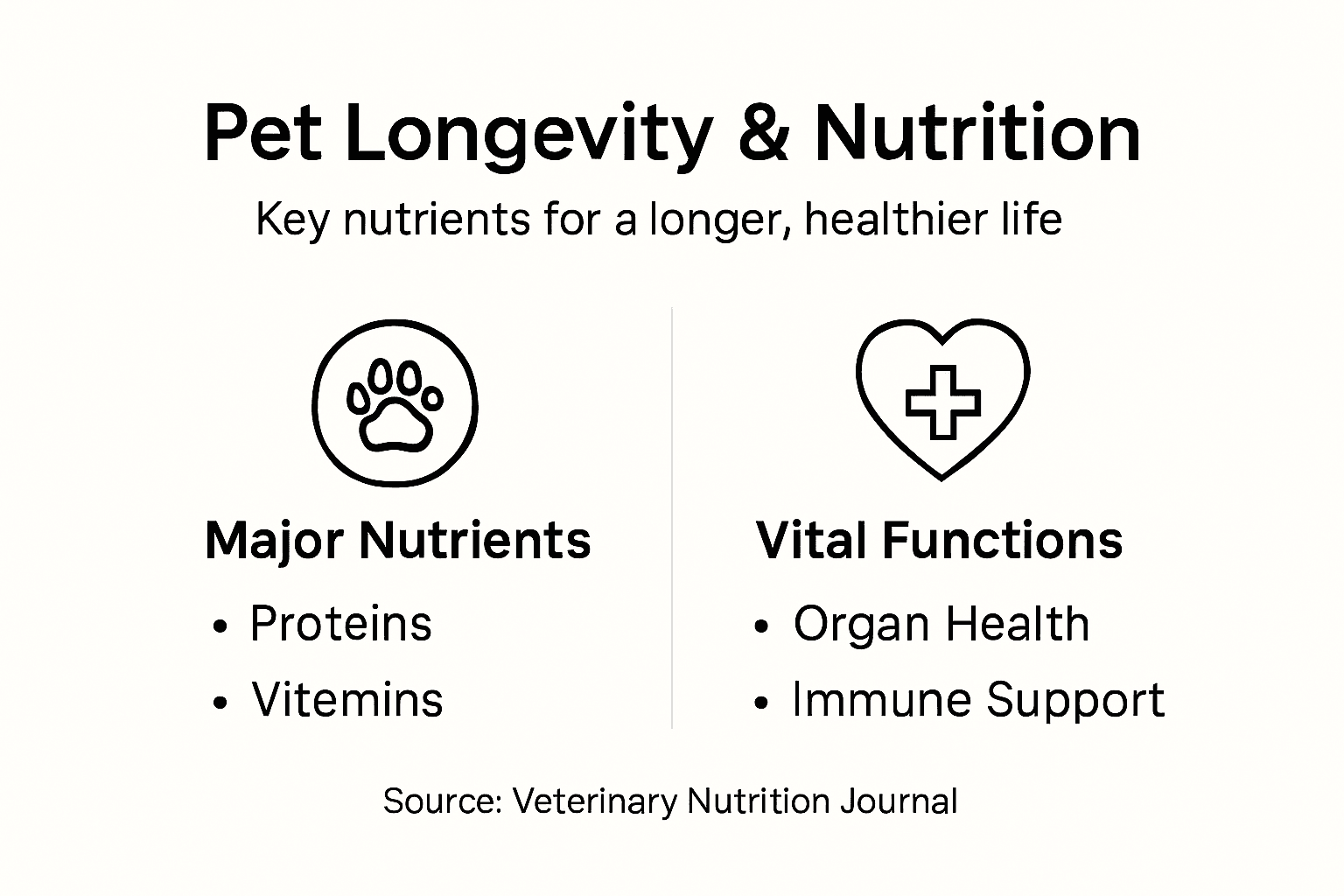
Processing destroys nutrients. Heat, pressure, and chemical additives used to create kibble damage heat-sensitive vitamins, oxidize beneficial fats, and reduce enzyme activity. Freeze-drying, by contrast, removes moisture while preserving the nutritional integrity of whole ingredients. Your dog gets real meat, real vegetables, real fruits with their nutrients intact. This translates to better digestion because the food is closer to what your dog’s ancestral body evolved to process. It means better immune function because whole foods contain compounds that processed foods lose entirely. Whole, natural ingredients support optimal digestion and immune function, translating into enhanced longevity and vitality. For health-conscious dog owners, this difference is why premium freeze-dried foods cost more upfront but deliver more value because your dog thrives on less.
The absence of synthetic additives matters more than many people realize. Artificial preservatives, colors, and flavor enhancers stress your dog’s liver and kidneys as their body works to eliminate these foreign substances. Over 12 to 15 years, this adds up. Natural ingredients eliminate this burden entirely. Your dog’s organs stay focused on their actual job instead of detoxifying unnecessary chemicals. This is particularly critical for senior dogs whose organ function is already declining. Whole, natural ingredients reduce the toxic load your aging dog must process, preserving organ function and extending healthspan dramatically.
Compare effects of whole-food vs. processed diets on canine health:
Diet Type | Nutrient Absorption | Impact on Organs | Longevity Potential |
Whole-food, natural | High bioavailability | Less toxic load | Longer, healthier lifespan |
Processed (kibble) | Low bioavailability | Greater detox burden | Increased disease risk |
Pro tip: When transitioning to whole-food nutrition, look at ingredient lists for named meat sources listed first (chicken, beef, fish), then whole vegetables and fruits, with no mysterious by-products or synthetic additives, ensuring maximum nutritional benefit for your investment.
Unlock Your Dog’s True Potential with Nutrition Tailored for Longevity and Vitality
Are you ready to take control of your dog’s health and actively extend their vibrant years? The challenges of finding the right nutrition tailored to your dog’s unique needs can feel overwhelming. Between supporting muscle maintenance, boosting immune function, and managing age-related conditions, it takes more than generic food to keep your beloved companion thriving. That is why choosing nutrient-dense, whole-ingredient options is crucial to improve vitality and promote a longer, happier life.
Discover how our premium Bundles | Loyal Saints offer precisely balanced freeze-dried meals made from high-quality proteins like those featured in our Beef | Loyal Saints category. These meals deliver bioavailable nutrients that support every life stage and help manage health challenges naturally. Act now to provide your dog with nutrient-rich, additive-free food designed to fuel their healthspan. Visit https://loyalsaintspets.com and start your dog’s journey to a more energetic and longer life today.
Frequently Asked Questions
How does nutrition affect my dog’s longevity?
Proper nutrition directly influences your dog’s metabolism, energy levels, immune function, and overall health, which is essential for extending both lifespan and healthspan.
What should I consider when choosing food for my aging dog?
When selecting food for an aging dog, consider their specific needs, including their age, activity level, health concerns, and dietary preferences. Tailored nutrition can help maintain organ function and quality of life.
Are freeze-dried foods better for my dog’s health compared to regular kibble?
Yes, freeze-dried foods often have higher bioavailability, meaning the nutrients are more easily absorbed by your dog’s body. They usually contain whole, natural ingredients without the processing damage seen in kibble.
Can the right diet help manage age-related diseases in dogs?
Absolutely. A properly formulated diet can slow or even help manage age-related diseases like kidney disease, diabetes, and arthritis, enhancing your dog’s comfort and quality of life.
Recommended
Comments