.png)
Step-by-step dog nutrition guide for vitality in 2026
- wix mentor

- Mar 16
- 9 min read

Your dog’s health starts on their plate. Over 50% of dogs in the US are overweight or obese, and poor nutrition is the primary culprit behind this epidemic. Even more alarming, obese dogs live 2.5 years less than their healthy counterparts. Premium, balanced nutrition isn’t a luxury for your furry family member; it’s essential for vitality and longevity. This guide walks you through a clear, step-by-step process to optimize your dog’s diet using natural, nutrient-rich ingredients that support muscle strength, digestive health, and an active lifestyle well into their senior years.
Table of Contents
Key takeaways
Point | Details |
Balanced nutrients are essential | Dogs need precise protein, fat, fiber, calcium, and phosphorus ratios for optimal health and longevity. |
Obesity shortens lifespan | More than half of US dogs are overweight, reducing their life expectancy by up to 2.5 years. |
Quality protein supports vitality | High-quality protein and essential fatty acids promote muscle maintenance, joint health, and extended lifespan. |
Tailor diet by life stage | Nutritional needs vary significantly between puppies, adults, seniors, and activity levels. |
Gradual transitions prevent upset | Slowly introducing new foods with probiotics ensures smooth digestive adaptation and long-term success. |
Understanding dog nutrition basics: essential nutrients and their roles
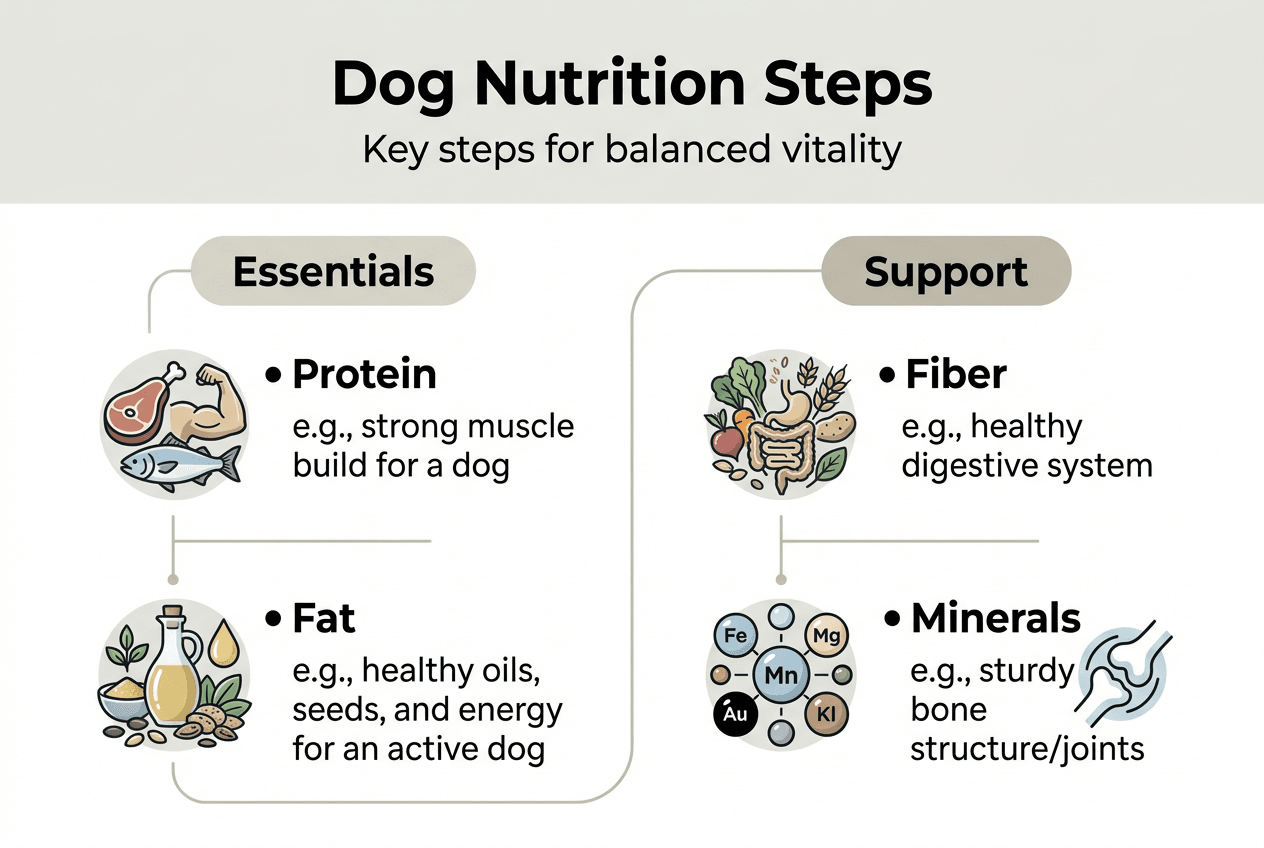
Every dog needs a foundation of core nutrients to thrive. Protein is the cornerstone, supporting muscle maintenance and cellular repair throughout your dog’s life. Adult dogs generally do best when protein makes up about 18–25%, while active or working dogs need closer to 22–28% to fuel their energy demands. The quality of that protein matters just as much as the quantity; whole meat sources deliver complete amino acid profiles that plant proteins can’t match.
Fat provides concentrated energy and supports absorption of fat-soluble vitamins. Healthy dog diets usually sit around 10–15% fat, though very active dogs can handle more without weight gain. Essential fatty acids like omega-3 and omega-6 reduce inflammation, support joint mobility, and keep skin and coat healthy. You’ll see the difference in your dog’s glossy fur and comfortable movement.
Fiber often gets overlooked, but it’s critical for digestive regularity and gut health. A fiber range of about 3–5% helps regulate digestion and produces firm, healthy stools. Too little fiber can cause constipation; too much can interfere with nutrient absorption and create loose stools.
Calcium and phosphorus work together to build strong bones and teeth. The calcium to phosphorus ratio should be between 1:1 and 2:1 to prevent skeletal issues, especially in growing puppies. An imbalance in either direction can lead to bone malformation or metabolic problems that affect your dog’s mobility and comfort for life.
Understanding why protein quality matters and how calcium and phosphorus support bone strength gives you the knowledge to evaluate any diet. These nutrients form the blueprint for every meal decision you make.
Key nutrient targets to remember:
Protein: 18–25% for adults, 22–28% for active dogs
Fat: 10–15% baseline, higher for working dogs
Fiber: 3–5% for optimal digestion
Calcium to phosphorus: 1:1 to 2:1 ratio
Essential fatty acids: omega-3 and omega-6 for longevity
With this nutrient overview established, we can move into preparing the right ingredients and meals step by step.
Preparing quality ingredients and tools for premium dog nutrition
Now that you know the essential nutrients, let’s gather premium ingredients and the right tools to start crafting your dog’s meals. The foundation of excellent nutrition starts with ingredient selection. Choose dog food with real meat, essential nutrients, and no artificial additives to keep your pet healthy and active. Whether you’re preparing meals at home or selecting commercial options, this principle never changes.
Start with protein sources that deliver complete amino acid profiles. Chicken, beef, turkey, fish, and lamb are excellent choices when sourced from reputable suppliers. Avoid mystery meats or generic “poultry meal” that could include low-quality byproducts. Your dog deserves the same quality you’d put on your own table.
Carbohydrate sources provide energy and fiber. Sweet potatoes, brown rice, quinoa, and oats offer steady energy release without blood sugar spikes. These whole food sources also contribute vitamins and minerals that processed grains can’t match. Vegetables like carrots, green beans, and spinach add micronutrients and antioxidants that support immune function.
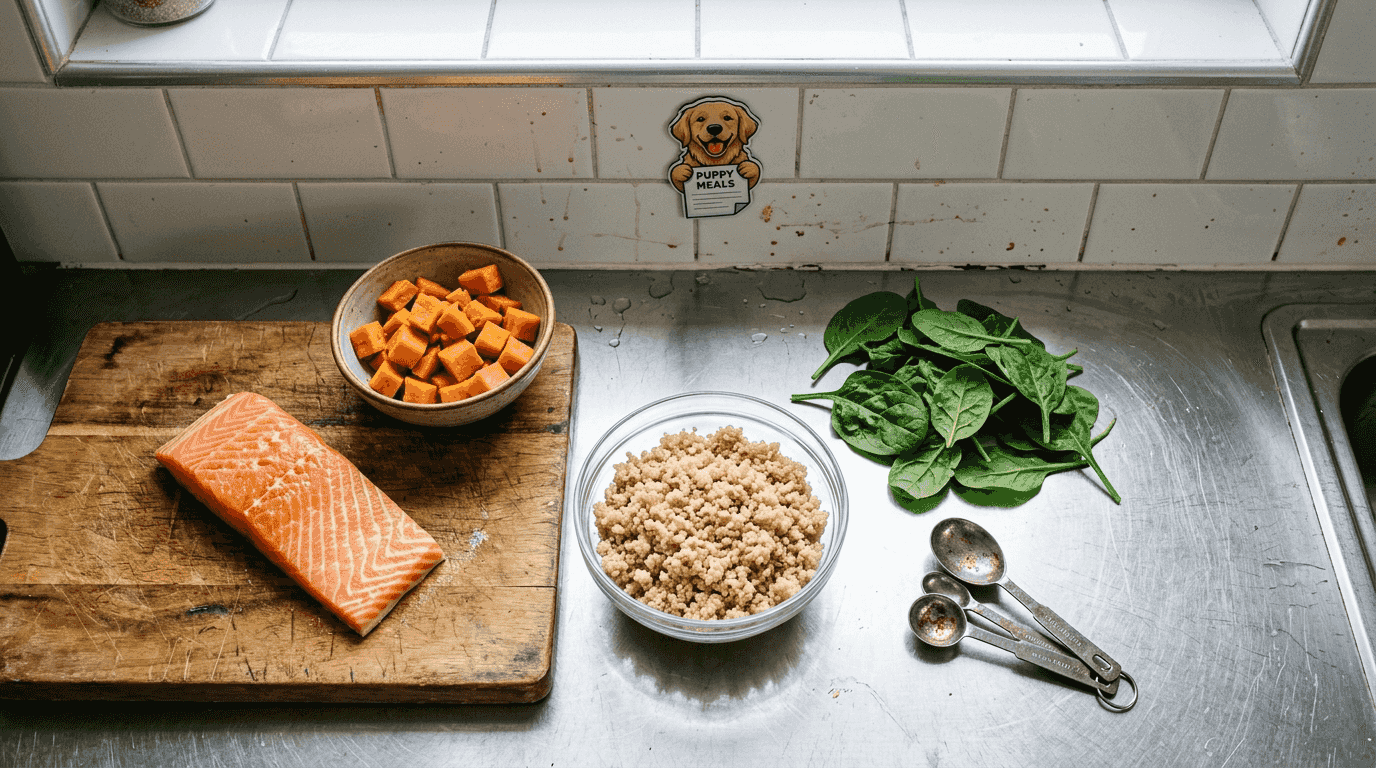
Essential fatty acids come from fish oil, flaxseed, and quality animal fats. Omega-3 fatty acids reduce joint inflammation and support brain health, particularly important as dogs age. Omega-6 fatty acids maintain skin barrier function and coat quality. You’ll notice the difference in how your dog moves and looks within weeks of optimizing these fats.
Essential kitchen tools for meal preparation:
Digital kitchen scale for precise portion measurement
Measuring cups and spoons for consistency
Food processor for grinding or mixing ingredients
Airtight storage containers to preserve freshness
Reliable recipe reference or nutrition calculator
Avoid cheap foods that rely on excess fat for taste while skimping on quality protein and micronutrients. Reading ingredient labels becomes second nature once you know what to look for. The first three ingredients should be recognizable whole foods, not chemical compounds or fillers.
Pro Tip: Freeze-dried options can preserve nutrient integrity while saving prep time, offering convenience without sacrificing quality for busy pet parents.
Exploring examples of balanced dog diets and following a comprehensive balanced dog nutrition guide helps you see how these ingredients come together in practice. Quality ingredients are your insurance policy for your dog’s long-term health.
Step-by-step instructions to create balanced meals tailored by life stage and activity
With ingredients ready, follow these precise steps to compose nutritionally balanced meals customized to your dog’s needs. Tailoring nutrition by life stage and activity level makes the difference between adequate feeding and optimal health.
Step 1: Determine life stage and activity level. Puppies have different needs than adults or seniors. Dogs need at least 18% protein as adults, 22% as puppies to support their rapid growth and development. Assess whether your dog is sedentary, moderately active, or working/highly active. This assessment drives every subsequent decision.
Step 2: Calculate protein percentage targets. Adult dogs maintaining normal activity need 18–22% protein. Puppies and pregnant or nursing dogs require 22–25%. Highly active or working dogs perform best with 25–28% protein to support muscle recovery and sustained energy output. Use these ranges as your baseline.
Step 3: Set fat percentage based on energy needs. Active dogs need 10-15% fat minimum, working dogs might need 20% or more to fuel their activity without losing condition. Sedentary or senior dogs often do better at the lower end to prevent weight gain. Monitor body condition and adjust accordingly.
Step 4: Include fiber and balance minerals. Target 3–5% fiber from vegetables and whole grains. Ensure calcium and phosphorus maintain their critical 1:1 to 2:1 ratio by using bone meal, eggshell powder, or commercially balanced supplements. Never guess at mineral ratios; measure carefully or use pre-formulated supplements.
Step 5: Measure and mix ingredients accurately. Use your kitchen scale to portion proteins, carbohydrates, and supplements according to your calculated percentages. Mix thoroughly to ensure even distribution of nutrients in every serving. Consistency matters for digestive stability.
Step 6: Introduce meals gradually with digestive support. Transition over 7–10 days, mixing increasing amounts of new food with old. Start with 25% new food for two days, then 50% for two days, then 75% for two days, finishing with 100% new diet. Adding probiotics during this transition supports gut bacteria adaptation and prevents digestive upset.
Life Stage | Protein % | Fat % | Fiber % | Special Considerations |
Puppy | 22–25% | 12–18% | 3–4% | Higher calcium needs, frequent meals |
Adult (normal activity) | 18–22% | 10–15% | 3–5% | Maintain ideal weight, monitor portions |
Adult (highly active) | 25–28% | 15–20% | 3–5% | Increased energy demands, recovery support |
Senior | 18–22% | 10–12% | 4–5% | Joint support, easier digestion, lower calories |
Working dogs | 25–28% | 20%+ | 3–5% | Maximum energy, muscle maintenance |
Pro Tip: Adjust fat levels seasonally or with workload changes to maintain ideal weight and coat condition, increasing in winter or during heavy work periods.
Learning how to create balanced meal plans and understanding high protein diet benefits helps you fine-tune these ratios for your specific dog. Every dog is an individual; these guidelines provide the framework for customization.
Troubleshooting common mistakes and ensuring diet success
Equipped with meal preparation knowledge, you’re now ready to troubleshoot and optimize your dog’s diet for lifelong health. Even well-intentioned pet parents make mistakes that undermine their dog’s nutrition and longevity.
Overfeeding remains the most common error. Portion sizes should match your dog’s ideal weight and activity level, not their appetite. Free feeding or giving in to begging leads to obesity, which affects over half of American dogs and steals years from their lives. Measure every meal and resist those pleading eyes.
Calcium imbalance creates serious problems, especially in growing puppies. Too much calcium can cause skeletal problems including malformed bones and joint issues that cause lifelong pain. Large breed puppies are particularly vulnerable. Never supplement calcium without veterinary guidance or a proven recipe.
Abrupt diet changes shock the digestive system. Diet changes should be made gradually, and a probiotic can be given during the transition period to support beneficial gut bacteria. Rushing this process causes diarrhea, vomiting, and food refusal that makes dogs associate new foods with discomfort.
Treats often sabotage otherwise balanced diets. Keep treats under 10% of daily calories and choose healthy options like carrots, snap peas, or small pieces of lean meat. Commercial treats frequently contain excessive fat, sugar, and empty calories that add up quickly.
Common mistakes vs. best practices:
Mistake | Consequence | Best Practice |
Free feeding or overfeeding | Obesity, shortened lifespan by 2.5 years | Measure portions, feed scheduled meals |
Excessive calcium supplementation | Skeletal deformities in puppies | Follow proven recipes, consult vet |
Abrupt diet changes | Digestive upset, food refusal | Transition over 7-10 days with probiotics |
High-calorie treats | Weight gain, nutrient imbalance | Limit to 10% calories, choose vegetables |
Ignoring body condition | Unnoticed weight changes | Weekly weight checks, adjust portions |
Watch for signs of nutritional problems. Chronic diarrhea, vomiting, unexplained weight changes, dull coat, or low energy indicate something needs adjustment. Consult a veterinarian if the dog has chronic diarrhea or stomach upset that persists beyond the transition period. These symptoms might signal food sensitivities, underlying health issues, or recipe imbalances that need professional evaluation.
Warning signs requiring veterinary consultation:
Persistent digestive issues lasting more than two weeks
Unexplained weight loss or gain despite controlled portions
Dull, brittle coat or excessive shedding
Lethargy or reduced activity level
Repeated vomiting or bloody stools
Understanding how balanced nutrition impacts dog health empowers you to recognize when something isn’t working. Your dog can’t tell you when they feel off; you have to read the signs their body provides. Trust your instincts and seek professional guidance when needed.
Explore premium natural dog food options with Loyal Saints
After learning how to craft balanced meals, consider exploring premium freeze-dried options from Loyal Saints to support your dog’s health effortlessly. Our freeze-dried dog food preserves natural nutrients and flavor while offering the convenience busy pet parents need. Every product is formulated with real meat and essential nutrients that align perfectly with the principles you’ve learned in this guide.
Shopping with Loyal Saints means choosing premium, balanced nutrition without compromise. Our products meet AAFCO standards and deliver the protein quality, essential fatty acids, and mineral balance your dog needs for vitality and longevity. Visit our Why Freeze Dried? page to discover how this preservation method maintains nutrient integrity better than traditional processing. Ready to upgrade your dog’s nutrition? Explore our shop for a variety of high-quality, natural dog food options that make premium nutrition simple.
Frequently asked questions
What percentage of protein should my adult dog have in its diet?
Adult dogs generally do best when protein makes up about 18–25% of their diet, depending on activity level. Sedentary dogs thrive at the lower end, while active dogs need closer to 25% to support muscle maintenance and energy demands. This range ensures adequate amino acids for cellular repair and vitality without excess that stresses the kidneys.
How can I transition my dog to a new diet without upset stomach?
Introduce new food slowly over 7–10 days, mixing increasing amounts with the old diet. Diet changes should be made gradually, and a probiotic can be given during the transition period to support digestive adaptation. Start with 25% new food for two days, then increase to 50%, 75%, and finally 100% to allow gut bacteria time to adjust.
What are signs of nutritional imbalance I should watch for?
Signs include chronic diarrhea, vomiting, unexplained weight loss or gain, dull coat, and low energy. Consult a veterinarian if the dog has chronic diarrhea or stomach upset lasting more than two weeks. Persistent issues warrant professional evaluation to adjust the diet or diagnose underlying health concerns that might require medical intervention.
Can I use freeze-dried dog food as a complete diet?
Yes, freeze-dried dog food formulated to meet AAFCO standards provides complete and balanced nutrition. This preservation method maintains nutrient integrity better than high-heat processing while offering convenience. Rehydrate according to package directions or feed dry as a nutrient-dense option that supports the protein, fat, and mineral ratios discussed in this guide.
How do I know if my dog is overweight?
You should feel your dog’s ribs easily with light pressure but not see them prominently. View from above; your dog should have a visible waist behind the ribs. From the side, the abdomen should tuck up behind the rib cage. If you can’t feel ribs or see a waist, your dog likely carries excess weight that threatens their longevity and quality of life.
Recommended
Comments