.png)
Why prioritize minimally processed dog food in 2026
- wix mentor

- Mar 18
- 9 min read
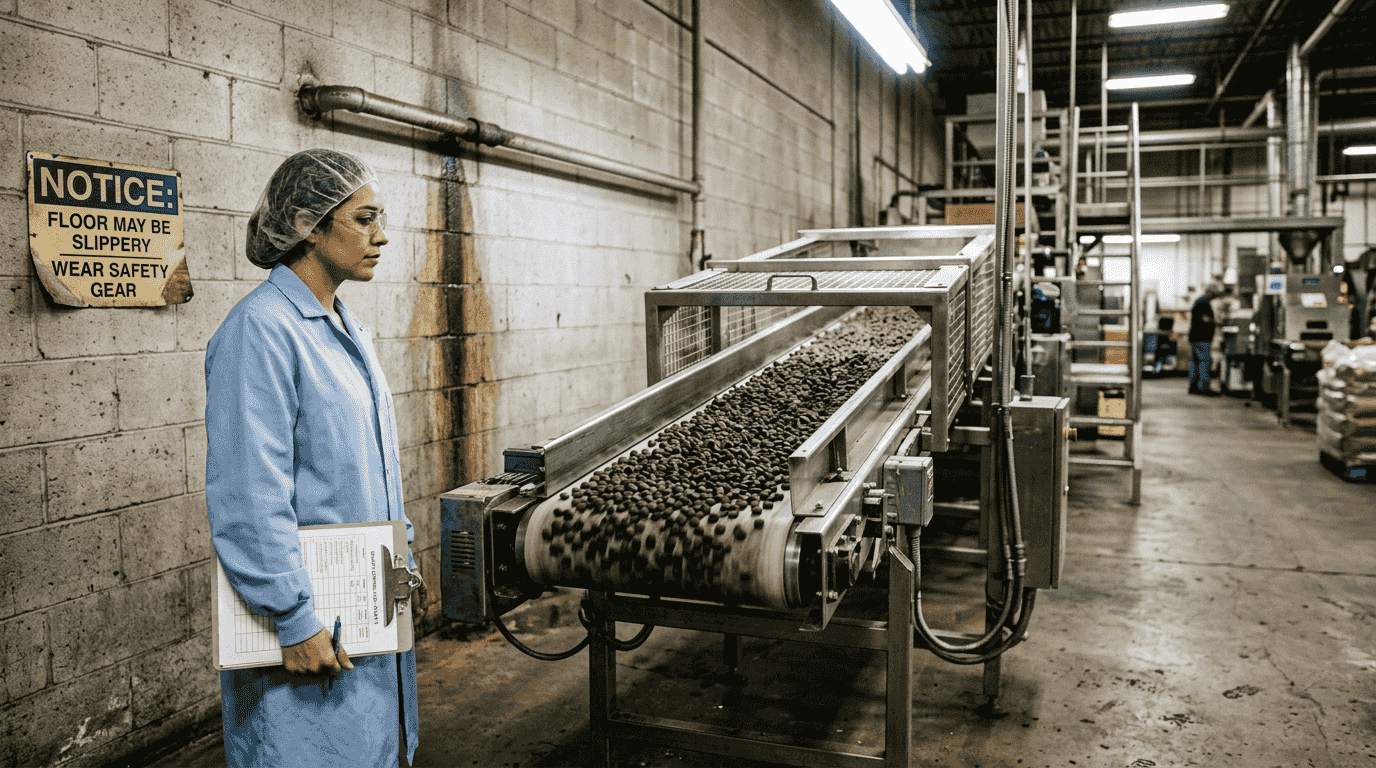
Your dog’s kibble might be slowly harming them. High-heat extrusion used to manufacture most commercial kibble creates advanced glycation end products (AGEs), compounds linked to accelerated aging and chronic diseases in dogs. Meanwhile, minimally processed alternatives like freeze-dried or fresh foods preserve nutrients and support metabolic health. This guide explains the science behind processing risks, reveals how minimally processed diets enhance vitality and longevity, and provides practical steps to safely transition your dog to better nutrition.
Table of Contents
Key takeaways
Point | Details |
AGEs from kibble harm health | High-heat processing creates compounds that accelerate aging and increase chronic disease risk in dogs. |
Fresh diets improve metabolism | Minimally processed foods deliver better amino acid profiles, enhanced ketogenesis, and reduced inflammatory markers. |
Raw diets carry risks | Bacterial contamination and nutrient imbalances require veterinary oversight when feeding raw or home-prepared meals. |
Gradual transitions matter | Switching diets slowly supports digestive adaptation and prevents gastrointestinal upset in sensitive dogs. |
Balanced formulations essential | Commercial minimally processed foods meeting AAFCO standards ensure complete nutrition without guesswork. |
Understanding processing and risks in conventional dog food
Most commercial kibble undergoes extrusion, a manufacturing process that subjects ingredients to temperatures exceeding 300°F under high pressure. This method efficiently produces shelf-stable pellets but fundamentally alters the molecular structure of proteins and carbohydrates. During extrusion, sugars react with proteins to form advanced glycation end products, molecules that accumulate in tissues and trigger oxidative stress.
AGEs are not benign byproducts. Research shows high-heat processing in kibble produces AGEs linked to accelerated aging and chronic diseases in dogs. A 2026 study measuring serum AGE levels in senior dogs found significantly higher concentrations in those fed extruded kibble compared to dogs eating fresh, minimally processed diets. These elevated AGE levels correlate with increased inflammation, impaired organ function, and shortened lifespans.
The health consequences extend beyond aging. AGEs contribute to:
Kidney damage through protein glycation in renal tissues
Vascular inflammation increasing cardiovascular disease risk
Joint deterioration from cartilage protein modification
Insulin resistance affecting glucose metabolism
Cognitive decline linked to brain tissue oxidative stress
Veterinary nutritionists increasingly recognize these risks. As one expert notes:
“The convenience of kibble comes with hidden metabolic costs. We’re seeing compelling evidence that processing methods directly impact canine health outcomes, particularly in senior dogs where AGE accumulation becomes clinically significant.”
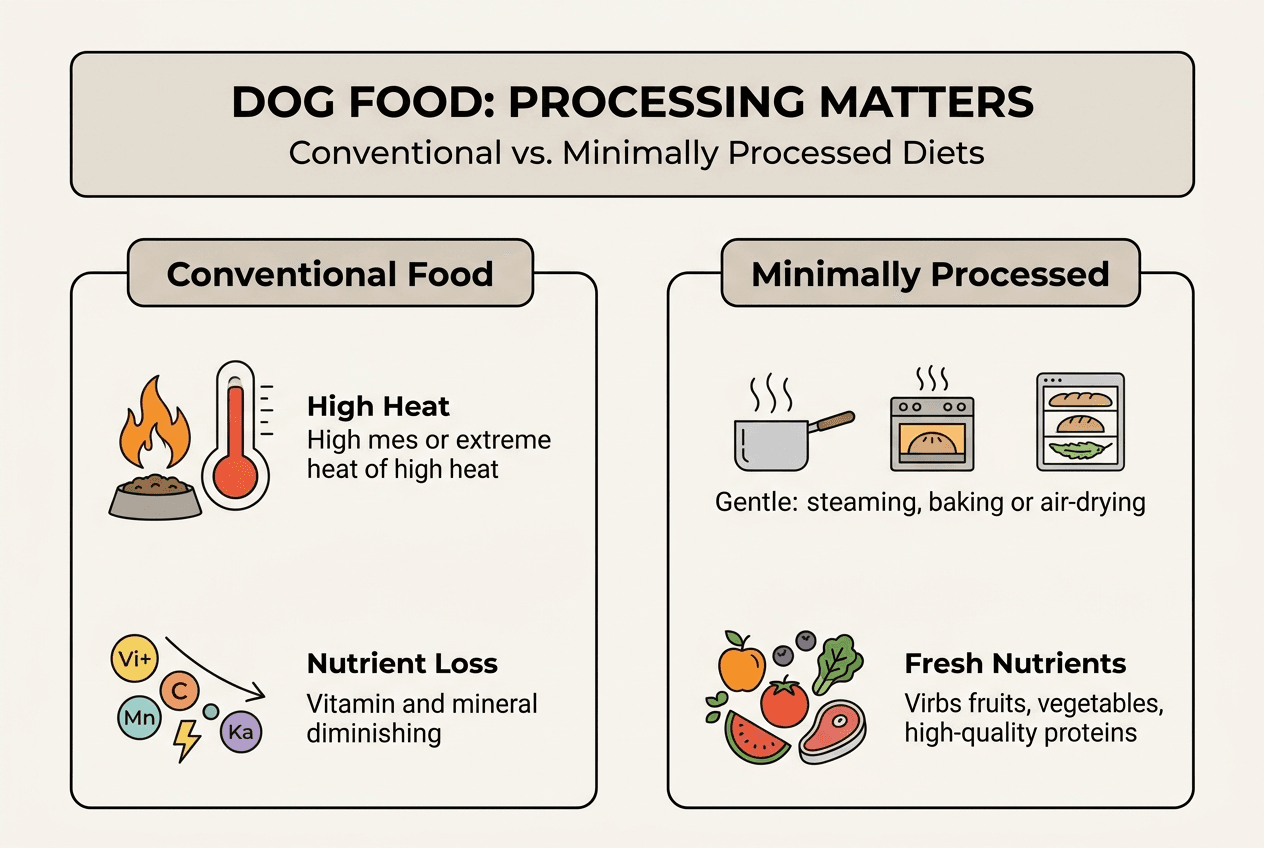
Understanding these processing effects helps explain why many dogs thrive when switched to benefits of minimally processed pet food. The difference lies not just in ingredient quality but in how those ingredients reach your dog’s bowl. Gentle processing methods like freeze-drying preserve nutrient integrity without generating harmful compounds, offering a safer path to complete nutrition.
Benefits of minimally processed dog food on metabolism and longevity
Scientific evidence demonstrates measurable metabolic advantages when dogs consume minimally processed diets. A comprehensive metabolomics study tracked biomarkers in dogs transitioned from kibble to fresh food over 12 months. Results showed minimally processed fresh foods lead to better metabolic profiles with increased beneficial fatty acids and reduced harmful markers.

The metabolic improvements were substantial. Dogs on fresh diets exhibited enhanced ketogenesis, a metabolic state where the body efficiently burns fat for energy rather than relying solely on glucose. This shift supports lean muscle maintenance while reducing fat accumulation. Researchers also documented superior amino acid profiles, with higher concentrations of essential amino acids critical for tissue repair and immune function.
Blood chemistry revealed additional benefits. Fresh-fed dogs showed decreased creatinine levels, indicating improved kidney function, and lower markers of fatty acid synthesis, suggesting reduced inflammatory processes. These changes weren’t subtle. Over one year, the metabolic differences between kibble-fed and fresh-fed dogs became increasingly pronounced.
Metabolic Marker | Kibble-Fed Dogs | Fresh-Fed Dogs | Clinical Significance |
Serum AGEs | Elevated | Normal range | Lower oxidative stress |
Ketone bodies | Minimal | Moderate elevation | Enhanced fat metabolism |
Essential amino acids | Standard | 15-20% higher | Better protein utilization |
Creatinine | Upper normal | Lower normal | Improved kidney function |
Inflammatory markers | Elevated | Reduced | Decreased disease risk |
These metabolic shifts translate to real-world health improvements. Dogs on minimally processed diets often display increased energy, healthier coat condition, and better weight management. The benefits for dog longevity extend beyond immediate vitality to long-term disease prevention.
Digestive health particularly improves with gentle processing. Freeze-dried and fresh foods preserve natural enzymes and beneficial bacteria that support gut microbiome diversity. A balanced microbiome enhances nutrient absorption, strengthens immune response, and reduces gastrointestinal inflammation. Many owners report firmer stools and reduced digestive upset after switching to digestive health benefits of freeze-dried food.
Pro Tip: Transition gradually over 10 to 14 days by mixing increasing portions of minimally processed food with your dog’s current diet. This allows digestive enzymes and gut bacteria to adapt, preventing stomach upset while maximizing metabolic benefits.
The longevity implications are significant. By reducing AGE accumulation, supporting optimal metabolism, and decreasing inflammatory burden, minimally processed diets address root causes of age-related decline. While no diet guarantees extended lifespan, the metabolic advantages create conditions for healthier aging and potentially more years with your companion.
Navigating risks and nuances of raw and minimally processed diets
Minimally processed doesn’t automatically mean nutritionally complete or safe. Raw and minimally processed diets carry risks of nutritional deficiencies and bacterial contamination even in commercial products. A 2026 analysis of raw and minimally processed pet foods revealed concerning patterns in both homemade and commercially available options.
Nutritional imbalances top the risk list. Common deficiencies include:
Calcium to phosphorus ratio imbalances causing skeletal problems
Selenium deficiency affecting thyroid and immune function
Inadequate iodine impacting metabolism regulation
Zinc shortages leading to skin and coat issues
Vitamin D and E deficiencies compromising bone health and antioxidant protection
These gaps aren’t theoretical. Laboratory testing of commercial raw diets found that up to 60% failed to meet AAFCO nutritional adequacy standards for at least one essential nutrient. Homemade diets without professional formulation showed even higher deficiency rates, sometimes lacking multiple critical nutrients simultaneously.
Contamination presents another serious concern. Raw meat inherently carries bacterial risks including Salmonella, E. coli, Listeria, and parasites. While healthy adult dogs often tolerate these pathogens, they can sicken immunocompromised animals and create zoonotic risks for household members, especially children, elderly individuals, and those with weakened immune systems.
Diet Type | Nutrient Completeness | Contamination Risk | Convenience | Cost |
Raw (homemade) | Variable, often incomplete | High bacterial/parasite risk | Low, requires preparation | Moderate |
Raw (commercial) | Better but inconsistent | Moderate bacterial risk | Moderate | High |
Freeze-dried | Complete if AAFCO certified | Minimal | High | High |
Kibble | Complete, standardized | Very low | Very high | Low to moderate |
Freeze-drying offers a middle path. The process eliminates most pathogens through moisture removal while preserving nutrients better than high-heat methods. Quality freeze-dried products formulated to AAFCO standards deliver complete nutrition without raw feeding’s contamination risks.
The American Veterinary Medical Association maintains a cautious stance on raw diets. Veterinarians recommend oversight and caution due to zoonotic and nutritional risks. This doesn’t mean raw or minimally processed feeding is inherently wrong, but it requires informed decision-making and professional guidance.
Pro Tip: Choose commercial minimally processed foods with guaranteed nutrient analysis meeting AAFCO standards, or work with a board-certified veterinary nutritionist when preparing homemade meals. This ensures your dog receives complete nutrition without dangerous gaps.
Safe handling practices matter enormously. If feeding raw or fresh foods, maintain strict hygiene by washing hands, utensils, and food bowls thoroughly. Store foods at proper temperatures and discard uneaten portions promptly. These precautions minimize both pet and human health risks.
Balancing minimally processed benefits with safety requires knowledge and vigilance. The metabolic advantages are real, but only when nutritional completeness and contamination control receive equal priority. Understanding these nuances empowers you to make choices that truly serve your dog’s health rather than inadvertently creating new problems.
Applying knowledge: choosing and feeding minimally processed dog food safely
Transitioning to minimally processed dog food requires a systematic approach that prioritizes safety and nutritional balance. Follow these steps to implement dietary changes successfully:
Consult your veterinarian before making significant diet changes, especially if your dog has existing health conditions, food sensitivities, or is very young or senior.
Research products thoroughly by verifying AAFCO nutritional adequacy statements, checking for third-party testing certifications, and reviewing ingredient sourcing transparency.
Start with a gradual transition mixing 25% new food with 75% current food for three days, then 50-50 for three days, then 75% new food for three days before completing the switch.
Monitor your dog’s response by tracking stool quality, energy levels, coat condition, and any signs of digestive upset or allergic reactions during the transition period.
Adjust portions based on your dog’s body condition, activity level, and the caloric density of the new food, which often differs significantly from kibble.
Vet-approved nutrient completeness isn’t optional. When evaluating minimally processed options, verify these critical elements:
AAFCO statement confirming the food is complete and balanced for your dog’s life stage
Appropriate calcium to phosphorus ratio between 1:1 and 2:1
Adequate levels of essential fatty acids, particularly omega-3s and omega-6s
Sufficient trace minerals including zinc, selenium, iodine, and copper
Complete vitamin profile with special attention to fat-soluble vitamins A, D, E, and K
Health monitoring during diet transitions reveals how your dog responds. Watch for positive changes like increased energy, shinier coat, better stool formation, and improved appetite. Concerning signs include persistent diarrhea, vomiting, lethargy, or skin irritation. These warrant immediate veterinary consultation and possible diet adjustment.
Avoiding raw feeding pitfalls while maximizing benefits requires smart choices. Freeze-dried options offer raw food’s nutrient density without bacterial risks. If you prefer truly raw feeding, source from reputable suppliers using high-pressure processing or other pathogen reduction methods. Never feed raw salmon or trout from Pacific Northwest regions due to parasite risks.
Best practices for storage and handling include:
Refrigerate opened freeze-dried or fresh foods and use within manufacturer recommendations
Thaw frozen foods in the refrigerator, never at room temperature
Wash food bowls with hot, soapy water after each meal
Store dry freeze-dried products in airtight containers away from heat and moisture
Check expiration dates regularly and rotate stock to ensure freshness
Separate pet food preparation areas from human food surfaces
Veterinarians emphasize professional oversight and balanced nutrition when feeding minimally processed diets. This guidance protects against well-intentioned mistakes that compromise health. Even experienced pet owners benefit from periodic veterinary nutritionist consultations to ensure their feeding approach remains optimal as dogs age or health needs change.
The benefits of minimally processed pet food become fully accessible only when implementation follows evidence-based protocols. Rushing transitions, ignoring nutritional completeness, or dismissing safety precautions undermines the very health improvements you’re seeking. Methodical, informed feeding practices transform minimally processed diets from trendy concepts into genuine health interventions.
Balancing homemade and commercial food offers another strategic approach. Some owners successfully combine high-quality commercial minimally processed foods with carefully formulated homemade additions. This hybrid model provides variety while maintaining nutritional security through the commercial base diet.
Explore minimally processed dog food options at Loyal Saints
Your dog deserves nutrition that supports vitality at every life stage. Loyal Saints offers freeze-dried dog food crafted from human-grade proteins, fruits, and vegetables using gentle processing that preserves nutrients without harmful additives or fillers. Every formula meets AAFCO standards and receives veterinary approval, ensuring complete, balanced nutrition your dog needs to thrive.
Our freeze-dried products deliver the metabolic benefits of fresh food with unmatched convenience. Simply rehydrate with water or serve as crunchy toppers over your dog’s current meals. Discover why freeze dried dog food represents the ideal balance between nutrition, safety, and practicality. Ready to prioritize your dog’s health? Shop minimally processed dog food and experience the Loyal Saints difference with free shipping on qualifying orders.
Frequently asked questions
Is minimally processed dog food better than kibble?
Minimally processed dog food offers significant metabolic and longevity advantages over conventional kibble by avoiding AGE formation and preserving beneficial nutrients. However, effectiveness depends entirely on nutritional completeness. Quality freeze-dried or fresh foods formulated to AAFCO standards provide superior health outcomes, while improperly balanced minimally processed diets can cause deficiencies. Kibble offers convenience and affordability but may compromise long-term health through processing effects. Compare options at freeze dried vs kibble health impact to understand trade-offs.
What are the risks of feeding raw or minimally processed diets?
Raw diets carry bacterial contamination risks including Salmonella, E. coli, and parasites that threaten both pet and human health. Nutritional imbalances frequently occur in raw and minimally processed foods, with common deficiencies in calcium, selenium, iodine, and zinc. Many commercial raw products fail AAFCO nutritional standards despite premium pricing. Veterinary oversight becomes essential to identify and correct these issues before health problems develop. Explore safer alternatives at raw vs freeze-dried risks.
How do I balance homemade minimally processed dog food safely?
Balancing homemade dog food requires professional nutritional analysis to ensure adequate calcium, phosphorus ratios, trace minerals, and vitamins. Board-certified veterinary nutritionists can formulate recipes specific to your dog’s age, size, and health status. Without expert guidance, homemade diets almost always develop critical nutrient gaps within weeks or months. Commercial supplements rarely correct these imbalances effectively. Combining quality commercial foods with limited homemade additions offers safer variety. Learn more at balancing homemade dog food.
Can minimally processed dog food prevent obesity?
Minimally processed diets show promise for weight management. Raw meat-based diets are associated with lower obesity prevalence and leaner body condition scores compared to kibble-fed dogs. Fresh and freeze-dried foods typically contain fewer carbohydrates and more protein, supporting satiety and lean muscle maintenance. However, portion control and regular exercise remain essential regardless of diet type. Calorie-dense minimally processed foods can still cause weight gain if overfed. Monitor your dog’s body condition and adjust portions accordingly for optimal results.
Recommended
Comments