.png)
Natural Dog Diet Guide: 65% Safer Vet-Approved Transitions
- Towanda Brunson
- a few seconds ago
- 8 min read
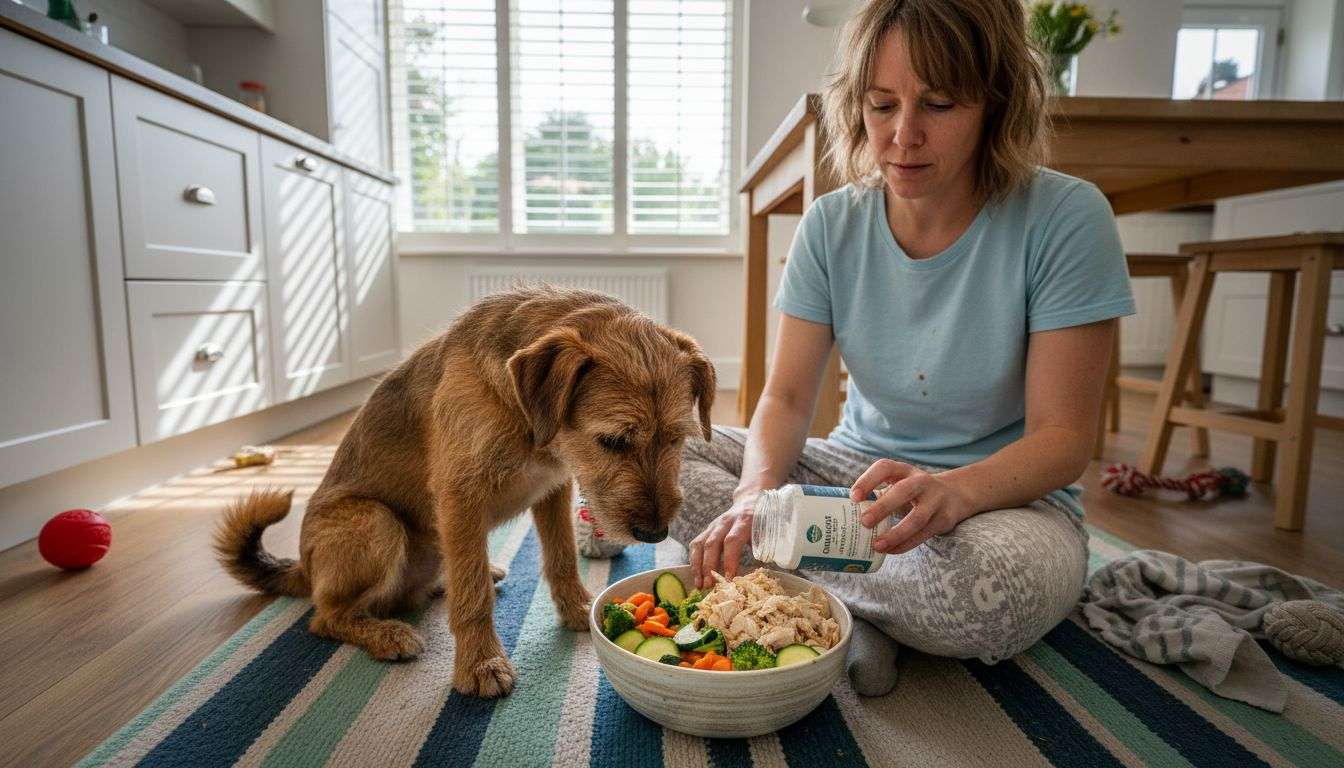
Abrupt changes to your dog’s diet trigger gastrointestinal upset in over 70% of cases, resulting in costly vet visits and unnecessary suffering. Health-conscious owners increasingly seek natural, whole-ingredient diets to boost their pets’ vitality and longevity, but worry about doing it safely. This comprehensive guide delivers a veterinarian-approved, step-by-step framework to transition your dog to a premium natural diet while minimizing health risks and maximizing nutritional benefits.
Table of Contents
Key Takeaways
Point | Details |
Veterinary Consultation Essential | Professional guidance reduces transition health risks by 65% and ensures diet suitability for your dog’s unique needs. |
Gradual Introduction Critical | A 7-10 day mixing schedule cuts digestive upset by 70% compared to sudden diet switches. |
Nutritional Balance Required | AAFCO standards mandate minimum 18% protein and 5% fat; unbalanced diets risk 40% micronutrient deficiency. |
Health Improvements Measurable | Expect digestion improvements within 2 weeks, allergy relief by 6 weeks, and muscle strength gains by 8 weeks. |
Monitoring Prevents Problems | Daily observation of stool quality and behavior catches issues early, preventing serious complications. |
Prerequisites: What You Need Before Starting a Natural Dog Diet
Proper preparation dramatically reduces the health risks associated with diet transitions. Before introducing natural foods, schedule a consultation with your veterinarian to assess your dog’s current health status, identify potential food allergies, and discuss any breed-specific nutritional needs. Veterinary consultation reduces health risks by 65% during dietary changes.
Understanding AAFCO nutritional minimums ensures your natural diet meets your dog’s biological requirements. Adult dogs require at least 18% protein and 5% fat in their diet for optimal health. Familiarize yourself with these standards before formulating meals, as deficiencies can compromise immune function and muscle development over time.
Gather quality whole ingredients or premium freeze-dried alternatives that retain nutritional integrity. You’ll need preparation tools including food scales for accurate portioning, storage containers for batch preparation, and separate cutting boards to prevent cross-contamination. When selecting bones, avoid weight-bearing varieties like femurs that can fracture teeth.
Pro Tip: Create a transition journal to track daily food ratios, stool consistency, energy levels, and any adverse reactions. This documentation proves invaluable during follow-up veterinary consultations.
Essential preparation checklist:
Complete veterinary health assessment and blood work
Research veterinarian-approved diets for your dog’s life stage
Source human-grade proteins, fruits, and vegetables
Acquire accurate measuring and food prep equipment
Review veterinary consultation guidelines for nutrition planning
Establish baseline weight and body condition score
Step 1: Selecting Quality Natural Ingredients
Choosing veterinarian-approved ingredients forms the foundation of a successful natural diet transition. Prioritize omega-3 rich proteins like salmon, sardines, and grass-fed beef to support muscle strength and cognitive function. These proteins provide essential amino acids your dog’s body cannot synthesize independently.
Incorporate whole fruits and vegetables such as blueberries, sweet potatoes, and leafy greens for vitamins, minerals, and antioxidants. These plant-based ingredients support immune function and provide fiber for digestive health. Avoid fillers like corn and wheat, along with artificial preservatives, colors, and flavors that offer zero nutritional value.

Freeze-dried options present a convenient alternative that retains about 90% of nutrient content compared to fresh raw ingredients. The freeze-drying process removes moisture while preserving vitamins, minerals, and enzymes that cooking typically destroys. This makes premium freeze-dried foods an excellent choice for owners seeking natural nutrition without raw food handling concerns.
Pro Tip: Rotate protein sources every 2-3 months to provide diverse amino acid profiles and reduce the risk of developing food sensitivities. This rotation mimics the varied diet canines would consume in nature.
Quality ingredient selection guidelines:
Choose proteins with clear sourcing and human-grade certification
Select organic produce when possible to minimize pesticide exposure
Verify ingredients meet standards outlined in veterinarian-approved diet roles
Consider freeze-dried food benefits for convenience and safety
Avoid ingredients from your dog’s known allergen list
Source bones appropriate for your dog’s size and chewing style
Step 2: Preparing and Introducing the Natural Diet Gradually
A gradual introduction over 7-10 days prevents the digestive upset that plagues abrupt diet changes. A gradual introduction reduces gut upset by 70% compared to immediate switches, allowing beneficial gut bacteria time to adapt to new ingredients.
Follow this proven transition schedule:
Days 1-2: Mix 25% natural food with 75% current food
Days 3-4: Increase to 50% natural food with 50% current food
Days 5-6: Progress to 75% natural food with 25% current food
Days 7-10: Feed 100% natural food if no adverse reactions occur
Monitor stool quality daily during the transition. Healthy stools should be firm, formed, and easy to pick up. Loose stools, excessive gas, or vomiting signal the need to slow the transition pace. Return to the previous ratio for 2-3 additional days before progressing.
Avoid weight-bearing bones like femurs and knuckles that can fracture teeth and damage gums. Instead, offer softer recreational bones appropriate for your dog’s size under supervision. Watch for signs of acceptance including enthusiastic eating, maintained energy levels, and normal elimination patterns.
“The gradual transition method respects your dog’s digestive system, allowing enzyme production and gut flora to adapt naturally to new nutrient profiles. Patience during this phase prevents weeks of digestive distress.”
Contact your veterinarian immediately if your dog experiences persistent diarrhea lasting more than 48 hours, repeated vomiting, lethargy, or refuses food for more than 24 hours. These symptoms may indicate food intolerance or underlying health issues requiring professional intervention. For detailed guidance, review how to transition dog food naturally and the gradual diet introduction benefits documented in veterinary literature.
Step 3: Ensuring Nutritional Balance and Compliance with Standards
Meeting AAFCO nutritional standards prevents the deficiencies common in homemade natural diets. AAFCO mandates minimum 18% protein and 5% fat for adult dog maintenance, with higher requirements for puppies and pregnant dogs. These minimums represent baseline needs, not optimal levels for peak performance and longevity.
Unbalanced all-meat natural diets carry up to 40% risk of micronutrient deficiency, particularly in calcium, vitamin D, and essential fatty acids. Meat alone cannot provide the complete nutritional spectrum dogs require for long-term health. Vitamin and mineral supplementation becomes necessary when feeding homemade diets unless formulated by a veterinary nutritionist.
Consult board-certified veterinary nutritionists to develop customized formulas matching your dog’s life stage, activity level, and health conditions. These professionals use specialized software to ensure recipes meet or exceed all AAFCO nutrient profiles. The investment in professional formulation prevents costly health problems down the road.
Example Balanced Daily Diet (50 lb adult dog):
Component | Amount | Nutritional Purpose |
Lean protein (chicken, beef, fish) | 1.5 lbs | Muscle maintenance, amino acids |
Organ meat (liver, kidney) | 3 oz | Vitamins A, D, B-complex, iron |
Vegetables (carrots, spinach, broccoli) | 1 cup | Fiber, vitamins, minerals, antioxidants |
Fruits (blueberries, apple) | 0.5 cup | Antioxidants, natural sugars, vitamin C |
Healthy fats (fish oil, flaxseed) | 1 tbsp | Omega-3/6 fatty acids, skin and coat health |
Calcium supplement | Per vet guidance | Bone health, nerve function |
Key nutritional balance strategies:
Use AAFCO nutrient profiles as minimum benchmarks
Incorporate organ meats for concentrated micronutrients
Add calcium supplementation when not feeding raw meaty bones
Include diverse plant matter for phytonutrients
Work with veterinarian-approved diet formulation specialists
Test recipes through independent laboratory analysis
Step 4: Monitoring Health and Troubleshooting Common Issues
Ongoing health monitoring catches problems before they become serious. Watch for early digestive upset symptoms including decreased appetite, abdominal discomfort, excessive gas, or changes in stool consistency. These signs often appear within 24-48 hours of introducing problematic ingredients.
Dental injuries from improper bone selection affect 15% of diet transitions. Prevent these painful injuries by choosing bones larger than your dog’s mouth to discourage swallowing attempts, and always supervise bone chewing sessions. Remove bones once they become small enough to pose choking hazards.
20% of dog owners lack adequate nutritional knowledge, increasing the risk of diet-related health issues. Common knowledge gaps include underestimating calcium requirements, overfeeding treats that unbalance daily nutrition, and failing to adjust portions as dogs age. Education bridges these gaps and empowers better feeding decisions.
Pro Tip: Schedule monthly weigh-ins and body condition assessments during the first six months of your natural diet transition. Gradual weight loss or gain signals the need for caloric adjustments before health suffers.
Troubleshooting strategies:
If loose stools persist, reduce fat content temporarily
Address selective eating by warming food slightly to enhance aroma
Combat constipation by increasing vegetable fiber content
Manage itching or skin issues by eliminating potential allergen proteins
Review dog feeding mistakes and fixes for additional guidance
Seek immediate veterinary care for severe or persistent symptoms
Expected Outcomes: Health Benefits and Timelines
Successful natural diet transitions produce measurable health improvements within predictable timeframes. Digestive changes appear first, with firmer stools and reduced gas typically evident within 2 weeks as gut bacteria adapt to whole food ingredients. This quick win encourages continued commitment to the new feeding approach.
Allergy symptom relief follows next, with 60% of dogs experiencing reduced itching, hot spots, and ear infections within 6 weeks of eliminating processed food additives and common allergens. Skin and coat improvements become visible as inflammation decreases and essential fatty acids nourish from within.
Muscle strength and body composition improvements require patience, becoming noticeable around 8 weeks as high-quality proteins support lean muscle development. Active dogs often display increased stamina and recovery speed. Senior dogs may show improved mobility as inflammation decreases and joint-supporting nutrients accumulate.
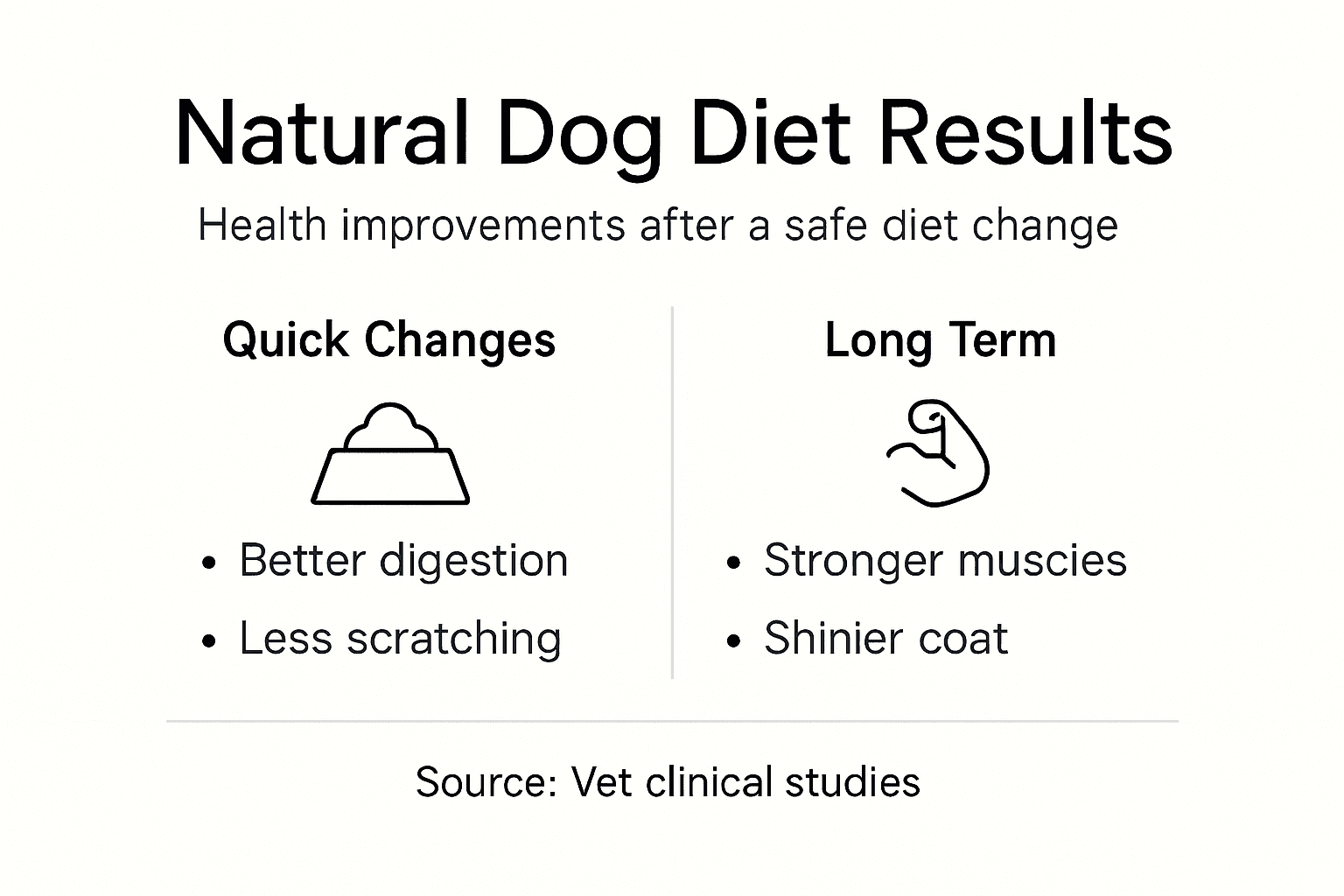
Overall vitality encompasses energy levels, mental alertness, and immune function. Veterinary assessments at 3 and 6 months post-transition document these improvements objectively through blood work, body condition scoring, and physical examinations. Many owners report their dogs acting years younger.
Health Improvement Timeline:
Week 1-2: Improved stool quality and digestion
Week 3-6: Reduced allergy symptoms, shinier coat
Week 7-8: Visible muscle tone improvements
Week 9-12: Enhanced overall vitality and energy
Month 4-6: Measurable immune function improvements
Maintain regular veterinary consultations throughout the first year to monitor progress, adjust formulations as needed, and catch any developing issues early. Your veterinarian can order bloodwork to confirm nutritional adequacy and rule out deficiencies before clinical signs appear.
Explore Premium Natural Dog Food Solutions
Transitioning to natural nutrition doesn’t require complicated meal prep or raw food handling concerns. Premium freeze-dried dog foods deliver the whole-ingredient benefits outlined in this guide with unmatched convenience and safety. These products use human-grade proteins, fruits, and vegetables processed to retain maximum nutritional value.
The freeze-drying process removes moisture while preserving enzymes, vitamins, and minerals that cooking destroys, creating shelf-stable nutrition that rehydrates instantly. Discover freeze-dried dog food benefits and explore how natural pet nutrition supports your dog’s health journey. Visit our collection to find veterinarian-approved options tailored to your dog’s needs.
FAQ
How long does it take for natural diets to improve my dog’s health?
Most dogs show digestive improvements within 2 weeks of completing the transition to natural foods. Allergy symptom relief typically appears by 6 weeks, while muscle strength and body composition changes become noticeable around 8 weeks. Individual results vary based on your dog’s starting health status and diet adherence.
What are the risks of feeding raw bones during the transition?
Improper bone sizes cause dental injuries in 15% of cases, including fractured teeth and lacerated gums. Avoid weight-bearing bones like femurs that are too hard for safe chewing. Always supervise bone feeding sessions and choose sizes appropriate for your dog’s mouth to prevent swallowing hazards.
How can I ensure my dog’s diet meets all nutritional needs naturally?
Consult board-certified veterinary nutritionists to formulate balanced recipes meeting AAFCO standards for your dog’s life stage. Use vitamin and mineral supplementation when necessary to prevent the 40% micronutrient deficiency risk associated with unbalanced homemade diets. Laboratory testing of your recipes provides objective confirmation of nutritional adequacy.
Can I transition my dog to natural food if they have existing health conditions?
Dogs with existing health conditions require veterinary supervision during diet transitions. Your vet may recommend modified protein levels for kidney disease, specific ingredient restrictions for allergies, or specialized formulations for digestive disorders. Professional guidance ensures the natural diet supports rather than compromises medical management of chronic conditions.
What signs indicate my dog isn’t tolerating the natural diet well?
Watch for persistent loose stools lasting more than 48 hours, repeated vomiting, significant appetite loss, lethargy, or behavioral changes during the transition. These symptoms suggest food intolerance or improper nutritional balance requiring immediate veterinary attention. Slow the transition pace or return to the previous food ratio if mild digestive upset occurs.
Recommended