.png)
Premium Ingredients in Pet Health: Why They Matter
- Towanda Brunson
- Feb 24
- 11 min read

Finding truly premium dog food often feels like searching for hidden gems among crowded American supermarket aisles. For owners who believe their pets deserve nutrition as thoughtful as their own, ingredient quality is non-negotiable. Premium options use whole-food, minimally processed components that meet strict FDA and AAFCO standards, supporting your dog’s vitality for years ahead. Discover how selective ingredient choices empower wellness and help your companion thrive.
Table of Contents
Key Takeaways
Point | Details |
Understanding Premium Ingredients | Premium ingredients are whole-food sources that meet high quality and safety standards, directly influencing your dog’s health and longevity. |
Ingredient Labels Matter | Look for specific protein sources at the top of ingredient lists to identify premium pet foods. |
Nutritional Benefits | Premium foods support better digestion, muscle maintenance, and immune function compared to standard options, leading to improved health outcomes. |
Long-Term Investment | Investing in premium dog food can reduce future vet bills related to chronic conditions stemming from poor nutrition. |
Defining Premium Ingredients in Pet Nutrition
Premium ingredients are whole-food, minimally processed components that supply essential nutrients while meeting strict quality and safety standards. They’re what separate thoughtful pet nutrition from mass-market kibble.
Understanding what makes an ingredient premium matters because it directly impacts your dog’s health, energy levels, and longevity. Let’s break down what actually qualifies.
What the Standards Say
The FDA defines pet food ingredients as components that primarily provide nutrition, taste, or aroma. But not all ingredients meeting that basic definition are premium.
AAFCO standards categorize ingredients by source and nutritional purpose. Premium ingredients typically exceed baseline requirements by focusing on whole-food sources rather than byproducts or fillers.
The Premium Ingredient Profile
Premium ingredients share specific characteristics that elevate them above standard options:
Whole-food sources: Named meats (chicken, beef, fish) rather than “meat meal” or “poultry by-products”
Minimal processing: Freeze-dried, raw, or gently cooked to preserve nutrients
High bioavailability: Your dog’s body absorbs and uses these nutrients efficiently
Transparent sourcing: You know exactly what’s in the food
No fillers or artificial additives: No corn, soy, artificial colors, or preservatives
Why This Distinction Matters for Your Dog
Your dog’s digestive system recognizes whole ingredients. A chicken breast contains protein, B vitamins, and selenium in forms your dog’s body evolved to process.
Synthetic vitamins or low-quality protein sources require your dog’s digestive system to work harder for less nutritional benefit. Over time, this affects muscle maintenance, coat quality, and immune function.
Premium ingredients mean your dog absorbs more nutrition per serving, supporting better health outcomes with less food overall.
How to Spot Premium Ingredients
Read ingredient labels carefully. Premium pet foods list specific protein sources first, not vague categories.
Look for human-grade ingredients you’d recognize in your own kitchen. If you can’t pronounce something or don’t know what it is, it likely isn’t premium.
Avoid these red flags:
Meat by-products or meal
Corn, wheat, or soy as primary ingredients
Artificial colors, flavors, or preservatives
Unspecified “animal fat” sources
Mystery ingredients without clear nutritional purpose
Premium also means meeting AAFCO standards while using human-grade, whole-food components—not just meeting the minimum regulatory bar.
Pro tip: Compare ingredient lists between brands by checking what appears in the first three ingredients; premium options name specific proteins like “chicken” or “salmon” rather than meal or by-products.
Types of Premium Ingredients for Dogs
Premium dog foods contain specific ingredient categories that work together to support your dog’s health, energy, and longevity. Understanding what each type does helps you make informed choices about what goes in your dog’s bowl.
Let’s explore the main categories of premium ingredients and why they matter for your pet.

Protein Sources: The Foundation
Essential dog food proteins come from whole-food sources like fresh and raw meats. These provide amino acids your dog’s body needs to build and maintain muscle, support immune function, and produce hormones.
Premium proteins include:
Fresh chicken, turkey, and beef
Fish like salmon and white fish
Organ meats (liver, kidney) rich in micronutrients
Eggs for complete amino acid profiles
Limited ingredient options for sensitive dogs
Named meat sources matter because your dog knows exactly what protein she’s getting. Avoid generic terms like “meat meal” or “by-products” that hide what’s actually in the food.
Healthy Fats and Fatty Acids
Fats provide concentrated energy and support skin, coat, and brain health. Premium sources include fish oil and flaxseed, which supply omega-3 and omega-6 fatty acids.
These aren’t just calories—they’re essential nutrients your dog cannot produce independently. A dull coat, itchy skin, or low energy often signals insufficient quality fat intake.
Whole Grains and Fiber
Whole grains contribute fiber and nutrients that support digestive health. When included, premium options are brown rice, oats, and barley rather than corn or wheat fillers.
Fiber aids nutrient absorption and promotes healthy digestion. However, some dogs thrive on grain-free formulas using peas or sweet potatoes instead.
Vegetables and Fruits
Premium vegetables and fruits add vitamins, minerals, and antioxidants. These support immune function and overall wellness.
Common premium sources include:
Sweet potatoes for beta-carotene
Carrots for dental health
Blueberries for antioxidants
Spinach for iron and nutrients
Apples for fiber
Premium ingredients work synergistically—whole proteins, healthy fats, and nutrient-dense vegetables create complete nutrition, not just caloric bulk.
Functional Additives
Quality pet food contains probiotics and vitamins that enhance digestive health and nutrient absorption. These go beyond basic requirements to optimize wellness.
These include probiotics for gut health, glucosamine for joint support, and essential vitamins and minerals balanced to your dog’s age and size.
Pro tip: Look for foods listing specific protein sources in the first three ingredients and including multiple vegetable or fruit options—this signals comprehensive premium nutrition rather than protein-focused formulas.
How Premium Ingredients Support Pet Health
Premium ingredients work differently in your dog’s body than mass-market alternatives. They’re absorbed more efficiently, deliver nutrients in forms your dog’s body recognizes, and support systems beyond just basic survival.
Understanding how these ingredients create health benefits helps you see why they’re worth the investment.
Nutrient Bioavailability and Absorption
Your dog’s digestive system processes whole-food ingredients more effectively than synthetic alternatives. When your dog eats fresh chicken, her body immediately recognizes and absorbs the amino acids without extra digestive work.
Low-quality proteins require additional processing, meaning less usable nutrition reaches her bloodstream. Over months and years, this difference compounds into measurable health outcomes.
Building and Maintaining Muscle
Premium protein sources support muscle development and maintenance across your dog’s life. Puppies need amino acids for growth, adult dogs need them for strength and metabolism, and senior dogs need them to prevent muscle loss.
Named meat proteins deliver complete amino acid profiles that synthetic supplements cannot replicate. Your dog’s muscles literally rebuild from the nutrition you provide daily.
Immune Function and Disease Prevention
Quality vitamins, minerals, and antioxidants in premium ingredients strengthen immune response. Blueberries, spinach, and organ meats contain compounds that support white blood cell production and reduce inflammation.
A stronger immune system means fewer infections, faster recovery from illness, and potentially years added to your dog’s life. Prevention works better than treatment.
Digestive and Gut Health
Premium foods often include prebiotics and probiotics supporting optimal digestion and nutrient absorption. A healthy gut means better energy, healthier skin, and stronger immunity.
Fiber from whole grains and vegetables feeds beneficial bacteria. Probiotics repopulate the microbiome. Together, they transform how your dog processes every meal.
Skin, Coat, and Joint Health
Omega-3 and omega-6 fatty acids from premium sources reduce inflammation throughout your dog’s body. This supports:
Glossy coat and healthy skin
Flexible joints and reduced arthritis pain
Better brain function and cognitive health
Reduced itching and allergic reactions
These aren’t cosmetic benefits—they’re signs of internal health.
Energy and Longevity
Premium ingredients deliver concentrated nutrition, so your dog needs less food to feel satisfied, maintaining ideal weight and supporting longer, healthier life.
A dog maintained at optimal weight with superior nutrition experiences fewer health crises and enjoys more active years with you.
Pro tip: Track your dog’s energy, coat quality, and digestion over 8-12 weeks after switching to premium ingredients—these visible changes reflect internal cellular health improvements.
Benefits Over Standard Pet Food Options
The difference between premium and standard dog food shows up in your dog’s energy, appearance, and vet bills. Standard foods meet minimum nutritional requirements; premium foods exceed them significantly.
Let’s compare what these different approaches mean for your dog’s long-term health.
Ingredient Quality and Digestibility
Standard pet foods often use fillers, by-products, and low-quality protein sources to reduce costs. Your dog’s digestive system struggles to extract nutrition from these ingredients.
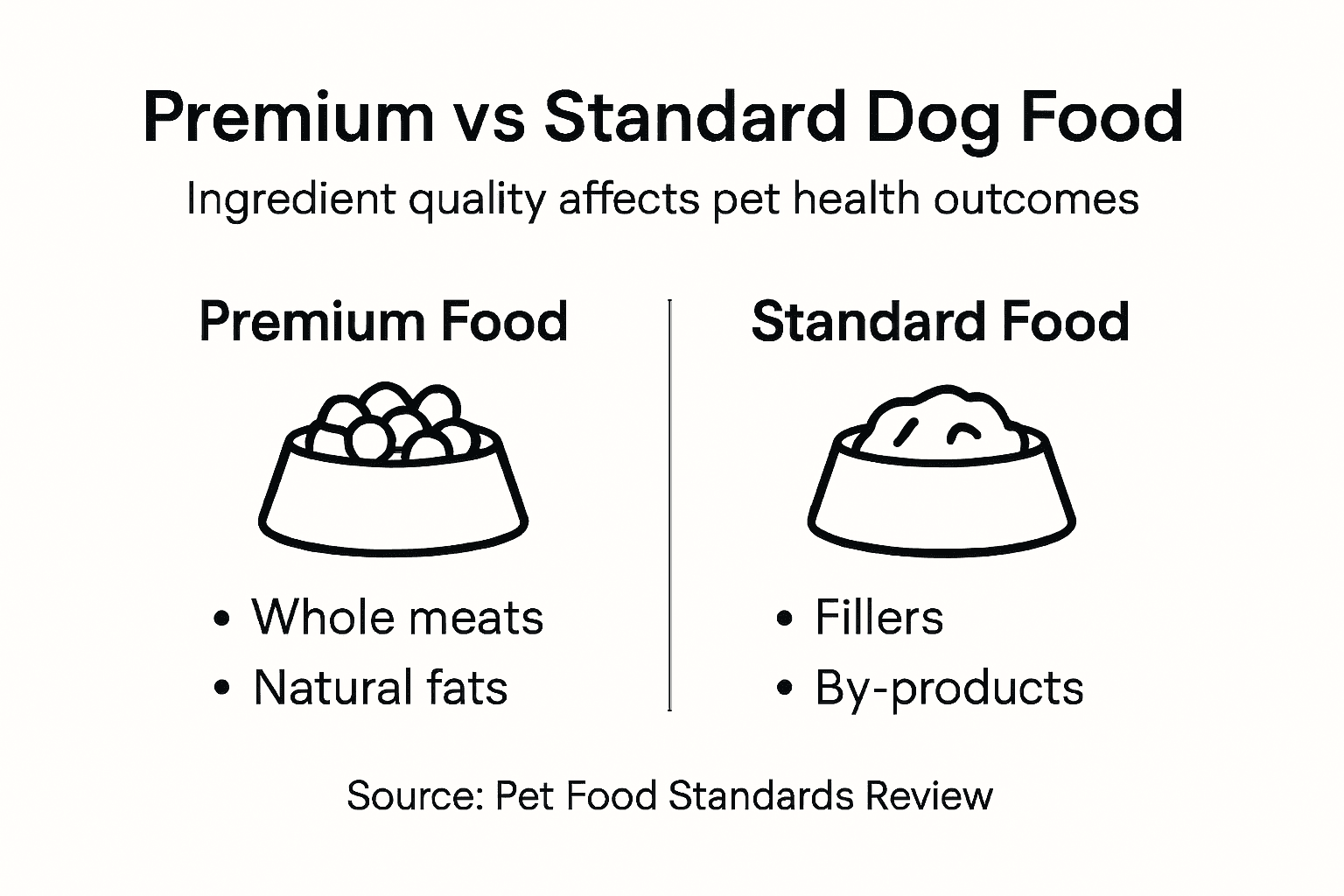
Premium pet foods contain higher quality, more digestible ingredients formulated for optimal nutrient absorption. This means more nutrition reaches your dog’s cells with less wasted bulk in the litter box.
Here’s a side-by-side summary highlighting differences between premium and standard dog food:
Feature | Premium Dog Food | Standard Dog Food |
Protein Sources | Named, whole meats | Generic, often by-products |
Nutrient Retention | Minimally processed, nutrients preserved | Heavily processed |
Ingredient Transparency | Clear sourcing information | Vague sources |
Artificial Additives | None or minimal | Commonly used |
Portion Size Needed | Smaller, due to higher density | Larger, lower efficiency |
Health Benefit Span | Supports long-term wellness | Meets basic requirements |
Real Nutritional Impact
Standard foods provide calories; premium foods provide optimal nutrition. The difference compounds over years.
Premium benefits include:
Healthier weight without constant hunger
Shinier coat and healthier skin
Stronger immune system and fewer infections
Better digestion and consistent energy
Reduced allergic reactions and itching
Longer, healthier lifespan
Functional Ingredients Make the Difference
Standard options contain basic nutrients. Premium foods go further with controlled ingredient sourcing, enhanced safety testing, and functional ingredients like omega fatty acids, antioxidants, and probiotics.
These functional ingredients aren’t just nice extras—they actively support immune health, reduce inflammation, and prevent chronic diseases.
Long-Term Health Outcomes
Dogs fed premium diets experience fewer health crises. Better nutrition means fewer vet visits, less medication, and more active years together.
Your upfront investment in premium food often costs less than treating preventable diseases down the road. A single orthopedic surgery or chronic condition management can cost thousands.
The Weight Management Advantage
Standard foods often lead to weight gain because they’re less nutritionally dense. Your dog feels hungry despite consuming enough calories.
Premium foods satisfy your dog with less volume. Maintaining ideal weight reduces joint stress, improves longevity, and prevents obesity-related diseases.
Premium pet foods deliver better nutrition per serving, so your dog needs less food, maintains healthier weight, and experiences years of improved vitality and fewer health complications.
Safety and Testing Standards
Premium manufacturers implement stricter quality control than standard brands. Every batch undergoes enhanced testing for contaminants and nutritional accuracy.
This extra vigilance protects your dog from recalls and contamination incidents that occasionally affect budget brands.
Pro tip: Compare your current dog food to a premium option by looking at feeding amounts—premium foods typically require 15-25% smaller portions, offsetting the higher per-pound cost while delivering superior nutrition.
Risks of Low-Quality Ingredients in Diet
Low-quality ingredients aren’t just less nutritious—they can actively harm your dog. Poor sourcing, inadequate manufacturing controls, and lack of safety testing create real health dangers that compound over time.
Understanding these risks helps you see why premium ingredients matter beyond nutrition.
Pathogenic Contamination
Budget pet foods often use ingredients sourced from unreliable suppliers without rigorous testing. Low-quality pet food ingredients can contain harmful pathogens like Salmonella and Listeria, which cause severe illness in dogs and can spread to your household.
These bacterial infections trigger vomiting, diarrhea, and systemic illness. Senior dogs, puppies, and immunocompromised pets face the greatest risk.
Heavy Metal Accumulation
Some low-quality ingredients contain dangerous heavy metals. Lead, mercury, and arsenic accumulate in your dog’s organs over months and years of exposure.
Testing reveals heavy metals in some popular budget dog foods from poor sourcing and inadequate manufacturing controls. These metals cause chronic toxicity, organ damage, and immune suppression.
Your dog won’t show symptoms immediately. Damage accumulates silently until serious illness appears.
Nutritional Deficiencies and Imbalances
Low-quality ingredients lack proper nutrient balance. Your dog may consume plenty of calories while remaining deficient in essential vitamins, minerals, or amino acids.
Deficiencies manifest as:
Weak muscles and poor growth in puppies
Dull coat and dry, flaky skin
Weakened immune function and frequent infections
Poor bone development and joint problems
Cognitive decline in senior dogs
Harmful Additives and Fillers
Budget brands use artificial colors, flavors, and chemical preservatives to reduce costs. Your dog’s body doesn’t recognize these synthetic compounds.
Some additives trigger allergic reactions, digestive upset, or behavioral changes. Long-term consumption of artificial additives increases disease risk and organ stress.
The following table illustrates health risks associated with low-quality pet food ingredients:
Risk Factor | Potential Impact on Dogs | Why It Matters |
Pathogenic bacteria | Illness, vomiting, diarrhea | Threatens immune defenses |
Heavy metals | Chronic toxicity, organ damage | Accumulates silently |
Nutrient deficiency | Weak muscles, poor growth | Hinders development |
Artificial additives | Allergies, digestive upset, disease | Increases long-term risk |
Chronic Disease Development
Years of consuming low-quality ingredients increase your dog’s risk of obesity, diabetes, kidney disease, and cancer. Poor nutrition weakens immune defenses, making your dog vulnerable to infections.
What seems like a budget-friendly choice early becomes expensive when you’re managing chronic conditions with veterinary medication and specialized diets.
Low-quality ingredients don’t just fail to nourish—they actively introduce toxins, pathogens, and deficiencies that compromise health, shorten lifespan, and create preventable illness.
Hidden Ingredient Quality Issues
Low-quality brands hide ingredient sourcing behind vague labels. You don’t know where the meat came from, how it was processed, or what contaminants it may contain.
Premium brands verify ingredient safety at every step, testing for contaminants before ingredients enter production.
Pro tip: Request the manufacturer’s testing records before switching foods; premium brands proudly share third-party safety testing results, while budget brands often can’t provide documentation.
Elevate Your Dog’s Health with Truly Premium Ingredients
The article highlights the challenge of finding dog food made from whole, minimally processed ingredients that provide real nutrition your pet’s body can absorb easily. If you are tired of low-quality fillers and mystery additives that harm your dog’s vitality, muscle strength, and immune function, it is time to make a change. Our commitment at Loyal Saints Pets is to offer freeze-dried dog foods crafted from human-grade proteins, fruits, and vegetables that support digestive health, allergy management, and long-term wellness.
Experience the benefits of premium, nutrient-dense ingredients that your dog’s body recognizes and thrives on. Visit Loyal Saints Pets to explore our carefully formulated products that exceed AAFCO standards without fillers or artificial additives. Choose health you can trust and see visible improvement in your dog’s energy, coat, and digestion within weeks. Don’t wait for costly vet bills or chronic issues. Start providing your best friend with nutrition designed for longevity and happiness today at Loyal Saints Pets.
Frequently Asked Questions
What are premium ingredients in pet food?
Premium ingredients are whole-food, minimally processed components that provide essential nutrients and meet strict quality and safety standards, distinguishing them from mass-market kibble.
How can I recognize premium ingredients in dog food?
You can recognize premium ingredients by reading labels for specific protein sources, such as named meats (e.g., chicken, beef), minimal processing methods, and the absence of fillers, artificial additives, and vague sourcing terms like ‘meat meal’ or ‘by-products.’
Why are premium ingredients important for my dog’s health?
Premium ingredients are more bioavailable, meaning your dog can absorb and utilize the nutrients more efficiently. They support better overall health, muscle maintenance, immune function, and skin and coat condition, leading to a longer, healthier life.
What are the risks of feeding my dog low-quality ingredients?
Feeding low-quality ingredients may introduce harmful pathogens, heavy metals, and nutritional deficiencies, leading to chronic health issues, digestive problems, and a weakened immune system over time.
Recommended
Comments