.png)
How to Transition Dog Food for Natural Health Success
- Nick Willkom
- Jan 31
- 7 min read

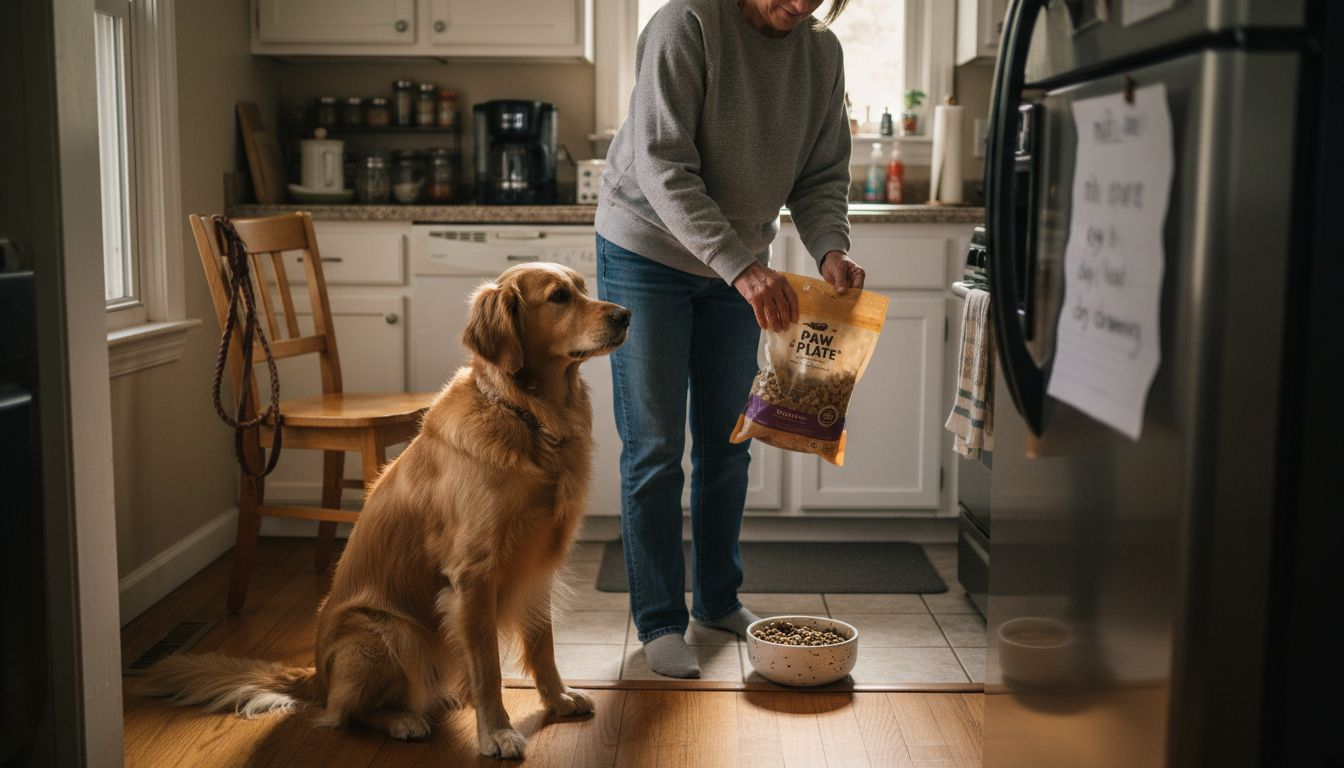
Balancing a busy American city lifestyle with your dog’s health needs can feel challenging when it comes to nutrition. Knowing that a dog’s dietary needs change based on age, breed, and health, finding the right food matters for every owner who wants the best results. This guide shows how to assess your dog’s unique requirements and transition them carefully to premium, freeze-dried formulas that offer nutrient retention, whole-food quality, and lasting well-being.
Table of Contents
Quick Summary
Key Takeaway | Explanation |
1. Assess Your Dog’s Current Diet | Evaluate your dog’s food intake, health status, and specific needs for insightful nutrition analysis. |
2. Choose High-Quality Freeze-Dried Food | Select freeze-dried formulas with whole ingredients and high-quality protein for optimal nutrition. |
3. Transition Slowly to New Food | Gradually mix the new food over 5-7 days to minimize digestive issues and help your dog adjust. |
4. Monitor Health During Transition | Keep track of weight, energy, and digestive comfort to ensure the new diet is suitable for your dog. |
5. Maintain Long-Term Nutritional Health | Regularly adjust your dog’s diet based on health assessments and changes in energy or coat quality. |
Step 1: Assess Your Dog’s Current Diet and Needs
Transitioning your dog’s nutrition requires a comprehensive understanding of their current dietary landscape. Before making any changes, you’ll need to conduct a thorough evaluation of your dog’s existing food intake, health status, and unique nutritional requirements.
Start by collecting detailed information about your current dog food. Document the brand, primary ingredients, protein sources, and daily serving amounts. Pay close attention to how your dog responds to their current diet - tracking energy levels, coat condition, digestive health, and overall vitality. These observations provide critical insights into potential nutritional gaps.
The key areas to assess include:
Current food brand and composition
Protein and nutrient percentages
Daily caloric intake
Your dog’s weight and body condition
Age and life stage specific needs
Any existing health conditions
Veterinary nutritionists recommend conducting a comprehensive dog nutrition assessment to understand precise dietary requirements. This evaluation helps determine whether your current food meets all essential nutritional standards for optimal canine health.
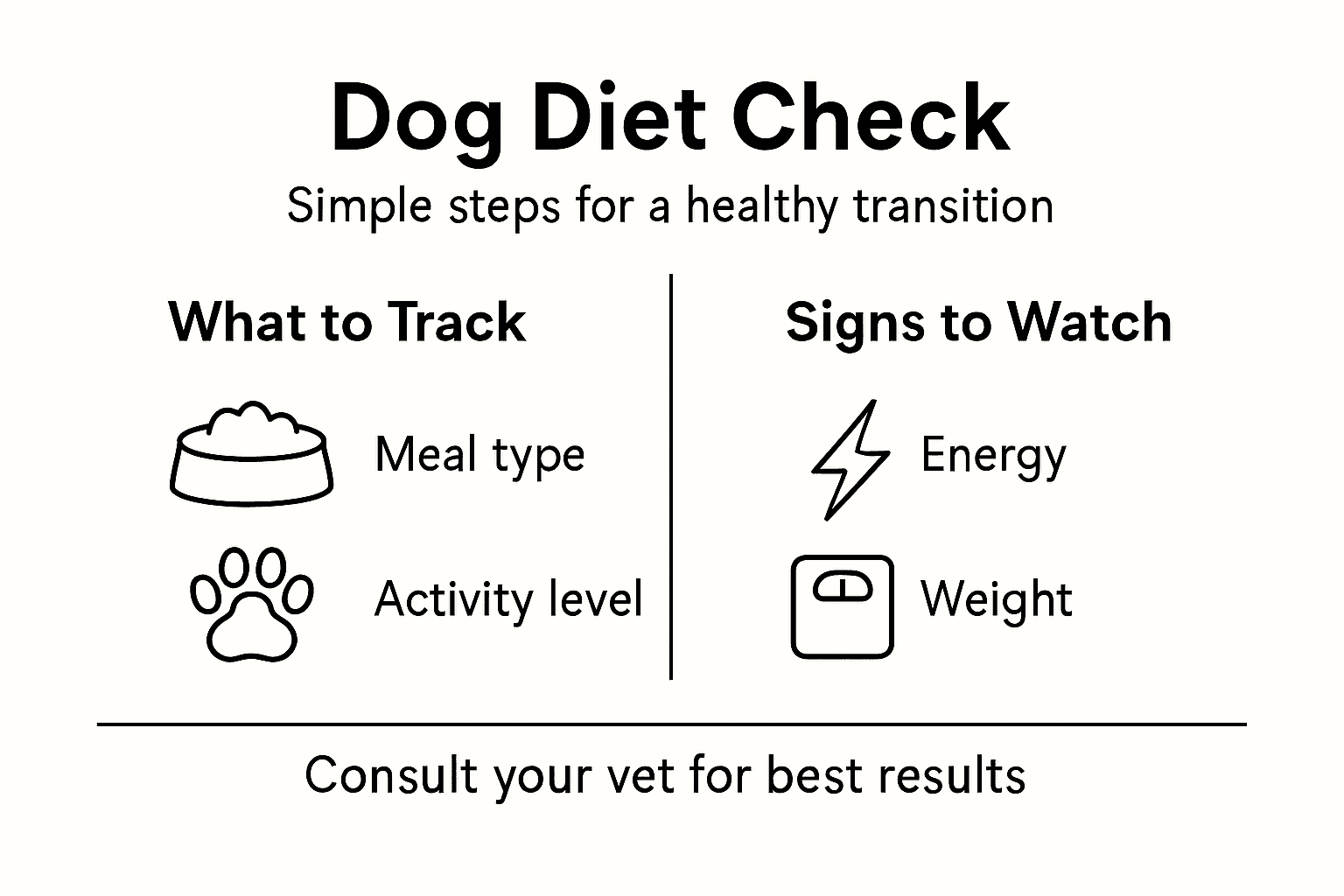
Here’s a summary of factors to consider when assessing your dog’s current nutrition:
Assessment Area | Why It Matters | Example Indicator |
Protein Composition | Supports muscle maintenance | Lean body condition |
Caloric Intake | Maintains healthy weight | Stable weight trends |
Ingredient Quality | Reduces allergy and intolerance risk | Shiny coat |
Age and Life Stage | Ensures age-appropriate nutrients | Energy consistency |
Health Status | Addresses special requirements | Sensitive digestion |
Nutrition isn’t one-size-fits-all. Your dog’s diet should be as unique as they are.
Pro tip: Keep a detailed food journal tracking your dog’s diet, weight, and health markers to create a clear nutritional baseline before transitioning foods.
Step 2: Select the Ideal Freeze-Dried Food Formula
Choosing the right freeze-dried food formula for your dog requires careful consideration of multiple nutritional factors. Your goal is to find a high-quality formula that meets your dog’s specific health needs while providing optimal nutrition.
When selecting a freeze-dried food, focus on whole food ingredients and minimal processing. Freeze-dried food technology preserves critical nutrients by removing water content while maintaining the food’s original nutritional profile. Look for formulas that prioritize high-quality protein sources as the primary ingredient, such as whole meats or named protein sources like chicken, beef, or fish.
Key criteria for selecting an ideal freeze-dried food include:
Protein content and quality
Ingredient sourcing and transparency
Nutritional balance for your dog’s life stage
Absence of artificial preservatives or fillers
Compatibility with your dog’s specific health requirements
Verified nutritional adequacy statements
A great freeze-dried food should look and smell like real food you’d want to eat yourself.
Consider consulting with your veterinarian to ensure the formula aligns with your dog’s unique dietary needs. Some dogs might require specialized nutritional support based on age, breed, or existing health conditions.
Use this table to compare freeze-dried and traditional dog food:
Factor | Freeze-Dried Food | Traditional Kibble |
Processing Method | Minimal, nutrient-preserved | High heat, altered texture |
Protein Source | Whole meat, premium cuts | Variable quality, by-products |
Shelf Life | Long, without additives | Long, often with preservatives |
Palatability | Strong natural aroma | Often less appealing |
Pro tip: Compare multiple freeze-dried food labels and request sample sizes to determine which formula your dog finds most palatable and digestible.
Step 3: Introduce New Food Gradually Over Days
Successfully transitioning your dog to a new food requires patience and a strategic approach. The goal is to minimize digestive stress and help your dog adjust to the new nutritional profile without causing gastrointestinal upset.
Gradual food transition methods recommend a careful, incremental process over 5 to 7 days. Begin by mixing a small proportion of new food with your dog’s current diet, slowly increasing the ratio of new to old food. Your transition strategy should look like this:
Days 1-2: 25% new food, 75% current food
Days 3-4: 50% new food, 50% current food
Days 5-6: 75% new food, 25% current food
Day 7: 100% new food
Key factors to monitor during the transition include:
Appetite levels
Stool consistency
Energy and activity levels
Overall digestive comfort
Any signs of food intolerance
Small, consistent changes are the key to a successful dietary transition.
Pay close attention to your dog’s individual response. Some dogs with sensitive stomachs might require an even slower transition, potentially extending the process to 10-14 days.

Pro tip: Keep a daily journal tracking your dog’s response to help you fine-tune the transition pace and identify any potential issues early.
Step 4: Monitor Your Dog’s Health and Adjust
Successfully transitioning your dog’s diet requires ongoing attention and a willingness to adapt based on their individual response. Your goal is to create a nutrition plan that supports their overall health and vitality.
Comprehensive health monitoring involves tracking multiple indicators that reveal how well your dog is adjusting to the new food. Pay close attention to key health signals that can indicate whether the dietary transition is working effectively.
Critical health markers to observe include:
Weight stability or appropriate changes
Energy and activity levels
Coat shine and skin health
Digestive consistency
Appetite and eating behavior
Overall mood and engagement
Each dog responds differently to dietary changes, so what works for one might not work perfectly for another. Be prepared to make incremental adjustments based on your observations.
Your dog’s body is the most honest feedback mechanism for nutritional changes.
If you notice persistent negative changes like consistent digestive issues, significant weight loss, or dramatic shifts in behavior, consult your veterinarian immediately. Professional guidance ensures you’re making the right nutritional choices for your dog’s specific needs.
Pro tip: Take weekly photos and maintain a detailed health log to track subtle changes that might not be immediately apparent during your dog’s nutritional transition.
Step 5: Maintain the Healthier Diet for Longevity
Successfully maintaining your dog’s nutritional health is an ongoing journey that requires consistent attention, strategic planning, and a proactive approach to their dietary needs. Your ultimate goal is to support their vitality and potentially extend their healthy lifespan.
Canine longevity research demonstrates that nutrition plays a critical role in determining overall health and quality of life. A carefully maintained diet goes beyond simply providing calories - it’s about delivering precise, age-appropriate nutrients that support cellular health, immune function, and metabolic balance.
Key strategies for long-term nutritional success include:
Regular veterinary nutrition consultations
Annual comprehensive health assessments
Adjusting food portions based on activity levels
Monitoring weight and body condition
Incorporating age-appropriate supplements
Maintaining consistent feeding schedules
Nutrition is not a destination, but a continuous journey of care and adaptation.
Pay attention to subtle changes in your dog’s energy, coat quality, and overall demeanor. These can be early indicators of how well your nutritional strategy is working and whether minor adjustments are needed.
Pro tip: Schedule biannual nutrition reviews with your veterinarian to ensure your dog’s diet evolves perfectly with their changing health needs.
Make Your Dog’s Food Transition Smooth and Nourishing with Loyal Saints
Transitioning your dog to a new food can be challenging but is essential for their natural health success. If you are looking to switch to freeze-dried, nutrient-packed meals that support vitality, muscle strength, and digestive wellness, Loyal Saints Pets offers premium options crafted from whole, human-grade ingredients. Our carefully balanced formulas minimize digestive stress during food changes and promote long-term well-being.
Explore our thoughtfully curated Bundles | Loyal Saints to simplify your dog’s nutritional shift. Whether your dog prefers rich Beef | Loyal Saints or wholesome Chicken | Loyal Saints recipes, each product meets AAFCO standards and is free from additives and fillers. Visit Loyal Saints now to start a healthy new chapter for your furry family member with food they will love and thrive on.
Frequently Asked Questions
How do I assess my dog’s current diet before transitioning to new food?
Assess your dog’s current diet by documenting the brand, ingredients, and daily serving amounts. Observe their energy levels, coat condition, and overall health to identify any nutritional gaps.
What should I look for in a high-quality freeze-dried dog food formula?
When selecting freeze-dried dog food, prioritize whole food ingredients and high-quality protein sources. Verify that the formula is balanced for your dog’s life stage and free from artificial preservatives or fillers.
How can I gradually introduce new food to my dog?
Introduce new food gradually over 5 to 7 days by mixing small amounts of new food with their current diet. Start with 25% new food and 75% old food, increasing the new food amount each day until you reach 100%.
What health indicators should I monitor during the transition?
Monitor your dog’s weight, energy levels, coat quality, and stool consistency throughout the transition. Keeping a daily journal can help you track any changes that might indicate whether the new diet is effective.
How often should I evaluate my dog’s diet after the transition?
Schedule regular evaluations of your dog’s diet every 6 months to ensure it aligns with their health needs. Pay attention to their body condition, energy, and overall health, making adjustments as necessary.
What should I do if my dog has digestive issues during the transition?
If your dog experiences digestive issues, slow down the transition process and continue with the old food for longer. Adjust the new food ratio gradually, potentially extending the transition to 10-14 days if needed.
Recommended
Comments