.png)
How to Create Balanced Meal Plans for Shelter Dogs Easily
- Nick Willkom
- a few seconds ago
- 7 min read
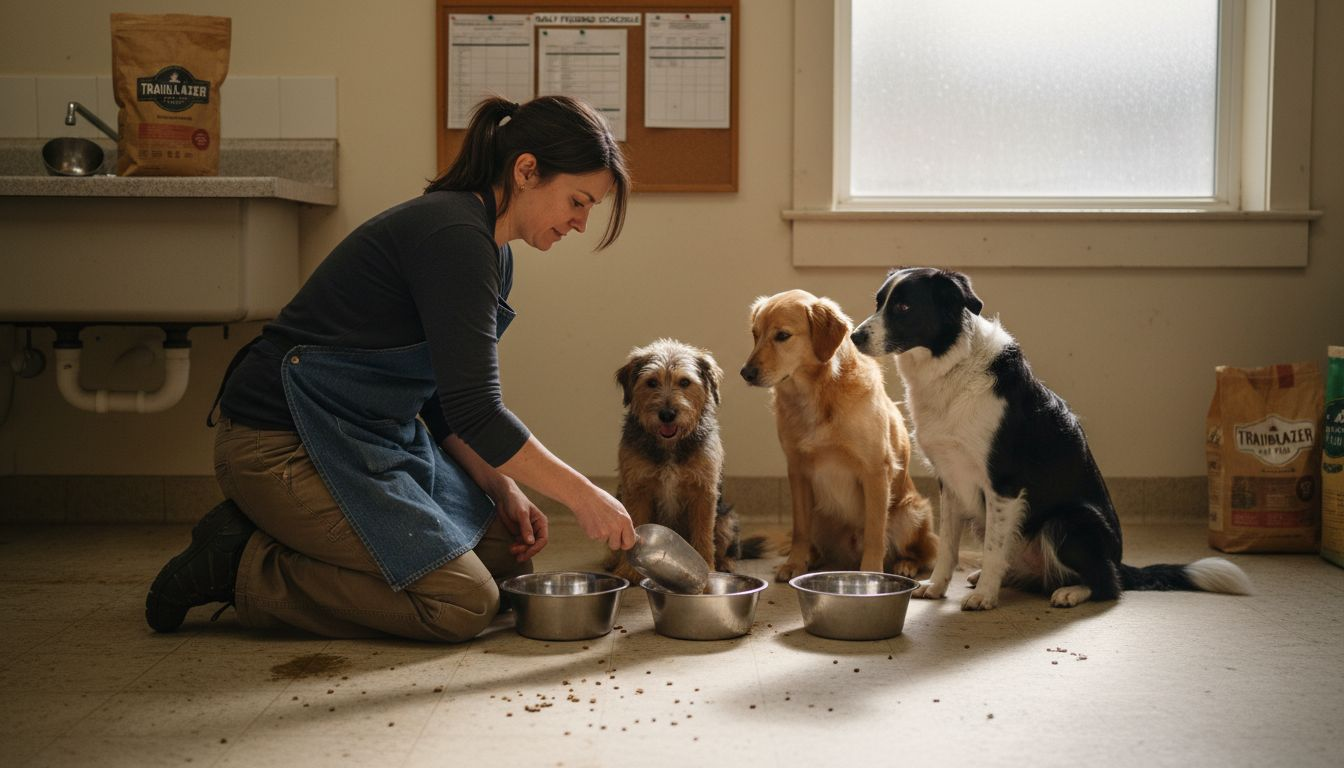
Caring for rescued dogs in busy urban shelters means facing the challenge of meeting varied and often complex nutritional needs. Each dog’s health and recovery depend on more than just a full bowl—they require a thoughtful mix of complete protein, produce, and veterinarian-recommended care. By focusing on premium natural freeze-dried foods that preserve essential nutrients and consulting trusted guidelines, you can confidently create balanced meal plans that support healthier, happier outcomes for every animal in your care.
Table of Contents
Quick Summary
Key Takeaway | Explanation |
1. Assess dogs’ nutritional needs | Conduct thorough assessments to tailor meal plans based on each dog’s health and history. |
2. Choose quality freeze-dried foods | Select natural foods with high protein and clear ingredients that meet AAFCO standards. |
3. Combine proteins with fruits and veggies | Create balanced meals with 50-60% protein and nutrient-dense fruits and vegetables. |
4. Adjust portions for age and activity | Tailor meal portions to each dog’s age, energy levels, and body condition to ensure proper nutrition. |
5. Monitor dietary outcomes rigorously | Regularly track each dog’s health progress and adjust nutritional plans based on specific needs. |
Step 1: Assess shelter dogs’ nutritional needs
Assessing the nutritional needs of shelter dogs requires a comprehensive and systematic approach that considers multiple health factors. Understanding their unique dietary requirements is crucial for supporting their recovery, growth, and overall wellness.
Begin by conducting a thorough nutritional assessment that examines the dog’s current physical condition, age, weight, activity level, and medical history. Veterinarians recommend evaluating key indicators such as body condition score, muscle mass, coat quality, and energy levels. Some critical elements to examine include overall body weight, muscle tone, hydration status, and potential signs of malnutrition or underlying health conditions.
To develop an accurate nutritional profile, collect detailed information about each shelter dog’s background, including estimated age, breed characteristics, previous diet, and any known medical issues. Utilize standard veterinary body condition scoring systems to objectively assess the dog’s current nutritional status. This will help you create a targeted meal plan that addresses specific dietary needs and supports the dog’s recovery and long-term health.
Pro Tip: Keep detailed nutritional assessment records for each dog to track progress and adjust meal plans as needed.
Step 2: Select premium natural freeze-dried foods
Selecting the right freeze-dried foods for shelter dogs is a critical step in creating balanced and nutritious meal plans that support their health and recovery. Your goal is to identify high-quality options that provide complete and balanced nutrition tailored to each dog’s specific needs.
When choosing freeze-dried foods, focus on products that preserve natural nutrients through minimal processing techniques. Look for foods that maintain high protein content, contain whole food ingredients, and avoid artificial additives. Prioritize options with clear ingredient lists featuring recognizable protein sources like chicken, beef, or fish as the primary component, followed by nutrient-rich fruits and vegetables. Check for AAFCO certification to ensure the food meets comprehensive nutritional standards for dogs, and consider the specific life stage and health requirements of each shelter dog.
Consult with veterinary nutritionists to develop a tailored approach that addresses individual dogs’ unique dietary needs. Some shelter dogs may require specialized diets that account for age, weight, medical history, or specific health conditions. Compare different freeze-dried food options, examining protein percentages, moisture content, and ingredient quality to create a comprehensive nutrition strategy that supports each dog’s optimal health and recovery.
Use this table to quickly assess food options for shelter dogs:
Product Attribute | Importance for Shelters | What to Look For |
Protein Source | Supports muscle strength | Chicken, beef, or fish first |
Ingredient Clarity | Ensures safety and transparency | Simple, recognizable items |
Processing Method | Preserves nutrient quality | Minimal heat, freeze-dried |
AAFCO Certification | Verifies balanced nutrition | Label confirming standards |
Pro Tip: Request sample sizes of different freeze-dried foods to test palatability and digestibility before committing to bulk purchases for your shelter.
Step 3: Combine protein, fruits, and veggies for balance
Creating balanced nutrition for shelter dogs requires carefully combining protein sources with fruits and vegetables to support their overall health and recovery. Your goal is to develop meal plans that provide comprehensive nutritional support through strategic ingredient selection.
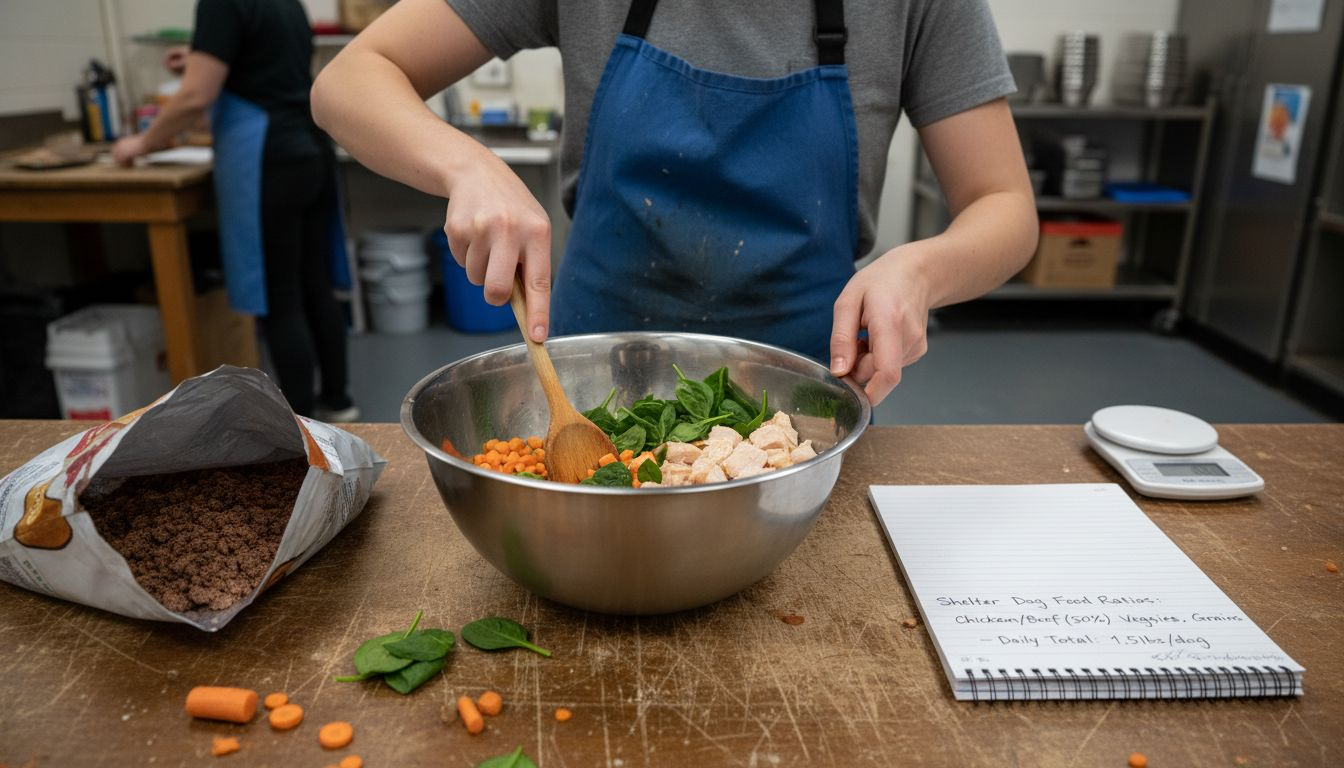
Focus on essential dog food ingredients that deliver complete nutritional profiles. Animal proteins should form the foundation of the meal plan, providing critical amino acids for muscle maintenance and growth. Choose high-quality protein sources like lean chicken, beef, fish, or turkey as the primary component. Complement these proteins with nutrient-dense fruits and vegetables that offer vitamins, minerals, and antioxidants. Select ingredients like blueberries, sweet potatoes, spinach, and pumpkin, which provide essential micronutrients while supporting immune function and digestive health.
When combining ingredients, aim for a balanced ratio that typically consists of approximately 50-60% protein, 10-20% fruits and vegetables, and the remaining percentage from other essential nutrients. Rotate protein sources and produce to ensure variety and prevent potential allergic reactions or nutritional deficiencies. Work with veterinary nutritionists to customize meal plans that address the specific needs of individual shelter dogs, taking into account factors such as age, weight, medical history, and activity level.
Pro Tip: Introduce new ingredients gradually and monitor each dog’s digestive response to ensure optimal nutrient absorption and minimize potential dietary stress.
Step 4: Adjust meal portions for age and activity level
Precise meal portioning is crucial for maintaining optimal health in shelter dogs, requiring a nuanced approach that considers multiple physiological factors. Your goal is to develop personalized feeding strategies that support each dog’s unique nutritional requirements.
Follow the 2021 nutrition and weight management guidelines to calculate appropriate meal portions. Younger dogs typically require more calories per pound of body weight due to higher metabolism and growth demands, while senior dogs need fewer calories to prevent weight gain. Active dogs with high energy levels will need increased protein and calorie intake compared to less active or sedentary shelter dogs. Consider key factors such as breed size, current body condition score, muscle mass, and overall health status when determining portion sizes.
Implement a systematic approach to portion control by regularly monitoring each dog’s weight, body condition, and energy levels. Work closely with veterinary professionals to create individualized feeding plans that adapt as the dog progresses through different life stages. Utilize body condition scoring systems to make precise adjustments, ensuring that meal portions support healthy weight maintenance and provide adequate nutrition for recovery and long-term well-being.
Here’s how different factors influence shelter dog meal portion adjustments:
Factor | Impact on Portion Size | Example Adjustment |
Age | Younger need more calories | Puppies: increase food amount |
Activity Level | Higher activity needs more food | Active dogs: add protein |
Body Condition Score | Underweight dogs need extra food | Increase portions if too thin |
Health Status | Illness may require changes | Special diets for medical needs |
Pro Tip: Invest in a digital kitchen scale to measure food portions accurately and maintain consistent nutritional intake for shelter dogs.
Step 5: Verify nutritional adequacy and monitor outcomes
Verifying the effectiveness of your shelter dog nutrition plan requires systematic assessment and ongoing monitoring. Your goal is to develop a robust tracking system that ensures each dog receives optimal nutritional support throughout their recovery and transition.
Apply the nutritional assessment guidelines to create comprehensive health monitoring protocols. Track key indicators such as weight progression, body condition score, muscle mass development, coat quality, energy levels, and overall clinical health. Conduct regular veterinary check-ups to evaluate the diet’s impact, measuring parameters like blood work, immune system response, and metabolic function. Pay special attention to individual dogs with specific health challenges, adjusting nutritional strategies based on their unique recovery trajectories.
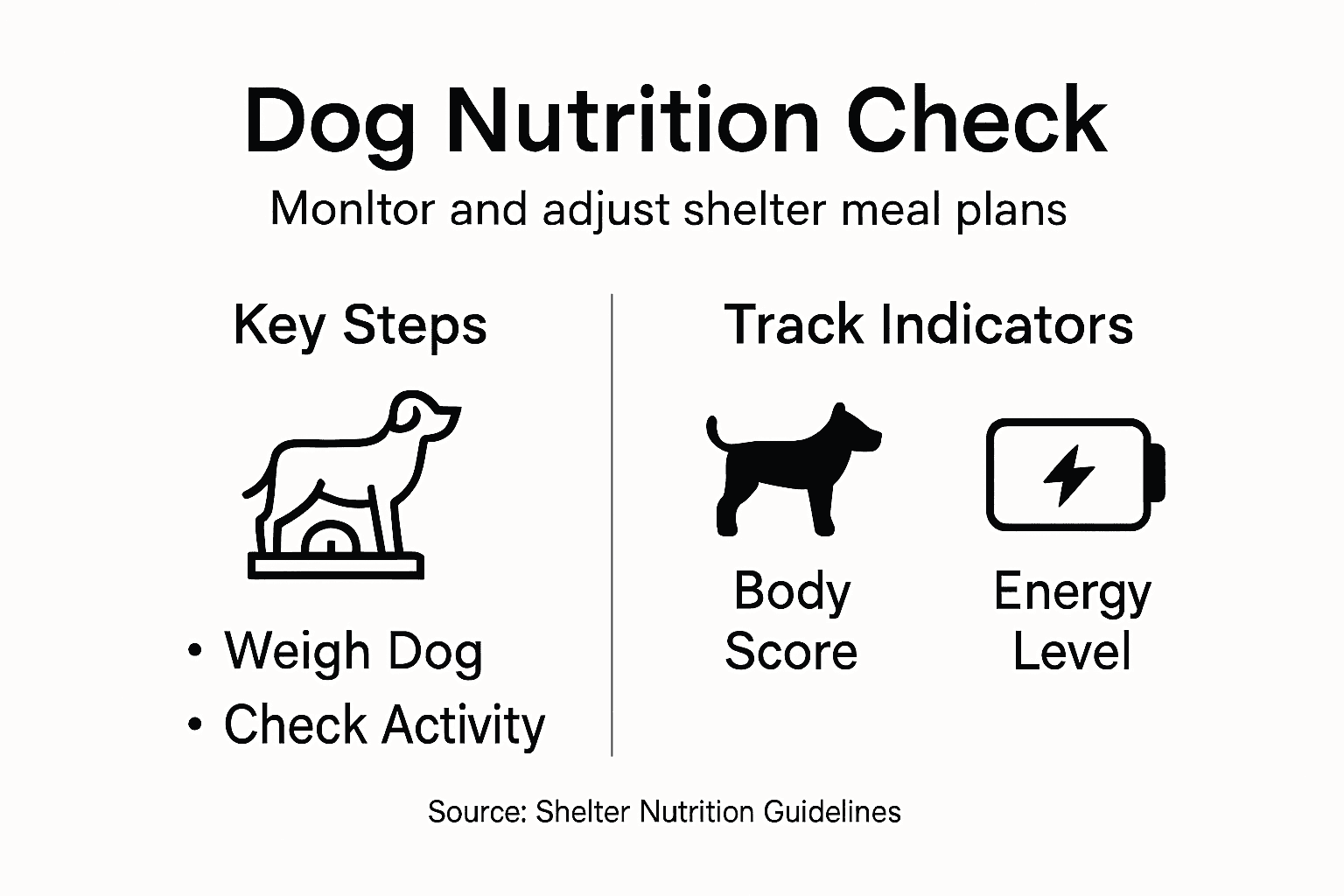
Establish a standardized documentation system that allows for detailed tracking of each shelter dog’s nutritional journey. Create individual nutrition profiles that record initial assessments, dietary interventions, and subsequent health outcomes. Collaborate with veterinary nutritionists to interpret data and make evidence-based adjustments to meal plans. This systematic approach ensures that your nutritional strategies remain dynamic, responsive, and precisely tailored to each dog’s evolving health needs.
Pro Tip: Develop digital tracking templates that allow quick comparison of nutritional interventions and health outcomes across different shelter dogs.
Build Balanced Meal Plans with Premium Freeze-Dried Nutrition
Feeding shelter dogs balanced meals can be challenging when managing age, activity, and health needs. This article highlights how combining proteins with fruits and veggies, adjusting portions, and ensuring nutritional adequacy can transform recovery and vitality. Loyal Saints Pets offers high-quality options to simplify this process with carefully crafted, natural freeze-dried foods made from whole ingredients to support muscle strength, allergy management, and digestive health.
Discover tailored selections like Chicken and Beef packed with human-grade proteins plus nutrient-rich extras. Choose from curated Bundles designed for balanced nutrition and convenience. Our minimal processing preserves essential nutrients to deliver effective energy and wellness benefits for shelter dogs at every life stage.

Ready to elevate your shelter’s feeding program with trusted, veterinarian-approved freeze-dried foods? Visit Loyal Saints Pets today for premium products that help foster healthier, happier, and longer lives for dogs in your care. Start creating balanced meal plans easily and effectively now.
Frequently Asked Questions
How can I assess the nutritional needs of shelter dogs?
To assess the nutritional needs, begin with a thorough evaluation of each dog’s physical condition, age, weight, and activity level. Collect information on their history and use body condition scoring to create an accurate nutritional profile, which will help inform a tailored meal plan.
What should I look for when selecting freeze-dried foods for shelter dogs?
Focus on selecting high-quality freeze-dried foods that preserve natural nutrients through minimal processing. Ensure that the food has recognizable protein sources as the primary ingredient, such as chicken or beef, and look for AAFCO certification to verify its nutritional adequacy.
How do I balance protein, fruits, and vegetables in shelter dog meals?
Aim for a balanced meal plan where 50-60% comes from protein sources, with 10-20% from fruits and vegetables. Incorporate high-quality proteins alongside nutrient-dense options like blueberries and sweet potatoes to support overall health and recovery.
How do I adjust meal portions based on a shelter dog’s age and activity level?
Adjust meal portions by considering each dog’s age, activity level, and body condition. For example, increase food amounts for growing puppies or active dogs, while reducing portions for senior dogs to maintain a healthy weight.
What steps should I take to verify the nutritional adequacy of shelter dog meal plans?
Verify nutritional adequacy by regularly monitoring indicators like weight, body condition score, and energy levels. Document each dog’s progress and health outcomes to ensure that meal plans are effectively supporting their recovery and overall health.
How can I create a tracking system for shelter dog nutrition?
Develop a standardized documentation system for each dog’s nutritional journey, including initial assessments and dietary changes over time. Use digital templates to easily compare dietary interventions and health outcomes, ensuring a responsive approach to each dog’s evolving needs.
Recommended