.png)
Natural Pet Nutrition: Enhancing Dog Health and Longevity
- Nick Willkom
- Jan 30
- 6 min read

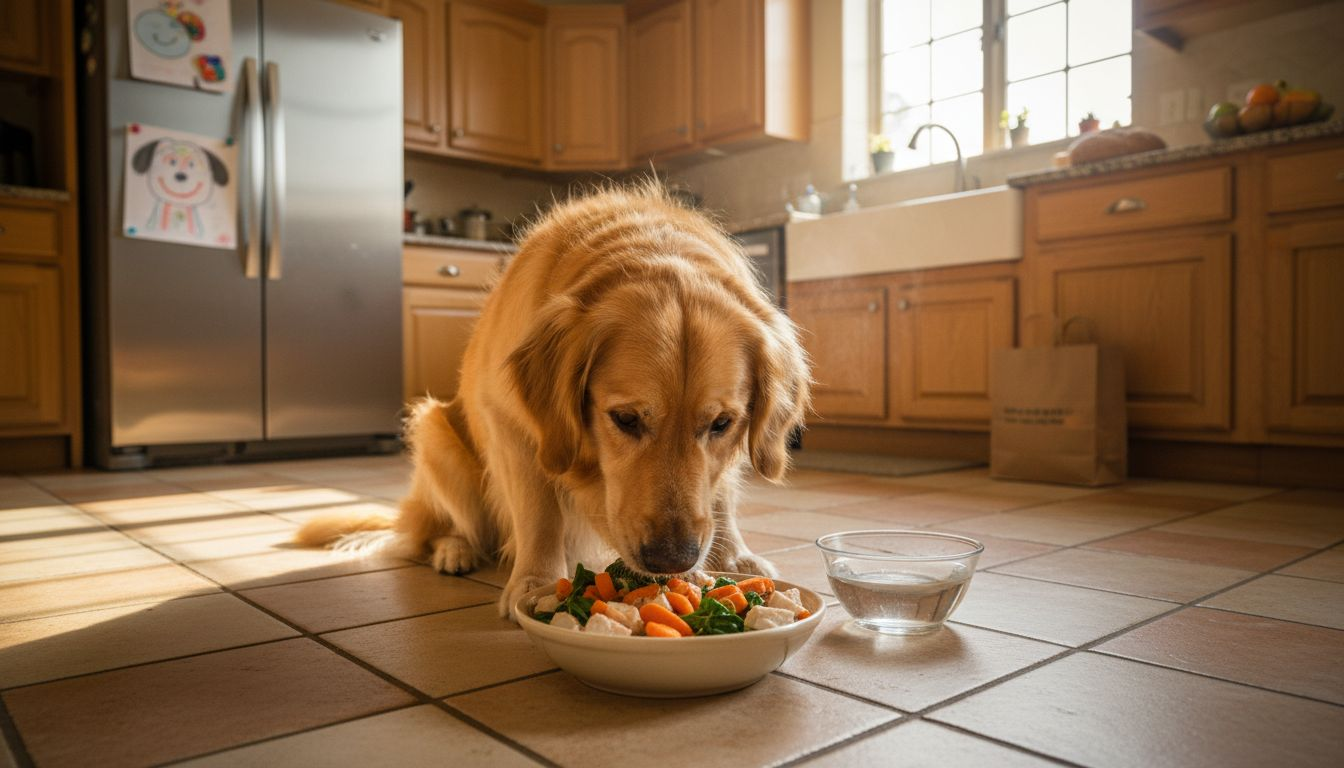
Finding truly natural dog food can feel complicated when every label promises health and quality. If you care deeply about your dog’s well-being, understanding what makes pet nutrition genuinely natural helps you cut through the noise. Premium options are more than a trend—they reflect a clear commitment to whole ingredients, minimal processing, and ingredient transparency. This guide reveals how science-backed standards and thorough ingredient reviews elevate your dog’s vitality and longevity without guesswork.
Table of Contents
Key Takeaways
Point | Details |
Understanding Natural Pet Nutrition | Focus on whole, minimally processed ingredients to enhance canine health and wellness. |
Types of Natural Nutrition | Options like Freeze-Dried Raw and Gently Cooked diets provide distinct benefits that support different dietary needs. |
Ingredient Standards | Ensure products meet AAFCO definitions and human-grade standards for quality and safety. |
Natural vs. Traditional Diets | Carefully consider the risks and benefits of both approaches to make informed feeding decisions for your dog. |
Defining Natural Pet Nutrition for Dogs
Understanding natural pet nutrition goes beyond simple food selection - it’s about providing dogs with minimally processed, whole-ingredient diets that support optimal health. Official definitions from AAFCO highlight that natural pet nutrition requires ingredients derived solely from plant, animal, or mined sources without chemical synthesis.
Natural pet nutrition fundamentally focuses on several core principles:
Sourcing ingredients from whole, unprocessed origins
Minimizing chemical additives and synthetic compounds
Prioritizing high-quality protein sources
Maintaining nutrient bioavailability
Supporting holistic canine wellness
The National Research Council provides scientific foundations for understanding these nutritional requirements. By analyzing dogs’ fundamental dietary needs, researchers have established comprehensive guidelines that help pet owners make informed nutrition choices. These standards ensure that “natural” isn’t just a marketing term, but a genuine commitment to canine health.
When evaluating natural pet nutrition, dog owners should consider key factors like ingredient transparency, minimal processing, and nutritional completeness. Nutrient requirement research indicates that natural diets must provide balanced macronutrients and micronutrients while avoiding unnecessary chemical interventions.
Pro tip: Always review ingredient lists carefully and prioritize whole food sources over processed byproducts when selecting natural dog nutrition options.
Types of Natural Nutrition: Freeze-Dried, Raw, and More
Dog nutrition has evolved dramatically, offering pet owners multiple natural feeding approaches that prioritize whole-ingredient health. Alternative protein sources are revolutionizing how we think about canine dietary options, presenting innovative ways to support optimal dog wellness.
Key types of natural dog nutrition include:
Freeze-Dried Raw: Preserves nutrients through low-temperature dehydration
Traditional Raw: Unprocessed, fresh meat-based diets
Gently Cooked: Minimally processed whole food diets
Plant-Based: Emerging vegetarian and vegan dog nutrition options
Whole Food: Minimally processed ingredients with maximum nutrient retention
Freeze-dried nutrition stands out as a particularly compelling option. By removing moisture at low temperatures, this method maintains the nutritional integrity of ingredients while creating a convenient, shelf-stable product. The process protects essential enzymes and nutrients that traditional high-heat cooking methods often destroy.

Protein diversity is becoming increasingly important in natural dog nutrition. Emerging protein alternatives like insect-based and plant-derived proteins offer sustainable options that can address allergies and environmental concerns while providing balanced nutrition.
Pro tip: Consult with a veterinary nutritionist to determine the most appropriate natural nutrition approach for your dog’s specific age, breed, and health requirements.
Here’s a side-by-side comparison of popular natural dog nutrition types and their unique strengths:
Nutrition Type | Key Strength | Best For |
Freeze-Dried Raw | Retains nutrients | Busy owners needing convenience |
Traditional Raw | High freshness | Owners with prep experience |
Gently Cooked | Mild on digestion | Dogs with sensitive stomachs |
Plant-Based | Allergy-friendly | Dogs with protein sensitivities |
Whole Food | Balanced nutrients | General all-life-stage support |
Key Benefits: Vitality, Immunity, and Digestive Support
Natural pet nutrition represents more than just a dietary choice - it’s a comprehensive approach to supporting your dog’s overall health and wellness. Dietary nutrients play a critical role in modulating immune function and promoting long-term vitality for dogs.
Key benefits of natural nutrition include:
Enhanced immune system resilience
Improved digestive health
Better nutrient absorption
Reduced inflammation
Increased energy levels
Stronger metabolic function
The gut microbiome emerges as a critical factor in canine health. Gut microbiota significantly influences immune responses and metabolic processes, with dietary components directly impacting microbiome diversity and overall wellness. By supporting a balanced microbiome, natural nutrition helps dogs maintain optimal health and fight potential diseases more effectively.
Nutritional components like phytonutrients, organic minerals, and whole food ingredients contribute to comprehensive health support. Vitamins and minerals from natural sources can help modulate immune responses, reduce inflammation, and promote cellular health, ultimately supporting your dog’s vitality and longevity.
Pro tip: Rotate protein sources and include diverse whole food ingredients to maintain microbiome diversity and support comprehensive nutritional intake.
Ingredient Standards: Human-Grade and AAFCO Compliance
Navigating pet nutrition requires understanding rigorous ingredient standards that protect your dog’s health. AAFCO defines precise ingredient requirements to ensure pet foods meet comprehensive safety and nutritional guidelines.
Key characteristics of high-quality dog food ingredients include:
Sourced from human-consumption grade facilities
Processed under strict food safety regulations
Transparent ingredient traceability
Minimally processed whole food components
Free from synthetic additives
Nutritionally complete for specific life stages
The human-grade designation represents more than a marketing term. It signifies that every ingredient meets federal human food safety standards, requiring meticulous handling, storage, and processing protocols. AAFCO nutritional standards mandate that pet foods must either meet minimum nutrient profiles or successfully pass comprehensive feeding trials to be labeled ‘complete and balanced’.
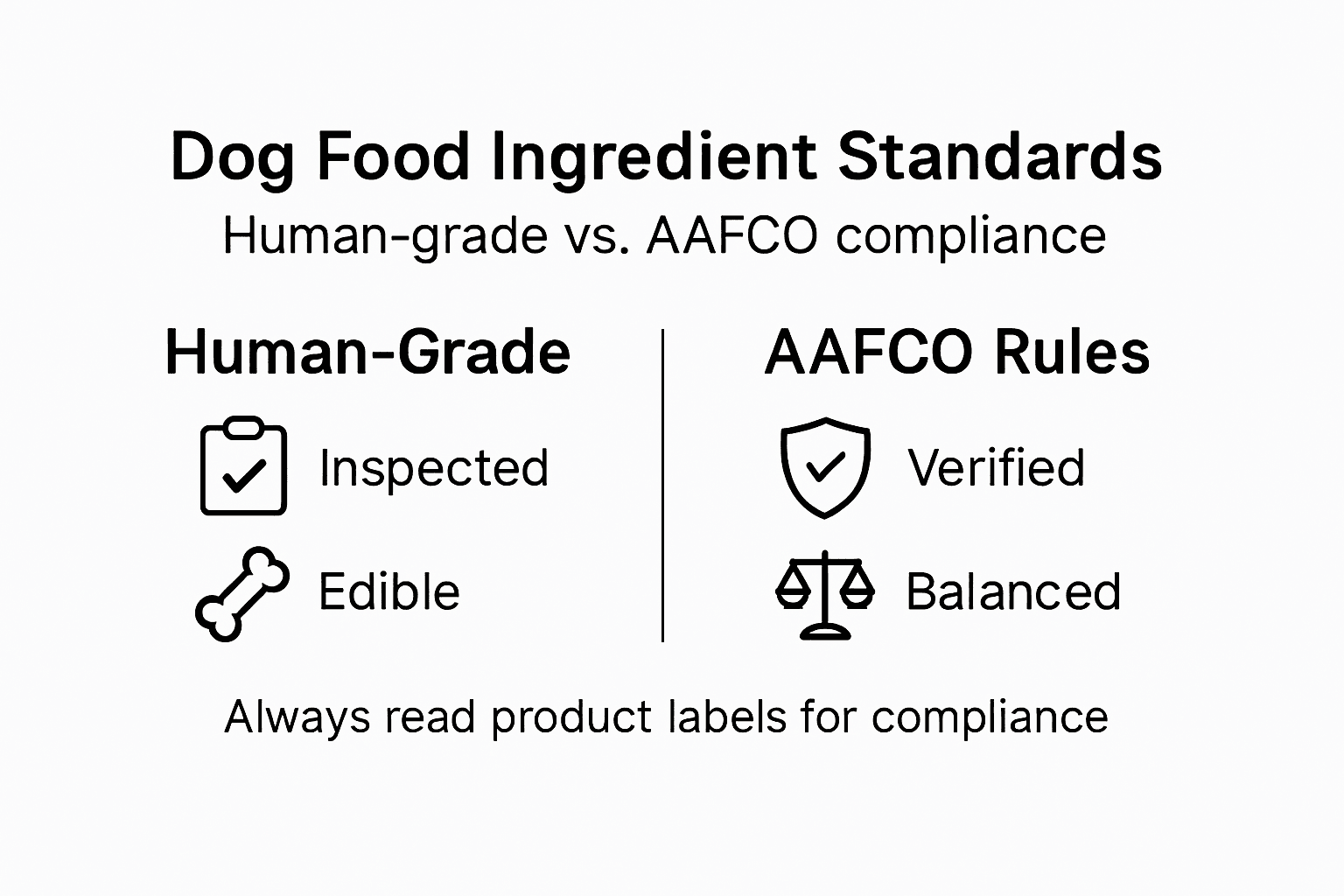
Inspection and verification are critical components of maintaining these high standards. Pet food manufacturers must demonstrate compliance through documented processes, ingredient sourcing transparency, and rigorous quality control mechanisms that protect canine nutritional needs.
Pro tip: Always review the AAFCO nutritional adequacy statement on pet food packaging to confirm the product meets established dietary standards for your dog’s specific life stage.
Risks and Comparisons: Natural vs. Traditional Diets
Choosing the right diet for your dog requires understanding the nuanced differences between natural and traditional feeding approaches. Scientific reviews reveal complex considerations surrounding nutrition, safety, and potential health impacts across different dietary strategies.
Key comparative factors between natural and traditional dog diets include:
Processing levels and ingredient quality
Nutritional completeness and balance
Potential pathogen risks
Digestibility and nutrient absorption
Cost and accessibility
Long-term health implications
Raw and minimally processed diets aim to mimic ancestral feeding patterns, but come with significant potential risks. Raw diet research highlights multiple concerns including potential pathogen transmission, nutritional imbalances, and physical hazards from unprocessed ingredients. Traditional commercial diets, while more processed, undergo rigorous safety testing and nutritional verification.
Veterinary professionals consistently recommend carefully evaluating dietary choices. While natural diets offer potential benefits like improved coat quality and nutrient density, they require meticulous preparation and professional guidance to ensure complete nutritional support and minimize health risks.
For reference, here is an overview comparing core features of natural and traditional dog diets:
Aspect | Natural Diets | Traditional Diets |
Processing Level | Minimal to moderate | Moderate to high |
Ingredient Traceability | Typically high | Often variable |
Typical Price | Higher | More affordable |
Safety Validation | Owner/vet managed | Manufacturer regulated |
Pathogen Risk | Higher (raw diets in particular) | Lower due to cooking/pasteurizing |
Pro tip: Consult with a veterinary nutritionist to develop a personalized diet plan that balances the potential benefits of natural nutrition with scientifically validated safety standards.
Elevate Your Dog’s Health with Natural, Freeze-Dried Nutrition
If you are seeking to enhance your dog’s immunity, digestive wellness, and overall vitality using truly natural pet nutrition, our premium Beef | Loyal Saints and Chicken | Loyal Saints freeze-dried options deliver balanced nutrition crafted from human-grade, whole ingredients. These formulas support nutrient retention without additives, aligning perfectly with the nutritional standards and benefits highlighted in the article.
Experience the difference that minimal processing and AAFCO-compliant, wholesome foods can make in promoting your dog’s longevity and active lifestyle. Explore convenient Bundles | Loyal Saints for variety and savings. Start investing in your pet’s health today by visiting Loyal Saints Pets and choosing natural nutrition that truly supports long-lasting wellbeing.
Frequently Asked Questions
What is natural pet nutrition for dogs?
Natural pet nutrition focuses on providing dogs with minimally processed, whole-ingredient diets that source ingredients from unprocessed origins, minimize chemical additives, and prioritize high-quality protein sources to support optimal health.
What are the different types of natural dog nutrition available?
The main types of natural dog nutrition include freeze-dried raw, traditional raw, gently cooked, plant-based diets, and whole food options, each with unique strengths tailored for various health needs and lifestyles.
How does natural nutrition benefit a dog’s health?
Natural nutrition can enhance a dog’s immune system resilience, improve digestive health, increase energy levels, and promote better nutrient absorption, leading to overall comprehensive health support and longevity.
What should I look for in ingredients when choosing natural dog food?
When selecting natural dog food, prioritize ingredients that are sourced from human-consumption grade facilities, processed minimally, free from synthetic additives, and label compliance with AAFCO nutritional standards.
Recommended
Comments