.png)
How to Store Freeze Dried Dog Food Naturally at Home
- Nick Willkom
- Dec 28, 2025
- 7 min read

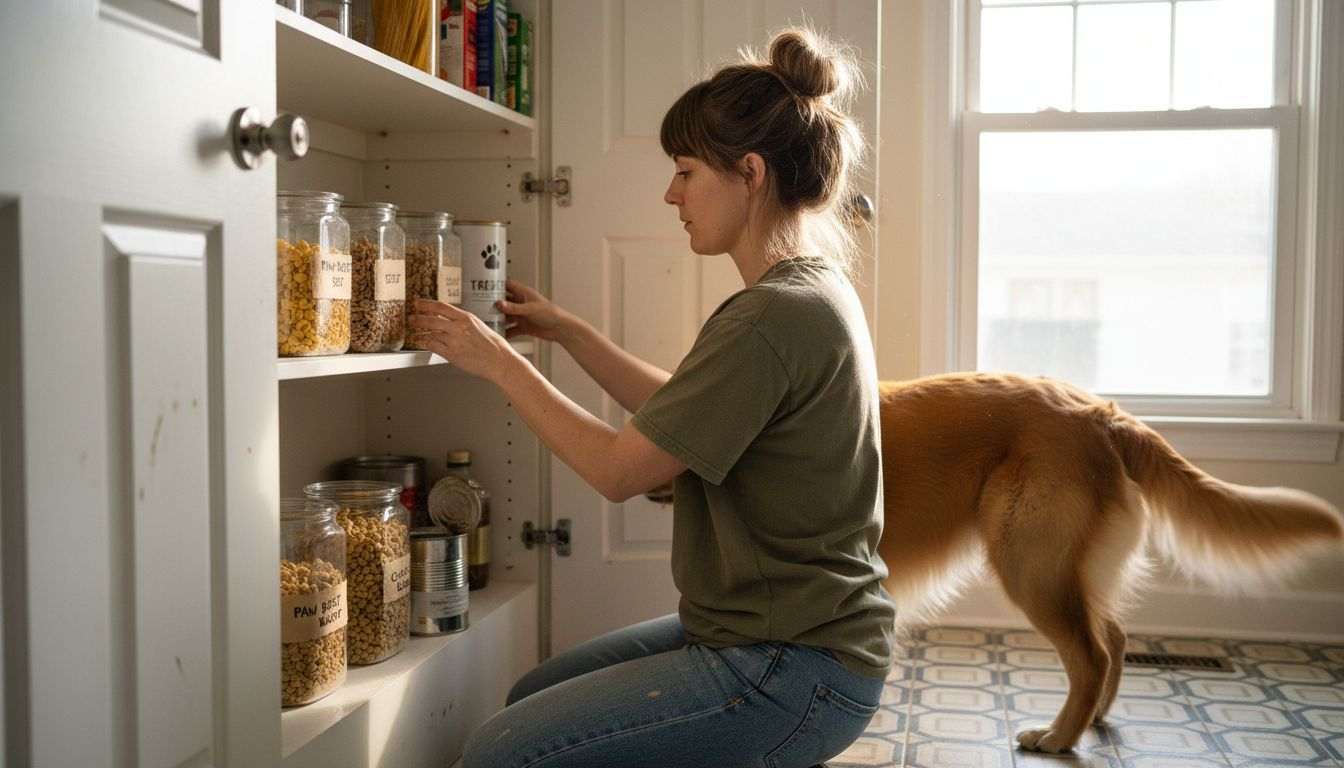
Finding reliable storage for premium freeze-dried dog food can be a challenge, especially for American pet lovers focused on nutrition and safety. Over 60 percent of urban households now prefer freeze-dried food for its quality and convenience. Protecting that investment means more than just picking a cupboard. This guide breaks down the smart steps for keeping your dog’s meals fresh so you can feel confident every time you feed your pup.
Table of Contents
Quick Summary
Key Takeaway | Explanation |
1. Choose the Right Storage Area | Select a cool, dry place away from heat and light to maintain food quality and shelf life. |
2. Use Airtight Containers | Opt for BPA-free plastic, glass, or metal containers that seal tightly to prevent moisture and oxygen contamination. |
3. Monitor Temperature and Humidity | Keep storage conditions between 50°F and 70°F, and use dehumidifiers to avoid moisture damage. |
4. Implement a Labeling System | Label containers with purchase and expiration dates, and use the first in first out method to prevent waste. |
5. Regularly Check Food Quality | Inspect food monthly for signs of spoilage like clumping or unusual odors to ensure your dog’s safety. |
Step 1: Choose the Best Storage Location
Selecting the perfect storage spot for your freeze-dried dog food will help preserve its nutritional quality and extend its shelf life. Your goal is to find an environment that protects the food from potential degradation factors like heat, light, and moisture.
Look for a storage area in your home that meets specific criteria recommended by food safety experts. Nutrition experts suggest choosing pantries, cupboards, or closets that maintain consistent, cool temperatures and low humidity. Ideal locations typically include kitchen cabinets away from the stove, a dedicated pantry shelf, or a climate-controlled storage area. Avoid spaces near windows, heating vents, or areas with temperature fluctuations like garages or outdoor sheds.
The key is creating a stable environment that shields your dog’s food from environmental challenges. According to University of Arizona Cooperative Extension guidelines, your chosen storage spot should be clean, dry, and completely out of direct sunlight. This approach helps maintain the food’s nutritional integrity and prevents potential spoilage.
Pro Tip: Invest in an affordable kitchen thermometer to monitor the temperature of your storage area and ensure it remains consistently cool between 50 to 70 degrees Fahrenheit.
Step 2: Select Airtight Containers or Bags
Selecting the right container is crucial for preserving your dog’s freeze-dried food and maintaining its nutritional quality. Your primary goal is to choose storage solutions that protect the food from moisture, oxygen, and potential contaminants.
The FDA recommends using sealed containers made of BPA-free plastic, glass, or metal with tight-fitting lids to prevent bacterial growth and maintain food safety. Consider investing in food-grade vacuum sealers or specialized containers designed specifically for dry pet food. These options create an airtight environment that significantly extends the food’s shelf life and prevents exposure to humidity and pests.
Vacuum-sealed Mylar bags and containers with oxygen absorbers offer additional protection for your dog’s nutrition. According to USDA food safety guidelines, these storage methods minimize oxygen exposure and help preserve the food’s original nutritional profile. When selecting containers, prioritize options that are transparent or easily labeled so you can track the food’s purchase date and monitor its condition.
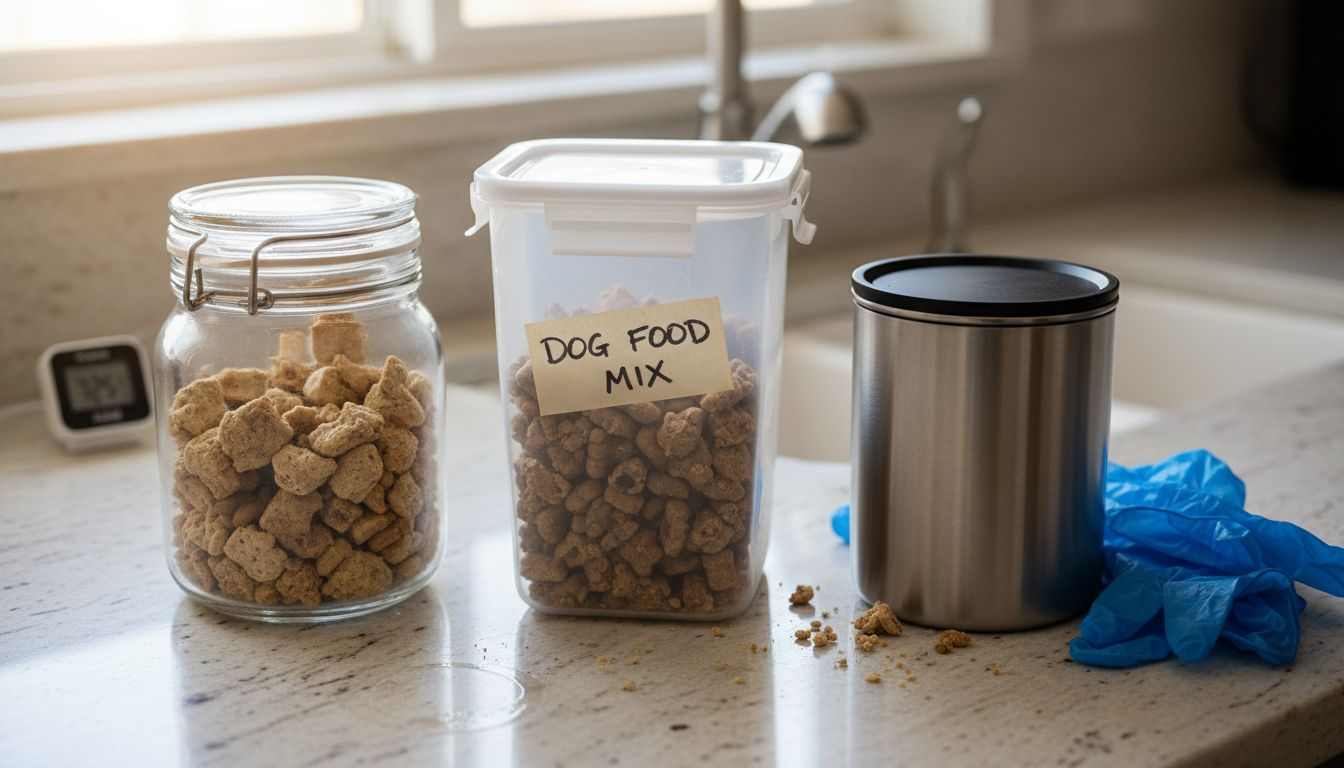
Pro Tip: Always clean and thoroughly dry containers before transferring freeze-dried dog food to prevent moisture buildup that could compromise food quality.
Here’s how different container types compare for freeze-dried dog food storage:
Container Type | Main Benefit | Drawback | Example Uses |
Glass Jar | Chemical-free storage | Can break if dropped | Pantry or cabinet |
BPA-Free Plastic | Lightweight, shatterproof | May stain or hold odors | Travel containers |
Metal Tin | Blocks light completely | May dent or rust over time | Long-term pantry |
Mylar Bag | Excellent oxygen barrier | Needs heat sealer | Bulk storage |
Step 3: Manage Humidity and Temperature Levels
Maintaining optimal storage conditions is critical for preserving the nutritional integrity and safety of your freeze-dried dog food. Your mission is to create a stable environment that protects the food from temperature fluctuations and excessive moisture.
California Department of Education storage guidelines recommend keeping storage areas between 50°F and 70°F, with consistent temperature and good ventilation. Use a digital thermometer to monitor your storage space and ensure it remains within this ideal range. Avoid storing food near heating vents, radiators, or in areas prone to temperature swings like garages or uninsulated spaces. Basements and interior kitchen cabinets often provide the most stable environment for maintaining consistent temperatures.
FDA guidance emphasizes the importance of dry conditions for shelf-stable foods, highlighting that humidity can quickly compromise food quality. Consider using a small dehumidifier or silica gel packets in your storage area to absorb excess moisture. Place your dog food containers away from windows, dishwashers, or other sources of steam and condensation that could introduce unwanted humidity and potentially accelerate food degradation.
Pro Tip: Invest in a small combination temperature and humidity monitor to keep precise track of your storage conditions without constant manual checking.
Step 4: Label and Rotate Dog Food Supplies
Keeping your dog’s freeze-dried food supplies organized and fresh requires a strategic approach to labeling and inventory management. Your goal is to create a simple system that ensures your dog always gets the freshest possible meal.
The University of Arizona Extension recommends implementing a clear labeling and rotation system using the first in first out method. When you purchase new freeze-dried dog food, label each container with the purchase date and expected expiration date using a permanent marker or waterproof label. Arrange your food storage so that older packages are in front and easily accessible, encouraging you to use them before newer supplies. This approach prevents food waste and guarantees your dog receives nutritionally optimal meals.
Nutrition guidelines emphasize the importance of maintaining an organized food storage area that allows for easy tracking and monitoring of your dog food inventory. Create a simple spreadsheet or use a dedicated smartphone app to track purchase dates, batch numbers, and expiration dates. Conduct monthly inventory checks to remove any packages approaching their expiration date and plan your purchases accordingly. This systematic approach helps you manage your dog’s nutritional supplies efficiently and cost effectively.
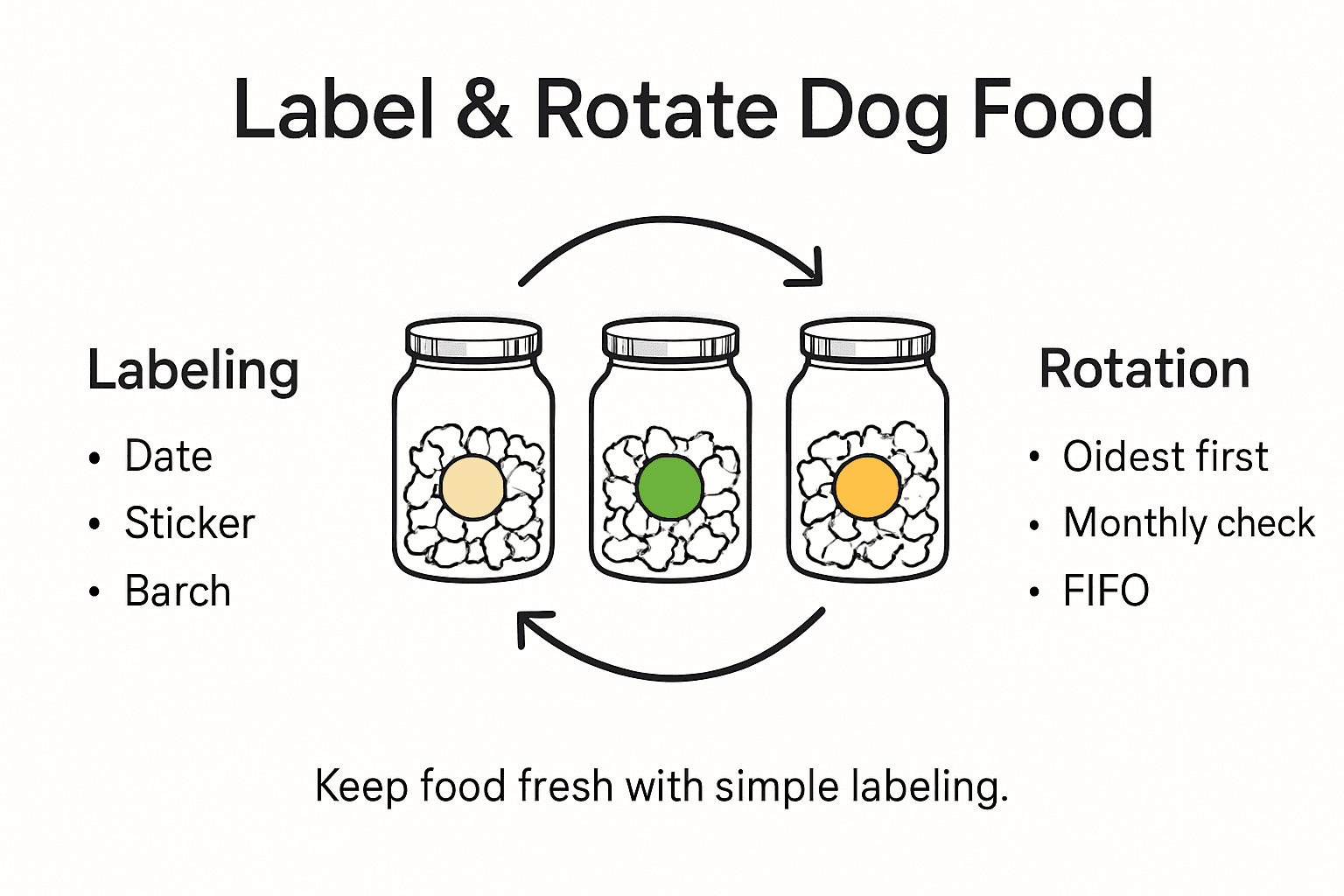
Pro Tip: Use color coded stickers or markers to quickly distinguish between different food batches and make rotation even more straightforward at a glance.
This table highlights how inventory management methods help keep food fresh and safe:
System Feature | Why It Matters | Benefit for Dog Food |
Purchase Date Label | Tracks food age | Prioritize oldest stock |
Batch Number Tracking | Identifies recalls fast | Speeds up safety checks |
Color Coding | Quick batch recognition | Simplifies food rotation |
Monthly Inventory Log | Tracks spoilage risks | Reduces waste, saves money |
Step 5: Monitor Food Quality and Freshness
Maintaining the nutritional integrity of your dog’s freeze-dried food requires consistent and careful monitoring. Your objective is to develop a systematic approach that ensures your dog receives only the highest quality meals.
Nutrition experts recommend regular inspections of stored food for potential signs of spoilage, using a systematic approach to track freshness. During your monthly food inventory checks, carefully examine each package for changes in color, texture, or unusual odors. Look for warning signs such as clumping, discoloration, moisture buildup, or any evidence of insect activity. These visual and sensory cues can help you identify potential food quality issues before they become serious health risks for your dog.
According to FDA food safety guidelines, foods showing any indication of mold, unusual smell, or significant texture changes should be immediately discarded. Consider using a dedicated food tracking app or maintaining a simple spreadsheet to log purchase dates, batch numbers, and inspection results. This proactive monitoring approach not only protects your dog’s health but also helps you manage your pet food inventory more efficiently.
Pro Tip: Take a quick smartphone photo of each food package during your monthly inspection to create a visual record and easily track any gradual changes in food quality.
Preserve Your Dog’s Nutrition with the Right Freeze-Dried Food Choices
Storing your freeze-dried dog food properly is vital to keep its natural goodness intact and support your pet’s health and vitality. The article highlights challenges like maintaining the right temperature, avoiding moisture, and using airtight containers to protect freeze-dried food from degradation. These storage steps ensure your dog enjoys the full benefits of nutrient-rich meals crafted from whole ingredients.
At Loyal Saints Pets, we understand your commitment to providing premium nutrition for your dog’s active lifestyle. Our Bundles | Loyal Saints offer convenient, carefully portioned selections of freeze-dried proteins and vegetables that arrive fresh and ready for proper storage at home. Choosing our top-quality Beef | Loyal Saints or Chicken | Loyal Saints options means you get natural, veterinarian-approved recipes made without fillers or additives, helping you maintain your dog’s muscle strength, allergy management, and digestive health.
Start treating your dog to wholesome meals that stay fresh and nutritious through smart storage and sourcing. Visit Loyal Saints Pets today to explore our premium freeze-dried dog food options and make every meal a step toward a healthier, happier life for your furry family member.
Frequently Asked Questions
How can I choose the best storage location for freeze-dried dog food?
To choose the best storage location, look for a space that is cool, dry, and away from direct sunlight. Ideal spots include kitchen cabinets or a dedicated pantry shelf. Aim to keep temperatures consistent between 50 to 70 degrees Fahrenheit.
What type of containers should I use for freeze-dried dog food?
Use airtight containers made of BPA-free plastic, glass, or metal with tight-fitting lids. These options prevent moisture and oxygen exposure, ensuring the food maintains its nutritional quality. Consider using vacuum-sealed Mylar bags for additional protection against humidity and pests.
How can I manage humidity and temperature when storing dog food?
Maintain humidity and temperature by keeping the storage area between 50°F and 70°F with good ventilation. Utilize a digital thermometer to monitor conditions and consider using silica gel packets to absorb excess moisture. Regularly check for steam sources and ensure food is not near heating vents or windows.
Why is it important to label and rotate my dog’s food supplies?
Labeling and rotating food supplies help ensure you use the oldest food first, minimizing waste and keeping your dog’s meals fresh. Use permanent markers to label containers with purchase and expiration dates, and arrange your food so older items are at the front for easy access.
How can I monitor the quality and freshness of freeze-dried dog food?
Inspect your stored dog food regularly for visual signs of spoilage, such as clumping or discoloration. Conduct monthly checks and keep a simple log of purchase dates and inspection results to ensure you discard any food that shows signs of decline. This proactive approach protects your dog’s health and maintains food quality.
Recommended
Comments