.png)
Choose Healthy Dog Food for Shelters: Cut Vet Visits 25%
- Towanda Brunson
- 2 days ago
- 11 min read
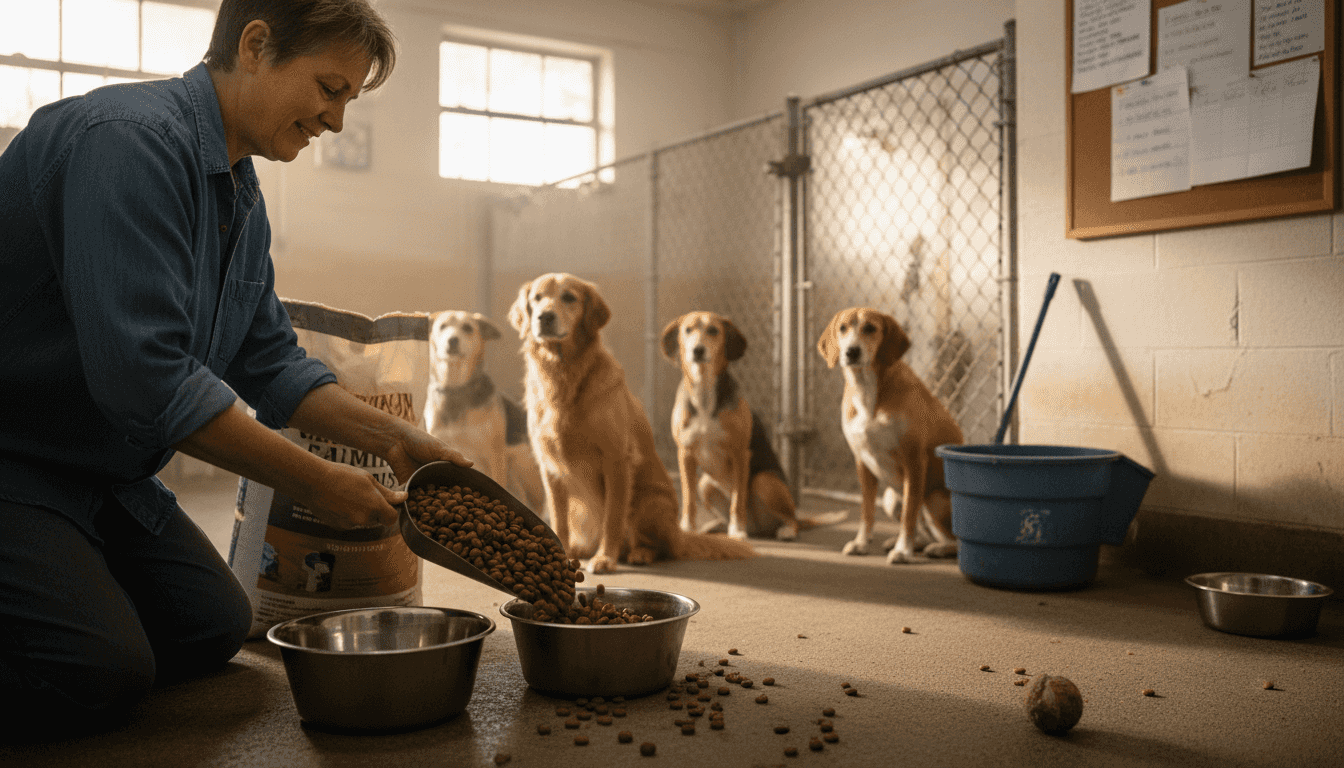
Shelters face a tough challenge when selecting dog food. You need to balance tight budgets with the health needs of diverse dogs, from puppies to seniors with allergies. Premium dog food can reduce vet visits by 25%, cutting long-term costs while boosting dog wellbeing. This guide walks you through choosing healthy, budget-friendly options that improve outcomes without breaking the bank.
Table of Contents
Key Takeaways
Point | Details |
Nutritious dog food meets AAFCO standards and avoids harmful additives | Complete nutrition requires balanced protein, fats, vitamins, and minerals without BHA, BHT, or ethoxyquin. |
Premium foods boost health but cost more upfront | Freeze-dried options preserve 90-95% of nutrients yet run $2-$3.50 per dog daily versus $0.70-$1.20 for conventional. |
Monitoring dog health indicators confirms diet effectiveness | Track weight, coat condition, stool quality, and vet visits over 4-6 weeks to validate food choices. |
Gradual diet changes prevent digestive upset | Transition over 7-10 days by slowly increasing new food percentage to avoid vomiting or diarrhea. |
Balanced budgeting improves health and reduces vet costs | Investing 20-30% more in quality food can lower annual vet expenses by 15-20% through better health. |
Prerequisites: Understanding Nutritional Standards and Shelter Needs
Before choosing dog food, you need to understand what makes it complete and balanced. AAFCO nutrient profiles set minimum requirements for protein, fat, vitamins, and minerals that define complete dog food. These standards ensure dogs receive essential nutrients for growth, maintenance, and health across life stages.
Shelter dogs present unique challenges. You manage puppies, adults, seniors, and dogs with allergies or sensitivities all under one roof. A Chihuahua has different caloric needs than a German Shepherd. Some dogs thrive on chicken-based diets while others need novel proteins to avoid reactions.
Veterinarian input is critical. Your vet can assess individual dog health conditions and recommend tailored diet choices. They identify dogs needing weight management, joint support, or hypoallergenic foods. This collaboration ensures you select foods that address specific health concerns rather than using a one-size-fits-all approach.
Understanding these foundations helps you evaluate dog food suitability. You can compare ingredient lists against AAFCO standards, assess whether a food meets diverse shelter needs, and make informed decisions. Balanced meal plans for shelter dogs require this baseline knowledge to succeed.
Step 1: Evaluating Ingredients for Health Benefits
Ingredient quality directly impacts dog health. Start by examining the first five ingredients on any label, as they make up the bulk of the food. Look for named meat sources like chicken, beef, or salmon rather than vague terms like meat meal or animal by-products. Foods with >20% protein from named meat sources show 35% higher digestibility rates than those with generic meat by-products.
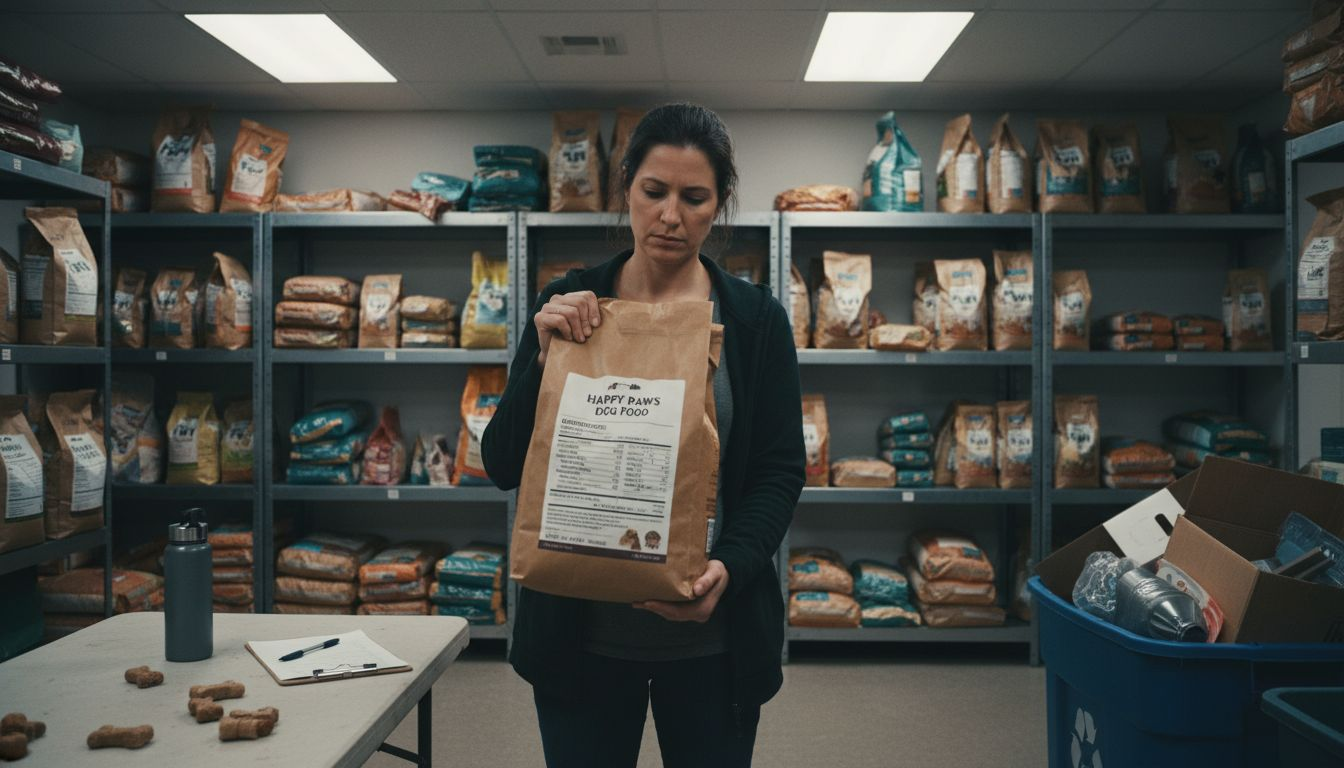
Quality proteins build muscle, support immune function, and provide energy. Named sources ensure you know exactly what your dogs are eating. Chicken meal, for example, is concentrated protein from real chicken, while meat meal could come from any animal.
Include fruits and vegetables as natural nutrient sources. Blueberries provide antioxidants, sweet potatoes offer fiber and vitamins, and carrots support eye health. These whole food ingredients deliver vitamins and minerals in forms dogs absorb easily. They also add variety and palatability to meals.
Avoid harmful additives that compromise health:
Artificial preservatives like BHA, BHT, and ethoxyquin have been linked to allergies and organ damage
Fillers such as corn, soy, and wheat offer minimal nutrition and trigger sensitivities in many dogs
Artificial colors and flavors serve no nutritional purpose and may cause adverse reactions
Generic fat sources like animal fat instead of named sources like chicken fat
Pro Tip: Use a dog food ingredient checker to streamline evaluation. These tools flag harmful ingredients and rate overall quality. You can also explore a dog food ingredient analyzer to compare multiple brands quickly, or review an essential dog food ingredients checklist to ensure you cover all bases.
Step 2: Considering Freeze-Dried Food Benefits and Costs
Freeze-dried dog food offers unique advantages for shelter environments. The freeze-drying process preserves 90-95% of nutrients versus traditional cooking methods that destroy heat-sensitive vitamins and enzymes. This retention means dogs get maximum nutritional value from every meal.
The process works by freezing raw ingredients then removing moisture through sublimation. Proteins, fats, vitamins, and minerals remain intact. Dogs digest these foods easily because enzymes stay active, supporting gut health and nutrient absorption.
Cost is a significant consideration. Freeze-dried food runs $2-$3.50 per dog daily compared to $0.70-$1.20 for conventional kibble. For a 50-dog shelter, this means $100-$175 daily versus $35-$60, a substantial upfront difference. However, long-term health benefits often offset initial costs.
Freeze-dried food is ideal for dogs with specific needs:
Allergies or food sensitivities benefit from limited ingredient formulas with single protein sources
Digestive issues improve due to high digestibility and active enzymes
Picky eaters often prefer the taste and aroma of freeze-dried foods
Senior dogs with dental problems can rehydrate the food for easier eating
May reduce vet visits and improve wellbeing. Healthier dogs mean fewer skin infections, ear problems, and gastrointestinal issues that require veterinary care. A freeze-dried dog food cost-benefit analysis helps you calculate whether the investment makes financial sense for your shelter’s population and budget.
Step 3: Budgeting and Cost-Benefit Analysis
Creating a realistic dog food budget requires balancing upfront costs with long-term savings. Premium dog food costs $2-$3.50 per dog daily compared to $0.70-$1.20 for conventional options. For a 50-dog shelter, annual food costs jump from $12,775-$21,900 for conventional to $36,500-$63,875 for premium. That’s a 20-30% budget increase.
However, investing in quality food can reduce vet visits by 25%. If your shelter spends $25,000 annually on veterinary care, a 25% reduction saves $6,250. Factor in fewer medications, treatments, and emergency visits. Annual vet expenses may drop 15-20% overall, offsetting much of the increased food cost.
Cost Category | Conventional Food | Premium Food | Savings/Increase |
Daily Food Cost (50 dogs) | $35-$60 | $100-$175 | +$65-$115/day |
Annual Food Cost | $12,775-$21,900 | $36,500-$63,875 | +$23,725-$41,975 |
Annual Vet Costs | $25,000 | $21,250 | -$3,750 (15%) |
Net Annual Impact | $37,775-$46,900 | $57,750-$85,125 | Variable |
Your budget must consider both immediate food expenses and downstream health costs. Healthier dogs get adopted faster, reducing length of stay and associated expenses. Better nutrition also means fewer behavioral issues from discomfort or poor health.
Follow these steps to create and adjust your budget:
Calculate current food and veterinary spending for the past 12 months
Identify dogs with chronic health issues that drive vet costs
Research premium food options and calculate projected daily costs
Estimate potential vet cost reductions based on health improvements
Start with a pilot group of 10-15 dogs to test results before full implementation
Track costs and health changes monthly to validate assumptions
Pro Tip: Track costs and health changes monthly for ongoing optimization. Create a simple spreadsheet noting food expenses, vet visits, adoption rates, and health indicators. After three months, you’ll have data to adjust your approach. If results exceed expectations, expand premium food use. If costs remain too high, try mid-tier options that balance quality and affordability.
Step 4: Monitoring Health and Outcomes After Food Change
Measuring success requires tracking specific health indicators. Weight changes reveal whether dogs maintain healthy body condition. Weigh dogs weekly during the first month, then monthly thereafter. Underweight dogs should gain steadily while overweight dogs lose gradually. Stable weights in healthy-condition dogs confirm proper nutrition.
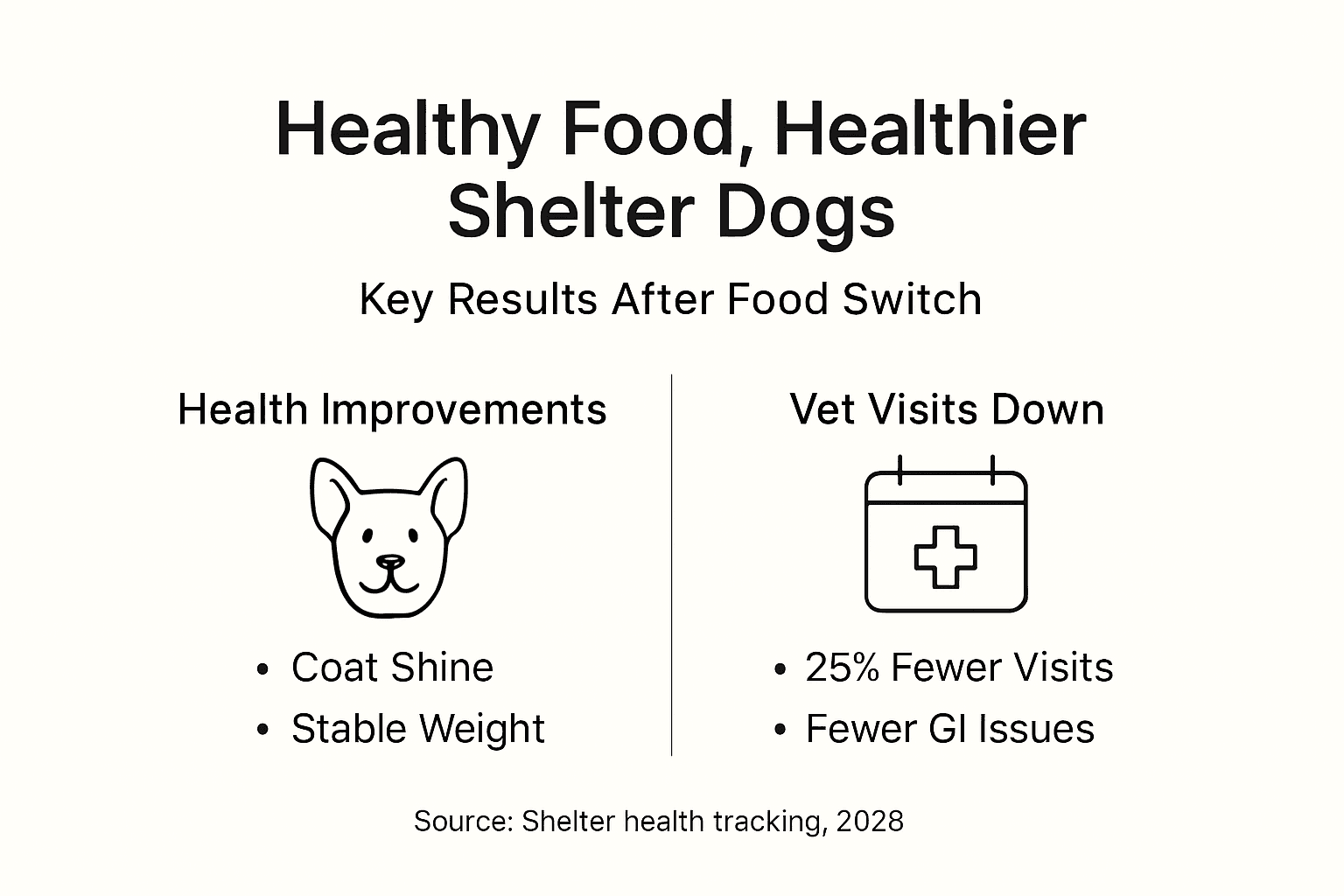
Coat condition improvements appear within 4-6 weeks. Dull, brittle fur becomes shinier and softer as essential fatty acids and proteins take effect. Reduced shedding and fewer skin issues like hot spots or dandruff signal better nutrition. Run your hand through a dog’s coat weekly to assess texture and shine changes.
Monitor stool quality for digestive health:
Firm, well-formed stools indicate good digestion
Reduced gas and less frequent bowel movements suggest efficient nutrient absorption
Elimination of loose stools or diarrhea confirms the food agrees with the dog
Color should be chocolate brown, not pale or very dark
Reduced veterinary visits signal positive outcomes. Track the number of vet appointments for skin infections, ear problems, digestive issues, and allergies. Noticeable health improvements within 4-6 weeks via weight, coat quality, and stool monitoring validate your food choice. Compare monthly vet visit totals before and after the diet change.
Regular documentation aids decision-making. Create a simple tracking sheet for each dog or group noting weight, coat condition score (1-5), stool quality rating, and health issues. Review data monthly to identify trends. Dogs not improving may need different protein sources or additional veterinary assessment. Consistent positive changes across most dogs confirm your food choice works.
Step 5: Implementing Dietary Changes Safely
Abrupt food changes cause digestive upset. Dogs’ gut bacteria need time to adjust to new ingredients. A gradual 7-10 day transition minimizes vomiting, diarrhea, and food refusal. This timeline works for most healthy adult dogs, though puppies and seniors may need 10-14 days.
Follow this transition schedule:
Days 1-2: Mix 25% new food with 75% current food
Days 3-4: Mix 50% new food with 50% current food
Days 5-6: Mix 75% new food with 25% current food
Days 7+: Feed 100% new food
Observe dogs for eating acceptance and signs of intolerance. Watch each meal to ensure dogs eat willingly. Hesitation or refusal may indicate palatability issues. Check for vomiting within 2-3 hours of eating, diarrhea or loose stools, excessive gas, or lethargy after meals. These signs suggest you’re moving too fast.
If problems occur, slow the transition. Return to the previous ratio for 2-3 days until symptoms resolve, then proceed more gradually. Some dogs with very sensitive stomachs need 14-21 days. Transitioning dogs with sensitive stomachs requires extra patience and monitoring.
Pro Tip: Use mixed feeding strategies to ease acceptance. Add warm water or low-sodium broth to dry food to enhance aroma and palatability. Mix in a small amount of canned food or plain cooked chicken to entice picky eaters. These additions make new food more appealing while maintaining nutritional balance. Understanding digestive health during food transition helps you anticipate and address challenges.
Common Mistakes to Avoid in Dog Food Selection
Shelter managers make predictable errors when choosing dog food. Learning from these mistakes saves time, money, and dog health. Awareness helps you sidestep common pitfalls.
Avoid foods with artificial preservatives and fillers. BHA, BHT, and ethoxyquin extend shelf life but may cause allergies and organ damage. Corn, soy, and wheat fillers provide minimal nutrition and trigger sensitivities. These ingredients reduce food quality while increasing health problems. Always read labels carefully and reject foods containing these additives.
Do not switch foods abruptly without transition. Jumping directly to new food causes vomiting, diarrhea, and food refusal. The digestive upset stresses dogs and wastes food. Always use the 7-10 day gradual transition method regardless of urgency.
Balance cost with nutritional quality rather than choosing cheapest alone:
Rock-bottom prices usually mean poor ingredients and minimal nutrition
Dogs eat more low-quality food to meet nutritional needs, increasing actual cost
Health problems from poor nutrition create expensive vet bills
Mid-tier foods often provide better value than either extreme
Consult vets to prevent poor diet choices. Veterinarians identify health conditions requiring specific diets. They recommend appropriate protein sources, calorie levels, and supplements. Skipping this step means you might feed foods that worsen existing conditions or miss opportunities to address health issues through nutrition.
Regularly review diet impact and adjust. Don’t assume a food that worked initially continues performing optimally. Dogs’ needs change with age, health status, and activity level. Review health indicators quarterly and be willing to modify your approach. Common dog feeding mistakes often persist because managers don’t reassess regularly.
Expected Results and Success Metrics
Setting realistic expectations helps you evaluate success and stay motivated. Quality dog food produces measurable improvements within specific timeframes. Understanding these benchmarks lets you track progress and adjust as needed.
Within 3 months expect 25% fewer vet visits and allergy reductions. Skin issues, ear infections, and digestive problems decline as nutrition improves. Dogs with food sensitivities show reduced itching, hot spots, and paw licking. Respiratory allergies may also decrease due to stronger immune systems.
Coat shine and stable, healthy weight often improve in 4-6 weeks. Dull, brittle fur transforms into shiny, soft coats as essential fatty acids take effect. Underweight dogs gain lean muscle while overweight dogs shed excess fat. Energy levels increase as dogs receive optimal nutrition.
Health Metric | Timeline | Expected Improvement |
Coat Quality | 4-6 weeks | Shinier, softer, less shedding |
Weight Stability | 6-8 weeks | Healthy body condition maintained |
Digestive Health | 2-4 weeks | Firmer stools, less gas |
Vet Visit Reduction | 3 months | 25% fewer appointments |
Allergy Symptoms | 6-12 weeks | 30-50% reduction in itching, hot spots |
Budget increases of 20-30% on food may yield 15-20% vet cost savings. For a shelter spending $25,000 annually on vet care, that’s $3,750-$5,000 saved. Food costs rise $23,000-$42,000 for premium options, so net impact varies. However, faster adoptions and improved shelter reputation from healthier dogs provide additional value.
Improved stool quality and fewer gastrointestinal issues up to 40%. Firm, well-formed stools replace loose or inconsistent bowel movements. Gas and bloating decrease significantly. Dogs with chronic diarrhea often resolve completely on quality food. These improvements enhance dog comfort and reduce cleaning time.
Discover Premium Freeze-Dried Dog Foods for Shelters
You’ve learned how to evaluate ingredients, budget effectively, and implement diet changes safely. Now it’s time to explore options that deliver these benefits. Premium freeze-dried food offers superior nutrition retention, preserving 90-95% of vitamins and enzymes that traditional processing destroys.
Freeze-dried options excel at allergy management and digestive health. Limited ingredient formulas with single protein sources help you identify and eliminate allergens. High digestibility means dogs absorb more nutrients while producing less waste. These foods support budget-conscious shelters by reducing vet visits and improving adoption rates through better dog health.
Discover why choose freeze-dried dog food for your shelter’s unique needs. Explore detailed freeze-dried dog food cost benefits to validate your investment. When you’re ready, shop premium dog food options crafted from human-grade ingredients that meet AAFCO standards. Your dogs deserve nutrition that supports health, vitality, and longer, happier lives.
Frequently Asked Questions
How long does it take to transition dogs to new food?
A gradual 7-10 day transition works for most healthy adult dogs. Mix increasing percentages of new food with current food daily, starting at 25% new and ending at 100%. Dogs with sensitive stomachs may need 10-14 days or longer.
What are key harmful ingredients to avoid in dog food?
Avoid artificial preservatives like BHA, BHT, and ethoxyquin that may cause allergies and organ damage. Skip fillers such as corn, soy, and wheat that provide minimal nutrition. Reject foods with generic terms like meat meal or animal by-products instead of named protein sources.
How do I measure success after switching dog food?
Track weight changes weekly for the first month, then monthly. Monitor coat condition for shine and softness improvements within 4-6 weeks. Check stool quality for firm, well-formed bowel movements. Count vet visits for digestive, skin, and allergy issues, expecting a 25% reduction within 3 months.
Is premium dog food worth the extra cost for shelters?
Premium food costs 20-30% more but can reduce vet expenses by 15-20% through better health. Healthier dogs get adopted faster, reducing length of stay costs. Calculate your specific vet spending and food costs to determine if potential savings justify the investment.
How can I balance diet quality with tight budget constraints?
Start with a pilot group of 10-15 dogs to test premium food before full implementation. Focus premium options on dogs with chronic health issues that drive vet costs. Use mid-tier foods that avoid harmful additives while staying affordable. Track health improvements monthly to validate spending and adjust your approach based on results.
Recommended
Comments