.png)
What Are Minimally Processed Dog Foods? 70% Fewer Issues
- Towanda Brunson
- Mar 2
- 10 min read

You’ve probably heard that minimally processed dog food is healthier, but you might think it only means raw diets requiring freezer space and careful handling. That’s not the full picture. Minimally processed foods include freeze-dried and dehydrated options that preserve nutrients without the complications of raw feeding. These methods retain up to 90% of natural vitamins and minerals while offering safe, convenient feeding. Understanding what minimal processing truly means helps you choose foods that boost your dog’s vitality, reduce digestive upset, and support long-term health. Let’s clear up the confusion and explore how these foods work.
Table of Contents
Key Takeaways
Point | Details |
Nutrient Preservation | Minimal processing retains up to 90% of nutrients compared to conventional methods that lose over 40%. |
Digestive Health | Dogs fed minimally processed foods experience 70% fewer digestive issues due to absence of artificial additives. |
Processing Methods | Freeze-dried, dehydrated, and raw frozen are primary minimal processing methods beyond traditional raw diets. |
Quality Identification | AAFCO certifications and human-grade ingredient labels help identify legitimate minimally processed foods. |
Individual Needs | Choose processing types based on your dog’s allergies, lifestyle, and your convenience requirements. |
Introduction to Minimally Processed Dog Foods
Minimal processing refers to food preparation methods that use low heat, moisture removal, or no cooking to preserve natural nutrients without adding artificial preservatives, colors, or fillers. Unlike traditional kibble that undergoes high-heat extrusion reaching temperatures above 300°F, minimally processed foods maintain ingredient integrity through gentler techniques.
Common minimal processing methods include freeze-drying, which removes moisture at temperatures below 32°F while maintaining cellular structure. Dehydration slowly removes water at low heat, typically between 100-150°F. Raw frozen foods involve no heat but require careful storage and handling. Each method aims to preserve the nutritional profile found in whole, fresh ingredients.
Traditional kibble and many canned foods rely on high-heat processing that destroys heat-sensitive vitamins like B vitamins and vitamin C. These conventional products often add synthetic vitamins after processing to meet nutritional standards. They also frequently contain binding agents, artificial preservatives like BHA and BHT, and inexpensive fillers such as corn and wheat byproducts.
Minimal processing matters because it keeps enzymes, probiotics, and bioavailable nutrients intact. Your dog’s body recognizes and absorbs these natural forms more efficiently than synthetic replacements. This translates to better digestion, stronger immune function, and improved energy levels. The difference shows in your dog’s coat shine, muscle tone, and overall vitality within weeks of switching.
How Minimal Processing Impacts Nutrition
Freeze-drying preserves up to 90% of nutrients by removing moisture at extremely low temperatures without damaging delicate compounds. The process maintains the cellular structure of proteins, fats, vitamins, and minerals almost identically to their fresh state. This means your dog gets nearly the same nutritional value as eating fresh meat and vegetables.
Conventional extrusion cooking exposes ingredients to temperatures exceeding 300°F under high pressure. Heat-sensitive nutrients decline by over 40% during this aggressive processing. Omega-3 fatty acids oxidize, B vitamins degrade, and natural enzymes denature completely. Manufacturers must then spray synthetic vitamins onto finished kibble to meet minimum standards.
Minimally processed foods avoid the artificial preservatives and cheap fillers that trigger digestive distress in many dogs. Dogs fed additive-free, minimally processed diets show 70% fewer reports of digestive upset compared to those eating conventional foods. Without BHA, BHT, ethoxyquin, or artificial colors, sensitive stomachs handle meals more comfortably.
Nutrient bioavailability improves dramatically with minimal processing. Natural vitamin E from whole foods absorbs better than synthetic dl-alpha-tocopherol. Chelated minerals from meat sources enter bloodstream more efficiently than inorganic oxides added to kibble. Your dog’s body recognizes these natural forms and uses them effectively for cellular repair and energy production.
Key Nutrient Retention Facts:
Freeze-dried foods maintain 90%+ of original vitamins and minerals
Conventional processing loses 40%+ of heat-sensitive nutrients
Natural enzymes survive minimal processing but die during extrusion
Omega-3 fatty acids remain stable without high-heat exposure
Probiotic cultures stay viable in freeze-dried formulas
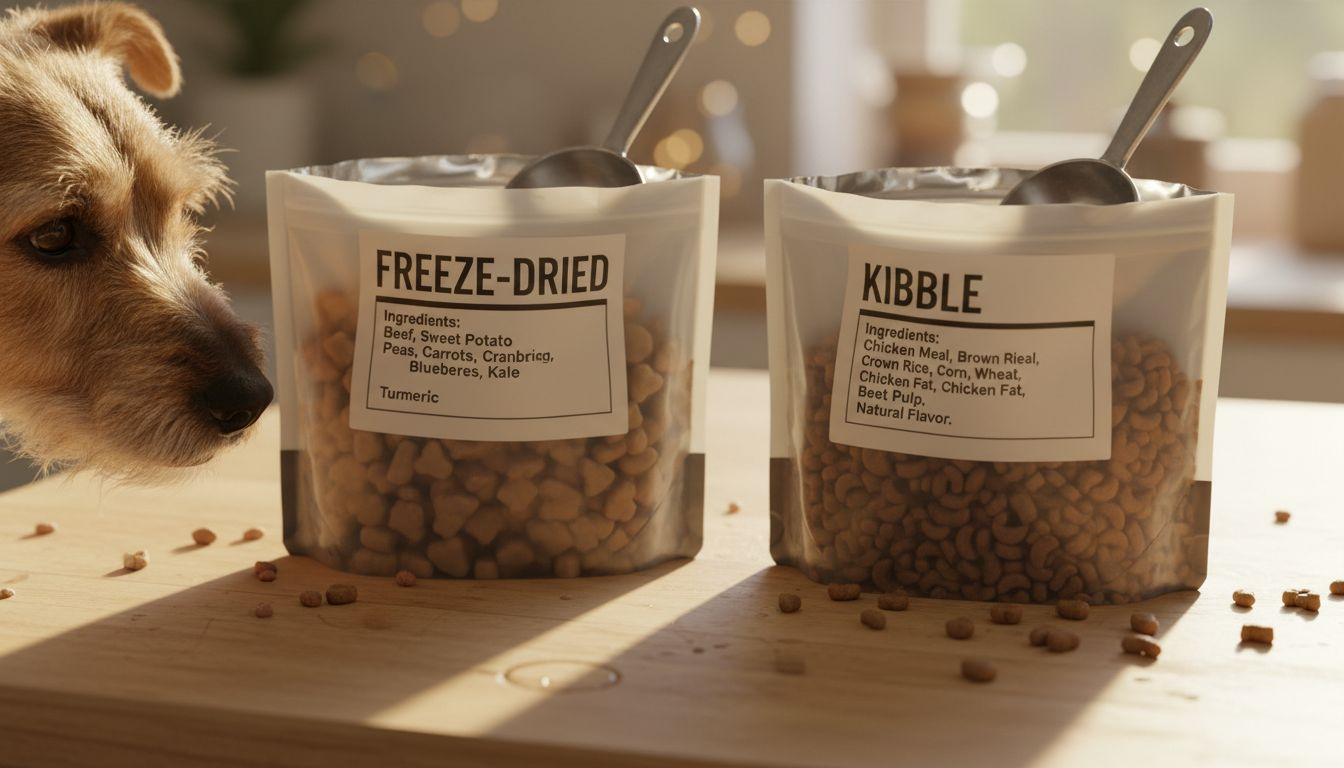
Pro Tip: Compare ingredient panels between freeze-dried and kibble protein sources to see how processing affects amino acid profiles and digestibility scores.
Health Benefits of Minimally Processed Dog Foods
Dogs transition to minimally processed diets often show visible improvements within eight to twelve weeks. Muscle tone increases as high-quality proteins provide complete amino acid profiles your dog’s body readily absorbs. Energy levels stabilize without the blood sugar spikes caused by high-carbohydrate kibble. Owners report their dogs act younger, play longer, and recover faster from exercise.
Allergy symptoms decrease significantly when you remove artificial additives and common allergens found in conventional foods. Itchy skin, hot spots, and ear infections often stem from sensitivities to corn, wheat, soy, or chemical preservatives. Minimally processed foods built on single-protein sources with limited ingredients help identify and eliminate triggers. Many dogs with chronic allergies thrive once switched to clean, whole-food diets.
Oxidative stress markers drop by 30% after six months on minimally processed diets compared to conventional feeding. Lower oxidation means less cellular damage and slower aging at the molecular level. This contributes to extended longevity and sustained vitality throughout your dog’s life. Antioxidants from whole fruits and vegetables remain potent when not destroyed by high heat.
Weight management becomes easier with nutrient-dense foods that satisfy hunger with smaller portions. Your dog feels full on less food because every bite delivers concentrated nutrition instead of empty calories from fillers. Coat condition improves dramatically as essential fatty acids and biotin support healthy skin and lustrous fur. Dull, brittle coats transform into soft, shiny ones.
Observable Health Improvements:
Increased muscle definition within 8-12 weeks
Reduced allergy symptoms and skin irritation
Enhanced energy and playfulness
Shinier coat and healthier skin
Better weight control with smaller portions
Improved dental health from chewing texture
Pro Tip: Transition gradually over 7-10 days by mixing increasing amounts of minimally processed food with current diet. This prevents digestive upset and lets you monitor how your dog responds to ingredient changes.
Common Misconceptions About Minimally Processed Dog Food
Many people assume minimally processed automatically means raw diet requiring freezer storage and careful pathogen management. While raw frozen qualifies as minimally processed, freeze-dried and dehydrated foods offer the same nutrient benefits with shelf stability and convenience. You don’t need dedicated freezer space or worry about bacterial contamination when choosing these safer alternatives.
Another myth suggests freeze-dried dog food spoils quickly without preservatives. Reality shows properly packaged freeze-dried foods last 18-24 months at room temperature. Removing moisture to below 2% prevents bacterial growth naturally without chemical preservatives. Once opened, resealable packaging maintains freshness for weeks. This makes freeze-dried options more practical than many conventional foods requiring refrigeration after opening.
Some owners think minimal processing means lower ingredient quality or incomplete nutrition. Truth is, ingredient quality matters more with minimal processing because there’s nowhere to hide inferior components. Premium minimally processed foods use human-grade meats, whole vegetables, and AAFCO-compliant formulations. Poor ingredients can’t be masked by heavy processing or flavor enhancers.
Marketing claims confuse many shoppers who see “natural” or “wholesome” on conventional kibble bags. These terms don’t guarantee minimal processing. Look for specific processing methods listed on labels like “freeze-dried raw” or “gently dehydrated.” Verify certifications from recognized organizations rather than trusting vague promotional language.
Myth-Busting Truths:
Minimally processed includes freeze-dried and dehydrated, not just raw
Shelf life reaches 18+ months without artificial preservatives
Premium ingredients are essential and clearly listed
Generic “natural” claims don’t ensure minimal processing
AAFCO compliance confirms complete and balanced nutrition
How to Identify and Choose Minimally Processed Dog Foods
Choosing the right minimally processed food requires systematic evaluation of processing methods, ingredients, and certifications. Follow these steps to make confident decisions aligned with your dog’s health needs.
Verify Low-Heat Processing Methods: Look for terms like “freeze-dried,” “air-dried,” “dehydrated,” or “raw frozen” on packaging. These indicate gentle processing that preserves nutrients. Avoid products listing only generic terms like “natural” without specific processing details.
Examine Ingredient Quality: First five ingredients should be identifiable whole foods. Human-grade designations signal premium sourcing. Watch for specific protein sources like “chicken” rather than vague “poultry meal.” Whole vegetables and fruits should appear before grains or starches.
Confirm AAFCO Nutritional Adequacy: Every quality minimally processed food carries an AAFCO statement confirming complete nutrition for your dog’s life stage. This ensures the formula meets minimum requirements for vitamins, minerals, protein, and fat despite gentle processing.
Consider Your Dog’s Specific Needs: Match processing type to your dog’s sensitivities. Dogs with severe allergies benefit from single-protein freeze-dried formulas. Active dogs need calorie-dense options. Senior dogs often prefer easily digestible dehydrated foods requiring less chewing.
Plan Gradual Transition: Mix new food with current diet over 7-10 days, increasing proportions gradually. Monitor stool consistency, energy levels, and appetite throughout transition. This prevents digestive upset and helps identify any ingredient sensitivities.
Pro Tip: Reading labels carefully reveals processing methods and ingredient quality that marketing slogans hide. Reject products with undefined “meat meals,” artificial preservatives, or excessive grain fillers regardless of “natural” claims.
Comparing Minimally Processed Dog Food Types
Different minimal processing methods offer distinct advantages depending on your priorities for nutrition, safety, convenience, and cost. Understanding these differences helps you select the best option for your household and dog.
Feature | Freeze-Dried | Raw Frozen | Dehydrated |
Nutrient Retention | 90%+ preserved | 95%+ preserved | 80-85% preserved |
Shelf Life (Unopened) | 18-24 months | 6-12 months | 12-18 months |
Storage Required | Room temperature | Freezer required | Room temperature |
Pathogen Risk | Very low | Moderate to high | Very low |
Preparation | Add water or feed dry | Thaw before feeding | Add warm water |
Convenience | Highest | Lowest | Moderate |
Cost Per Serving | Moderate to high | Low to moderate | Moderate |
Best For | Sensitive dogs, travel | Maximum nutrition | Budget-conscious |
Freeze-dried dog food delivers outstanding nutrient preservation with unmatched convenience. The process locks in 90%+ of vitamins, minerals, and enzymes while creating shelf-stable food requiring no refrigeration. Safety ranks high because low moisture prevents bacterial growth. Feed it dry as crunchy treats or rehydrate for easier digestion. Ideal for dogs with sensitive stomachs, food allergies, or owners who travel frequently.
Raw frozen foods maintain the highest nutrient bioavailability since ingredients never undergo heating. Your dog gets maximum enzyme activity and unaltered protein structures. However, freezer storage requirements limit convenience. Pathogen risks from Salmonella or E. coli require careful handling, separate prep surfaces, and immediate cleanup. Best suited for dedicated raw feeders with adequate freezer space and strict sanitation practices.
Dehydrated dog food offers middle-ground benefits at accessible prices. Gentle heat removes moisture while preserving 80-85% of nutrients. Room temperature storage matches freeze-dried convenience. Rehydration with warm water creates palatable meals many dogs prefer over dry kibble. Works well for budget-conscious owners seeking better nutrition than conventional processing without freeze-dried premium pricing.
Selection Considerations:
Freeze-dried suits dogs with allergies needing clean ingredient lists
Raw frozen maximizes nutrition for healthy dogs without sensitivities
Dehydrated balances nutrition and affordability for everyday feeding
All three surpass conventional kibble for protein quality and digestibility
Bringing It All Together: Feeding for Health and Vitality
Minimally processed dog foods transform pet nutrition by preserving the natural goodness of whole ingredients. You’ve learned how freeze-drying, dehydration, and raw feeding maintain up to 90% of nutrients that conventional processing destroys. This preservation translates directly into better health outcomes for your dog.
The 70% reduction in digestive issues stems from eliminating artificial additives, preservatives, and low-quality fillers that irritate sensitive systems. When your dog eats foods their body recognizes and processes efficiently, inflammation decreases and nutrient absorption improves. Allergies fade, coats shine, and energy levels soar.
Matching processing type to your dog’s individual needs maximizes benefits. Freeze-dried works brilliantly for travel and sensitive stomachs. Raw frozen delivers maximum bioavailability for healthy dogs. Dehydrated balances nutrition and budget for daily feeding. Consider your lifestyle, storage capacity, and your dog’s specific health requirements when choosing.
Gradual transition remains critical for success. Even superior nutrition can upset digestion if introduced too quickly. Mix increasing amounts over 7-10 days while monitoring stool quality and energy. This patience pays dividends in smooth adaptation and long-term acceptance.
Implementation Priorities:
Start with AAFCO-certified formulas using human-grade ingredients
Verify specific processing methods on labels, not marketing claims
Transition slowly to allow digestive system adaptation
Monitor improvements in coat, energy, and stool quality
Prioritize single-protein sources for allergy-prone dogs
Explore Premium Freeze-Dried Dog Food Options
Loyalty Saints Pets specializes in premium freeze-dried dog foods that embody everything you’ve learned about minimal processing. Our formulas use human-grade proteins, whole vegetables, and fruits processed at low temperatures to lock in 90%+ of natural nutrients. No artificial preservatives, colors, or fillers compromise ingredient integrity.
Every recipe meets AAFCO standards for complete and balanced nutrition while delivering the health benefits of freeze-dried processing. Our products support improved vitality, better digestion, and enhanced longevity through thoughtfully sourced ingredients your dog’s body recognizes and thrives on. Experience how freeze-dried nutrition transforms pet health with convenient, shelf-stable formulas requiring no refrigeration. Explore our complete selection of minimally processed foods designed for dogs you consider family members.
Frequently Asked Questions About Minimally Processed Dog Foods
What exactly does ‘minimally processed’ mean in dog food?
Minimally processed refers to gentle preparation methods like freeze-drying, dehydration, or raw feeding that use low or no heat to preserve natural nutrients without artificial additives. These techniques maintain ingredient integrity while creating safe, shelf-stable products that retain 80-95% of original vitamins, minerals, and enzymes.
Can freeze-dried dog food be stored without preservatives?
Yes, freeze-dried dog food remains shelf-stable for 18-24 months without chemical preservatives because moisture content drops below 2%, preventing bacterial growth naturally. Once opened, resealable packaging maintains freshness for several weeks at room temperature, making it more convenient than many conventional foods requiring refrigeration.
Are minimally processed dog foods safe for dogs with allergies?
Minimally processed foods excel for allergy management because they eliminate common triggers like corn, wheat, soy, and artificial additives while using single-protein sources. The absence of fillers and preservatives reduces inflammatory responses, and transparent ingredient lists help identify specific sensitivities. Many dogs with chronic allergies show dramatic improvement within weeks of switching.
How quickly will I see health benefits after switching?
Most dogs show noticeable improvements within 4-8 weeks of transitioning to minimally processed foods. Coat condition and energy levels often improve first, followed by better digestion and reduced allergy symptoms. Significant changes in muscle tone and weight management typically appear around 8-12 weeks as your dog’s body fully adapts to superior nutrition.
Is minimal processing suitable for all dog breeds and ages?
Minimally processed foods work excellently for all breeds and life stages when formulas meet AAFCO standards for specific needs. Puppies require growth formulas with appropriate calcium and phosphorus ratios. Adult dogs thrive on maintenance formulas. Senior dogs benefit from easily digestible options. Choose age-appropriate recipes and adjust portions based on activity level and body condition.
Recommended
Comments