.png)
How to Choose Natural Pet Food for Your Dog Easily
- Nick Willkom
- Jan 13
- 9 min read


Finding high quality nutrition for your dog in a busy American city can feel like a challenge. Over 30 percent of urban pets struggle with allergies and low energy, making premium freeze dried food a smart choice for health conscious owners. This guide reveals how to create an effective, vet recommended approach that prioritizes ingredient quality, freshness, and proven benefits for your dog’s vitality. Discover practical strategies to ensure your companion thrives with safe, natural nutrition.
Table of Contents
Quick Summary
Key Insight | Explanation |
1. Assess Your Dog’s Needs | Evaluate your dog’s age, weight, activity level, and health for tailored nutrition. |
2. Research Ingredient Quality | Choose natural foods with whole ingredients and clear sourcing to ensure high nutrient bioavailability. |
3. Compare Food Formats | Understand the differences between fresh, raw, freeze-dried, and kibble options to meet your dog’s needs. |
4. Check Certifications | Look for AAFCO approval and veterinarian endorsements to validate dietary choices. |
5. Monitor Health Changes | Track your dog’s energy, coat condition, and digestion to assess the impact of new food on their health. |
Step 1: Assess Your Dog’s Nutritional Needs
Understanding your dog’s specific nutritional requirements is foundational to selecting the right natural pet food. This assessment involves carefully evaluating your dog’s age, weight, activity level, and overall health status to create a tailored nutrition plan. Nutritional assessment guidelines from the American Animal Hospital Association recommend a comprehensive approach that considers multiple factors.
Start by examining your dog’s current body condition and weight. A veterinarian can help you determine your dog’s ideal weight and assess whether they are underweight, overweight, or at an optimal weight. Key factors to consider include breed size, age, metabolism, and activity level. Puppies, adult dogs, and senior dogs have different nutritional needs a high quality natural pet food should address. For instance, active working dogs require more protein and calories compared to sedentary companion animals.
During your assessment, track your dog’s energy levels, coat condition, digestive health, and any existing medical conditions. Allergies, skin issues, joint problems, or chronic health concerns can significantly impact nutritional requirements. Consulting with your veterinarian can provide precise insights into your dog’s specific dietary needs and help you select a natural pet food that supports their overall wellness.
Pro tip: Keep a detailed food and health journal for your dog to track how different nutritional approaches impact their energy, coat quality, and overall well-being.
Step 2: Research Ingredient Quality and Sources
Choosing high-quality natural pet food requires a deep understanding of ingredient sources and nutritional composition. Essential dog food ingredients play a crucial role in supporting your dog’s overall health, with whole food sources providing the most bioavailable nutrients. Look for pet food brands that prioritize fresh, whole ingredients like real meats, fruits, and vegetables rather than processed or artificial additives.

When researching ingredient quality, pay close attention to the sourcing and preparation methods. Opt for brands that use human-grade ingredients, which undergo more rigorous safety and quality checks compared to standard pet food manufacturing processes. Examine the ingredient list carefully, focusing on whole protein sources listed first, followed by recognizable fruits, vegetables, and whole grains. Be wary of generic terms like ‘meat meal’ or ‘animal by-products’ and prioritize specific protein sources such as chicken, beef, or fish.
Understand that ingredient quality goes beyond just the initial components. Consider factors like sourcing transparency, manufacturing processes, and nutritional testing. Some brands provide detailed information about their ingredient origins, farming practices, and nutrient profiles, which can help you make a more informed decision about your dog’s nutrition.
Pro tip: Contact pet food manufacturers directly to request detailed information about their ingredient sourcing and quality control processes if their website does not provide comprehensive details.
Step 3: Compare Natural Food Formats and Benefits
Navigating the world of natural dog food formats requires understanding the unique advantages and potential drawbacks of different nutritional approaches. Fresh and raw dog food options present diverse strategies for supporting your dog’s health, each with distinct characteristics that can impact their overall wellness. Exploring these formats will help you make an informed decision tailored to your dog’s specific nutritional needs.
The main natural food formats include fresh, raw, freeze-dried, and kibble alternatives. Fresh foods typically contain minimally processed whole ingredients that can enhance coat condition and energy levels. Raw diets offer potential benefits like improved digestion and nutrient absorption but require careful handling to prevent bacterial contamination. Freeze-dried options provide a convenient compromise, preserving nutritional integrity while offering longer shelf life and easier storage. Traditional kibble remains a practical choice for many pet owners, though it often involves more processing compared to other natural formats.
When comparing these formats, consider your dog’s individual health requirements, lifestyle, and your own time constraints. Some dogs may thrive on raw diets, while others might do better with more processed options. Factors like age, activity level, existing health conditions, and potential allergies should guide your selection. Consulting with your veterinarian can provide personalized insights into which food format will best support your dog’s unique nutritional profile.
Here’s a visual summary of how dog food format options compare on key factors:
Food Format | Preparation/Effort Required | Shelf Life | Main Potential Benefits |
Fresh | Refrigeration, regular serving | Days to 1 week | Enhances coat, boosts energy |
Raw | Careful handling, safe sourcing | Days (shortest) | May improve digestion |
Freeze-Dried | Minimal prep, rehydration step | Months | Preserves nutrients, convenient |
Kibble | Minimal prep, pours directly | Months to years | Most convenient, longest shelf life |
Pro tip: Request sample sizes of different natural food formats to conduct a gradual transition and observe how your dog responds to each nutritional approach.
Step 4: Check for Certifications and Vet Approvals
Ensuring your dog receives high-quality nutrition requires careful examination of pet food certifications and professional endorsements. Natural pet food standards help consumers identify authentic, nutritionally complete food options that meet rigorous industry guidelines. Understanding these certifications will empower you to make informed decisions about your dog’s dietary needs.
Look for key certifications that validate the nutritional integrity of natural pet foods. The Association of American Feed Control Officials (AAFCO) provides the most comprehensive standards for pet nutrition. Their certification indicates that a food meets minimum nutritional requirements for specific life stages. Board Certified Veterinary Nutritionists can offer additional insights, reviewing commercial foods for comprehensive nutritional adequacy and potential health impacts. Pay attention to labels that specify complete and balanced nutrition, which means the food provides all essential nutrients in appropriate proportions.
Beyond official certifications, seek veterinarian recommendations tailored to your dog’s unique health profile. Some foods may be approved for general use but might not suit dogs with specific health conditions or dietary restrictions. Consider consulting with your veterinarian to validate that the natural food you are considering aligns with your dog’s individual nutritional requirements, taking into account factors like age, breed, activity level, and any existing health concerns.
Below is a comparison of essential certifications and expert vet involvement in evaluating natural pet foods:
Certification | What It Ensures | Who Provides It |
AAFCO Approved | Complete, balanced diet | Association of American Feed Control Officials |
Veterinary Endorsement | Meets health needs | Board Certified Veterinary Nutritionists |
Ingredient Transparency | Source and quality clarity | Pet food manufacturer disclosure |
Pro tip: Request a detailed nutritional analysis from pet food manufacturers and cross-reference their claims with recommendations from your veterinarian.
Step 5: Evaluate Freshness and Storage Options
Preserving the nutritional integrity of your dog’s natural food requires understanding how to maintain its freshness and quality. Fresh dog food storage principles play a critical role in ensuring your pet receives optimal nutrition from every meal. Your storage strategy directly impacts the food’s safety, palatability, and overall nutritional value.
Different natural food formats demand unique storage approaches. Freeze dried foods typically require cool, dry environments with airtight containers to prevent moisture absorption. Refrigerated and fresh foods need strict temperature control and should be consumed within recommended timeframes. Pay attention to packaging instructions, which often specify exact storage conditions. Factors like humidity, temperature fluctuations, and exposure to light can rapidly degrade food quality, reducing nutrient content and potentially introducing harmful bacterial growth.
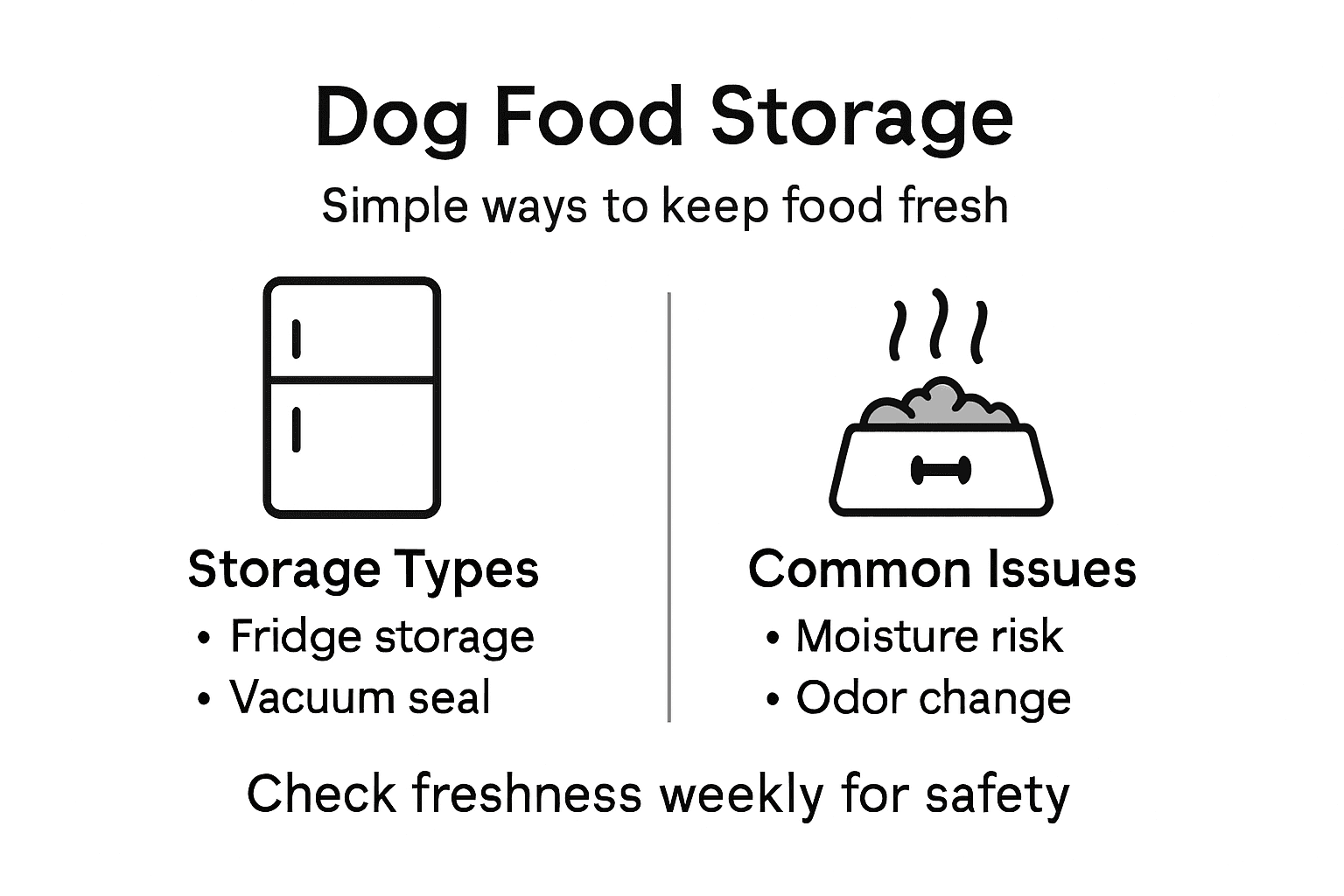
Beyond basic storage, regularly inspect your dog’s food for signs of spoilage. Check for unusual odors, color changes, or texture modifications that might indicate compromised quality. Always use clean, dedicated containers for storage and avoid transferring foods between different packaging. Consider purchasing quantities that can be consumed within the recommended freshness window to guarantee your dog receives the most nutritionally dense meal possible.
Pro tip: Invest in vacuum sealed storage containers with date tracking to maximize food preservation and monitor freshness intervals.
Step 6: Verify Health Impact and Satisfaction
Monitoring your dog’s response to a new natural diet involves careful observation and tracking of multiple health indicators. Essential dog food ingredients contribute to overall wellness, making it crucial to assess your dog’s physical and behavioral changes after dietary transitions. Your goal is to ensure the new nutrition plan supports your dog’s vitality and meets their specific health requirements.
Track key health markers including coat condition, energy levels, digestion, and weight management. Look for improvements like shinier fur, more stable digestive patterns, increased enthusiasm during activities, and maintenance of a healthy body weight. Note any changes in appetite, stool consistency, and overall mood. Some dogs might experience an adjustment period, so maintain consistent monitoring for at least 8 to 12 weeks. Consult with your veterinarian to conduct periodic health assessments and blood work to confirm the diet’s nutritional adequacy.
Create a comprehensive health journal documenting your observations. Record detailed notes about food intake, physical changes, and behavioral shifts. This documentation will help you and your veterinarian make informed decisions about long-term nutritional strategies. Remember that each dog is unique, and what works perfectly for one might require slight modifications for another.
Pro tip: Take monthly photographs of your dog and maintain a dated log of weight and physical condition to objectively track nutritional improvements.
Discover the Perfect Natural Nutrition for Your Dog Today
Choosing the right natural pet food can feel overwhelming when you consider factors like ingredient quality, food format, and nutritional adequacy discussed in the article. Loyal Saints Pets understands these challenges and offers a simple solution with premium freeze-dried options made from human-grade whole ingredients including beef and chicken. Our foods are carefully crafted to support your dog’s vitality, digestion, and overall health while meeting AAFCO standards.
Experience the benefits of fresh, balanced nutrition without the hassle of complicated preparation. Whether you want to try single-protein varieties like Beef | Loyal Saints or Chicken | Loyal Saints, or prefer convenient and wholesome combinations from our Bundles | Loyal Saints, we deliver health-focused products right to your door.
Give your dog the gift of longer, healthier life with natural nutrition designed by experts and loved by pet parents. Start exploring our carefully selected freeze-dried pet foods now at Loyal Saints Pets and see the difference a thoughtful diet can make.
Frequently Asked Questions
How do I assess my dog’s nutritional needs for natural pet food?
Start by evaluating your dog’s age, weight, activity level, and overall health. Consult your veterinarian to determine your dog’s ideal weight and any specific dietary requirements, and keep track of their energy levels and any existing health conditions.
What ingredients should I look for in natural dog food?
Prioritize high-quality ingredients, focusing on fresh, whole sources like real meats, fruits, and vegetables. Always examine the ingredient list to ensure that whole protein sources are listed first, avoiding generic terms like ‘meat meal’ or ‘animal by-products.’
What are the different formats of natural dog food, and how do I choose?
Natural dog food comes in formats like fresh, raw, freeze-dried, and kibble. Consider your dog’s health requirements and your lifestyle when deciding, as some dogs thrive on raw diets while others may need the convenience of kibble or freeze-dried options.
How can I ensure the natural dog food I choose is safe and high-quality?
Look for certifications such as AAFCO approval, which indicates that the food meets minimum nutritional requirements. Additionally, seek veterinarian endorsements or recommendations to ensure the food aligns with your dog’s health needs.
What steps should I take to monitor my dog’s health after changing their diet?
Observe changes in your dog’s coat condition, energy levels, digestion, and weight after switching to natural food. Track these indicators for at least 8 to 12 weeks in a health journal to determine if the diet is providing the intended benefits.
How should I store different types of natural dog food to maintain freshness?
Each type of natural food requires specific storage conditions, such as keeping freeze-dried food in a cool, dry place and refrigerating fresh food. Always check for signs of spoilage and follow packaging instructions to ensure your dog’s meals remain safe and nutritious.
Recommended
Comments