.png)
Healthy Diet for Dogs: Natural Nutrition That Works
- wix mentor

- 8 hours ago
- 8 min read

TL;DR:
A healthy dog diet requires complete, balanced nutrition tailored to each life stage, ensuring proper nutrient ratios. Homemade diets often lack essential nutrients, risking serious health issues due to recipe drift and formulation errors. Using veterinarian-formulated recipes or commercial foods with verified AAFCO statements provides a safer, more reliable approach to canine nutrition.
A healthy diet for dogs is defined as complete, balanced nutrition that meets all essential nutrient requirements for a dog’s specific life stage, body weight, and health status. Canine nutrition, the recognized field covering dog dietary science, goes far beyond choosing between kibble and raw food. The real question is whether your dog’s meals deliver the right proteins, fats, carbohydrates, vitamins, and minerals in the correct ratios. Natural and homemade diets are growing in popularity, but without expert formulation, they frequently fall short in ways that don’t show up until serious health problems develop.
What does a healthy diet for dogs actually require?

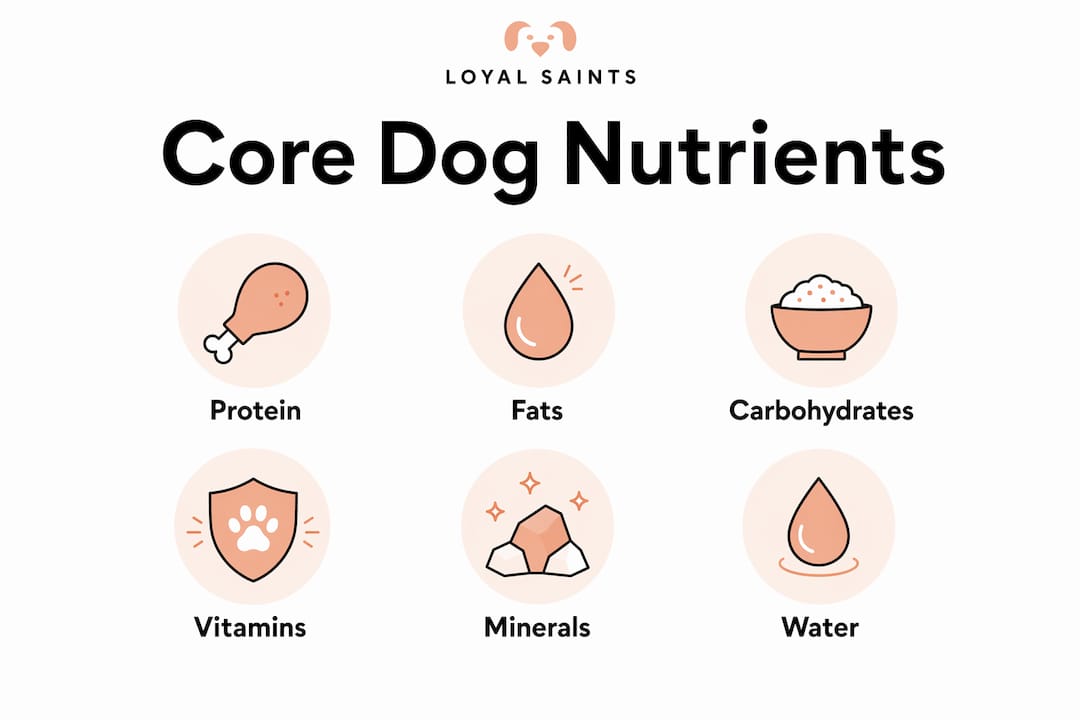
A balanced dog diet supplies six core nutrient categories: protein, fat, carbohydrates, vitamins, minerals, and water. Each one plays a specific role, and the ratios between them matter as much as the ingredients themselves. Getting one wrong can quietly undermine the others.
Nutrient | Role | Approximate target |
Protein | Muscle maintenance, immune function | 18% minimum for adults; 22%+ for puppies |
Fat | Energy, skin and coat health | 5% to 15% depending on activity level |
Carbohydrates | Digestive fiber, secondary energy source | Varies; not classified as essential |
Calcium and phosphorus | Bone strength, nerve function | Correct ratio critical; imbalance causes fractures |
Omega-3 and omega-6 | Immune health, inflammation control | Sourced from fish oils and plant oils |
Adult dogs need at least 18% protein, while puppies and highly active dogs require 22% or more. That gap matters because feeding a puppy an adult-formula diet can slow muscle development and weaken the immune system during the most critical growth window.
Fats are equally important and often misunderstood. Omega-6 from corn, canola, and safflower oils and omega-3 from cold-water fish oils are the two essential fatty acid families dogs cannot synthesize on their own. Without them, you will see dull coats, dry skin, and reduced immune response within weeks.
Carbohydrates are not classified as essential nutrients for dogs, but they serve a real purpose. Fiber from sources like sweet potato, brown rice, and oats supports healthy digestion and helps regulate blood sugar. The problem arises when carbohydrates crowd out protein and fat in a diet, which is a common issue with low-cost commercial foods.
Incorrect calcium-to-phosphorus ratios cause nutritional secondary hyperparathyroidism, a condition where the body pulls calcium from bones to compensate for dietary imbalance. This leads to fractures and orthopedic problems, particularly in large-breed puppies growing rapidly.
Pro Tip: When evaluating any dog food, check for an AAFCO (Association of American Feed Control Officials) adequacy statement on the label. It confirms the food meets minimum nutrient standards for a specific life stage, which is the fastest way to filter out nutritionally incomplete products.
How do dog dietary needs change across life stages?
Nutritional requirements shift significantly from puppyhood through senior years, and feeding the wrong formula for a dog’s current life stage is one of the most common mistakes owners make. Age-appropriate diets are not a marketing concept. They reflect genuine biological differences in metabolism, organ function, and activity level.
Here is how needs change at each stage:
Puppies (0 to 12 months): Require higher protein and fat to support rapid muscle and brain development. Large breeds need controlled calcium levels to prevent accelerated bone growth that leads to joint problems.
Adult dogs (1 to 7 years): Maintenance nutrition focused on lean protein, moderate fat, and consistent caloric intake matched to activity level. Obesity is the most common nutritional problem in this group.
Senior dogs (7+ years): Benefit from high-quality protein and omega-3s to preserve muscle mass and manage inflammation. Caloric density often needs to decrease as metabolism slows.
Dogs with medical conditions: Kidney disease requires phosphorus restriction. Arthritis benefits from omega-3 supplementation. Obesity demands caloric reduction with high satiety fiber. Each condition calls for a vet-guided dietary plan, not a generic commercial switch.
One detail many owners overlook is how to introduce a new diet. Switching over 7 to 10 days while gradually increasing the new food and decreasing the old reduces the risk of gastrointestinal upset significantly. A dog that vomits or has loose stools after a diet change is often reacting to the speed of the switch, not the food itself.
Choosing a senior diet based on AAFCO adequacy statements rather than packaging claims is the most reliable approach. Words like “premium” and “natural” on a bag carry no regulatory definition. The AAFCO statement does.
What are the real risks of homemade and natural dog food diets?
Homemade dog meals are appealing for good reasons. You control the ingredients, avoid preservatives, and feel confident about what your dog is eating. The problem is that good intentions do not guarantee complete nutrition.
95% of 200 analyzed home-cooked recipes lacked at least one essential nutrient. That is not a small margin of error. Missing nutrients like zinc, vitamin D, or iodine do not cause immediate symptoms. They cause delayed, serious health issues that are often misdiagnosed before the dietary cause is identified.
The concept of “recipe drift” is one of the most underappreciated risks in homemade feeding. Small incremental changes to homemade diets can silently create major nutritional imbalances over time. You swap one protein source for another because it was on sale. You use a different brand of supplement. You skip an ingredient for a week. Each change seems minor, but the cumulative effect can strip a diet of key nutrients over months.
“Nutritional adequacy is best confirmed with formulation analysis. Assuming that whole, fresh ingredients automatically create a balanced diet is the most common and costly mistake in home-prepared feeding.” — Veterinary Practice News
Raw diets carry an additional layer of risk. Improperly stored raw meat introduces Salmonella, Listeria, and E. coli, which can affect both the dog and the humans handling the food. The FDA and multiple veterinary organizations have documented these risks in household settings.
Supplement choices also require caution. Generic human multivitamins can be toxic or nutritionally insufficient for dogs. Xylitol, found in some human supplements, is lethal to dogs. Fat-soluble vitamins like A and D accumulate in tissue and cause toxicity at doses that seem modest. A board-certified veterinary nutritionist, credentialed through the American College of Veterinary Nutrition (ACVN), is the right professional to formulate or review any homemade diet.
How to feed dogs a natural, balanced diet safely
Feeding your dog a natural diet does not require choosing between convenience and quality. It does require a clear process and consistent follow-through.
Start with a verified recipe or product. Use homemade recipes formulated by an ACVN-credentialed nutritionist, or choose a commercial natural diet with a confirmed AAFCO adequacy statement. The examples of balanced dog diets available from Loyalsaintspets show what complete, natural nutrition looks like in practice.
Transition slowly. Introduce any new food over 7 to 10 days. Start with 25% new food and 75% old food, then increase the ratio every two to three days. This gives the gut microbiome time to adjust.
Monitor three key indicators. Watch stool consistency, energy levels, and body condition score weekly. Loose stools, lethargy, or visible weight change are early signals that the diet needs adjustment.
Use only vet-approved supplements. If a recipe calls for a specific supplement, use the exact product and dose specified. Do not substitute with a human-grade equivalent without veterinary confirmation.
Reassess every six months. A diet that works well for a two-year-old dog may not serve the same dog at eight. Schedule a nutrition review with your vet at least twice a year, especially as your dog enters senior years.
Factor in moisture content. Natural diets, including freeze-dried options rehydrated before serving, support hydration and can help with weight management by increasing meal volume without adding calories.
Pro Tip: Body condition scoring (BCS) is a simple, hands-on tool. Run your hands along your dog’s ribs. You should feel them easily without pressing hard, but not see them visibly. If you can’t feel them at all, your dog is likely overweight and caloric intake needs adjusting.
Key takeaways
A balanced dog diet requires correct nutrient ratios verified by formulation analysis, not just quality ingredients chosen with good intentions.
Point | Details |
Protein and fat targets matter | Adults need at least 18% protein; puppies need 22% or more, with fat between 5% and 15%. |
Mineral ratios are critical | Incorrect calcium-to-phosphorus ratios cause bone fractures and orthopedic disease in dogs of all ages. |
Homemade diets carry hidden risks | 95% of analyzed home-cooked recipes lacked at least one essential nutrient; recipe drift compounds the problem over time. |
Life stage drives nutritional needs | Puppies, adults, seniors, and dogs with medical conditions each require different nutrient profiles and caloric densities. |
Transition slowly and monitor closely | Switching diets over 7 to 10 days while tracking stool quality and energy levels reduces digestive upset and catches problems early. |
What I’ve learned from watching owners get this wrong
Most dog owners who come to natural feeding do so because they genuinely love their dogs and want better for them. That motivation is real and worth respecting. But love does not replace formulation science, and this is where I see the most heartbreak.
The pattern repeats itself. An owner switches to a homemade diet, the dog looks great for three to six months, and then subtle symptoms appear. Coat quality drops. Energy dips. A vet visit reveals a mineral deficiency or organ stress that has been building quietly for months. The owner is devastated because they thought they were doing everything right.
What I have found is that the owners who get the best long-term results are the ones who treat nutrition like a system, not a feeling. They work with a veterinary nutritionist. They follow recipes exactly. They do not improvise with supplements. And when they choose a commercial natural option, they read the AAFCO statement, not the front-of-bag marketing.
The WSAVA’s evidence-based nutrition guidance makes one point that I think every dog owner should internalize: diet completeness and robust formulation matter far more than ingredient trends or marketing buzzwords. A food labeled “grain-free” or “ancestral” is not automatically better. A food with a confirmed AAFCO adequacy statement and a clean ingredient list, whether freeze-dried, raw, or cooked, is the one worth trusting.
Natural diets absolutely bring benefits. Better palatability, higher moisture content, fewer additives. But those benefits only show up when the nutritional foundation is solid. Get that right first, and the rest follows.
— Eyo
Why Loyalsaintspets freeze-dried food makes balanced nutrition easier
If you want the benefits of natural dog food without the formulation risk, freeze-dried dog food from Loyalsaintspets is worth a close look.

Freeze-drying preserves nutrients and moisture that cooking destroys, which means your dog gets whole-ingredient nutrition without additives, fillers, or the guesswork of home preparation. Loyalsaintspets products are formulated to meet AAFCO standards using human-grade proteins, fruits, and vegetables, and they carry veterinarian approval. You get the clean label you want and the nutritional completeness your dog needs. Learn more about why freeze-dried works for dogs at every life stage, or browse the full product range to find the right fit for your dog’s needs.
FAQ
What is the most important factor in a healthy dog diet?
Nutritional completeness is the single most important factor. A diet must supply all essential nutrients in correct ratios for the dog’s life stage, confirmed by an AAFCO adequacy statement or veterinary nutritionist formulation.
Can I feed my dog homemade meals safely?
Yes, but only with recipes formulated by a board-certified veterinary nutritionist. Research shows that 95% of home-cooked recipes lack at least one essential nutrient, so improvising without expert guidance carries real health risks.
How do I know if my dog’s diet is working?
Monitor body condition score, stool consistency, coat quality, and energy levels weekly. Visible ribs suggest underfeeding; inability to feel ribs suggests overfeeding. Loose stools or lethargy after a diet change signal a need to slow the transition or reassess the formula.
Are grain-free diets better for dogs?
Not automatically. Grain-free is a marketing category, not a nutritional standard. The FDA has investigated a potential link between grain-free diets and dilated cardiomyopathy in dogs. Choose any diet based on its AAFCO adequacy statement and ingredient quality, not its grain-free label.
How often should I reassess my dog’s diet?
Review your dog’s diet with a veterinarian at least twice a year. Life stage changes, weight shifts, and new health conditions all affect nutritional needs, and a diet that worked well at age two may not serve the same dog at age seven or older.
Recommended
Comments