.png)
Shelter Pet Nutrition Improvement Workflow Guide
- wix mentor

- 3 hours ago
- 9 min read
TL;DR:
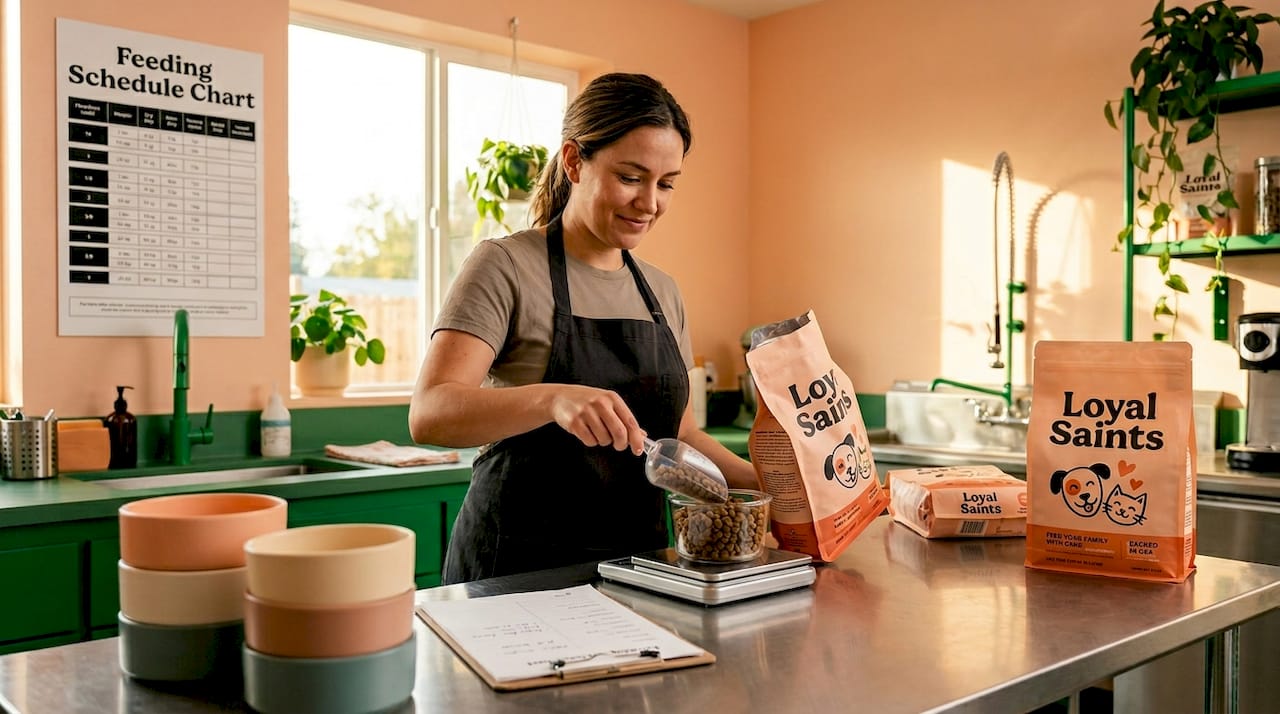
Implementing a structured shelter pet nutrition system involves detailed SOPs, intake assessments, and ongoing outcome tracking to ensure consistent, tailored care. Proper documentation, role clarity, and hygiene practices are essential for effective feeding management across different animal populations and stages of recovery. Continuous data review and veterinary collaboration help refine protocols, improve health outcomes, and handle seasonal surges efficiently.
A shelter pet nutrition improvement workflow is a systematic method that combines intake assessments, written feeding protocols, continuous monitoring, and iterative diet adjustments to ensure every animal receives nutrition tailored to their specific needs. Without a structured approach, feeding becomes inconsistent, animals lose body condition, and health outcomes suffer. The ASPCA recommends that all shelter animals receive complete, nutritionally balanced, age-appropriate diets supported by documented feeding schedules. This guide walks your team through every step of building and refining that system, from intake paperwork to seasonal surge planning.
What core protocols and documentation are needed in a shelter nutrition workflow?
A shelter pet nutrition improvement workflow starts with written standard operating procedures (SOPs) that define exactly what gets fed, how much, how often, and to whom. Without that foundation, even the most motivated staff will produce inconsistent results across shifts. The ASPCA guidelines specify that every animal must receive a complete, nutritionally balanced, age-appropriate diet, and that feeding schedules and intake monitoring must be documented. That documentation is not optional. It is the mechanism that turns good intentions into repeatable outcomes.
Your SOPs should cover these core elements:
Diet selection criteria: Which food is used for adults, juveniles, seniors, pregnant animals, and animals with medical conditions
Feeding quantity and frequency: Measured portions per meal, number of meals per day, and any exceptions for underweight or recovering animals
Body condition scoring (BCS): A standardized scale (typically 1 to 9) recorded at intake and updated weekly, since BCS captures muscle mass in ways that weight alone cannot
Intake assessment forms: Health status, clinical signs, and feeding history documented at arrival
Role assignments: Which staff members or volunteers handle feeding, monitoring, and record updates on each shift
Clear role definitions prevent the most common operational failure in shelters: two people assuming the other already fed an animal, or no one recording that a dog refused its meal for the third day in a row.
Pro Tip: Use color-coded feeding charts posted directly on kennel doors. Staff can mark meals completed in real time, and a quick visual scan at shift change reveals any missed feedings instantly.
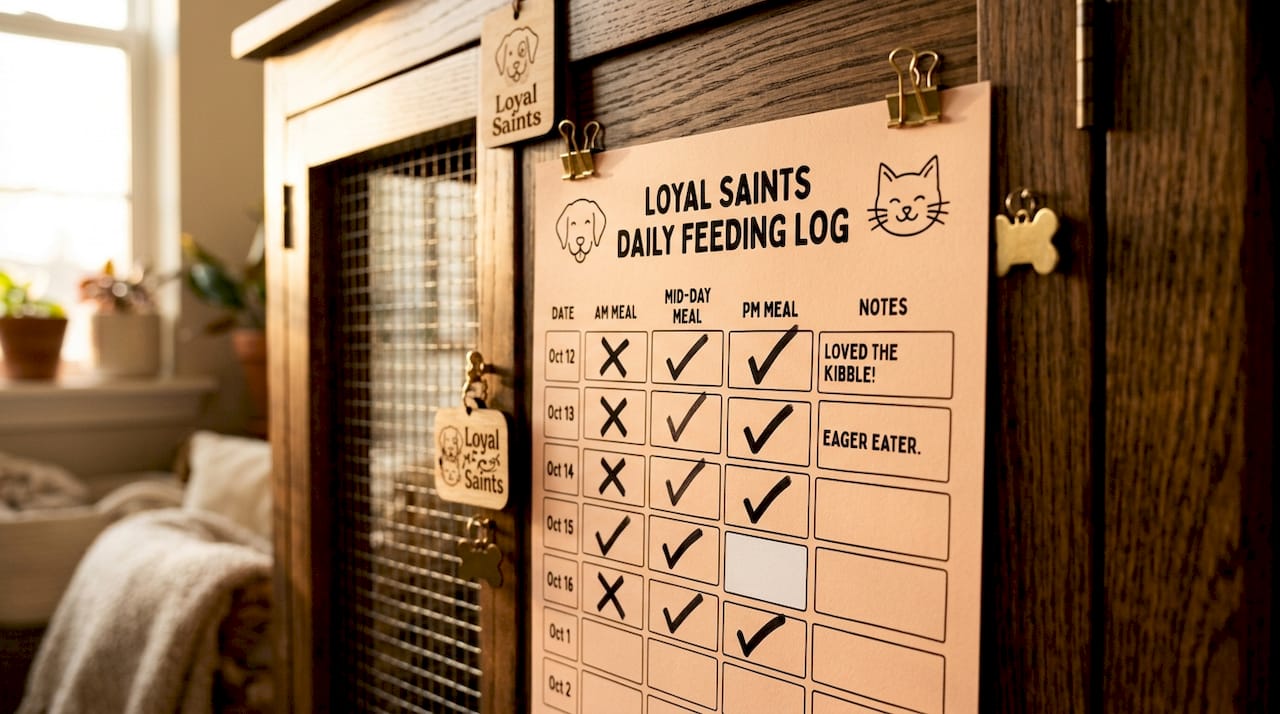
Measuring tools matter as much as the protocols themselves. A kitchen scale or calibrated scoop removes the guesswork that leads to overfeeding large breeds or underfeeding small ones. Pair measuring tools with balanced meal plans specific to each animal’s size and life stage, and your team has a repeatable system that any volunteer can follow on day one.
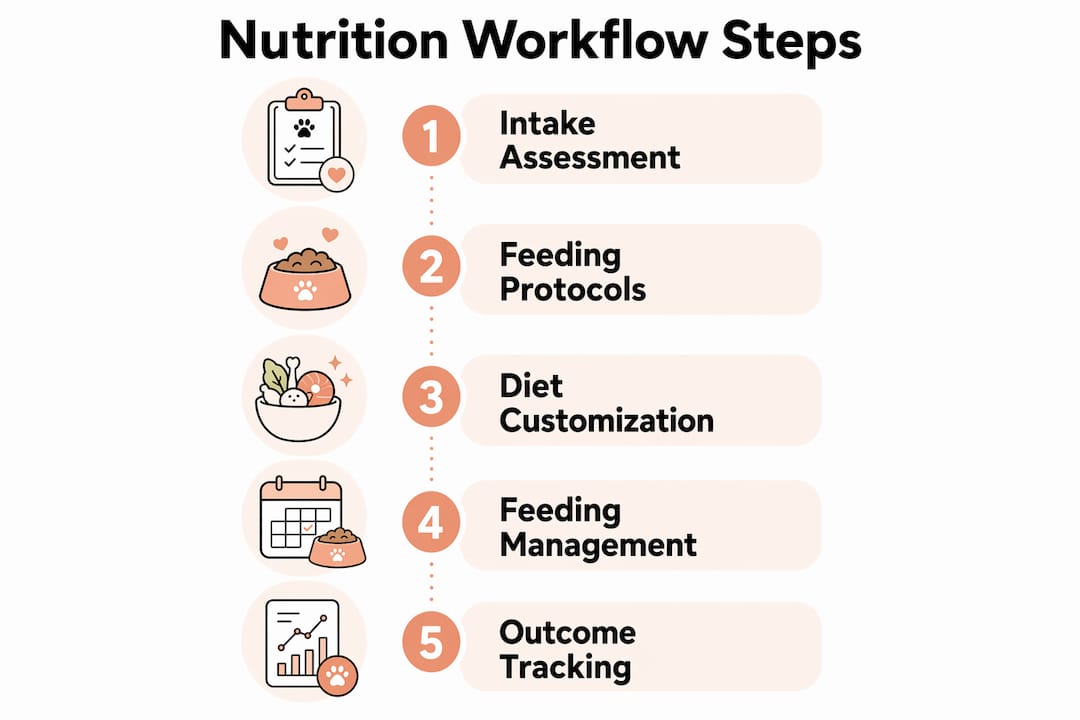
How to implement intake assessments and customize nutrition plans
The intake assessment is where your nutritional workflow for shelters either succeeds or fails. Every animal that enters your facility needs a baseline evaluation before the first meal is served. That evaluation should include body weight, a BCS rating, visible clinical signs such as dull coat or loose stool, and a brief feeding history if the owner or rescuer can provide one.
Follow this sequence when building customized nutrition plans at intake:
Record body weight and BCS. Use a 9-point BCS scale. A score of 4 to 5 is ideal. Animals scoring 3 or below need calorie-dense recovery diets, while those scoring 7 or above need portion control.
Categorize by life stage. Separate animals into neonate, weaning, juvenile, adult, and senior categories. Each group has distinct caloric and nutrient requirements that a single diet cannot meet.
Flag special conditions. Pregnant, lactating, diabetic, or post-surgical animals require modified plans. The UC Davis Nutrition Service offers clinical nutrition consultations for complex cases that exceed your team’s in-house expertise.
Formulate the feeding plan. Specify the food type, daily caloric target, portion size per meal, and meal frequency. Write it on the animal’s kennel card and enter it into your shelter management software.
Schedule the first reassessment. The ACVN-aligned iterative process requires periodic reevaluation, not a set-it-and-forget-it approach. Schedule a BCS recheck at 7 and 14 days post-intake.
Neonatal animals deserve special attention in this workflow. Kittens under four weeks old need formula feedings every few hours, elimination assistance after each feeding, and strict avoidance of dairy or fish-heavy foods that cause diarrhea. The Asheville Humane Society recommends transitioning neonates to gruel around four weeks and to solid kitten food by eight weeks. A Fox10tv 2026 report found that over 50% of feline intakes between May and November are under eight weeks old. That statistic means your neonatal feeding workflow is not a niche edge case. It is a core operational requirement for more than half the year.
“Nutrition programs are not just about feeding calories. They are about structured protocols that reduce stress, enforce diet consistency, and enhance animal welfare.” — ASPCA
For animals with metabolic disease or chronic conditions, do not attempt to manage nutrition in-house without veterinary guidance. A veterinarian-approved nutrition plan protects both the animal and your team from well-meaning but harmful diet decisions.
What are best practices for feeding management and diet consistency?
Feeding management is where your written protocols meet daily reality. The gap between a well-designed SOP and what actually happens at 7 a.m. on a busy Monday is where animal health is won or lost. ASPCA standards call for a minimum of two meals daily for adult animals, with more frequent feedings for juveniles, pregnant animals, lactating females, and emaciated pets recovering from starvation.
Here are the non-negotiable feeding management practices your team should follow:
Stick to predictable schedules. Consistent meal times reduce stress-related behaviors and support normal digestive function. Erratic feeding times elevate cortisol in shelter animals, which suppresses appetite and immune response.
Discard uneaten food within 24 hours. ASPCA hygiene standards require removing stale food to prevent spoilage-related illness. Fresh food and a clean bowl at every meal is the baseline, not a bonus.
Store food properly. Dry kibble stored in open bags in humid environments loses nutritional value and attracts pests. Use sealed, labeled containers and follow the manufacturer’s storage guidelines.
Avoid frequent diet switches. Changing food brands or formulas without a transition period causes gastrointestinal stress. If a diet change is necessary, blend the new food with the old over seven to ten days.
Monitor water intake alongside food. An animal that stops drinking is showing a warning sign as serious as one that stops eating. Fresh water at every feeding is mandatory.
Pro Tip: Treat feed hygiene as a separate workflow step from feeding itself. Assign one person per shift to inspect and clean bowls before filling them. Stale or contaminated food undermines every nutrition gain you make, no matter how good the diet quality is.
The premium pet food benefits for shelter animals are only realized when feeding management is tight. A high-quality diet fed inconsistently or from a dirty bowl delivers far less value than a moderate diet fed on schedule with clean equipment.
How to track outcomes and iterate your nutrition program
Tracking outcomes transforms your shelter animal diet plans from static documents into living systems. WorkProcedures’ SOP framework connects intake documentation directly to population metrics, giving shelter managers the data they need to identify what is working and what needs adjustment.
The metrics worth tracking fall into two categories: individual animal indicators and population-level trends.
Metric | What it tells you | Review frequency |
Body condition score (BCS) | Whether individual animals are gaining, maintaining, or losing condition | Weekly per animal |
Weight trend | Confirms BCS findings with objective measurement | Weekly per animal |
Food refusal rate | Flags stress, illness, or palatability issues across the population | Daily |
Disease incidence | Links nutrition gaps to health outcomes like URI or GI illness | Monthly |
Length of stay | Healthier animals with better coat and energy adopt faster | Monthly |
Consistent documentation empowers shelters to justify nutrition investments by linking feeding practices to measurable outcomes like reduced disease incidence and shorter length of stay. That connection matters when you are making the case to leadership or donors for a budget increase on food quality.
A continuous quality improvement cycle works like this: collect data, identify a gap, adjust the protocol, implement the change, and measure the result. For example, if your monthly review shows a spike in GI illness among newly admitted dogs, the data points directly to intake diet transitions as the likely cause. You adjust the transition protocol, monitor for two weeks, and confirm whether the change reduced incidence. This is how iterative reassessment turns nutrition changes into data-driven management decisions rather than guesswork.
Team communication is the final piece. WorkProcedures research shows that operational bottlenecks most often arise from inconsistent documentation and variable staff adherence to protocols. A brief weekly nutrition check-in, even five minutes at shift change, keeps everyone aligned and surfaces problems before they become health crises. You can also track population metrics through a step-by-step workflow guide to connect feeding data with live release rates and disease trends.
Key takeaways
A structured shelter pet nutrition workflow built on written SOPs, intake assessments, consistent feeding management, and outcome tracking is the single most reliable way to improve animal health across your entire population.
Point | Details |
Start with written SOPs | Define diet selection, portion sizes, meal frequency, and role assignments before anything else. |
Use BCS at intake and weekly | Body condition scoring reveals muscle loss that weight measurements alone will miss. |
Customize by life stage | Neonates, juveniles, adults, and seniors each require distinct feeding plans and frequencies. |
Treat feed hygiene separately | Discard uneaten food within 24 hours and clean bowls every meal to protect nutrition gains. |
Track metrics and iterate | Monitor BCS trends, food refusal rates, and disease incidence monthly to refine your protocols. |
What I’ve learned from watching shelters get nutrition right (and wrong)
The shelters that struggle most with nutrition are not the ones with the smallest budgets. They are the ones that treat feeding as a task rather than a system. I have seen well-funded facilities with premium food still producing underweight animals because no one owned the documentation process. A volunteer fed one dog twice and another not at all, and no one caught it for three days because the kennel card was blank.
The shelters that get it right share one habit: they treat their feeding SOPs the way a hospital treats medication administration. Every dose is recorded. Every refusal is flagged. Every diet change goes through a defined process. That discipline does not require extra staff. It requires clarity about who does what and a simple recording system that takes 30 seconds per animal per meal.
The other thing I would tell any shelter team is to stop being afraid of veterinary nutritionist consultations. Many teams assume those consultations are only for animals with diagnosed disease. In reality, a single consultation with a board-certified nutritionist can redesign your entire intake assessment process and save you months of trial and error. The UC Davis Nutrition Service and similar programs exist precisely for this purpose.
Seasonal surges are the stress test for every nutrition workflow. If your system cannot handle a kitten season intake spike without collapsing into chaos, it was never as solid as it looked in February. Build your neonatal feeding protocols before May, train your volunteers on formula preparation before the first litter arrives, and pre-position your supplies. The shelters that do this come out of kitten season with healthier animals and less burned-out staff.
— Eyo
How Loyalsaintspets supports your shelter nutrition goals
Loyalsaintspets freeze-dried pet foods offer shelter teams a nutrient-dense, shelf-stable option that integrates cleanly into structured feeding protocols. Freeze-dried formats preserve whole proteins, fruits, and vegetables without additives or fillers, making them especially well-suited for juvenile animals, seniors, and pets recovering from poor nutrition.
Every Loyalsaintspets product meets AAFCO nutritional standards and carries veterinarian approval, so you can add them to your shelter’s diet rotation with confidence. Their freeze-dried food benefits are particularly relevant for shelters managing animals with sensitive digestion or inconsistent feeding histories. If you are ready to upgrade your shelter’s food quality, explore the full product range and find options that fit your population’s needs. More tail wags are coming.
FAQ
What is a shelter pet nutrition improvement workflow?
A shelter pet nutrition improvement workflow is a structured system of intake assessments, written feeding protocols, diet customization by life stage, and outcome tracking that ensures every animal receives consistent, appropriate nutrition throughout their stay.
How often should shelter animals be fed?
ASPCA guidelines recommend a minimum of two meals daily for adult animals, with more frequent feedings for juveniles, pregnant females, lactating mothers, and emaciated animals recovering from starvation.
Why is body condition scoring better than weight alone?
BCS assesses muscle mass alongside fat reserves, giving a more complete picture of nutritional status. An animal can be at a normal weight while still losing muscle, which weight measurement alone would not detect.
When should a shelter consult a veterinary nutritionist?
Consult a veterinary nutritionist for animals with metabolic disease, chronic illness, post-surgical recovery needs, or any case where standard shelter diets are not producing expected improvements in body condition. The UC Davis Nutrition Service offers clinical consultations for exactly these situations.
How do you handle kitten season nutrition surges?
Build your neonatal feeding workflow before May, train volunteers on formula preparation and elimination assistance, and pre-position supplies. Over 50% of feline intakes between May and November are under eight weeks old, so a scalable neonatal protocol is a core operational requirement, not a seasonal afterthought.
Recommended
Comments