.png)
Freeze-Drying for Pets: Health Benefits and Process
- Nick Willkom
- Dec 23, 2025
- 7 min read
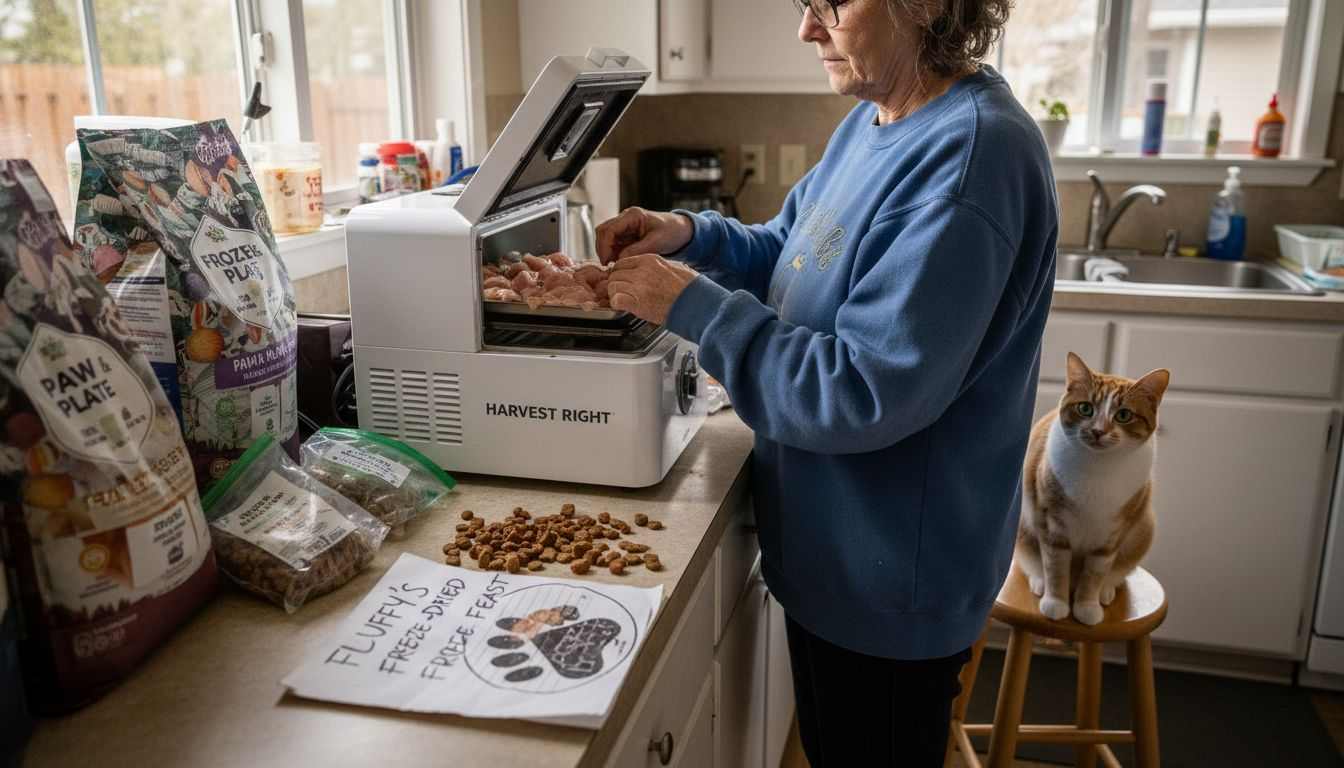
More American pet owners are choosing freeze-dried foods, and for good reason. This advanced technique removes about 98 percent of moisture while preserving nearly all the food’s original nutrients, flavor, and texture. As busy families look for convenient, high-quality nutrition, freeze-dried pet food stands out by offering a safe and shelf-stable alternative that fits a modern lifestyle. Discover how this process is changing the way Americans nourish their pets.
Table of Contents
Key Takeaways
Point | Details |
Nutrient Preservation | Freeze-drying retains approximately 90% of the original nutrients in pet food, enhancing its nutritional value. |
Shelf Life | Freeze-dried pet foods can last up to 25 years when stored correctly, significantly outlasting traditional kibble. |
Minimal Processing | This method eliminates about 98% of moisture, avoiding the need for artificial preservatives and maintaining flavor and texture. |
Gradual Transition Needed | Gradually introduce freeze-dried foods to pets to ensure proper digestibility and adaptation to the new diet. |
Defining Freeze-Drying for Pet Nutrition
Freeze-drying represents an advanced food preservation technique that transforms pet nutrition by removing moisture through a unique scientific process. When applied to pet food, this method allows for complete water removal while maintaining the integrity of nutritional components. Freeze-drying involves freezing food and then extracting moisture through a vacuum chamber, creating a lightweight, shelf-stable product that retains most of its original nutritional profile.
The process begins with rapidly freezing pet food ingredients at extremely low temperatures, which helps preserve cellular structures and prevent nutrient degradation. Unlike traditional dehydration methods that use heat, freeze-drying uses sublimation - a process where water transitions directly from solid to gaseous state without becoming liquid. This unique approach ensures that proteins, vitamins, and minerals remain structurally intact, delivering a nutrient-dense meal that closely resembles raw food’s original composition.
Key characteristics of freeze-dried pet nutrition include exceptional nutrient preservation, extended shelf life, and minimal processing. The method eliminates approximately 98% of moisture content while maintaining the food’s original flavor, color, and nutritional value. Moisture removal through sublimation significantly reduces water activity, which prevents bacterial growth and extends product longevity without requiring artificial preservatives.
Pro Tip: When selecting freeze-dried pet food, always verify the product has undergone third-party testing to ensure complete moisture removal and nutritional integrity, which guarantees optimal safety and digestibility for your pet.
How Freeze-Drying Preserves Food Quality
Freeze-drying is a revolutionary preservation technique that maintains food quality by carefully controlling temperature and moisture conditions. Approximately 90% of nutritional value is preserved through a precise process of rapid freezing and moisture removal, which ensures that the essential nutrients, color, flavor, and structural integrity of pet food remain intact.
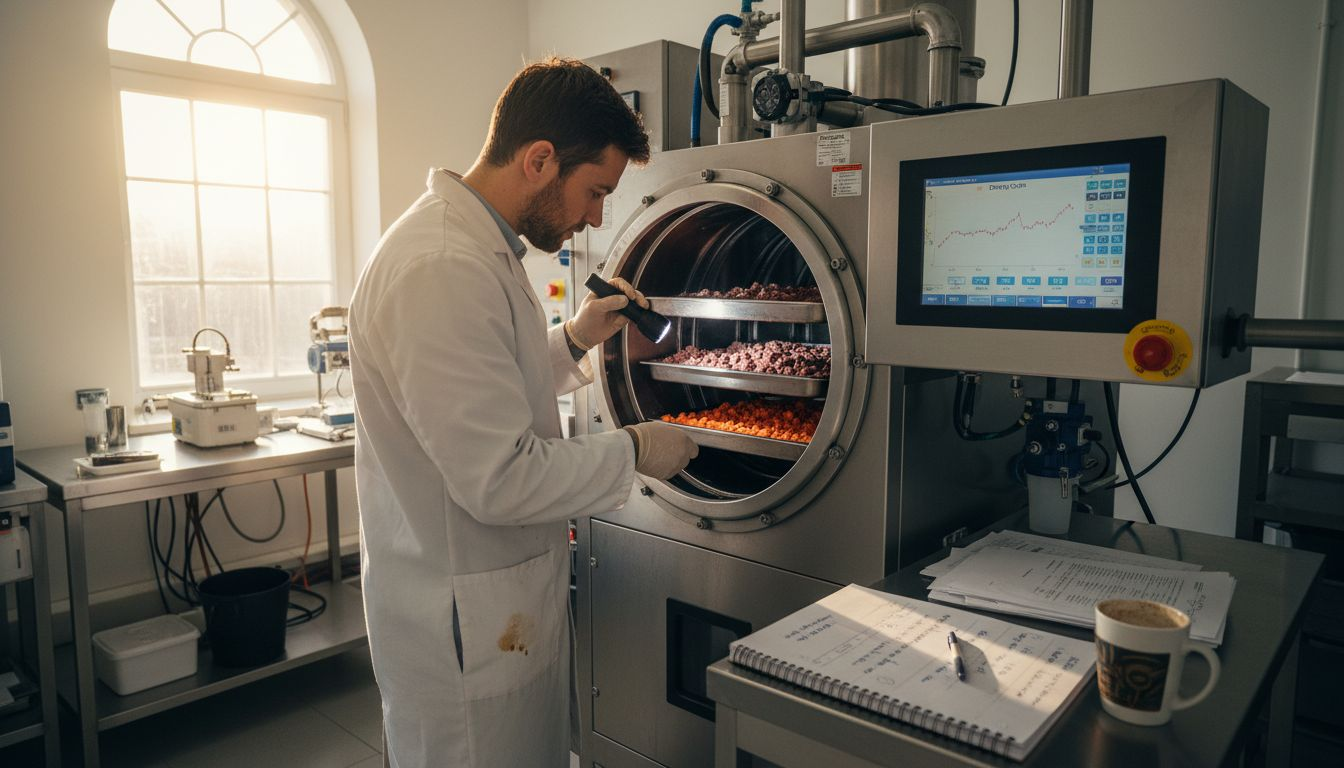
The preservation process works by subjecting food to extremely low temperatures and then creating a high-vacuum environment that enables direct transition of water from solid to gaseous state. Conducted under low temperature and controlled oxygen conditions, this method minimizes oxidation and protects sensitive nutritional compounds, preventing degradation that typically occurs with traditional heat-based drying techniques. By maintaining an environment that prevents thermal breakdown, freeze-drying effectively locks in the food’s original nutritional profile.
Key quality preservation aspects of freeze-drying include maintaining food’s original texture, preventing nutrient oxidation, and creating a lightweight, stable product. The method removes moisture while leaving cellular structures essentially unchanged, which means proteins, vitamins, and minerals remain in their most bioavailable form. This approach differs significantly from traditional dehydration, which often involves high temperatures that can denature proteins and destroy heat-sensitive nutrients.
Pro Tip: Store freeze-dried pet food in cool, dry environments with sealed packaging to maximize its extended shelf life and maintain its exceptional nutritional quality.
Types of Freeze-Dried Pet Foods Explained
Freeze-dried pet foods offer a diverse range of nutritional options designed to meet different dietary needs and preferences. Freeze-dried foods are created by freezing and removing moisture through sublimation in a vacuum chamber, resulting in lightweight, nutrient-dense products that maintain the original ingredients’ nutritional integrity.
The primary categories of freeze-dried pet foods include complete meals, protein-based options, and treat varieties. Complete meals represent fully balanced nutrition containing proteins, vegetables, and essential nutrients formulated to meet pets’ comprehensive dietary requirements. Protein-based options focus on single or mixed meat varieties, offering high-protein diets for active or performance dogs. Treat varieties provide specialized snacks with concentrated nutritional profiles, often featuring single-ingredient compositions like chicken, beef, or fish.
Key distinctions among freeze-dried pet food types involve ingredient sourcing, protein content, and specific dietary considerations. Some products target specific health needs such as weight management, senior dog nutrition, or dogs with sensitive digestive systems. These preservation techniques help create safe, digestible, and complete meals for pets while extending shelf life, making them an increasingly popular choice among health-conscious pet owners seeking minimally processed nutrition.
Pro Tip: When selecting freeze-dried pet foods, carefully review ingredient lists and nutritional profiles to ensure the product matches your pet’s specific dietary requirements and health goals.
The table below summarizes types of freeze-dried pet foods and their common uses:
Type | Main Ingredients | Typical Use Case |
Complete Meals | Meat, veggies, vitamins | Daily balanced nutrition |
Protein-Based | Single/mixed meats | High-protein, athletic dogs |
Treat Varieties | Single-ingredient meat | Training, supplementation |
Benefits Over Kibble and Canned Alternatives
Freeze-dried pet food represents a significant nutritional advancement over traditional kibble and canned alternatives. Offering enhanced nutritional value by preserving more natural vitamins, minerals, and enzymes, this innovative food format provides substantial improvements in digestibility, nutrient retention, and overall pet health.
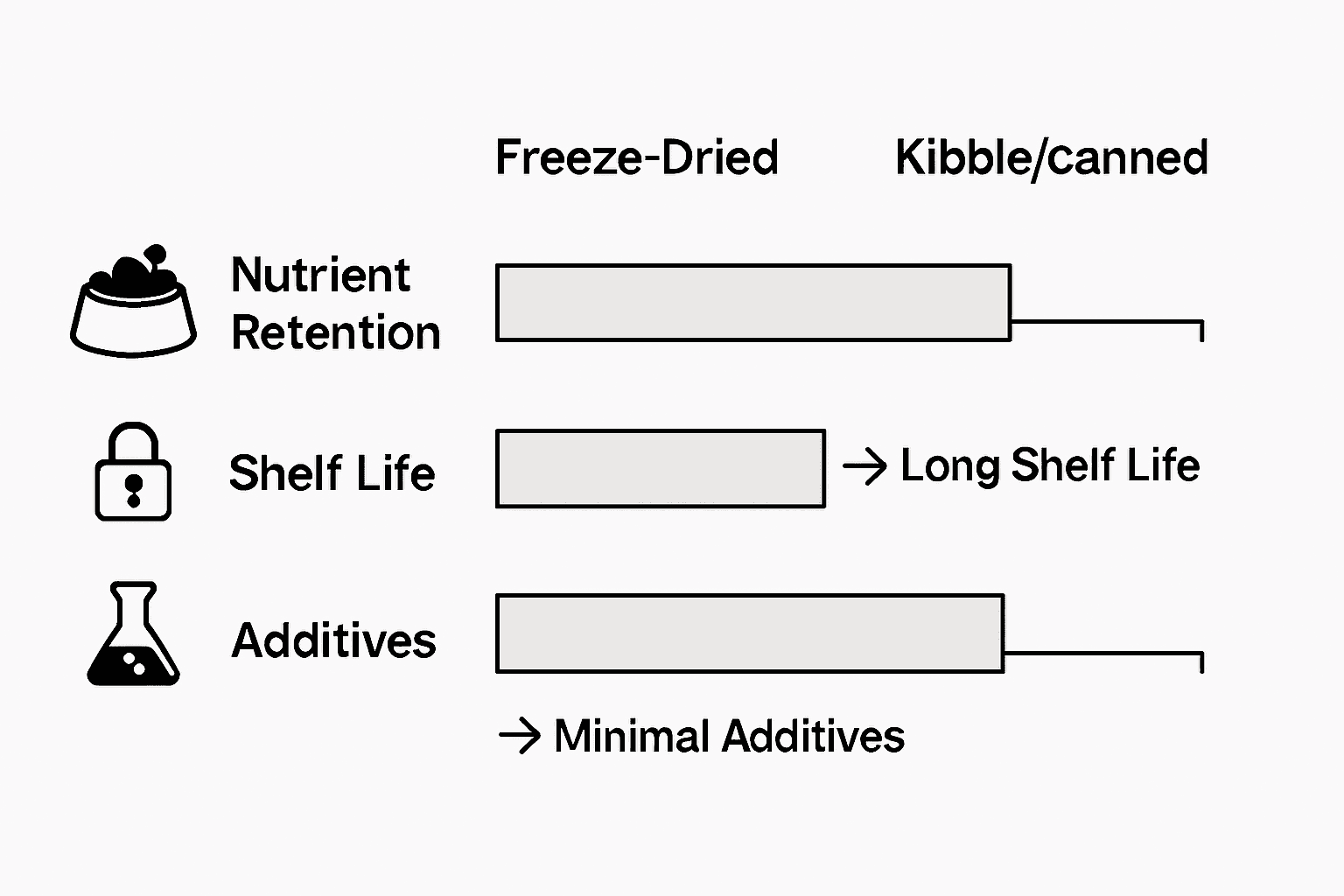
Compared to conventional kibble, freeze-dried foods demonstrate remarkable advantages across multiple dimensions. While kibble often undergoes high-heat processing that can degrade nutritional content, freeze-dried options maintain the structural integrity of proteins, vitamins, and beneficial enzymes. These foods offer superior palatability, making them more appealing to picky eaters, and typically require less processing, which means fewer artificial additives and preservatives. The nutrient density allows for smaller serving sizes, potentially reducing long-term feeding costs.
Shelf stability and convenience further distinguish freeze-dried foods from traditional alternatives. Some freeze-dried products can maintain quality for up to 25 years when stored properly, dramatically outperforming kibble’s typical shelf life. This extended preservation makes them an excellent option for emergency preparedness, camping, or households with variable feeding schedules. Additionally, the lightweight nature of freeze-dried foods simplifies storage and transportation, offering unprecedented flexibility for pet owners who travel or want to maintain consistent nutrition in diverse environments.
Pro Tip: Always transition to freeze-dried foods gradually by mixing with your pet’s current diet, monitoring their response and adjusting portions to ensure optimal digestibility and nutritional adaptation.
Here’s a concise comparison of freeze-drying versus traditional pet food preservation methods:
Factor | Freeze-Drying | Kibble/Canned Processing |
Nutrient Retention | Retains ~90% of nutrients | Often loses vitamins, enzymes |
Moisture Content | About 2% moisture left | 10-80% depending on product |
Shelf Life | Up to 25 years when stored properly | Typically 1-3 years |
Additives Needed | Usually minimal or none required | Frequently contains preservatives |
Product Texture | Maintains original structure & flavor | Hard, soft, or altered texture |
Risks, Costs, and Common Misconceptions
Freeze-dried pet nutrition involves several nuanced considerations that pet owners should carefully evaluate. While freeze-drying reduces moisture and slows bacterial growth, it does not completely eliminate pre-existing bacteria, which means careful sourcing and handling of raw ingredients remains critical for pet safety.
Cost represents a significant barrier for many pet owners considering freeze-dried diets. Premium freeze-dried pet food brands typically range between USD 1.18 to USD 2.50 per pound, substantially higher than traditional kibble prices. This price differential stems from complex production processes that require specialized equipment and more intensive ingredient preparation. However, the concentrated nutritional density means smaller serving sizes, potentially offsetting the higher upfront cost through reduced overall consumption.
Common misconceptions about freeze-dried pet food often revolve around its safety, nutritional completeness, and practicality. Many pet owners mistakenly believe that freeze-drying completely sterilizes food or that it automatically makes a diet superior to other formats. In reality, freeze-dried foods require the same careful nutritional formulation and quality control as any other pet food type. The method’s primary advantages lie in preserving nutritional integrity and creating a lightweight, convenient product rather than being a magical nutritional solution.
Pro Tip: Always consult with a veterinarian before dramatically changing your pet’s diet, and introduce freeze-dried foods gradually to monitor digestive response and overall health adaptation.
Discover Premium Freeze-Dried Nutrition for Your Pet’s Health
If you want to provide your pet with superior nutrition that preserves essential vitamins and minerals just like freeze-drying ensures, explore our carefully crafted options at Loyal Saints Pets. We understand the importance of maintaining nutrient integrity, so our products contain high-quality proteins, fruits, and vegetables that promote vitality and digestive health without fillers or additives.
Get started with our wholesome selections like our Beef and Chicken freeze-dried options that deliver balanced nutrition tailored for active and sensitive pets. Visit Loyal Saints Pets today to elevate your dog’s diet with natural, veterinarian-approved meals designed to support a longer, happier life.
Frequently Asked Questions
What is freeze-drying in pet nutrition?
Freeze-drying is an advanced food preservation technique that removes moisture from pet food while maintaining its nutritional integrity, resulting in a lightweight, shelf-stable product.
How does freeze-drying compare to traditional kibble and canned food?
Freeze-drying retains approximately 90% of the nutritional value and typically requires fewer additives, while traditional kibble and canned food undergo high-heat processing that can degrade nutrients.
What are the main benefits of freeze-dried pet foods?
Freeze-dried pet foods offer enhanced nutrient retention, extended shelf life (up to 25 years), superior palatability, and a lightweight format that is convenient for storage and transportation.
Are there any risks associated with freeze-dried pet food?
While freeze-drying slows bacterial growth, it doesn’t eliminate pre-existing bacteria, making careful sourcing and handling of ingredients essential for pet safety.
Recommended