.png)
Dog Food Additives: Impact on Pet Health and Safety
- Nick Willkom
- 1 day ago
- 14 min read

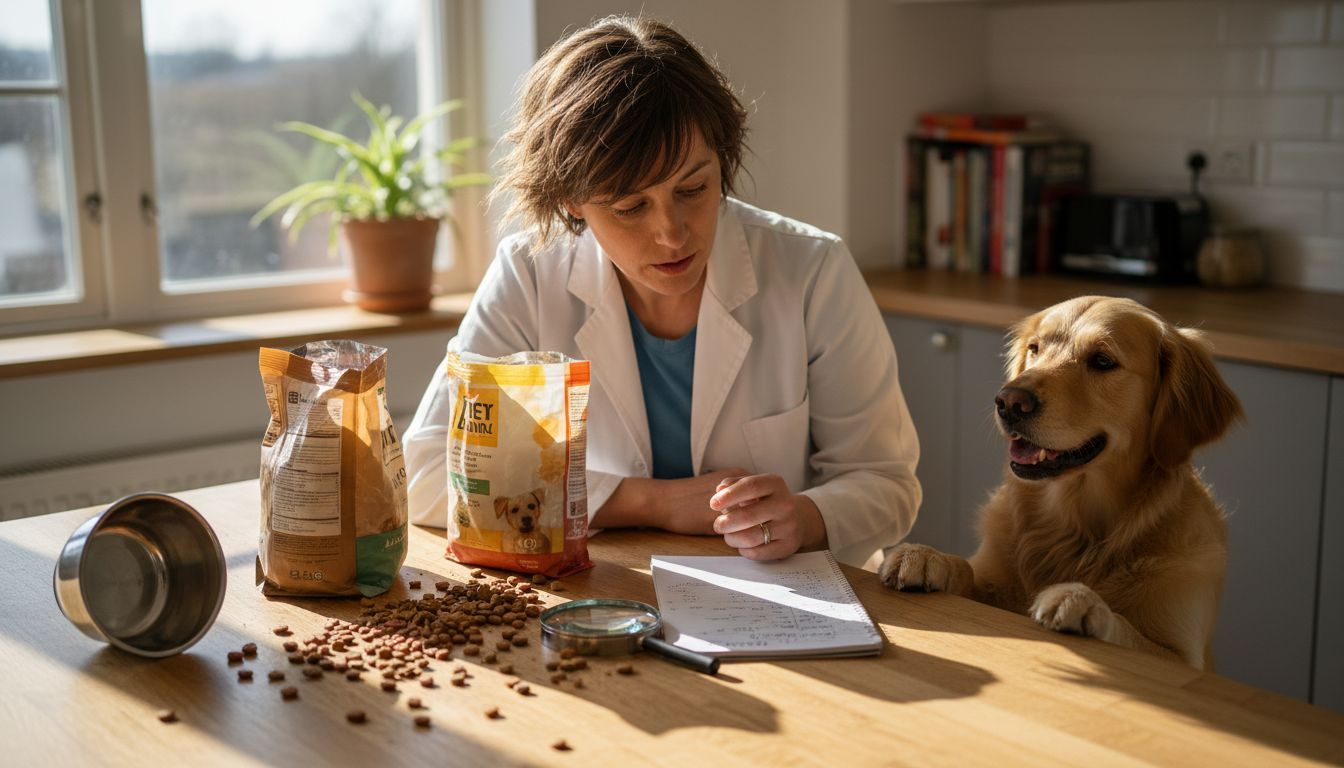
Finding truly natural dog food in the heart of any American city can feel like searching for a needle in a haystack when you want every meal to support your dog’s long-term health. As more pet owners demand transparency and premium nutrition, the difference between truly healthy food and clever marketing often comes down to which additives are included and why they exist. This guide reveals how dog food additives impact safety, nutritional quality, and what you need to know to confidently pick an additive-free, freeze-dried option that puts your dog’s well-being first.
Table of Contents
Key Takeaways
Point | Details |
Understanding Additives | Dog food additives are categorized into nutritional, technological, and sensory types, each serving a different purpose in ensuring food quality and safety. |
Evaluate Ingredient Labels | When choosing dog food, focus on identifying necessary additives for nutrition and safety, while minimizing those that serve only aesthetic appeal. |
Regulatory Guidelines | Additives are regulated by the FDA and AAFCO, ensuring safety limits are established, but understanding these limits versus optimal nutrition is crucial for pet owners. |
Choosing Natural Options | For health-conscious pet owners, selecting natural or additive-free alternatives requires scrutiny of ingredient lists to ensure they meet your dog’s nutritional needs. |
What Are Dog Food Additives and Why They Exist
Dog food additives are substances added to your dog’s food beyond the basic ingredients like meat, grains, and vegetables. These additives serve real purposes that manufacturers claim keep your dog’s meals safe, nutritious, and palatable. Understanding what these additives are and why companies use them is the first step toward making informed decisions about what you feed your pet.
The primary reason additives exist comes down to several practical needs. First, additives provide nutritional fortification, adding essential vitamins and minerals that processing may have removed or that whole ingredients alone cannot supply in adequate amounts. Second, they serve technological functions like preserving freshness, preventing bacterial growth, maintaining texture, and ensuring stability throughout the product’s shelf life. Without preservation additives, commercial pet food would spoil quickly, making it unsafe for your dog to eat. Third, additives enhance sensory appeal by improving flavor and color, making the food more attractive to dogs and reassuring to pet owners opening the bag. When you understand that additives exist to improve food safety, taste, and nutritional quality, you can better evaluate whether specific additives serve a legitimate purpose or whether they’re unnecessary.
Here’s where things get nuanced. Not all additives are created equal. Some are regulated by the FDA under the Generally Recognized As Safe (GRAS) classification, meaning they’ve undergone scientific review and are considered safe at the levels used. Other additives are synthetic compounds designed specifically to prevent spoilage or enhance appearance. The specific additive, how much is used, and the regulatory oversight all impact whether it’s appropriate for your dog’s food. This is particularly relevant if your dog has sensitivities or allergies, as some additives can trigger reactions in sensitive individuals. The formulation varies based on whether the food is dry kibble, wet food, or semi-moist, since each format requires different preservatives and stabilizers to maintain quality.
For health conscious dog owners like yourself, the key distinction involves understanding that some additives are necessary for food safety and nutrition, while others are purely commercial additions meant to appeal to humans rather than benefit your dog. This awareness helps you make the distinction between foods that add preservatives for legitimate shelf-stability reasons versus foods loaded with artificial colors and flavors your dog doesn’t need.
Pro tip: When evaluating a food label, focus on identifying which additives serve nutritional or safety purposes (like vitamin E for preservation) versus purely cosmetic ones (like artificial coloring), then decide whether those practical additives align with your health goals for your dog.
Main Types of Dog Food Additives Explained
Dog food additives fall into three primary categories based on their function. Understanding these distinctions helps you recognize what you’re reading on ingredient labels and whether each additive serves your dog’s health or merely appeals to marketing. The three main types are nutritional additives, technological additives, and sensory additives, each playing a different role in your dog’s food.
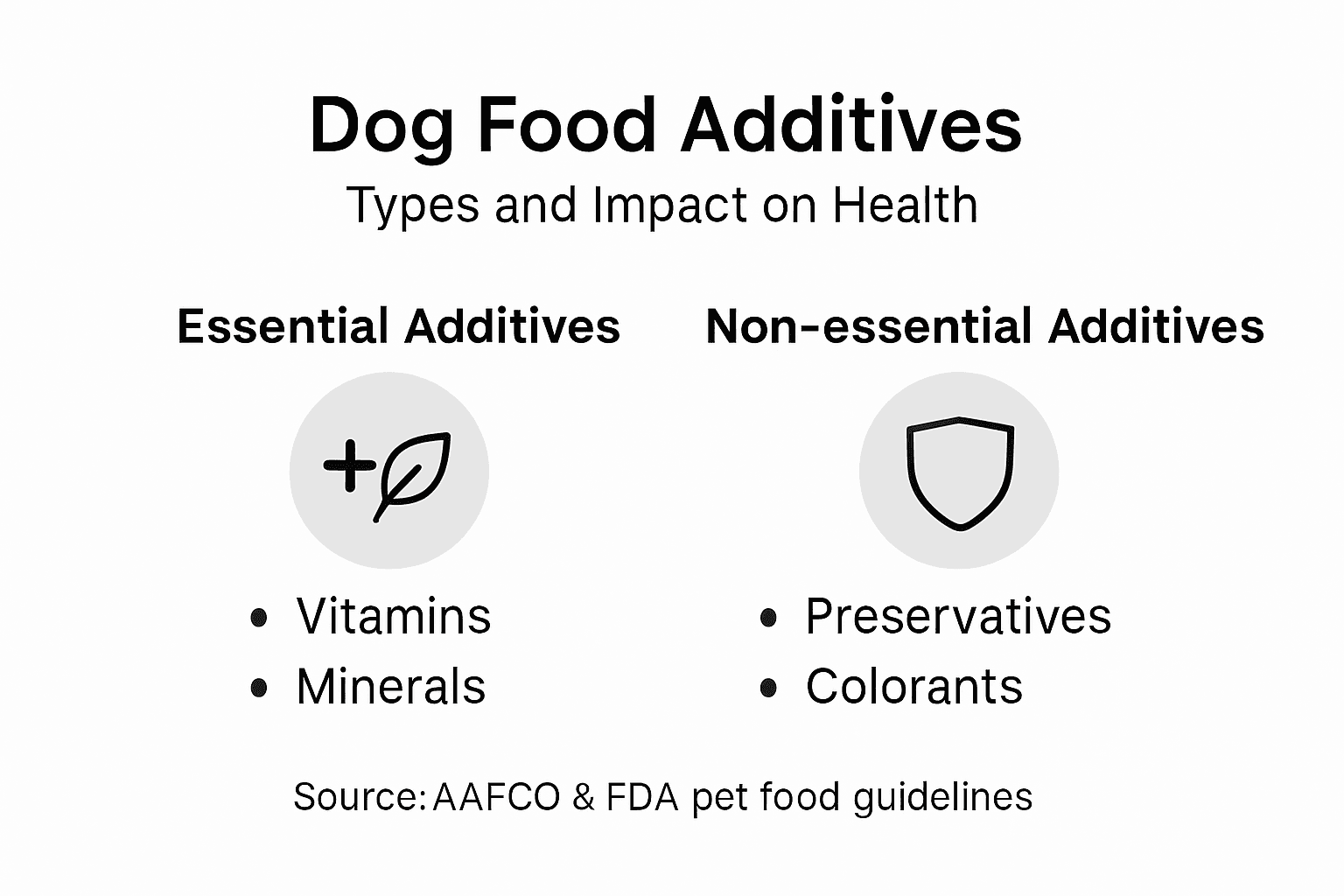
Nutritional Additives include vitamins and minerals that your dog’s body requires for optimal function. These are the additives that directly support health. Selenium, vitamin E, taurine, and various B vitamins fall into this category. When raw ingredients are processed into kibble or wet food, some nutrients break down or leach away, so manufacturers add these vitamins and minerals back to meet nutritional standards. Your dog needs these additions to maintain bone health, immune function, and overall vitality. Technological Additives serve practical purposes during manufacturing and storage. These include preservatives that prevent bacterial growth and spoilage, antioxidants that protect fats and oils from becoming rancid, and stabilizers that maintain consistent texture throughout the product’s shelf life. Without these technological additives, commercial dog food would degrade quickly, making it unsafe for consumption. The type of technological additive used varies depending on whether the food is dry kibble, wet food, or semi-moist, since each format requires different preservation strategies. Sensory Additives enhance color and flavor to make the food more visually appealing and palatable. These include artificial colorings and flavor enhancers. While these additives don’t harm your dog’s health when used within regulated safety limits, they’re primarily designed to appeal to human perceptions rather than meet your dog’s nutritional needs.
Each additive class must meet strict regulatory standards. Additives in pet food require established nutritional or technical purposes and must be used within regulated safety limits set by organizations like AAFCO and the FDA. Some additives are classified as Generally Recognized as Safe (GRAS), while others require approved food additive petitions demonstrating their safety at specified usage levels. This regulatory framework protects your dog from harmful substances, though it’s worth noting that safety limits differ from optimal health, particularly for dogs with sensitivities or allergies.
For health-conscious pet owners seeking premium nutrition, the distinction between these additive types directly impacts your purchasing decisions. Nutritional additives are necessary and beneficial, technological additives ensure food safety and shelf stability, but sensory additives may be worth avoiding if you’re targeting the most natural, minimally processed option for your dog.
Here’s a quick overview of the three main types of dog food additives and their roles:
Additive Type | Main Purpose | Typical Examples | Impact on Dogs |
Nutritional Additives | Supply essential nutrients | Vitamins, minerals, taurine | Support health and vitality |
Technological Additives | Preserve and stabilize food | Preservatives, antioxidants | Prevent spoilage, improve safety |
Sensory Additives | Enhance taste and appearance | Artificial colors, flavors | Appeal to owners, rarely benefit dogs |
Pro tip: When comparing foods, accept nutritional additives like vitamins as necessary, but prioritize products that minimize sensory additives like artificial coloring and flavoring, particularly if your dog shows any signs of sensitivities or digestive issues.
How Additives Affect Dog Food Quality and Health
The way additives impact your dog’s food quality and health depends heavily on which additives are used, how much, and how your individual dog responds to them. This isn’t a simple yes-or-no situation. Some additives genuinely improve food safety and nutritional value, while others primarily serve commercial interests with minimal benefit to your dog. The challenge lies in understanding the difference and recognizing how each additive category affects what your dog gets in their bowl.
Quality additives enhance your dog’s food by preserving nutritional integrity and preventing spoilage. Antioxidants like vitamin E protect the fats in your dog’s food from becoming rancid, which would compromise both taste and nutritional value. Preservatives prevent bacterial growth that could make your dog seriously ill. Stabilizers maintain consistent texture so your dog gets the same experience bite after bite. These technological additives directly contribute to food safety and shelf stability, which means your dog consumes fresh, safe nutrition rather than deteriorated food. However, the health picture becomes murkier with sensory additives. Artificial colorings and flavor enhancers don’t improve nutritional quality, and they exist primarily because they appeal to human shoppers. For many dogs, these additions are harmless when used within regulated limits. Yet for dogs with sensitivities, certain food dyes or additives can trigger digestive upset, skin irritation, or behavioral changes.

The real complication is that scientific evidence on health risks from individual additives remains limited, making it challenging to isolate the effects of single ingredients in complex formulations. Your dog’s food contains dozens of ingredients and additives working together. When your dog experiences an adverse reaction, pinpointing which specific additive caused it becomes difficult without elimination trials. Additionally, long-term impacts of certain additives are still being studied, and regulatory bodies continue evaluating safety data as new research emerges. This uncertainty is why health-conscious pet owners increasingly prefer minimally processed foods. Freeze-dried food reduces additive exposure by using whole ingredients that require fewer technological additives while maintaining nutritional integrity through gentle processing.
For your dog’s health, recognize that all additives aren’t equal. Nutritional additives genuinely support wellness, technological additives ensure food safety, but sensory additives offer no health benefit and may cause problems in sensitive dogs. The most significant health impact comes from choosing foods formulated for quality nutrition rather than marketing appeal, and understanding your individual dog’s sensitivities to specific additive types.
Pro tip: Track any changes in your dog’s coat, digestion, energy level, or behavior after switching foods, as these often indicate sensitivity to specific additives; if issues appear, consider foods with fewer sensory additives and more whole ingredients.
Regulations and Labeling Standards for Additives
Pet food regulations exist to protect your dog by ensuring that manufacturers disclose exactly what additives are in their products and that those additives meet safety standards. In the United States, this regulatory framework involves multiple layers of oversight, with the Association of American Feed Control Officials (AAFCO) providing model regulations that most states adopt. Understanding how these regulations work helps you confidently read labels and make informed purchasing decisions for your dog’s food.
Pet food labels are highly regulated at both federal and state levels, with specific requirements governing what manufacturers must disclose. Your dog’s food label must include the brand name, the species it’s intended for (in this case, dogs), a complete ingredient list in descending order by weight, a guaranteed nutrient analysis showing protein and fat content, feeding instructions, and product quantity. Labels cannot be false or misleading, which means manufacturers cannot hide additives or misrepresent their purposes. The ingredient list is particularly important because it reveals which additives are present. If you see “preservatives” listed, manufacturers must identify the specific type, whether that’s vitamin E, vitamin C, or synthetic options like BHA or BHT. The principal display panel (the front of the package) must contain certain information, while the information panel (back or side) contains additional details, ensuring you have complete transparency regardless of which part of the package you’re reading.
Beyond basic labeling requirements, regulations also govern which additives are permitted and at what levels. The FDA classifies additives as Generally Recognized As Safe (GRAS) when scientific consensus supports their safety, or they require approved food additive petitions demonstrating safety at specified usage levels. Manufacturers cannot simply add any substance they want. Each additive must have an established nutritional or technical purpose and must be used within regulatory safety limits determined through scientific evaluation. This means that even approved additives cannot exceed certain concentrations, protecting your dog from cumulative exposure to potentially harmful substances. Additionally, any claims made on the label, such as “natural” or “premium,” are subject to regulatory definitions and cannot be arbitrary marketing language designed to mislead health-conscious pet owners.
For urban American dog owners accustomed to premium products and transparency, these regulations provide a foundation of accountability. However, regulations establish minimum safety standards, not optimal nutrition. Two foods can both be legally compliant while offering vastly different additive profiles. One might use minimal additives with whole ingredients, while another uses more synthetic additives and flavor enhancers within legal limits. Your job is using regulatory labeling requirements as a tool to compare products. By reading ingredient lists carefully and understanding which additives serve nutritional versus purely commercial purposes, you can select foods that align with your dog’s health priorities.
Pro tip: Compare ingredient lists across brands by identifying which additives appear first after main ingredients; additives listed later represent smaller quantities, so products with additives appearing near the end of the list use fewer additive ingredients overall.
Potential Risks and Common Misconceptions
Misconceptions about dog food additives spread easily online, often causing unnecessary anxiety among health-conscious pet owners. The reality is more nuanced than sensationalized headlines suggest. While genuine risks exist, they typically stem from contamination, overdose, or misuse rather than from approved additives used at regulated levels. Understanding the difference between legitimate concerns and misconceptions empowers you to make rational decisions about your dog’s nutrition without falling prey to marketing fear tactics on either side of the debate.
One widespread misconception is that all preservatives are dangerous synthetic chemicals that slowly poison your dog. This simply isn’t accurate. Vitamin E and vitamin C are natural preservatives that protect fats from becoming rancid, providing genuine nutritional and food safety benefits with no documented health risks at approved usage levels. Synthetic preservatives like BHA and BHT are more controversial, but even these have been studied extensively and deemed safe at regulated concentrations by regulatory agencies. The actual risk from preservatives comes from overdose or contamination during manufacturing rather than from approved preservatives used appropriately. Another common misconception confuses “natural” with “safer.” Many pet owners assume natural additives are automatically better than synthetic ones, but this isn’t supported by evidence. A naturally derived additive can be harmful at high doses, while a synthetic additive can be perfectly safe at regulated levels. What matters most is the specific additive, the amount used, and the regulatory oversight governing its use.
Real risks do exist, though they’re often more specific than general “additive phobia” suggests. The FDA has investigated potential links between certain diets high in legumes and potatoes and canine dilated cardiomyopathy, a serious heart condition in dogs. This investigation demonstrates that risks can come from specific ingredient combinations or processing methods rather than additives alone. The association appears complex and may involve multiple dietary and genetic factors working together. Additionally, food contamination during manufacturing poses genuine risks, which is why regulatory oversight of ingredient sourcing and processing hygiene matters significantly. Some dogs experience adverse reactions to specific additives, not because the additive is universally harmful but because their individual dog has a sensitivity. Artificial colorings, certain preservatives, and flavor enhancers trigger digestive upset or skin issues in susceptible dogs, even when used within legal limits.
The safest approach involves distinguishing between evidence-based concerns and unfounded fears. Accept that nutritional additives like vitamins serve important purposes. Question whether sensory additives like artificial coloring benefit your dog or simply appeal to you as a consumer. Monitor your individual dog’s response to different foods and brands. Report any health concerns to your veterinarian and to regulatory agencies. By staying informed rather than fearful, you can make decisions that genuinely serve your dog’s health and longevity.
Pro tip: If your dog shows signs of food sensitivity, work with your veterinarian to conduct an elimination diet, removing foods with specific additives one at a time to identify which additive or ingredient actually triggers the reaction.
Choosing Additive-Free and Natural Alternatives
Choosing additive-free and natural dog food alternatives appeals to many health-conscious pet owners who want to minimize synthetic ingredients and provide their dogs with whole, recognizable foods. This preference makes sense, particularly if your dog shows sensitivities to artificial additives or if you simply value transparency about what goes into your dog’s body. However, selecting these alternatives requires understanding what “natural” actually means and ensuring that any food you choose still meets your dog’s complete nutritional needs, not just your preference for fewer additives.
The word “natural” on dog food labels doesn’t carry a standardized legal definition across all products. One manufacturer’s “natural” formula might contain different additives than another’s, so you cannot rely on marketing language alone. Instead, examine the ingredient list carefully. Look for whole protein sources listed first, such as chicken, beef, fish, or lamb, rather than meat meals or byproducts. Identify which additives are present and understand their purposes. Nutritional additives like vitamins and minerals are still necessary even in natural foods, as whole ingredients rarely provide complete nutrition without fortification. Pet foods labeled complete and balanced must meet established nutrient profiles ensuring nutritional adequacy, regardless of whether they’re natural or conventional. This means that an additive-free food still requires careful formulation to deliver the vitamins, minerals, and amino acids your dog needs for optimal health. A food claiming to be natural but lacking these essentials serves your aesthetic preference rather than your dog’s health.
When evaluating natural alternatives, prioritize products backed by scientific standards and consult your veterinarian before making significant dietary changes. Some natural options use alternative preservation methods like high-pressure processing or freeze-drying, which reduce the need for chemical preservatives while maintaining food safety and nutritional integrity. Freeze-dried foods, for example, use minimal processing to preserve whole ingredients while eliminating most additives naturally. However, these premium options typically cost more than conventional foods, so you’re paying for both the additive reduction and the alternative processing methods. Additionally, understand that avoiding all additives isn’t realistic or necessarily beneficial. Vitamin E and vitamin C are natural additives that serve essential preservation functions. By distinguishing between additives that serve genuine purposes and those that are purely cosmetic, you can select foods that balance your desire for natural ingredients with your dog’s actual nutritional requirements.
Your decision about additive-free alternatives should depend on your dog’s individual health status, your budget, and whether your dog actually experiences problems with conventional foods. Some dogs thrive on standard commercial foods, while others benefit from limited-ingredient or additive-minimized options. Monitor your dog’s energy level, coat quality, digestive health, and overall vitality after switching foods. If your dog shows improvements in these areas, the investment in natural alternatives has paid off. If your dog does equally well on conventional food, spending significantly more for minimal additive reduction may not be necessary.
Compare these common dog food formats by their additive needs and processing methods:
Food Format | Additive Use Level | Preservation Method | Typical Processing |
Dry Kibble | Higher, more varied | Chemical preservatives | High-heat extrusion |
Wet Canned | Moderate | Sealed canning | Cooking, sterilization |
Freeze-Dried | Minimal | Water removal, less need | Low-temp dehydration |
Raw/Fresh | Very low to none | Refrigeration or freezing | Minimal processing |
Pro tip: Request your veterinarian’s recommendations for specific additive-free brands backed by clinical nutrition research, rather than relying on marketing claims, to ensure you’re selecting a food formulated by nutritionists with your dog’s health as the priority.
Elevate Your Dog’s Health with Additive-Free Nutrition
The article highlights a major challenge for dog owners today understanding the real impact of dog food additives on pet health and safety. Many additives serve practical preservation and nutritional roles but some can cause sensitivities or offer no real benefit to your dog. If you want to avoid unnecessary artificial colorings and flavorings while ensuring your dog receives essential nutrients without compromising safety, consider the power of minimally processed, freeze-dried foods made from whole ingredients.
At Loyal Saints Pets, we specialize in premium natural dog foods that honor these concerns. Our freeze-dried recipes use human-grade proteins like chicken and beef combined with fruits and vegetables to deliver balanced nutrition without fillers or questionable additives. This approach supports improved vitality, muscle strength, and digestive health. For a convenient and healthy option that aligns with your goals for additive-aware feeding, explore our curated Bundles crafted to provide variety and value.
Make the switch to food that meets AAFCO standards while eliminating unnecessary additives your dog does not need. Visit Loyal Saints Pets today and provide your dog with wholesome, trustworthy nutrition that promotes a longer, happier life. Take this important step now to protect your dog’s health and well-being with every meal.
Frequently Asked Questions
What are dog food additives and why are they used?
Dog food additives are substances added beyond basic ingredients to improve nutritional quality, food safety, and sensory appeal. They ensure that the food remains safe, nutritious, and palatable for dogs.
How do I identify harmful additives in dog food?
To identify harmful additives, carefully read ingredient lists on product labels. Look for additives listed in lower quantities and prioritize those that serve nutritional or safety functions over purely cosmetic purposes, such as artificial colors and flavors.
Are all additives in dog food safe for my dog?
Not all additives are equal. Many are regulated by the FDA and considered safe at specified levels, like vitamins and minerals. However, synthetic additives or those lacking clear proven benefits may pose risks, especially to dogs with sensitivities.
How can I choose the best dog food with minimal additives?
To choose the best dog food with minimal additives, look for products that prioritize whole ingredients, have minimal technological and sensory additives, and are marked as complete and balanced by recognized standards. Consult your veterinarian for recommendations.
Recommended
Comments