.png)
Allergy-Friendly Dog Food: Relief for Sensitive Pets
- Nick Willkom
- Feb 1
- 7 min read


Finding the right food for a sensitive dog in a busy American city can feel like a challenge with endless options on the shelves. Many pets struggle with allergies triggered by common proteins or grains, leaving owners searching for a safe and nutritious alternative. Choosing allergy-friendly dog food means balancing your dog’s health needs with quality ingredients that support energy, digestion, and a shiny coat. Discover how choosing the right premium, freeze-dried diet can make a difference for your dog’s comfort and happiness.
Table of Contents
Key Takeaways
Point | Details |
Allergy-Friendly Dog Food | This specialized diet is designed to reduce allergic reactions by using limited ingredients and novel protein sources. |
Understanding Allergens | Dog allergies can arise from food proteins, environmental factors, or genetic predispositions, making individualized assessment essential. |
Dietary Strategies | Successful management of allergies often requires hypoallergenic diets, limited ingredients, or hydrolyzed proteins tailored to specific dog sensitivities. |
Importance of Professional Guidance | Consulting a veterinarian or veterinary nutritionist is crucial for accurately diagnosing allergies and creating an effective nutrition plan. |
What Allergy-Friendly Dog Food Means
Allergy-friendly dog food represents a specialized nutritional solution designed to support canines with dietary sensitivities and food-related allergic reactions. Specialized diets help minimize allergic responses by carefully selecting ingredients that reduce potential inflammatory triggers in dogs.
These specialized foods typically feature several distinctive characteristics that set them apart from standard dog nutrition:
Limited ingredient lists with minimal potential allergens
Novel protein sources not commonly found in traditional dog foods
Grain-free or hypoallergenic formulations
Carefully selected, high-quality protein alternatives
Nutritionally balanced meals that support overall canine health
The primary goal of allergy-friendly dog food is to provide complete nutrition while dramatically reducing the likelihood of triggering adverse immune responses. Specialized dog nutrition strategies focus on identifying and eliminating specific ingredients that cause digestive discomfort, skin irritations, or other allergic symptoms.
Understanding your dog’s specific sensitivities is crucial when selecting an appropriate diet. Some dogs might react to common proteins like chicken or beef, while others could have grain-related allergies. Working closely with a veterinarian can help pinpoint exact dietary requirements and develop a personalized nutrition plan that supports your pet’s unique health needs.
Pro tip: Always introduce new foods gradually and monitor your dog’s response, documenting any changes in skin condition, digestion, or overall energy levels.
Types of Allergy Triggers in Dogs
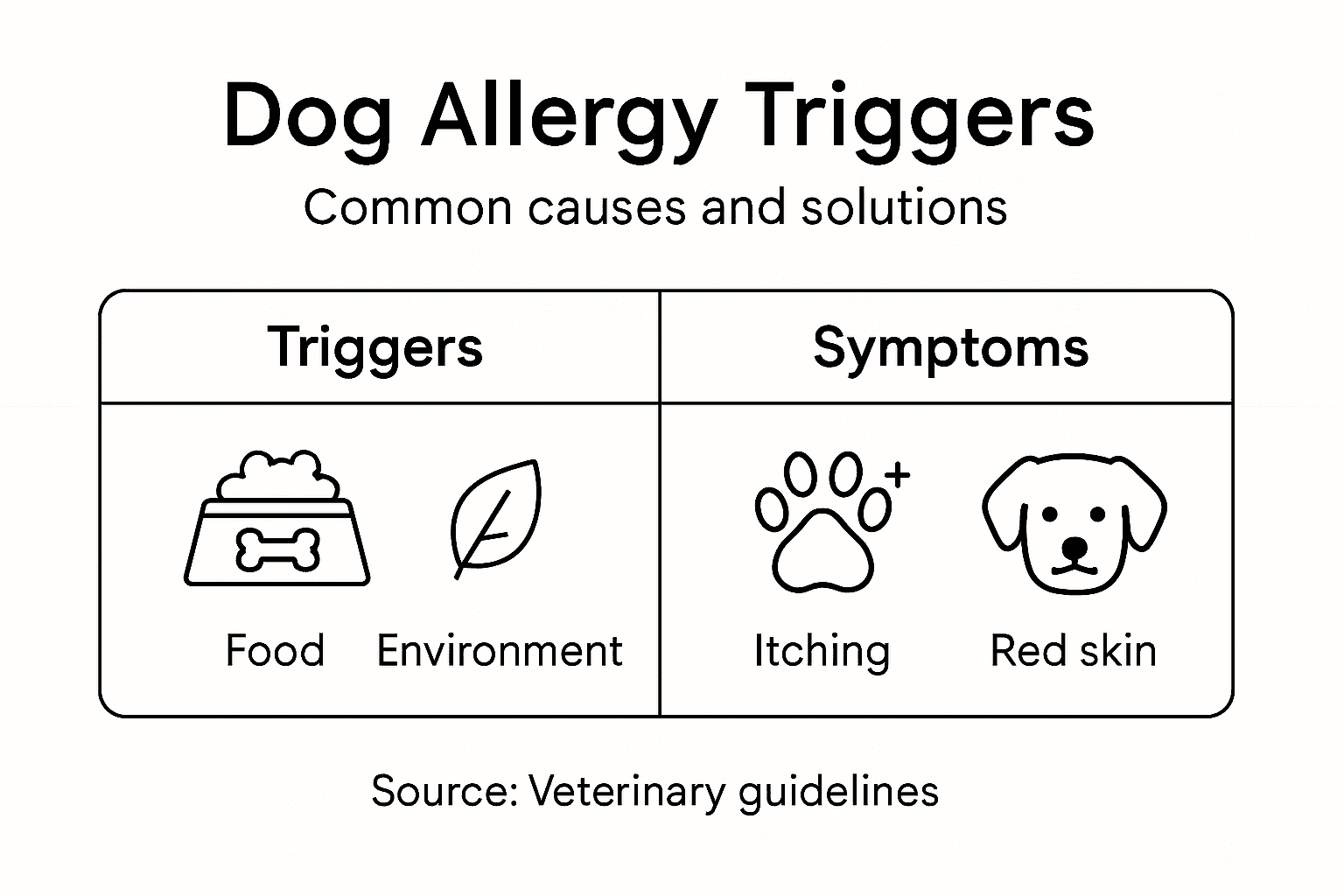
Dog allergies represent a complex health challenge with multiple potential trigger sources that can significantly impact a pet’s overall well-being. Immunological reactions involving specific allergens can manifest through various symptoms and affect different bodily systems.
The primary categories of allergy triggers in dogs include:
Food Proteins: Common culprits like beef, chicken, soy, and wheat
Environmental Allergens: Pollen, mold, dust mites, and grass
Flea-Related Triggers: Sensitivity to flea saliva
Contact Allergens: Reactions from direct skin contact with irritants
Genetic Predisposition: Breed-specific sensitivities
Common dog allergy symptoms can range from mild skin irritations to more severe systemic responses. These may include persistent itching, recurring ear infections, gastrointestinal disturbances, respiratory issues, and unexpected changes in coat or skin condition. Some dogs might experience localized reactions, while others develop more widespread inflammatory responses that require comprehensive medical intervention.

Understanding the specific nature of your dog’s allergies demands careful observation and professional veterinary assessment. Diagnostic approaches often involve elimination diets, blood tests, and intradermal skin testing to precisely identify the problematic allergens and develop targeted management strategies.
Here’s how common allergy triggers in dogs compare by origin and typical symptoms:
Allergy Trigger Type | Source Example | Typical Symptoms | Challenges in Identification |
Food Proteins | Beef, wheat | Itching, upset stomach | Requires diet trials |
Environmental Allergens | Pollen, dust mites | Sneezing, skin irritation | Symptoms often seasonal |
Flea-Related Triggers | Flea bites | Intense scratching, hot spots | Easily confused with other causes |
Contact Allergens | Cleaning chemicals | Redness, localized rash | Symptoms at contact site |
Genetic Predisposition | Breed-specific | Varies by breed | May require advanced testing |
Pro tip: Document and photograph your dog’s allergy symptoms systematically to provide your veterinarian with comprehensive evidence for accurate diagnosis.
How Special Diets Address Allergies
Hypoallergenic dog diets represent a targeted nutritional approach designed to minimize allergic responses and support canine health. Specialized dietary interventions work by strategically reducing exposure to potential inflammatory triggers and supporting the dog’s immune system.
The key strategies of allergy-addressing special diets include:
Limited Ingredient Formulations: Reducing potential allergen exposure
Novel Protein Sources: Introducing proteins the dog has not previously encountered
Grain-Free Options: Eliminating common grain-based allergenic compounds
Hydrolyzed Protein Diets: Breaking down protein molecules to minimize immune reactions
Balanced Nutritional Profiles: Ensuring complete dietary requirements are met
Veterinary-recommended dietary approaches typically involve careful elimination and reintroduction protocols. These systematic trials help identify specific ingredient sensitivities, allowing pet owners to develop a precisely tailored nutrition plan. The process often requires patience and meticulous documentation of the dog’s physical responses to different food components.
Successful management of canine food allergies demands a comprehensive understanding of individual pet sensitivities. Veterinarians recommend working closely with nutrition specialists to design a diet that not only addresses allergic symptoms but also supports overall health, muscle development, and immune system function.
Use this table to understand key differences among special dog diet strategies for allergies:
Diet Strategy | Main Approach | Best Suited For | Possible Drawback |
Limited Ingredient | Uses few, simple ingredients | Dogs with identified sensitivities | May lack variety |
Novel Protein | Introduces uncommon animal proteins | Dogs allergic to typical meats | Less familiar to some dogs |
Grain-Free | Removes corn, wheat, and similar grains | Grain-sensitive dogs | May not suit all allergies |
Hydrolyzed Protein | Uses proteins broken into small pieces | Dogs with multiple protein allergies | Can be more expensive |
Pro tip: Maintain a detailed food and symptom journal during dietary trials to help your veterinarian accurately pinpoint and address your dog’s specific allergenic triggers.
Ingredient Quality and AAFCO Standards
Pet food regulations play a critical role in ensuring the safety and nutritional integrity of dog diets, especially for animals with sensitive dietary needs. Ingredient quality standards provide a comprehensive framework that protects both animal health and consumer expectations.
Key aspects of AAFCO ingredient standards include:
Precise Ingredient Definitions: Ensuring clear and accurate labeling
Safety Protocols: Mandating Generally Recognized as Safe (GRAS) ingredients
Nutritional Adequacy: Verifying complete dietary requirements
Ingredient Transparency: Requiring descending order weight listings
Life Stage Specifications: Matching nutritional profiles to dog’s specific needs
Dog food label requirements create a robust system of accountability for pet food manufacturers. These standards mandate that each product clearly communicate its ingredients, nutritional composition, and intended target demographic, enabling pet owners to make informed decisions about their dog’s diet.
For allergy-sensitive dogs, these regulations become even more crucial. They ensure that hypoallergenic and limited-ingredient diets meet stringent quality control measures, providing a reliable pathway for managing canine dietary sensitivities while maintaining optimal nutritional balance.
Pro tip: Always cross-reference pet food labels with AAFCO nutritional adequacy statements to confirm the diet meets your dog’s specific health requirements.
Risks, Myths, and Common Mistakes
Dog food allergies are surrounded by numerous misconceptions that can potentially harm pet health. Common dietary myths often lead well-intentioned pet owners to make misguided nutritional choices that might compromise their dog’s well-being.
Prevalent myths and risks in allergy-friendly dog nutrition include:
Protein Misconception: Believing certain proteins are universally hypoallergenic
Self-Diagnosis Errors: Attempting to identify allergies without professional guidance
Oversimplification: Assuming all grain-free diets solve allergy problems
Nutritional Imbalance: Eliminating food groups without proper replacement
One-Size-Fits-All Approach: Ignoring individual dog’s unique nutritional needs
Pet allergy management requires careful understanding of complex immunological responses. Many owners mistakenly believe that visible symptoms like itching are the only indicators of food allergies, overlooking more subtle systemic impacts that can affect long-term canine health.
Navigating the landscape of dog nutrition demands scientific literacy and professional consultation. Veterinary nutritionists emphasize that while information is widely available, personalized assessment remains crucial in developing an effective allergy management strategy.
Pro tip: Consult a veterinary nutritionist before making significant dietary changes, as they can provide tailored guidance specific to your dog’s individual health profile.
Find Real Relief With Allergy-Friendly Nutrition From Loyal Saints Pets
If your dog struggles with food sensitivities or allergies, finding the right diet can feel overwhelming. The challenge lies in providing balanced nutrition while avoiding common allergens like beef, chicken, or grains that trigger discomfort. Loyal Saints Pets offers thoughtfully crafted, freeze-dried dog food made from high-quality, whole ingredients designed to support sensitive pets and promote their vitality. Our limited ingredient selections and novel protein options help reduce allergy risks while meeting AAFCO standards for complete nutrition.
Explore our Bundles | Loyal Saints for convenient options that introduce your dog to wholesome, natural meals without additives or fillers. Prefer specific proteins? Check out our Beef | Loyal Saints and Chicken | Loyal Saints collections crafted to support muscle strength and digestive health. Don’t wait to give your pet the allergy management they deserve. Visit Loyal Saints Pets now to find premium freeze-dried dog food that fosters a healthier, happier life for your beloved companion.
Frequently Asked Questions
What is allergy-friendly dog food?
Allergy-friendly dog food is a specialized diet designed for dogs with dietary sensitivities and food-related allergic reactions. It features limited ingredients, novel protein sources, and grain-free or hypoallergenic formulations to minimize potential allergens.
What are common allergy triggers in dogs?
Common allergy triggers in dogs include food proteins such as beef and chicken, environmental allergens like pollen and dust mites, flea-related sensitivities, contact allergens, and genetic predispositions linked to specific breeds.
How can special diets address canine allergies?
Special diets address allergies by using limited ingredient formulations, introducing novel protein sources, offering grain-free options, and utilizing hydrolyzed proteins. These approaches reduce exposure to potential allergens while ensuring balanced nutrition.
How do I choose the right allergy-friendly dog food for my pet?
To select the right allergy-friendly dog food, observe your dog’s specific sensitivities and consult with a veterinarian. A professional can help identify allergens and recommend appropriate dietary changes, ensuring that the food meets your dog’s nutritional needs.
Recommended
Comments