.png)
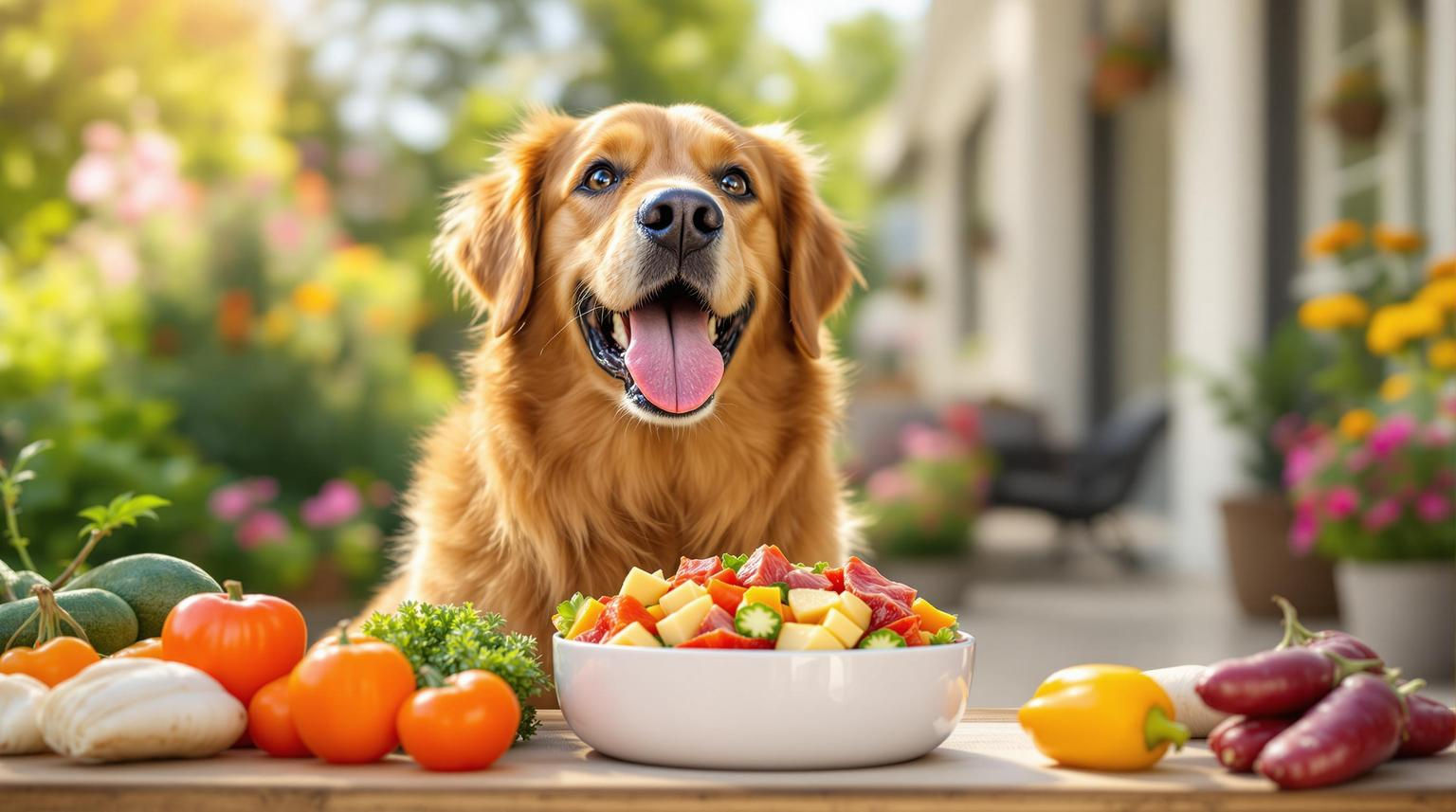
Why Raw Diets Improve Dog Gut Health
- Kristina Voltin
- Mar 31, 2025
- 6 min read
Updated: Nov 21, 2025
Raw diets can improve your dog's digestion and overall gut health. They use natural, high-protein ingredients without fillers or additives, making them easier for dogs to digest. Many pet owners report fewer stomach issues, better nutrient absorption, and improved energy levels after switching their dogs to raw food, especially freeze-dried options.
Key Benefits of Raw Diets:
Better Nutrient Absorption: Whole, unprocessed ingredients preserve vital nutrients.
Supports Gut Bacteria: Natural fibers promote a healthy gut microbiome.
Reduces Inflammation: Avoids allergens and processed fillers that irritate digestion.
Convenience with Freeze-Dried Options: Long shelf life and easy storage without refrigeration.
Common Digestive Problems in Dogs:
Symptoms: Diarrhea, gas, bloating, irregular bowel movements, and vomiting.
Causes: Low-quality food, allergies, nutrient gaps, or sudden diet changes.
Switching to raw food should be done gradually over 6–8 weeks to avoid upsetting your dog's stomach. Always consult your vet before making dietary changes. Freeze-dried raw food, like Loyal Saints, combines the health benefits of raw diets with convenience, making it a practical choice for improving your dog’s gut health.
Vet-Approved Raw Food Diet for Dogs: Gut Health, Shiny Coat ...
Common Dog Digestive Problems
Digestive issues are a common challenge for many dogs, impacting their overall well-being. Spotting these problems early is crucial before considering dietary changes.
Warning Signs of Poor Digestion
Dogs often display noticeable symptoms when their digestion isn't working properly. Look out for:
Frequent diarrhea or loose stools
Excessive gas or bloating
Irregular bowel movements
Vomiting or regurgitation
Changes in appetite
Low energy due to poor nutrient absorption
What Causes Digestive Problems?
Several factors can lead to digestive troubles in dogs. Here are the main culprits:
Low-Quality Ingredients in Food Commercial pet foods often contain additives, fillers, and subpar ingredients that can irritate a dog’s digestive system. These can be tough to process and may cause inflammation.
Food Sensitivities and Allergies Some dogs have sensitive stomachs or specific food intolerances. Colin J shared his experience with his dog, who thrived after switching to freeze-dried raw food, despite a history of digestive sensitivity.
Nutritional Gaps Processed pet foods can lose key nutrients during manufacturing. Toby’s mom noted:
Finally a nutrition-packed food for Toby without all the added gunk! He loves it and it shows in his coat.
Sudden Changes in Diet Switching foods too quickly can overwhelm a dog’s digestive system. Veterinarians recommend transitioning diets gradually to avoid upsetting their stomachs.
Understanding these causes can help explain why raw diets might offer relief for dogs with digestive challenges.
Raw Diet Effects on Dog Digestion
Raw diets can improve canine digestion thanks to their unprocessed, natural ingredients. Let’s break down how these diets support a dog’s gut health.
Improved Nutrient Absorption
Raw diets are designed to align with a dog’s natural digestive system. By focusing on whole proteins and nutrient-packed fruits and vegetables, these meals provide concentrated nutrition without the unnecessary fillers found in many commercial foods. This means dogs often need to eat less to get the nutrients they require.
Because these diets avoid heavy processing, they help preserve enzymes and nutrients, making it easier for dogs to fully absorb what they consume.
Supporting Healthy Gut Bacteria
The natural fibers found in raw diets encourage the growth of beneficial gut bacteria. A balanced gut microbiome leads to smoother digestion, fewer stomach sensitivities, and better overall food tolerance.
Reduced Digestive Inflammation
Cutting out processed ingredients and common allergens can ease digestive stress and inflammation. Many pet owners report that even dogs with sensitive stomachs adapt well to raw diets, often experiencing fewer digestive issues after making the switch.
These digestive perks open the door to discussing how freeze-dried raw foods can retain nutrients while offering added convenience.
Freeze-Dried Raw Food Benefits
Freeze-dried raw food combines the health perks of raw diets with the ease of storage and handling, all while preserving essential nutrients.
Nutrient Retention in Processing
The freeze-drying process helps maintain both nutrients and flavor. By removing moisture at low temperatures, it safeguards important compounds, allowing pets to absorb nutrients effectively.
Easy Storage and Handling
One of the standout features of freeze-dried food is its shelf stability. These products don’t need refrigeration, making storage hassle-free. Pet owners often highlight this convenience:
"The small bags of freeze-dried food are so much more convenient to store, too. Thank you Loyal Saints!" [1]
"Peaches loved it. Finished the servings right away. Actually ate less since the servings are smaller. Guessing it is because there is less filler. I think sticking with this brand is a no brainer. Worth the little extra than the fridge foods we've been buying." [1]
This ease of use pairs well with the digestive benefits associated with raw diets.
Loyal Saints Premium Raw Food
Loyal Saints' freeze-dried raw food prioritizes natural nutrients and fibers to promote gut health. Using human-grade, all-natural ingredients, they offer balanced nutrition that supports digestion.
"We gradually made the transition from raw food to Loyal Saints freeze-dried food, and our dog goes crazy, spins in circles, as we are grabbing for the bag. He's always had a picky stomach but the gradual transition had no problems." [1]
With a 5.0/5 star rating from 48 reviews, Loyal Saints has earned praise for improving digestion and satisfying even the pickiest eaters.
Starting Raw Food Safely
Switching your dog to a raw food diet should be done carefully and gradually to avoid upsetting their digestion.
Step-by-Step Food Changes
Introduce raw food in stages while keeping an eye on your dog's reaction. Here's a simple timeline to follow:
Week 1–2: Replace 25% of your dog's current food with raw food.
Week 3–4: If all goes well, increase the raw food portion to 50%.
Week 5–6: Move to 75% raw food, continuing to watch for any signs of digestive discomfort.
Week 7–8: If everything looks good, transition fully to 100% raw food.
During this process, keep in touch with your veterinarian to ensure the plan suits your dog's specific health needs.
Getting Vet Approval
Before starting, talk to your vet to evaluate your dog's health and adjust the transition timeline if necessary.
A pet owner shared their experience:
"We gradually made the transition from raw food to this freeze dried and our dog goes crazy, spins in circles, as we are grabbing for the bag. He's always had a picky stomach but the gradual transition had no problems." – Colin J [1]
Ongoing Gut Health Care
Maintaining your dog's digestive health after transitioning to a raw diet takes consistent care. While the initial switch may bring noticeable benefits, long-term support is key to keeping your dog's gut in great shape.
Using Pro- and Prebiotics
Raw diets provide a strong starting point, but adding pre- and probiotics can further support digestion. These supplements help balance the gut microbiome, which plays a big role in breaking down food and absorbing nutrients. Loyal Saints freeze-dried raw food includes natural nutrients and fibers that contribute to:
Supporting smooth digestion
Reducing common digestive issues
Improving nutrient absorption
Keep in touch with your veterinarian to monitor your dog's progress and catch any potential concerns early.
Regular Vet Check-ups
Good nutrition is essential, but regular vet visits help ensure your dog's digestive health stays on track. These check-ups allow you to:
Track weight, stool consistency, and appetite for any changes
Evaluate overall gut health
Identify possible food sensitivities
Here’s a suggested schedule:
A follow-up visit 4–6 weeks after switching to a raw diet
Routine wellness exams every 6 months
Be alert for signs that your dog might need extra digestive support, such as:
Irregular stool consistency
Loss of appetite
Increased gas
Stomach noises
Fatigue after eating
Every dog is different, and while raw diets often promote excellent gut health, working closely with your vet ensures your pet’s specific needs are met. This partnership helps keep your dog happy and healthy over the long term.
Raw Food and Canine Digestion
Raw diets, particularly freeze-dried options, are known to improve digestive health in dogs. Many pet owners have shared positive feedback, noting that a gradual transition to raw food often resolves persistent digestive sensitivities. While the upfront cost of quality raw food may seem high, it can save money in the long run by improving overall health and cutting down on vet bills. A well-planned switch to raw feeding can support better digestion and reduce the need for frequent veterinary care.
Loyal Saints freeze-dried raw food is a great example of how raw diets can benefit digestion by offering:
High-quality proteins to aid proper digestion
Nutrients from natural sources to improve absorption
Wholesome fibers to support digestive balance
Simple, natural ingredients to reduce food sensitivities
When paired with regular vet visits and, if needed, supplements, raw diets help create a strong foundation for digestive wellness. Both research and pet owner experiences show that raw feeding is more than a passing trend - it's an effective way to enhance gut health and support your dog's overall well-being.
Comments