.png)
Why Switch Shelter Dogs to Premium Nutrition
- Towanda Brunson
- 7 hours ago
- 9 min read
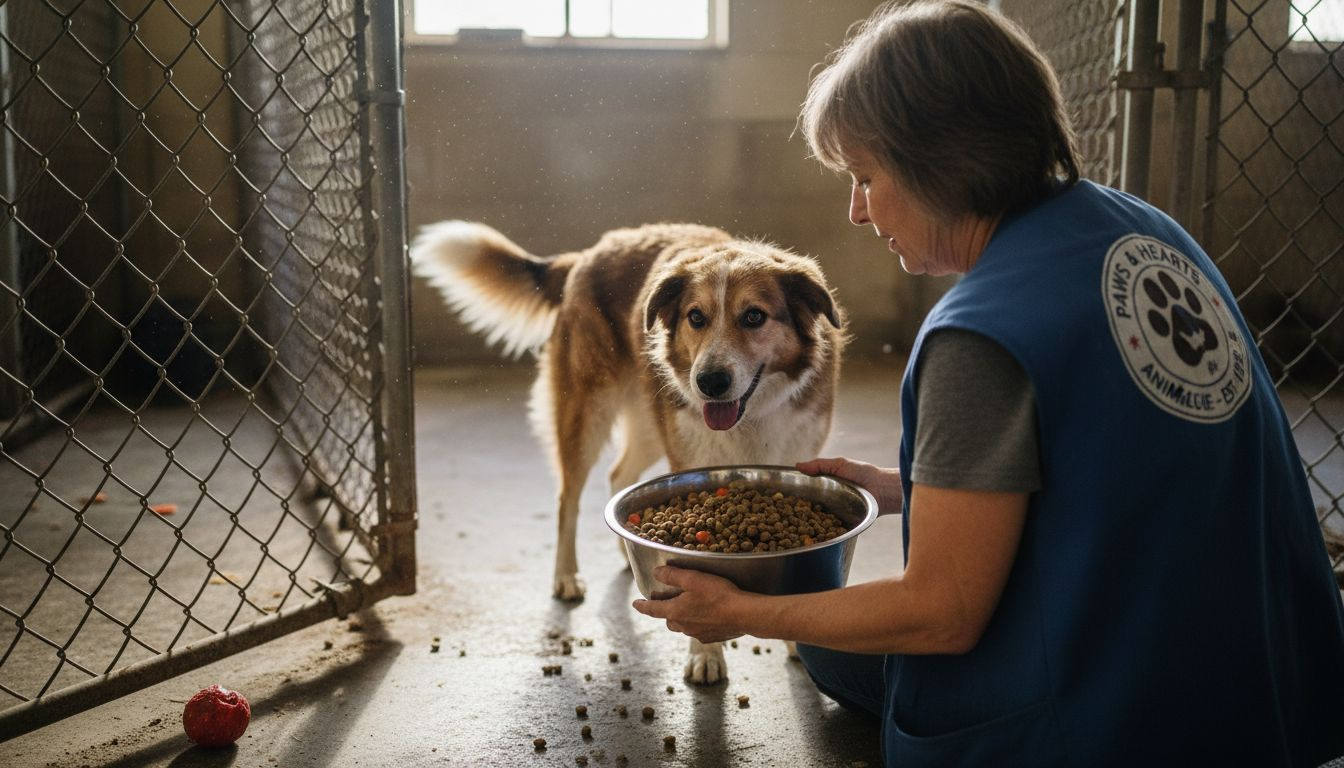
Finding the right nutrition for your dog often feels like a mix of science and devotion. For many American pet owners, the difference premium food makes is more than just filler versus real meat. A complete, nutritionally balanced diet supports immune strength, digestive health, and visible wellness according to the Association of American Feed Control Officials standards. Discover how premium nutrition can transform your dog’s recovery, energy, and overall happiness—starting from their very first bowl.
Table of Contents
Key Takeaways
Point | Details |
Importance of Premium Nutrition | Provides essential nutrients for recovery and long-term health of shelter dogs. |
Consistency is Key | Maintaining a stable diet helps prevent gastrointestinal issues and promotes emotional stability. |
Immediate Health Benefits | Premium nutrition leads to noticeable improvements in energy, coat quality, and behavior within weeks. |
Adoption Success Correlation | Well-nourished dogs exhibit improved health and behavior, increasing their chances of successful adoption. |
What Premium Nutrition for Shelter Dogs Means
Premium nutrition for shelter dogs isn’t just about feeding them well. It’s about giving their bodies the exact nutritional foundation they need to recover, thrive, and build a healthy future.
When a dog arrives at a shelter, their digestive system and immune function may already be compromised from irregular feeding or poor nutrition in their past. A complete, nutritionally balanced diet makes all the difference in their recovery timeline.
The Core Requirements
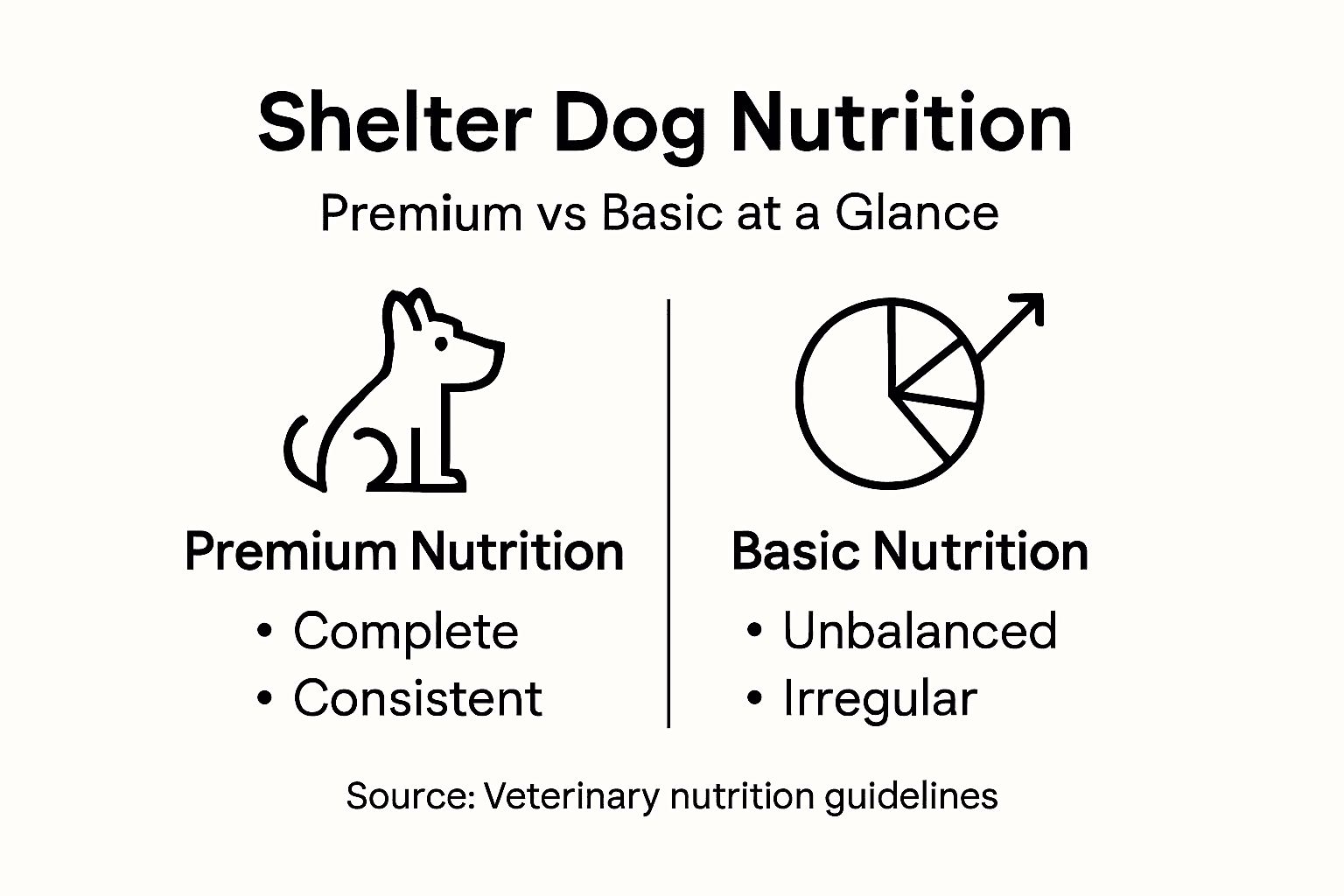
Premium nutrition means meeting AAFCO standards for completeness and balance. This ensures your shelter dog receives all essential nutrients—proteins, fats, vitamins, and minerals—in proper proportions.
But it goes deeper than that. Quality nutrition also means consistency in diet to prevent gastrointestinal upset. Shelter dogs need stability after instability.
What Makes It Premium
Premium nutrition for shelter dogs involves several key elements:
Complete proteins that support muscle strength and recovery during adjustment periods
Balanced minerals and vitamins for immune system strength
Age-appropriate formulations addressing growth, maintenance, or senior needs
High-quality, whole-food ingredients without unnecessary fillers or artificial additives
Provisions for specific health conditions or dietary sensitivities
A shelter dog’s recovery and future wellness depend directly on the nutritional choices made in their first days and weeks of care.
Consistency matters tremendously. When you switch a shelter dog to premium nutrition that supports balanced meal plans, you’re not just feeding them—you’re actively healing their digestive system and rebuilding their immune resilience.
The dogs arriving at shelters often have no medical history. They may have experienced malnutrition, irregular feeding schedules, or low-quality food. Premium nutrition addresses these challenges head-on.
Pro tip: When transitioning a shelter dog to premium nutrition, mix the new food gradually with their current diet over 7-10 days to prevent digestive upset and help their system adjust smoothly.
Here’s how premium and basic shelter dog diets compare:
Aspect | Premium Nutrition | Basic Nutrition |
Ingredient Quality | Whole foods, no fillers | Fillers, by-products |
Nutrient Consistency | Precisely balanced levels | Variable, can lack key nutrients |
Impact on Health | Fast visible improvements | Slow or minimal progress |
Adoption Success Link | Increases adoptability | May delay readiness |
Health Benefits of Switching Dog Diets
Switching a shelter dog to premium nutrition creates visible, measurable improvements almost immediately. You’ll notice changes in energy, coat quality, and behavior within weeks.

When shelter dogs transition to high-quality nutrition, their bodies finally get what they’ve been missing. This shift triggers a cascade of positive changes throughout their entire system.
Immediate Physical Benefits
Premium nutrition directly impacts multiple body systems at once. Here’s what improves:
Immune function strengthens as vitamins and minerals rebuild their defense systems
Energy levels rise because their metabolism finally has quality fuel
Coat condition improves with healthy fats supporting skin and fur quality
Weight management becomes easier with proper nutrient density and satiety
Digestive health stabilizes when they’re no longer processing low-quality fillers
Better nutrition means a stronger immune system, healthier coat, and the energy your shelter dog needs to thrive in their new home.
Appropriate nutrient intake including proteins, fats, vitamins, and minerals is critical for maintaining metabolic processes and preventing deficiencies. When shelter dogs lack these essentials, they accumulate health issues. Premium nutrition reverses this damage.
Long-Term Wellness Gains
The benefits extend far beyond the first month. Quality diet supports recovery from malnourishment and illness, reduces disease risks, and promotes longer lifespans.
Behavioral improvements also matter tremendously for adoption. Dogs eating premium nutrition become more playful, alert, and responsive—exactly what potential families want to see.
Skin problems disappear. Digestive disturbances resolve. Energy returns. These aren’t subtle changes; adopters and shelter staff notice them immediately.
When you switch to premium nutrition that supports natural health success, you’re investing in the dog’s entire future, not just their next meal.
Pro tip: Monitor your shelter dog’s coat shine, energy level, and stool quality during the first 30 days on premium nutrition—these three indicators tell you the diet is working.
Improved Recovery and Reduced Allergies
Shelter dogs often arrive with compromised immune systems and undiagnosed allergies. Premium nutrition directly addresses both issues, accelerating recovery and eliminating allergy symptoms that limit their adoptability.
When a dog’s body lacks proper nutrients, it can’t heal from past neglect or mount effective immune responses. Quality food changes this dramatically.
Recovery Through Nutrition
Essential nutrients that repair damaged tissues bolster immune defense systems from within. Shelter dogs need this foundation to bounce back from malnutrition and stress.
High-quality protein rebuilds muscle lost during periods of poor feeding. Vitamins and minerals restore organ function. Healthy fats support brain health and coat recovery.
This isn’t slow progress. Many shelter staff report visible improvements in energy and appearance within 2-3 weeks of switching to premium nutrition.
Allergies and Sensitivities
Common allergy triggers hide in low-quality dog foods. Shelter dogs often develop issues from:
Excessive grain fillers that their digestive systems reject
Artificial additives and preservatives triggering inflammatory responses
Unknown ingredient sources creating unknown reactions
Nutrient imbalances preventing proper immune tolerance
Limited ingredient diets and grain-free options reduce inflammatory responses and allergy symptoms common in shelter populations.
When you eliminate fillers and focus on whole-food ingredients that ease seasonal allergies, you’re not masking symptoms—you’re removing the cause.
Skin itching stops. Ear infections clear. Digestive upset disappears. These aren’t minor improvements; they transform adoption prospects. Families want healthy dogs, not ones requiring ongoing medication.
The Recovery Timeline
Expect to see changes follow this pattern:
Week 1-2: Digestive stabilization, improved bowel health
Week 3-4: Coat shine returns, itching decreases
Week 5-8: Sustained energy increase, behavioral improvement
Month 3+: Full physical recovery, allergy symptoms resolved
The timeline varies by individual dog, but the direction is consistent. You’re not fighting against their biology anymore; you’re working with it.
Below is a summary of shelter dog recovery milestones after starting premium nutrition:
Recovery Stage | Typical Improvements | Timeline |
Early (Week 1-2) | Digestive stabilization | 7-14 days |
Mid (Week 3-4) | Shinier coat, less itching | 21-28 days |
Late (Week 5-8) | More energy, better behavior | 35-56 days |
Full (Month 3+) | Allergy relief, full health | 90+ days |
Pro tip: When switching to premium nutrition, keep a simple journal noting coat condition, energy level, and any allergy symptoms—this evidence helps adoptive families understand the difference quality nutrition makes.
Supporting Successful Adoption Transitions
A shelter dog’s first weeks in their forever home matter enormously. Premium nutrition sets the stage for behavioral stability and emotional confidence during this critical adjustment period.
Adoption stress is real. New environments, unfamiliar people, and changed routines trigger anxiety in shelter dogs. A consistent, high-quality diet provides one anchor point of stability when everything else feels chaotic.
Nutrition as Stability
Adequate nutrition supports behavioral stability and physical wellness, which are vital for easing stress during adoption transitions. When a dog’s body is properly nourished, their brain functions better and emotional regulation improves.
Consistency matters most. The same premium food, at the same times each day, sends a signal of safety to a frightened animal.
A well-nourished dog exhibits fewer behavioral problems. They’re calmer, more trainable, and better equipped to bond with their new family.
What Adoptive Families Need to Know
When you send a shelter dog to their forever home on premium nutrition, give families actionable guidance:
Continue the same diet for at least 2-4 weeks before any transitions
Maintain feeding schedules to preserve the routine the dog has learned
Provide written nutrition information so families understand why quality matters
Explain behavioral benefits directly linked to their food choice
Offer follow-up support if the family has feeding questions
Dogs transitioning to new homes need dietary consistency above all else, even more than perfect food selection.
Families appreciate this guidance. They see the connection between nutrition and their dog’s calm, confident behavior. They understand they’re not just feeding a pet—they’re continuing the healing and growth started at the shelter.
Setting Dogs Up for Success
Prepare transition documentation for each adopted dog. Include the current food brand, feeding amounts, and any dietary notes about sensitivities or preferences.
This simple step dramatically increases adoption success rates. Families don’t second-guess themselves. Dogs don’t experience digestive upset from abrupt food changes. Everyone wins.
Your role doesn’t end at adoption. You’ve given this dog a second chance through premium nutrition. Help families maintain that investment.
Pro tip: Create a one-page “Nutrition Transition Guide” for each adopted dog listing their current food, daily portions, feeding times, and contact information for dietary questions—this document becomes the adoptive family’s reference guide.
Costs, Alternatives, and Common Pitfalls
Yes, premium nutrition costs more upfront. But this investment pays dividends through fewer medical issues, faster recovery, and higher adoption success rates. The real question isn’t whether you can afford premium nutrition—it’s whether you can afford not to use it.
Understanding cost versus value matters when making budget decisions for shelter dogs.
The Cost Reality
Premium diets have higher initial expenses than budget options. A month of quality food for ten dogs costs significantly more than generic alternatives.
But providing balanced and species-appropriate nutrition can reduce medical issues and improve recovery outcomes, potentially lowering long-term expenses. You’re preventing costly health problems, not just feeding animals.
Dogs on poor nutrition develop skin infections, digestive disorders, and immune compromise. Treating these conditions drains budgets far beyond what premium food would have cost.
Realistic Alternatives
You don’t need to choose between premium and nothing. Strategic alternatives exist:
Mix wet and dry food to stretch budgets while maintaining nutrition quality
Use approved donation programs that meet nutritional standards and reduce costs
Implement prescription diets only for medical conditions, not all dogs
Bulk purchase quality foods to lower per-pound expenses
Partner with local pet food retailers for bulk discount agreements
Prioritize nutritional balance over brand names when managing shelter budgets—adequate nutrition matters more than premium labels.
Common Pitfalls to Avoid
These mistakes undermine your nutrition efforts:
Diet inconsistency switches food too frequently, causing digestive upset and nutrient gaps
Reliance on variable donations with unpredictable quality and nutritional content
Unrealistic expectations about diet brand instead of actual nutritional adequacy
Frequent diet changes between shelter intake and adoption, confusing dogs’ systems
Feeding inadequate diets that look fine on paper but lack bioavailable nutrients
One consistent, adequate diet beats rotating premium brands. Your shelter dogs need stability more than variety.
Many shelters receive donated foods with no nutritional information. While donations help budgets, prioritize documented, AAFCO-compliant options for your core feeding program.
Pro tip: Calculate your cost per dog per day for premium nutrition, then compare it to estimated medical treatment costs for common shelter dog conditions—most shelters discover premium nutrition actually saves money over six months.
Elevate Shelter Dogs’ Health with Premium Nutrition Today
Shelter dogs face unique nutritional challenges that impact their recovery, immune function, and adoptability. As the article highlights, switching to a consistent, balanced diet formulated with high-quality proteins and essential nutrients accelerates healing, reduces allergies, and boosts energy. At Loyal Saints Pets, we understand these critical needs and offer freeze-dried dog food crafted from human-grade, whole ingredients with no fillers or artificial additives. Our foods meet AAFCO standards to support muscle strength, digestive health, and overall vitality.
Discover how choosing premium nutrition designed for real health benefits can transform shelter dogs’ lives and set them up for lasting success in their forever homes. Don’t wait to make a difference. Browse our selection today and take advantage of free shipping on qualifying orders. Visit Loyal Saints Pets now to give shelter dogs the fresh start they deserve with nutrition that heals and empowers.
Frequently Asked Questions
Why is premium nutrition important for shelter dogs?
Premium nutrition is crucial for shelter dogs because it provides essential nutrients that support their recovery, immune function, and overall well-being. Many shelter dogs arrive with compromised health due to poor feeding histories, so a balanced diet helps them thrive in their new environments.
How does premium nutrition affect a shelter dog’s recovery?
Switching to premium nutrition can lead to visible improvements in a shelter dog’s energy levels, coat quality, and overall health within weeks. Essential nutrients help strengthen their immune systems and support recovery from malnourishment.
What specific benefits can I expect when transitioning a shelter dog to premium nutrition?
When transitioning to premium nutrition, you can expect improvements in immune function, energy levels, coat condition, weight management, and digestive health. These changes significantly enhance the dog’s quality of life and adoptability.
What should I consider when transitioning a shelter dog to a new diet?
When transitioning a shelter dog to a new diet, it’s important to mix the new food gradually with their current food over a period of 7-10 days to prevent digestive upset. Additionally, maintaining consistency in the feeding schedule and diet type helps provide stability to the dog during the adjustment period.
Recommended
Comments