.png)
7 Clear Signs of Healthy Dogs Every Owner Should Know
- Towanda Brunson
- a few seconds ago
- 14 min read
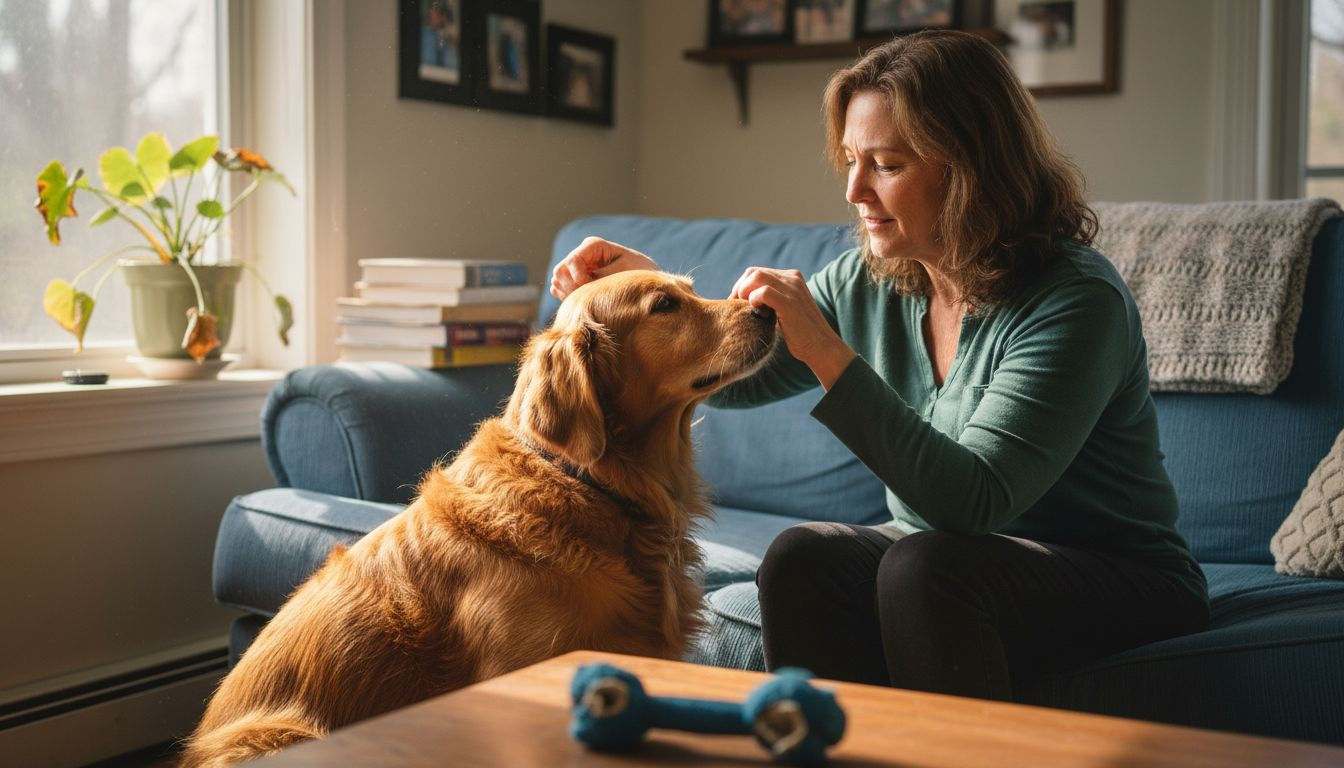
Wondering if your dog is truly thriving? Sometimes, the signs of good health are easy to miss if you do not know what to look for. Your dog’s appearance, behavior, and even their energy levels can reveal a lot about their well-being.
By recognizing the real indicators of a healthy dog, you can spot issues early and give your pup the best chance at a long, happy life. You are about to discover the practical cues—like bright eyes, a shiny coat, steady appetite, and consistent playfulness—that let you know your dog is in great shape. Get ready to learn the clear signals that every responsible dog owner should know.
Table of Contents
Quick Summary
Takeaway | Explanation |
1. Regularly Check Eyes and Ears | Bright eyes and clean ears indicate good health; inspect them weekly to catch potential issues early. |
2. Provide Quality Nutrition for Coat | A shiny coat reveals proper nutrition; feed omega-3 rich proteins to support skin and fur health. |
3. Maintain Healthy Weight for Longevity | A stable appetite and healthy weight are crucial; adjust feeding based on your dog’s activity level for wellness. |
4. Monitor Stool Consistency | Regular, firm stool reflects digestive health; watch for changes and consult your vet if issues arise. |
5. Engage in Positive Interactions daily | Responsive behavior shows your dog’s well-being; engage through play and structured routines to strengthen your bond. |
1. Bright Eyes and Clean Ears Indicate Good Health
Your dog’s eyes and ears tell you a lot about their overall wellness. When these areas are bright, clear, and clean, you’re looking at a strong indicator that your pup is in good health.
Why Eyes Matter
Healthy dog eyes are noticeably bright and clear. The whites of the eyes should be pure white, not red or cloudy. When you see bright, sparkling eyes, your dog’s vision is working properly and their body is functioning as it should.
Problems develop when eyes start showing signs of trouble. Cloudy or red eyes could indicate infections or cataracts, which are common concerns in aging dogs. Any discharge, excessive tearing, or signs of irritation warrant a vet visit.
Eye health connects directly to nutrition too. Quality proteins and antioxidants support vision function throughout your dog’s life.
Clean Ears Signal Wellness
Clean ears are free from several warning signs. Look for the absence of these issues:
Foul odors or unpleasant smells
Visible discharge or wax buildup
Redness or visible irritation
Dirt accumulation inside the ear canal
Healthy ears have no odor and appear clean inside. If you notice any discharge or foul smell, infections or other problems may be developing.
Practical Inspection Routine
Regular gentle cleaning and inspection prevent infections before they start. Check your dog’s eyes and ears weekly during grooming time. This simple habit keeps you aware of any changes.
When cleaning, use a soft, damp cloth for eyes and appropriate ear cleaning solutions for ears. Never insert anything deep into the ear canal. Gentle external cleaning is all that’s needed.
Bright eyes and clean ears are often the first signs your dog is thriving, reflecting good overall health and proper nutrition working together.
Pro tip: Include omega-3 rich proteins in your dog’s diet to support eye and ear health naturally. These nutrients reduce inflammation and keep sensory organs functioning optimally.
2. Shiny Coat and Healthy Skin Reflect Proper Nutrition
A glossy, vibrant coat is one of the most visible signs your dog is thriving. That shine doesn’t come from fancy grooming products alone—it comes from what your dog eats.
The Nutrition Connection
Your dog’s skin and coat health depend directly on their diet. When you feed quality nutrition, you’re building the foundation for that beautiful shine from the inside out. Poor nutrition shows up as a dull, flaky coat and itchy skin.
The body uses specific nutrients to maintain skin barrier function and fur growth. Essential fatty acids are particularly important for coat quality. Without them, your dog’s fur becomes dry and brittle.
Key Nutrients for Coat Health
Omega-3 fatty acids, antioxidants, and proteins work together to create that healthy shine. Each nutrient plays a specific role.
Your dog needs these nutrients to maintain coat quality:
Omega-3 and omega-6 fatty acids for fur glossiness
Vitamin A for skin cell health and coat strength
Vitamin E for skin protection and elasticity
B-complex vitamins for skin metabolism
High-quality proteins for hair structure and growth
What Poor Nutrition Looks Like
Nutritional deficiencies often cause poor coat condition and skin problems. If your dog has a dull coat, dry patches, or excessive shedding, nutrition might be the issue.
Other signs include flaking skin, constant itching, and even hair loss in severe cases. These problems develop when your dog isn’t getting the balanced nutrients their body needs.
Making the Change
Upgrading to a nutrient-rich diet creates visible improvements within weeks. Your dog’s coat becomes shinier, their skin clears up, and shedding decreases. This transformation happens because proper nutrition supports every cell in your dog’s body.
Combining quality nutrition with regular grooming maximizes coat health. Grooming removes dead hair and stimulates natural oils, while nutrition provides the building blocks those oils depend on.
A shiny, healthy coat reflects what’s happening inside your dog’s body—proper nutrition creates that radiant, vibrant appearance that catches everyone’s eye.
Pro tip: Feed freeze-dried whole food that preserves nutrients better than traditional kibble, ensuring your dog absorbs maximum nutrition for coat and skin health.
3. Consistent Energy and Playfulness Show Vitality
A dog bursting with energy and enthusiasm is a joy to watch. That playfulness you see isn’t just entertaining—it’s a clear window into your dog’s overall health and vitality.
Energy as a Health Indicator
Consistent energy levels reflect an active metabolism and good physical condition. When your dog is eager for walks, excited to play, and maintains steady activity throughout the day, their body is working efficiently. This vitality signals that their organs, muscles, and systems are functioning properly.
Energy fluctuations can indicate problems. A sudden drop in playfulness or lethargy warrants a veterinary check. Healthy dogs naturally display enthusiasm for activities they enjoy.
The Role of Routine and Nutrition
Regular physical activity keeps dogs healthy and mentally stimulated, reducing behavior problems and maintaining energy. Consistent routines combined with quality nutrition create the foundation for sustained vitality.
Your dog’s energy depends on several factors working together:
Quality nutrition providing fuel for activity
Regular exercise and mental stimulation
Consistent feeding schedules
Proper rest and sleep cycles
Low stress and anxiety levels
What Healthy Playfulness Looks Like
Your dog should show eagerness for daily activities and maintain interest in play. A healthy pup wags their tail during walks, responds enthusiastically to games, and engages with toys or family members.
Playfulness varies by age and breed, but the pattern should remain consistent. Your individual dog has their own energy baseline, and maintaining that baseline indicates good health.
Building Better Energy Through Feeding
What you feed directly impacts how energetic your dog becomes. How diet impacts dog energy and longevity shows the powerful connection between nutrition and vitality. Premium, nutrient-dense foods provide sustained energy without crashes.
Dogs eating highly processed kibble often show energy dips throughout the day. Switching to whole food nutrition creates more consistent, vibrant energy patterns.
A playful, energetic dog reflecting consistent vitality is a sign that nutrition, routine, and care are all working together perfectly.
Pro tip: Establish consistent feeding times and daily exercise routines to maximize your dog’s energy levels and support sustained playfulness throughout their life.
4. Normal Appetite and Healthy Weight Maintenance
Your dog’s appetite and weight tell you volumes about their health. When your dog maintains a steady appetite and stable, healthy weight, their body is in balance and functioning well.
Understanding Healthy Weight
Healthy weight varies by breed, age, and individual body type. The key is finding your dog’s optimal weight where they’re neither too lean nor overweight. A healthy dog should have ribs you can feel but not see prominently, with a visible waist when viewed from above.
Appetite as a Health Signal
Normal appetite means your dog consistently eats their meals with enthusiasm. Changes in appetite—either eating too much or too little—often signal underlying health issues. A dog with consistent eating patterns has better weight control and digestive health.
Sudden appetite loss or excessive hunger warrants veterinary attention. These changes can indicate infections, digestive problems, metabolic diseases, or other conditions requiring treatment.
Why Weight Matters
Overweight dogs face serious health risks. Extra weight stresses joints, increases metabolic disease risk, and reduces overall lifespan. Maintaining healthy weight through proper nutrition directly supports long-term wellness.
Regular weight monitoring is vital preventive care. Track your dog’s weight monthly and adjust food intake based on changes and activity levels.
Finding the Right Nutrition Balance
Feeding plans should be adjusted individually to meet energy requirements and avoid obesity or malnutrition. A balanced diet appropriate for your dog’s age, breed, and lifestyle supports normal appetite and stable weight.
Your dog needs proper nutrition based on:
Age and life stage
Activity level and lifestyle
Individual metabolism
Health status or special needs
Body condition score
Quality Nutrition Supports Weight Control
Nutrient-dense whole foods help your dog feel satisfied longer, naturally supporting healthy weight. Premium proteins and balanced nutrients create sustained energy without weight fluctuations. Freeze-dried food and dog weight control shows how whole food nutrition outperforms processed alternatives.
Dogs eating high-quality nutrition maintain steadier appetites and more stable weights than those on low-nutrient kibble.
A dog with normal appetite and healthy weight reflects nutritional balance, consistent feeding routines, and overall wellness working in perfect harmony.
Pro tip: Weigh your dog monthly and adjust portion sizes based on activity level and body condition score to maintain optimal weight throughout their life.
5. Regular, Firm Stool Suggests Digestive Health
Your dog’s stool is one of the most honest indicators of digestive wellness. Regular, firm stools tell you that your dog’s digestive system is working efficiently and processing food properly.
What Healthy Stool Looks Like
Healthy dog stool should be brown, solid, and formed in one log-shaped piece. The consistency is slightly firm but not hard or crumbly. This appearance indicates that your dog’s digestive tract is functioning optimally and absorbing nutrients effectively.
Stool consistency reflects what’s happening inside your dog’s body. When digestion is working well, you’ll see consistent results day after day. Changes in appearance often signal problems requiring attention.
Warning Signs of Digestive Issues
Variations such as watery, pellet-like, or discolored stool may signal digestive upset or disease. Diarrhea or constipation are indicators of gastrointestinal problems or dietary concerns. Any unusual changes warrant veterinary evaluation.
Problems to watch for include:
Watery or overly soft stool
Constipation or hard, dry stool
Unusual colors like gray or green
Blood or mucus in stool
Excessive straining or difficulty
Frequent changes in frequency
The Nutrition Connection
Digestive health in dogs depends on proper nutrition and hydration. Quality food supports healthy digestion, while poor nutrition creates digestive problems. Your dog’s diet directly impacts stool formation and consistency.
Whole food diets promote better digestive function than processed alternatives. When you feed nutrient-dense nutrition, your dog’s digestive system works more efficiently.
Monitoring Stool as Part of Health Care
Regular stool observation is an important marker of gastrointestinal health. Pay attention to frequency, consistency, and appearance during your daily walks. Small changes can alert you to problems before they become serious.
Track any patterns or changes and discuss them with your veterinarian. Consistent monitoring helps you catch digestive issues early when they’re easiest to address.
Firm, regular stools reflect a digestive system that is processing nutrition correctly and keeping your dog healthy from the inside out.
Pro tip: Introduce dietary changes slowly over 7-10 days to prevent digestive upset and maintain healthy stool consistency throughout the transition.
6. Fresh Breath and Clean Teeth Signal Wellness
Your dog’s breath and teeth reveal a lot about their overall health. Fresh breath and clean teeth are not just cosmetic benefits—they’re strong indicators that your dog’s body is functioning properly.
Why Dental Health Matters
Maintaining fresh breath and clean teeth is critical for your dog’s wellness. Dental problems don’t stay isolated in the mouth. When plaque and tartar accumulate, they can cause periodontal disease, which leads to systemic health issues affecting the heart, kidneys, and liver.
Regular dental care prevents these serious complications before they develop. A dog with healthy teeth and fresh breath is less likely to suffer from infections and related diseases.
What Healthy Teeth Look Like
Healthy dog teeth should be white or off-white with minimal visible tartar buildup. Gums should be pink and firm, not red, swollen, or bleeding. Fresh breath means no foul odors when your dog breathes or yawns near you.
Bad breath in dogs often signals underlying dental or health problems. Any unpleasant odor warrants investigation and veterinary attention.
Daily Dental Care Practices
How diet impacts dog dental health shows that nutrition plays a key role in maintaining clean teeth. Beyond diet, daily tooth brushing following proper techniques is the most effective way to prevent plaque and tartar.
Effective dental care includes:
Daily tooth brushing with dog-specific toothpaste
Using dental wipes for supplemental cleaning
Regular veterinary dental examinations
Providing safe chewing options
Avoiding human toothpaste and harsh methods
Nutrition’s Role in Dental Wellness
Quality whole food nutrition supports better dental health than processed kibble. Whole food diets require natural chewing action that helps clean teeth mechanically. Additionally, proper nutrition strengthens gums and supports the immune system’s ability to fight oral bacteria.
Feeding nutrient-rich food combined with daily brushing creates the best defense against dental disease. This combination prevents plaque accumulation and keeps breath fresh naturally.
Fresh breath and clean teeth reflect a dog whose dental care routine and nutrition are working together to maintain long-term oral and systemic health.
Pro tip: Brush your dog’s teeth daily using dog-specific toothpaste and gentle circular motions to maximize plaque removal and maintain lasting dental wellness.
7. Responsive Behavior and Social Interaction Indicate Well-Being
A dog that responds to you, engages with family members, and shows interest in social interaction is displaying one of the clearest signs of good health. This behavior reveals that your dog is mentally sharp, emotionally balanced, and physically capable of living their best life.
Understanding Responsiveness
Responsive behavior means your dog notices you, reacts to your presence, and engages when you interact with them. A healthy dog will look at you when called, come when invited to play, and show awareness of their surroundings. This responsiveness indicates that your dog’s nervous system and sensory functions are working properly.
Your dog can interpret your emotions and social cues, forming complex attachment relationships similar to how infants bond with caregivers. When your dog responds to you, they’re demonstrating emotional connection and mental awareness.
Social Interaction and Well-Being
Healthy dogs naturally seek social contact with their owners and other dogs. They engage in play, follow you around the house, and show interest in family activities. This sociability reflects mental and physical health that cannot be faked or masked.
Withdrawal, aggression, or lack of interest in interaction often signals stress, pain, or illness. Dogs that suddenly become isolated or unresponsive warrant veterinary evaluation and behavioral assessment.
Signs of Healthy Social Behavior
A well dog displays these behavioral patterns:
Greeting you enthusiastically when you arrive home
Making eye contact and responding to their name
Initiating play and showing interest in activities
Displaying relaxed body language and wagging tail
Seeking affection and physical contact
Interacting positively with familiar people
Creating Environments for Well-Being
Creating low-stress environments supports dogs’ social well-being and responsiveness. Behavioral problems often relate to stress or inadequate socialization. When you provide structure, positive interactions, and safe spaces, your dog responds with confidence and engagement.
Proper nutrition combined with mental stimulation and positive social experiences creates the foundation for optimal well-being. Dogs fed quality whole food nutrition often display better behavior and more consistent responsiveness than those on processed diets.
A responsive, socially engaged dog reflects optimal physical health, emotional balance, and a strong bond with you that enriches both your lives.
Pro tip: Engage daily with your dog through play, training, and quality time to reinforce responsive behavior and strengthen the emotional bond that supports their overall well-being.
Below is a comprehensive table summarizing the key health indicators for dogs, their descriptions, and tips for maintenance as discussed in the article.
Health Indicator | Description | Maintenance Tips |
Bright Eyes and Clean Ears | Bright, clear eyes and clean ears indicate overall wellness, proper function, and cleanliness. | Inspect weekly, clean gently, and maintain a diet rich in quality proteins and antioxidants. |
Shiny Coat and Healthy Skin | A glossy coat and healthy skin reflect proper nutrition and hydration. | Provide a diet rich in essential fatty acids, vitamins, proteins, and maintain regular grooming practices. |
Consistent Energy Levels | Steady energy and playfulness signify physical vigor and emotional balance. | Ensure regular exercise, a balanced diet, and a structured daily routine. |
Normal Appetite and Weight | A consistent appetite supports healthy weight, whereas fluctuations may indicate dietary or health issues. | Monitor food intake and body condition, feed according to specific needs, and consult with veterinarians for diet adjustments. |
Regular, Firm Stool | Proper stool consistency reflects healthy digestive function and nutrient absorption. | Observe stool appearance and frequency, feed nutrient-dense food, and ensure gradual dietary transitions. |
Fresh Breath and Clean Teeth | Clean teeth and fresh breath indicate good dental and systemic health, minimizing risks of periodontal diseases. | Implement daily tooth brushing with dog-specific toothpaste, schedule regular veterinary dental checks, and provide proper dental nutrition and safe chews. |
Responsive Social Behavior | Engaging and interactive behavior reveals mental sharpness and a state of happiness and well-being. | Foster a positive environment with regular social interactions, mental stimulation, and nutrition tailored to the dog’s life stage and activity level. |
This table aims to summarize the article’s insights on recognizing and maintaining your dog’s health through consistent care, observation, and nutrition focused on holistic well-being.
Give Your Dog the Nutrition Behind Those 7 Clear Signs of Health
Spotting bright eyes, a shiny coat, and playful energy in your dog is just the beginning. The real challenge is maintaining these signs of vitality every single day through balanced nutrition and care. If you want to keep your dog’s eyes clear, skin healthy, and energy consistent, feeding them premium whole food made from quality proteins like beef or chicken is the key.
Explore our carefully crafted Bundles | Loyal Saints that combine nutrient-rich ingredients designed to support eye, coat, and digestive health naturally. Visit https://loyalsaintspets.com today to provide your dog with freeze-dried freshness, no fillers, and veterinarian-approved recipes that promote long-lasting vitality and a happier life. Don’t wait until small issues arise—give your dog the gift of health now by choosing the best in natural nutrition.
Frequently Asked Questions
What are the signs of a healthy dog?
A healthy dog will have bright eyes, clean ears, a shiny coat, consistent energy levels, normal appetite, firm stools, and good dental health. Regularly check these indicators to ensure your dog is at their best.
How can I maintain my dog’s dental health?
Maintaining your dog’s dental health involves regular tooth brushing with dog-specific toothpaste and providing dental chews to help reduce plaque buildup. Aim to brush your dog’s teeth daily for the best results.
What dietary changes can improve my dog’s coat shine?
To enhance your dog’s coat shine, include high-quality proteins and omega-3 fatty acids in their diet. Transition to a nutrient-dense diet and observe improvements in coat quality within 30-60 days.
How often should I check my dog’s stool for signs of digestive health?
You should monitor your dog’s stool during daily walks, looking for consistency and firmness. Regularly inspect their stools to catch any changes early and address potential digestive issues proactively.
What actions can I take to boost my dog’s energy levels?
To boost your dog’s energy levels, provide them with a balanced diet, regular exercise, and consistent routines. Ensure you engage them in daily walks and playtime to help maintain optimal vitality.
How can I tell if my dog is socially engaged and responsive?
A socially engaged dog will exhibit behaviors like greeting you happily, making eye contact, and showing eagerness for play. Foster this engagement by spending quality time together daily to strengthen your bond.
Recommended