.png)
Upgrade your dog's nutrition: a step-by-step workflow guide
- wix mentor

- 2 days ago
- 10 min read

TL;DR:
Evaluate your dog’s individual needs based on age, breed, activity, and health before choosing food.
Prioritize premium freeze-dried dog food with natural ingredients, proper Ca:P ratio, and safety testing.
Implement gradual food transitions and monitor health indicators over weeks for optimal nutritional improvement.
Choosing the right food for your dog can feel overwhelming. The pet food aisle is packed with bold claims, flashy packaging, and ingredient lists that read like chemistry textbooks. You want your dog to thrive, not just survive, and that means cutting through the noise to find nutrition that genuinely supports their health. This guide gives you a clear, practical workflow for upgrading your dog’s diet using premium, freeze-dried food. From assessing your dog’s individual needs to monitoring real improvements in energy and coat condition, every step here is grounded in evidence and built around what truly matters: your dog’s long-term well-being.
Table of Contents
Key Takeaways
Point | Details |
Personalized plans matter | Your dog’s breed, age, and health guide the best nutrition choices. |
Safety is crucial | Select freeze-dried food that meets AAFCO standards and has complete pathogen testing. |
Step-by-step yields results | Consistent, gradual transitions create lasting improvements in your dog’s health. |
Monitor and adjust | Track changes and refine feeding to maintain optimal well-being. |
Identifying your dog’s nutritional needs
After highlighting the need for a systematic approach, it’s essential to start by evaluating your dog’s individual requirements. No two dogs are exactly alike, and feeding a one-size-fits-all diet without considering your dog’s age, breed, weight, and activity level is one of the most common mistakes well-meaning owners make.
Start with the basics. A senior Labrador with joint issues has completely different caloric and nutrient needs than a high-energy Border Collie puppy. Large-breed puppies, for example, need carefully controlled calcium and phosphorus levels to support bone development without causing growth abnormalities. Small-breed seniors may need higher protein density in smaller portion sizes. These differences are not minor details. They are the foundation of a healthy feeding plan.
Here are the key factors to evaluate before choosing or switching any food:
Breed and size: Large breeds are more prone to joint issues and bloat, while small breeds often need calorie-dense formulas. Your dog’s breed can also influence food sensitivities.
Age and life stage: Puppies, adults, and seniors each require distinct nutrient profiles. Puppies need more protein and fat for growth; seniors benefit from joint-supporting nutrients and controlled caloric intake.
Activity level: A working dog or one who runs with you daily burns far more calories than a couch-loving companion. Underfeeding an active dog leads to muscle loss; overfeeding a sedentary one leads to obesity.
Current health status: Dogs managing allergies, digestive sensitivities, or chronic conditions like kidney disease need food tailored to those specific challenges.
Body condition score (BCS): Use a 1 to 9 scale where 4 to 5 is ideal. You should be able to feel your dog’s ribs without pressing hard, but not see them prominently.
“A dog’s nutritional baseline should always align with AAFCO-established standards, which define what ‘complete and balanced’ truly means. Foods meeting these standards have been formulated or tested to provide all essential nutrients at appropriate levels for your dog’s life stage.”
Speaking of standards, the AAFCO complete and balanced benchmark is the minimum you should look for on any food label. This includes the right balance of protein, fat, vitamins, and minerals, as well as organ meats for bioavailable micronutrients and a proper calcium to phosphorus ratio between 1:1 and 2:1.
Signs of nutritional deficiency in dogs are often subtle at first. Watch for dull or brittle coat, low energy, frequent digestive upset, poor muscle tone, or unusual skin irritation. These are your dog’s way of telling you something is off. Pairing observation with a nutrient-rich food checklist gives you a structured way to translate those signals into actionable choices.
Selecting premium freeze-dried dog food: what to look for
Once you’ve identified your dog’s needs, the next step is choosing the right food that matches those needs and meets high safety and nutrition criteria. Not all freeze-dried foods are created equal. Premium options stand apart in ways that go well beyond marketing language.
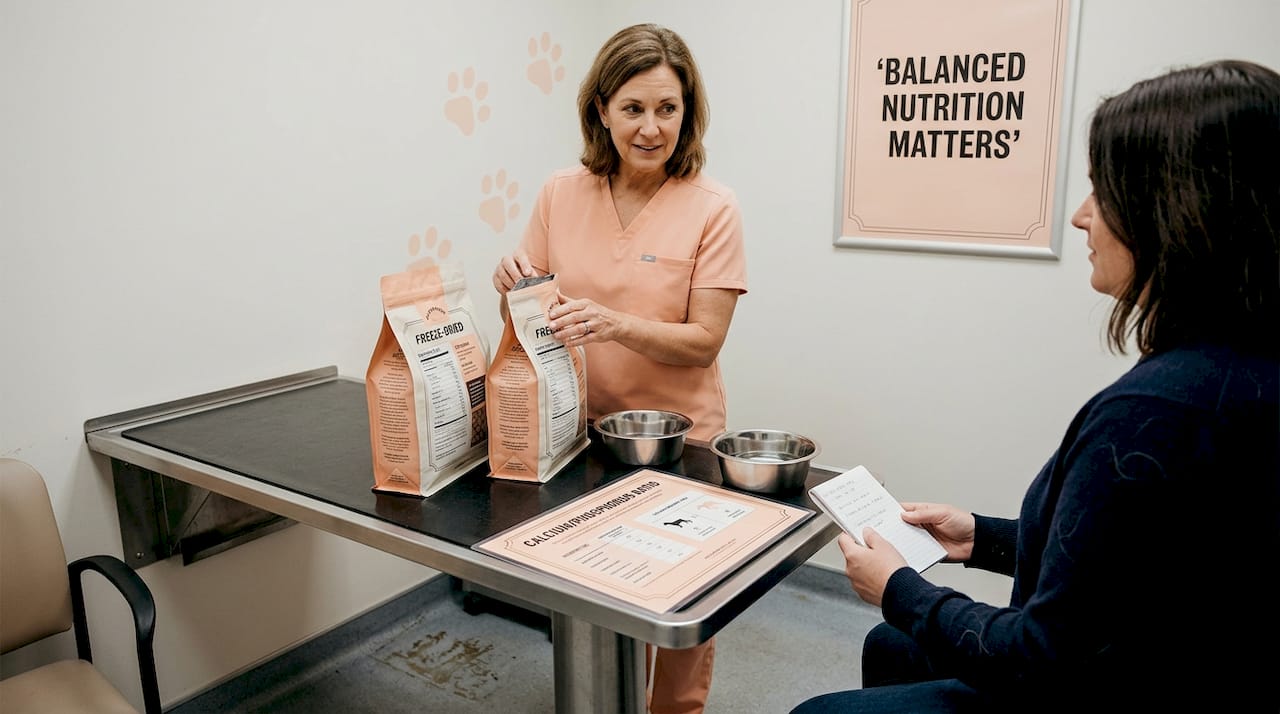
Why vet approval matters: A formula that has been reviewed or recommended by veterinary nutritionists signals that someone with professional training has verified it meets real nutritional thresholds. This does not mean every vet-approved food is perfect for every dog, but it does provide an important layer of credibility. Always cross-check with your own vet based on your dog’s specific health profile.
Natural, whole ingredients: Look for foods where the first several ingredients are identifiable proteins like chicken, beef, salmon, or turkey. Organ meats such as liver and heart are nutrient-dense additions that provide bioavailable vitamins like B12 and iron. Foods that include a variety of vegetables and fruits also provide antioxidants and natural fiber to support digestion and immune function.
The Ca:P ratio explained: Calcium to phosphorus ratio matters more than many owners realize. According to AAFCO and freeze-dried food standards, the ideal ratio sits between 1:1 and 2:1. Too much phosphorus without adequate calcium can leach minerals from bones over time. Too much calcium, especially in growing dogs, can impair skeletal development. A premium freeze-dried formula will list this balance clearly or have it available from the manufacturer.
Pathogen testing and safety: This is the one area where many people do not ask enough questions. Freeze-dried raw food can carry bacteria if it is not properly treated before packaging. High Pressure Processing, commonly called HPP, is one method used to eliminate pathogens without heat, which preserves nutrients while ensuring the food is safe to serve. Check packaging safety standards to understand what to look for on labels and what questions to ask manufacturers.
Pro Tip: Use a selection checklist when comparing brands so you evaluate every food against the same criteria rather than relying on label claims alone.
Here is a quick comparison to help you evaluate your options:
Feature | Premium freeze-dried | Budget freeze-dried | Kibble |
Ingredient quality | Human-grade, whole foods | Mixed quality, some fillers | Rendered meals common |
AAFCO compliance | Yes, tested or formulated | Varies | Usually yes |
Pathogen testing (HPP) | Yes | Rarely | Not applicable |
Ca:P ratio | Properly balanced | Often unchecked | Formulated |
Additives or fillers | None | Often present | Frequently added |
Nutrient preservation | High (freeze-dried process) | Moderate | Lower (heat processing) |
This side-by-side view makes it clear why premium freeze-dried food earns its price point. You are not paying for a trend. You are paying for safety, traceability, and nutritional integrity.
Implementing a nutrition improvement workflow
With your choice made, it’s time to put your plan into action with a structured, step-by-step workflow. Switching your dog’s food abruptly, even to something better, is one of the most common causes of digestive upset. A gradual, measured approach protects your dog’s gut bacteria while allowing them to adjust.
Follow these steps carefully:
Start with a 10/90 mix: Begin by mixing 10% of the new freeze-dried food with 90% of the current food. Serve this ratio for two to three days and watch for any signs of loose stool, vomiting, or gas.
Increase gradually over seven to ten days: Move to 25%, then 50%, then 75% new food, spending two to three days at each stage. If at any point your dog shows digestive distress, hold the current ratio for an extra day before increasing.
Rehydrate when needed: Many freeze-dried foods are designed to be served dry or rehydrated with warm water. Adding water can improve palatability, aid digestion, and increase your dog’s overall fluid intake. This is particularly helpful for dogs that do not drink enough water on their own.
Measure portions accurately: Freeze-dried food is calorie-dense because water has been removed. The serving sizes are almost always smaller than what you would feed in a raw or kibble format. Weigh portions on a kitchen scale rather than estimating by cup to avoid overfeeding.
Establish a consistent schedule: Feed at the same times each day. Consistency supports your dog’s digestive rhythm and makes it easier for you to spot changes in appetite or behavior.
Understanding nutrient preservation during the freeze-drying process helps you appreciate why these foods stay nutritious without refrigeration, making them practical for busy households. You can also review testing process details to see how reputable brands validate their safety claims before the food ever reaches your door.
Here is a simple transition timeline you can reference:
Day range | New food percentage | What to watch for |
Days 1 to 3 | 10% | Normal stool, no vomiting |
Days 4 to 5 | 25% | Consistent energy, no bloating |
Days 6 to 7 | 50% | Improved appetite, firm stool |
Days 8 to 9 | 75% | Coat appearance, mood |
Day 10 onward | 100% | Full assessment begins |
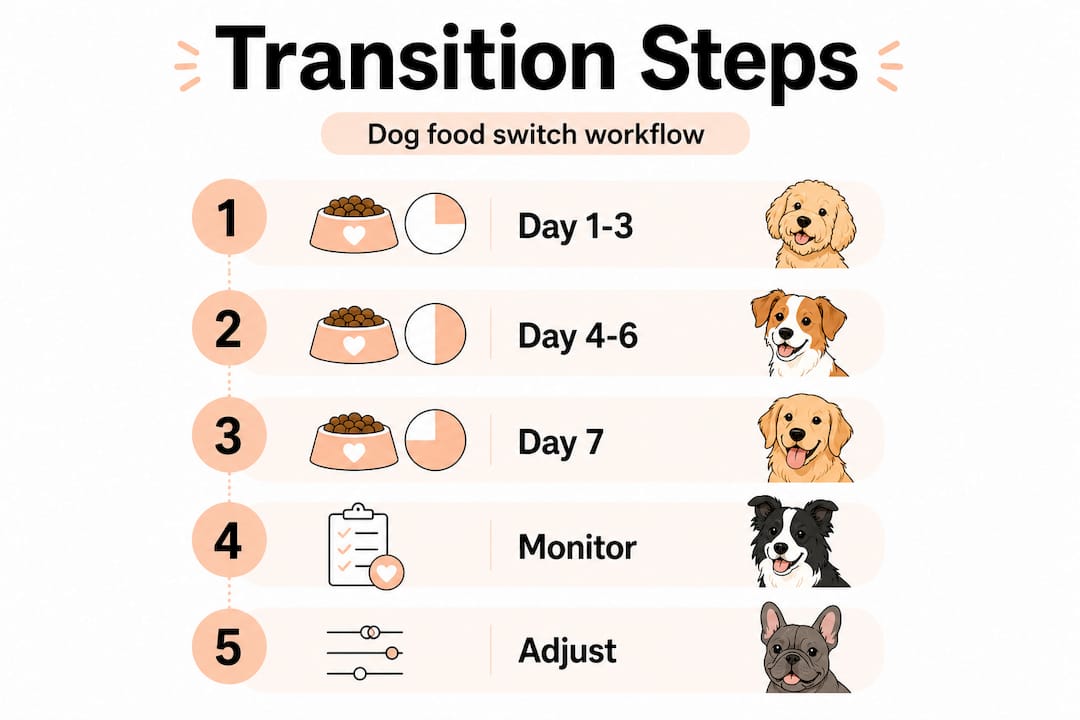
This paced approach, backed by AAFCO-aligned transition practices, dramatically reduces the risk of your dog rejecting the new food or experiencing GI distress that could make you abandon an otherwise excellent nutritional upgrade.
Monitoring results and adjusting the plan
After following the workflow, it’s crucial to measure the real-life impact on your dog’s well-being and make adjustments where needed. Nutrition improvements rarely show up overnight. Most meaningful changes become visible within three to eight weeks of consistent feeding.
Here is what to track and how often:
Energy and activity: Is your dog more eager to play, walk, or engage? Increased energy is often the first sign that nutrition is improving. Note any changes in how quickly they tire or how eagerly they respond to exercise.
Coat and skin condition: A shinier, softer coat and reduced shedding are reliable indicators of improved fat and protein intake. Dry, flaky skin can signal that the formula does not match your dog’s needs.
Digestive health: Firm, well-formed stools that are consistent in frequency signal good digestive function. Loose stools, excessive gas, or irregular patterns suggest the formula, portion size, or transition pace may need adjusting.
Mood and behavior: Dogs fed nutritious, satisfying food are often calmer, more alert, and more responsive. Anxiety, restlessness, or unusual lethargy can sometimes be linked to nutritional imbalances.
Weight and muscle tone: Weigh your dog every two weeks and reassess body condition score monthly. Muscle tone should improve with adequate protein. If your dog is losing or gaining weight unexpectedly, portion sizes or caloric density may need recalibration.
Pro Tip: Keep a simple weekly log with short notes on energy, coat, digestion, and weight. This makes it much easier to spot patterns and gives your vet concrete data to work with if you need professional guidance.
Knowing when to consult your vet is equally important. If your dog shows persistent digestive issues, unexplained weight changes, or behavioral shifts after four weeks on a new food, schedule a checkup. Your vet may recommend bloodwork to check nutrient levels, kidney function, or identify underlying sensitivities. Do not wait for problems to become serious before seeking professional input.
Fine-tuning is a normal and ongoing part of good nutrition management. As your dog ages, their needs change. A formula perfect at age three may need adjustment by age seven. The evidence-based freeze-dried food benefits documented by nutrition researchers support the idea that high-quality, minimally processed food consistently outperforms heavily processed alternatives in long-term health outcomes. Staying informed and staying observant are your two most powerful tools.
Also remember that AAFCO nutritional standards are not static. Manufacturers periodically update formulas, and your dog’s life stage may shift the nutritional requirements that matter most. Regular vet consultations, ideally every six to twelve months, help keep your feeding plan aligned with your dog’s evolving health profile.
Why most dog nutrition advice misses the mark (and how this workflow bridges the gap)
Here is something most nutrition guides will not say plainly: a lot of popular advice prioritizes trends over consistency. Raw food diets, grain-free formulas, and boutique proteins go viral, but very few guides explain how to actually implement change safely and track whether it is working.
The uncomfortable truth is that good intentions without structure often lead to underfed dogs, mismatched formulas, or abrupt diet switches that cause more harm than the original food ever did. Generic advice says “feed your dog better.” This workflow says exactly how and why, with measurable checkpoints built in.
Freeze-drying in pet food is not a gimmick. It is a scientifically validated preservation method that retains more nutrients than heat-based processing while meeting food safety standards. What makes this workflow different is that it treats nutrition as an ongoing, adjustable practice rather than a one-time purchase decision. That is the gap most advice leaves open, and that is exactly what this approach is designed to fill.
Start your dog’s nutrition transformation with premium freeze-dried food
If you’re ready to take action, these resources make it easy to implement what you’ve learned. At Loyal Saints Pets, every formula is crafted from human-grade, whole ingredients with no fillers, no artificial additives, and full AAFCO compliance. We believe your dog is a member of your family, and they deserve food that reflects that.
Explore why freeze dried food genuinely supports a longer, healthier life for your dog, from improved digestion to stronger muscles and a glossier coat. When you are ready to make the switch, you can shop premium foods and find the right formula for your dog’s life stage, size, and health needs. Free shipping is available on qualifying orders, so getting started is as simple and convenient as it should be. More tail wags are coming.
Frequently asked questions
What makes freeze-dried dog food safer than other options?
Freeze-dried dog food often undergoes rigorous pathogen testing such as HPP to eliminate harmful bacteria without the use of heat, which also helps preserve nutrients during processing.
How can I tell if a freeze-dried food is nutritionally balanced?
Check the label for AAFCO compliance and confirm the calcium to phosphorus ratio falls between 1:1 and 2:1, which supports healthy bones and organ function across all life stages.
How should I introduce freeze-dried food to my dog’s diet?
Start by mixing just 10% of the new food with your dog’s current food and gradually increase the proportion over seven to ten days, watching for any digestive changes along the way.
What signs should I watch for that might signal a poor nutritional fit?
Monitor your dog’s energy, coat shine, stool consistency, and overall mood over the first few weeks, and contact your vet if you notice persistent issues like loose stools, lethargy, or unexplained weight changes.
Recommended
Comments