.png)
Photo-Friendly Dog Foods List: Top Picks for 2026
- wix mentor

- 24 hours ago
- 8 min read
TL;DR:
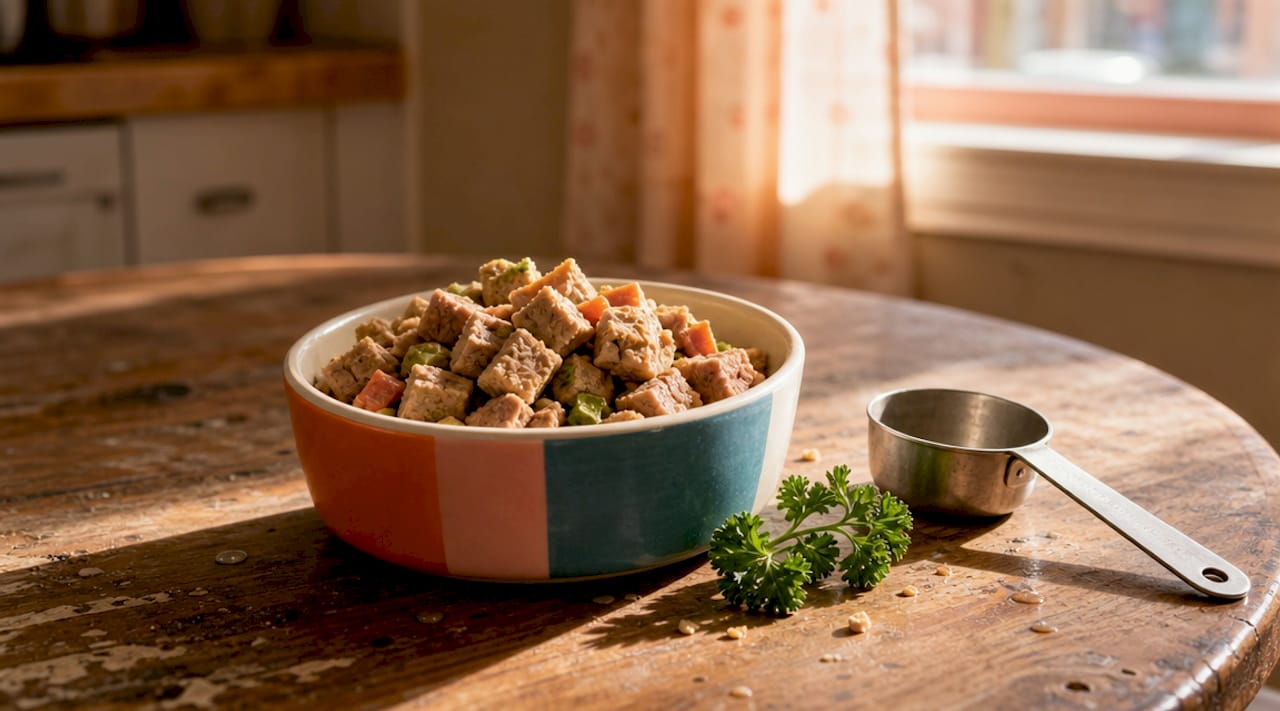
Photo-friendly dog foods meet AAFCO standards and feature fresh, freeze-dried, or chunky wet formats that showcase vibrant ingredients. These formats produce visually appealing images with distinct textures and colors, ideal for social media sharing, while ensuring nutritional adequacy. Combining high-quality, visually appealing foods with strategic photography techniques enhances both your dog’s health and your online content.
A photo-friendly dog foods list features nutritionally complete meals that also look vibrant, textured, and visually appetizing in photos, making them ideal for social media sharing and pet owners who want beautiful imagery alongside genuine health benefits. The industry term for this category is “visually appealing complete nutrition,” meaning the food meets AAFCO complete and balanced certification first, then earns its place on camera. Formats like fresh, frozen, and wet foods consistently outperform uniform kibble for photographic interest because they show recognizable chunks of meat, colorful vegetables, and varied textures. Brands like Hill’s Science Diet, Purina Pro Plan, The Farmer’s Dog, and Nom Nom lead both the nutrition and aesthetics conversation. If your dog’s meals are going on Instagram, you want food that is genuinely good for your dog and genuinely good-looking in a bowl.
1. What makes a dog food photo-friendly?
Photo-friendly dog food is defined by two non-negotiable qualities: nutritional adequacy and visual appeal. AAFCO compliance ensures the food delivers essential nutrients for your dog’s life stage, which means aesthetics should always be a secondary filter, never the main buying criterion. Veterinarians consistently prioritize research-backed formulas meeting AAFCO standards before any other consideration.
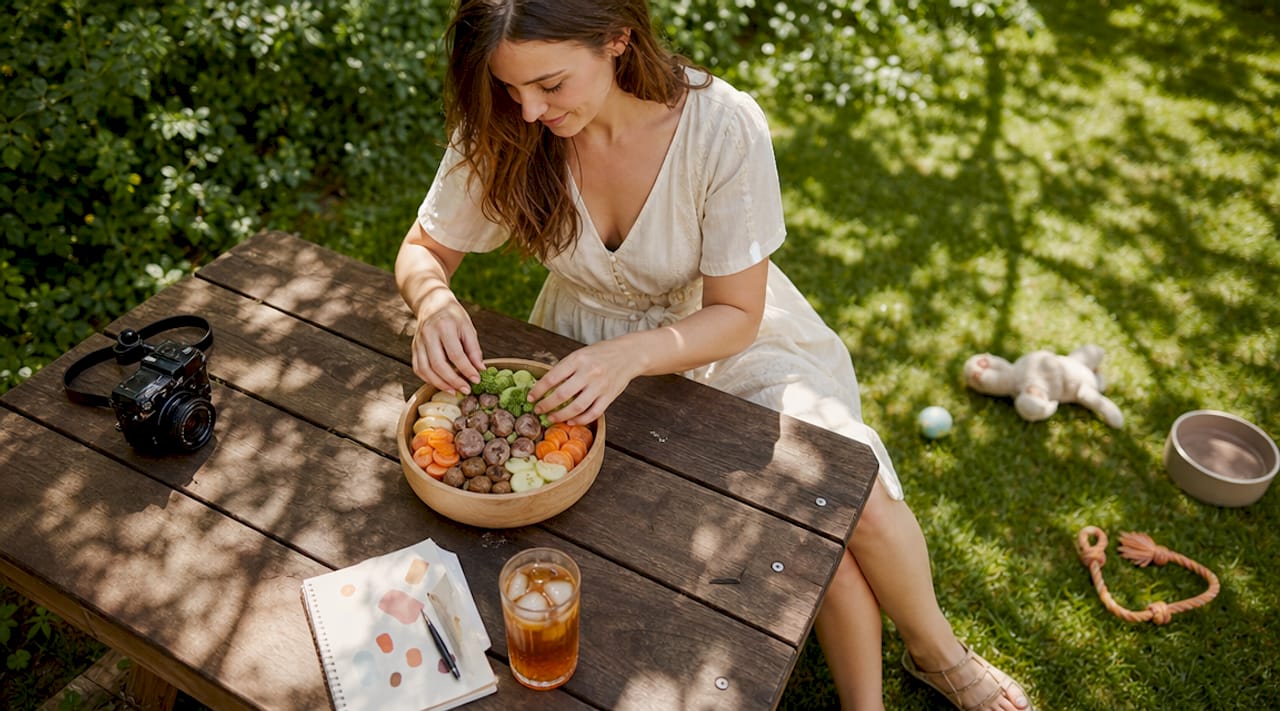
The visual side comes down to format and ingredients. Fresh and prepared dog foods win on camera because they contain larger recognizable chunks of meat and vegetables, vibrant natural colors, and fewer preservatives that dull appearance. Human-grade ingredients add another layer of visual credibility because they look like real food, not processed paste.
Consistent textures and colors matter for repeatable photography. If you shoot your dog’s meals regularly for a blog or Instagram feed, you want a food that looks the same every time you open the bag or pouch. Freeze-dried options are particularly reliable here because the dehydration process locks in color and ingredient structure.
AAFCO “complete and balanced” certification is the non-negotiable starting point for any recommendation
Fresh and prepared formats offer the most photographic interest through visible proteins and vegetables
Human-grade ingredients produce vibrant, appetizing colors that translate well on camera
Freeze-dried foods provide stable textures and locked-in color for consistent, repeatable shots
Wet foods with large chunks photograph better than pâté-style options, which can look flat and unappetizing
Pro Tip: Match your food format to your photo shoot workflow before you buy. Fresh foods need to be shot immediately after serving to capture their shine and texture. Freeze-dried foods give you more time to set up your shot without the food losing its visual appeal.
2. Top photogenic dog food brands worth knowing
The best dog foods for photos are also the ones veterinarians recommend most. Hill’s Science Diet, Purina Pro Plan, and Royal Canin represent the gold standard for vet-approved nutrition, and their wet food lines photograph well due to visible protein pieces and rich sauce colors. These brands meet AAFCO standards across all life stages, which means you are not trading health for aesthetics.
Fresh and prepared brands take photogenic dog food to another level entirely. The Farmer’s Dog delivers pre-portioned fresh meals with visible sweet potato, beef, and green beans that look genuinely appetizing in a bowl. Nom Nom uses restaurant-style plating logic in its packaging, with distinct protein and vegetable components that separate cleanly for close-up shots. Ollie produces bright, colorful meals with identifiable ingredients that perform well under natural light.
Freeze-dried options deserve a dedicated mention for social media creators. The freeze-drying process preserves the natural color and structure of ingredients, meaning a piece of salmon or blueberry looks almost identical to its fresh counterpart. This makes freeze-dried foods some of the most visually engaging options for ingredient macro photography.
Hill’s Science Diet wet formulas: rich sauce, visible protein chunks, strong vet credibility
Purina Pro Plan wet and fresh varieties: consistent color, widely available, AAFCO certified
Royal Canin breed-specific wet foods: unique kibble shapes and textures that photograph distinctively
The Farmer’s Dog: pre-portioned fresh meals with colorful, identifiable whole ingredients
Nom Nom: restaurant-style component separation ideal for overhead bowl shots
Ollie: vibrant color palette and clean ingredient lists that read well in lifestyle photography
Freeze-dried raw brands (including options at Loyalsaintspets): ingredient visibility and color retention unmatched by any other format
3. How to photograph dog food to highlight its appeal
Great dog food photography relies on three core image types per product: hero packaging shots, ingredient macro close-ups, and lifestyle pet interaction images. These three image families build trust, support social media marketing, and give you a versatile asset bank that works across platforms for months. Expecting a single shot to do all the work is the biggest mistake pet food photographers make.
Here is a practical step-by-step approach for dog owners shooting at home:
Shoot fresh food immediately after serving. Fresh and prepared foods require quick serving-to-shoot timing because surface texture and shine degrade within minutes. Set up your background and lighting before you open the pouch.
Use natural side lighting for bowls. Position the bowl near a window with indirect light. This creates soft shadows that show texture without harsh glare on wet food surfaces.
Shoot from directly overhead for bowl compositions. The flat-lay angle shows ingredient variety and color distribution better than any other angle for picturesque dog meals.
Get close for ingredient macros. A piece of salmon, a blueberry, or a chunk of sweet potato photographed at close range communicates quality and transparency to your audience.
Capture your dog eating naturally. Lifestyle images with real dog interaction create authenticity that staged shots cannot replicate. Let your dog approach the bowl naturally and shoot in burst mode.
Vary your backgrounds. A single photo shoot using home, outdoor, and studio-style backgrounds produces reusable assets that work across Instagram, blogs, and e-commerce for months.
Avoid pâté and mash formats for close-ups. Uniform textures photograph flat and unappetizing. Stick to chunky, stew-style, or freeze-dried formats for macro work.
Pro Tip: Build a consistent shot list of three images per meal: one overhead bowl shot, one ingredient macro, and one lifestyle image of your dog eating. This structure creates a recognizable visual brand for your Instagram feed and makes content planning much easier.
4. Cost comparison of photo-friendly dog food formats
Cost is the most common reason dog owners hesitate before switching to fresh or freeze-dried formats. Fresh and prepared dog foods cost significantly more than traditional kibble, with monthly prices varying widely by dog size and brand. Understanding the real numbers helps you make a choice that fits both your budget and your photography goals.
Format | Example Brand | Estimated Monthly Cost (Medium Dog) | Photo Appeal |
Fresh/prepared | The Farmer’s Dog | ~$150–$320 | Very high: visible whole ingredients |
Fresh/prepared | Nom Nom | ~$200–$467 | Very high: component-style plating |
Freeze-dried | Loyalsaintspets options | Mid-range premium | High: locked-in color and texture |
Premium wet kibble | Hill’s Science Diet | ~$60–$100 | Moderate: chunky varieties photograph well |
Standard dry kibble | Purina Pro Plan | ~$40–$70 | Low: uniform shape and color |
The data above shows that photogenic dog food brands cluster at the premium end of the market. That said, you do not need to feed fresh food exclusively to get great photos. Many owners use a fresh or freeze-dried topper over a quality kibble base, which cuts monthly costs significantly while still giving you visually interesting bowl content.
Use a dog food cost converter to calculate the real per-day cost for your dog’s weight before committing to any format. A German Shepherd owner paying $467 per month for Nom Nom is spending roughly $15 per day, which is a meaningful lifestyle decision worth modeling out in advance.
Fresh food delivers the highest photo appeal but carries the highest monthly cost
Freeze-dried food offers a strong middle ground: premium visual quality at a lower price than fully fresh
Toppers strategy lets you mix formats, keeping costs manageable while maintaining photographic interest
Premium wet foods from Hill’s or Purina provide moderate photo appeal at a fraction of fresh food costs
Key takeaways
The most photo-friendly dog foods combine AAFCO-certified nutrition with fresh, freeze-dried, or chunky wet formats that show real ingredients, vibrant colors, and varied textures in every shot.
Point | Details |
Nutrition comes first | AAFCO “complete and balanced” certification is required before any aesthetic consideration. |
Format drives photo appeal | Fresh, freeze-dried, and chunky wet foods photograph far better than uniform dry kibble. |
Three image types win | Hero shots, ingredient macros, and lifestyle images together build a credible visual presence. |
Cost scales with appeal | Fresh brands like The Farmer’s Dog and Nom Nom cost more but deliver the highest photographic value. |
Toppers are a smart compromise | Mixing freeze-dried toppers with quality kibble cuts costs while keeping bowl shots visually interesting. |
My honest take on photo-friendly dog food
I have spent a lot of time looking at how dog owners approach the intersection of nutrition and social media, and the pattern is clear: the owners who get the best results treat nutrition as the filter and photography as the reward. They pick a food their vet supports, one that meets AAFCO standards for their dog’s life stage, and then they choose the format that photographs well within that nutritional shortlist. That order matters more than most people realize.
What surprises me most is how underrated freeze-dried food is for photography. Fresh food gets all the attention because it looks like a home-cooked meal, but freeze-dried options often outperform fresh in macro shots because the dehydration process locks in color and structure in a way that looks almost hyperreal on camera. A freeze-dried salmon piece or a dehydrated blueberry photographs with a richness that fresh food, which can look wet and flat under certain lighting, sometimes cannot match.
The cost conversation also needs more honesty. Feeding The Farmer’s Dog to a large breed dog is a significant monthly expense, and not every owner can or should commit to that. A quality freeze-dried topper over a vet-approved kibble base gives you 80% of the visual payoff at a fraction of the cost. I have seen Instagram feeds built entirely on that approach that look just as compelling as accounts using fully fresh diets.
My advice: check out the natural pet food brands that combine health and visual appeal, talk to your vet about your dog’s specific nutritional needs, and then choose the format that fits your budget and your photo workflow. Your dog’s health and your feed will both thank you.
— Eyo
Discover photo-worthy dog food at Loyalsaintspets
If you want dog food that looks as good as it performs nutritionally, Loyalsaintspets has you covered. Their freeze-dried options are made from human-grade whole ingredients, including high-quality proteins, fruits, and vegetables, with no fillers or additives that dull color or texture. Every product meets AAFCO nutritional standards, so you are never choosing between a healthy dog and a beautiful bowl shot.
Freeze-dried food from Loyalsaintspets locks in the natural color and structure of every ingredient, making it one of the most photogenic formats available for dog owners who love sharing their pet’s meals online. Explore the full range and find out why freeze-dried is the format serious pet owners and social media creators keep coming back to. Free shipping is available on qualifying orders, so getting started is easy.
FAQ
What dog food formats photograph best?
Fresh, freeze-dried, and chunky wet foods photograph best because they show recognizable pieces of protein and vegetables with vibrant natural colors. Uniform dry kibble produces flat, low-interest images that do not perform well on social media.
Do photo-friendly dog foods still meet nutritional standards?
Yes, provided you choose brands with AAFCO complete and balanced certification. Aesthetics should always be a secondary filter applied after confirming nutritional adequacy for your dog’s life stage and size.
How do I keep fresh dog food looking good during a photo shoot?
Set up your background and lighting before serving the food, then shoot immediately. Fresh foods lose texture and shine within minutes of serving, so preparation before plating is the single most important step for quality results.
Are freeze-dried dog foods good for Instagram?
Freeze-dried foods are among the best options for dog food for Instagram because the dehydration process locks in ingredient color and structure, producing macro shots that look vivid and detailed even under basic home lighting conditions.
What is the most affordable way to get photogenic dog meals?
Use a freeze-dried or fresh food topper over a quality AAFCO-certified kibble base. This approach delivers visually interesting bowl content at a fraction of the cost of fully fresh diets, and it works well for both nutrition and photography.
Recommended
Comments