.png)
Healthy Eating for Dogs: Your 2026 Nutrition Guide
- wix mentor

- 2 days ago
- 9 min read

TL;DR:
Healthy dog diets should be complete and balanced, tailored to each dog’s age, size, breed, and health.
Choosing high-quality, evidence-based foods that meet AAFCO standards reduces health risks and promotes longevity.
Healthy eating for dogs is defined as a complete, balanced diet that delivers the right proteins, fats, carbohydrates, vitamins, and minerals for your dog’s specific age, size, breed, and health condition. The right canine nutrition plan does more than fill a bowl. It directly determines your dog’s energy levels, coat quality, muscle strength, immune function, and how many good years you get together. AAFCO (the Association of American Feed Control Officials) sets the nutritional benchmarks most veterinarians and pet food manufacturers rely on, and understanding those standards puts you in control of every feeding decision you make.
What nutrients does a dog actually need every day?
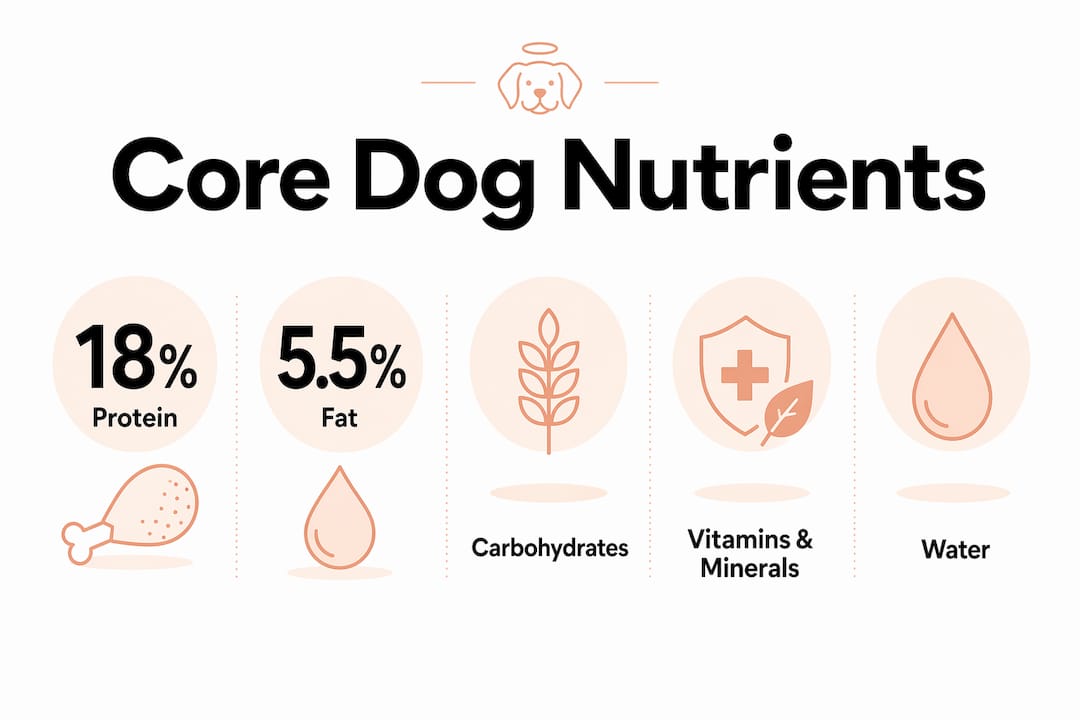
Every balanced canine diet is built on six core pillars: protein, fat, carbohydrates, vitamins, minerals, and water. Each one plays a distinct role, and a shortfall in any of them shows up quickly in your dog’s coat, weight, digestion, or energy.
Protein is the most discussed nutrient, and for good reason. Adult dogs require at least 18% protein on a dry matter basis, while puppies and pregnant dogs need a minimum of 22%. These are floor numbers, not targets. What matters just as much as the percentage is protein quality. A food listing “chicken” as its first ingredient delivers more bioavailable amino acids than one listing “poultry by-product meal,” even at the same percentage. Your dog’s body can only use what it can actually digest.
Fat provides concentrated energy and supports brain function, hormone production, and the absorption of fat-soluble vitamins like A, D, E, and K. Adult dogs need at least 5.5% fat on a dry matter basis, while puppies need 8.5%. Omega-3 fatty acids, found in fish oil and flaxseed, go beyond basic fat requirements. Omega-3s can manage osteoarthritis pain and reduce the need for NSAIDs when dosed correctly. That is a meaningful quality-of-life benefit, especially for older dogs. You can read more about omega-3 benefits for joints if your dog shows signs of stiffness or inflammation.
Carbohydrates provide fiber and digestive support. Minerals like calcium and phosphorus must be present in correct ratios for bone health, particularly in growing puppies. The AAFCO “complete and balanced” label means a food meets established nutrient profiles or has passed feeding trials for a specific life stage. That label is your clearest signal that a food delivers required nutrients in the right proportions.
Pro Tip: Check the AAFCO statement on any dog food bag. It should specify the life stage the food is formulated for, such as “adult maintenance” or “all life stages.” A food labeled “for all life stages” meets puppy requirements, which means it may be too calorie-dense for a sedentary adult dog.
Here is a quick reference for minimum nutrient requirements by life stage:
Life stage | Minimum protein (dry matter) | Minimum fat (dry matter) |
Adult dogs | 18% | 5.5% |
Puppies | 22% | 8.5% |
Pregnant or nursing dogs | 22% | 8.5% |
Balanced nutrition means digestible nutrients in the correct ratios, not just their presence on an ingredient list. Digestibility varies per dog, which is why two dogs eating the same food can show very different health outcomes.
How do you choose healthy dog food?
Choosing the right food starts with reading the label critically, not the marketing on the front of the bag. Words like “natural,” “premium,” and “holistic” carry no regulated definition under AAFCO standards. They are marketing terms, not nutritional guarantees.
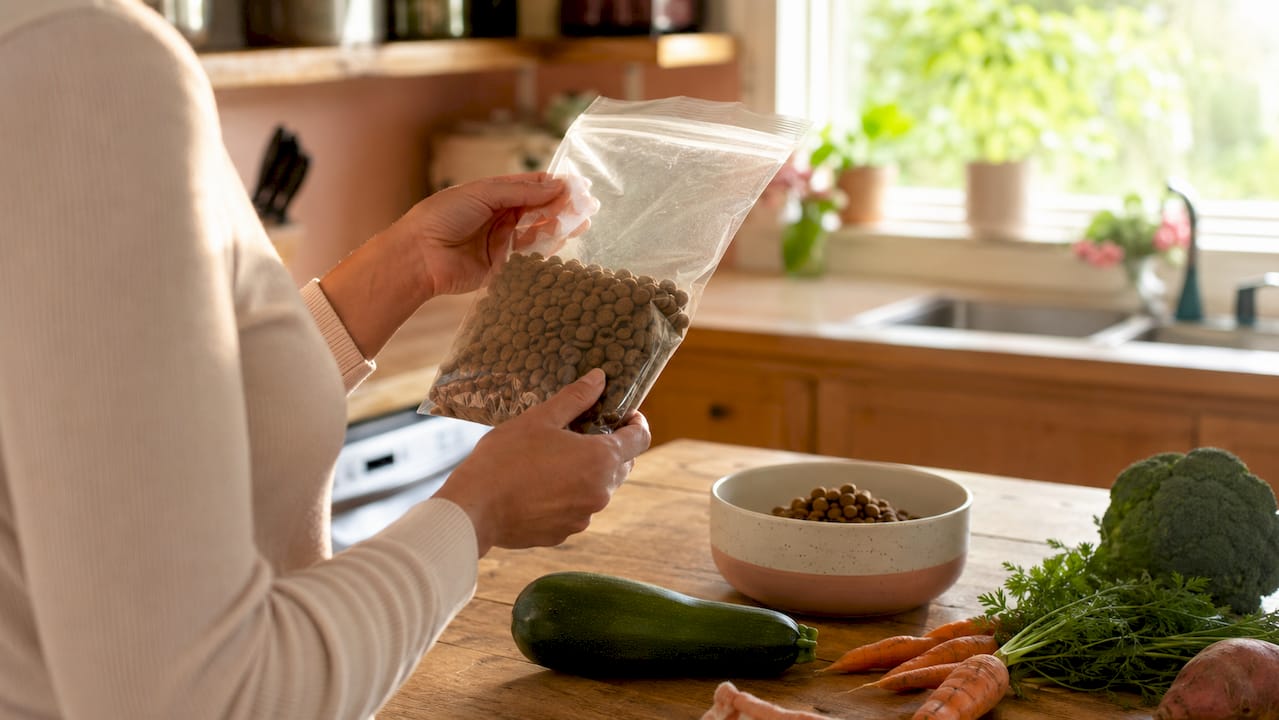
When evaluating any commercial dog food, check three things first. Look for the AAFCO “complete and balanced” statement. Confirm that a named protein source (chicken, beef, salmon) appears as the first ingredient. Then review the guaranteed analysis panel for protein and fat percentages that meet or exceed the minimums for your dog’s life stage. These three checks take less than a minute and filter out most low-quality options immediately.
Homemade dog food recipes are appealing to many owners, and they can work well with the right guidance. The risk is nutritional imbalance. A home-cooked meal of chicken and rice is not a complete diet on its own. It lacks calcium, essential fatty acids, and several vitamins. If you want to go the homemade route, work with a board-certified veterinary nutritionist who can formulate a recipe specific to your dog. Veterinary telemedicine now makes remote diet review and prescription of specialized diets accessible without an in-person visit, which removes a significant barrier for many owners.
Functional foods and supplements add targeted benefits beyond baseline nutrition. Omega-3 fatty acids from fish oil are the most evidence-backed option for joint health and skin condition. Probiotics support gut health in dogs prone to digestive upset. These additions work best when they address a specific, identified need rather than being added indiscriminately.
Pro Tip: Feeding guidelines printed on dog food packaging often overestimate portions. Use your dog’s current body weight and body condition score, not the package chart, to set daily portions. A dog at a healthy weight should have a visible waist and ribs you can feel but not see.
What are the real risks of grain-free and raw diets?
Grain-free diets became popular based on the idea that dogs evolved to avoid grains. The science does not support that premise. Grain allergies in dogs are rare. Most food sensitivities trace back to protein sources, not grains. Switching to grain-free food without a medical reason solves a problem that likely does not exist.
More concerning, the FDA flagged a link between grain-free diets and dilated cardiomyopathy (DCM) as early as 2018. Grain-free diets high in peas and legumes have been associated with increased DCM risk in some breeds. The mechanism is still being studied, but the association is strong enough that most veterinary cardiologists recommend avoiding grain-free formulas unless your dog has a confirmed grain intolerance diagnosed by a vet.
Raw diets carry a separate set of risks. Raw food poses Salmonella and E. coli contamination risks for both dogs and the humans handling the food. The American Veterinary Medical Association (AVMA) discourages raw diets for most pets, particularly in households with young children, elderly individuals, or immunocompromised people. The appeal of “ancestral” or “natural” eating is understandable, but the contamination risk is real and documented.
“No single diet trend replaces individualized, evidence-based nutrition. The safest approach is always to match the food to the dog, not the dog to the trend.” — Veterinary nutrition consensus
Treat overfeeding is one of the most common and overlooked contributors to canine obesity. Treats should make up no more than 10% of your dog’s daily caloric intake. Obesity affects 50 to 60 percent of dogs, making it the most common preventable health problem in the species. That statistic means more than half the dogs you see at the park are carrying excess weight that shortens their lives and strains their joints.
Healthy treats for dogs include small pieces of cooked chicken, blueberries, carrots, or apple slices without seeds. These provide nutritional value without empty calories. Avoid grapes, raisins, xylitol, onions, and macadamia nuts, all of which are toxic to dogs.
How does your dog’s age, size, and breed change what they need?
Nutrition is not one-size-fits-all. A Labrador Retriever puppy, a senior Chihuahua, and a working Border Collie have dramatically different caloric and nutrient needs. Feeding them all the same food at the same amount is a common mistake that leads to nutritional imbalances over time.
Here is how life stage shapes nutritional requirements:
Puppies need higher protein (minimum 22%) and elevated calcium and phosphorus to support rapid bone and muscle development. Large-breed puppies specifically need controlled calcium levels to prevent developmental orthopedic disease. A food labeled “for large breed puppies” addresses this precisely.
Adult dogs maintain health with a minimum of 18% protein and moderate fat. Their caloric needs depend heavily on activity level. A working dog may need twice the calories of a couch-dwelling dog of the same breed.
Senior dogs often benefit from lower calorie density to manage weight, higher-quality protein to preserve muscle mass, and added joint support nutrients like glucosamine and omega-3s. Digestibility becomes more important as the gut becomes less efficient with age.
Dogs with health conditions including kidney disease, diabetes, or food allergies require veterinarian-supervised diets. No single food fits all dogs, and conditions like kidney disease require strict phosphorus restriction that only a formulated therapeutic diet can deliver safely.
Pro Tip: Transition between life-stage foods gradually over 7 to 10 days by mixing increasing amounts of the new food with the old. Abrupt changes cause digestive upset in most dogs, regardless of how high-quality the new food is.
Breed size also affects caloric density needs. Small breeds have faster metabolisms and may need more calories per pound of body weight than large breeds. Giant breeds like Great Danes are prone to bloat and do better with multiple smaller meals rather than one large daily feeding. You can explore age-specific diet examples for a more detailed breakdown by life stage and breed size.
Excess protein above minimum requirements adds no proven metabolic benefit for healthy adult dogs and increases both environmental impact and food costs. More protein is not always better nutrition.
Key takeaways
A dog’s diet must match their life stage, size, breed, and health status to deliver genuine nutritional benefit rather than just filling a bowl.
Point | Details |
Know the minimums | Adult dogs need at least 18% protein and 5.5% fat on a dry matter basis. |
Read labels critically | Look for the AAFCO statement, a named protein as the first ingredient, and a guaranteed analysis panel. |
Avoid trendy diets without cause | Grain-free and raw diets carry documented risks and offer no proven benefit for most healthy dogs. |
Treats count as calories | Keep treats under 10% of daily intake to prevent obesity, which affects over half of all dogs. |
Personalize by life stage | Puppies, adults, seniors, and dogs with health conditions each require different nutrient profiles. |
My honest take on feeding dogs well
I have spent years reading veterinary nutrition research, talking to dog owners, and watching what actually works versus what sounds good on a label. The single biggest mistake I see is owners chasing the “best” food instead of the right food for their specific dog.
The veterinary nutrition consensus is clear: no single food is universally best. What matters is whether the food meets your dog’s individual needs, whether you are feeding the right amount, and whether you are paying attention to how your dog looks and feels over time. A shiny coat, consistent energy, firm stools, and a healthy weight are better indicators than any marketing claim.
I also think the raw and grain-free trends have done real harm by convincing well-meaning owners that conventional, AAFCO-compliant foods are somehow inferior. They are not. A well-formulated kibble from a brand that conducts feeding trials is a more reliable nutritional choice than a trendy raw diet assembled without veterinary oversight.
What I recommend: pick a food with an AAFCO feeding trial statement, confirm the first ingredient is a named protein, adjust portions to your dog’s body condition rather than the bag’s chart, and schedule an annual nutrition check with your vet. That is it. Consistency and observation beat constant diet-switching every time.
— Eyo
Feed your dog like the family member they are
If you want to take the guesswork out of what to feed your dog, Loyalsaintspets makes it straightforward. Their freeze-dried meals are crafted from human-grade proteins, fruits, and vegetables with no fillers, no additives, and no shortcuts.
Every product in the Loyalsaintspets shop meets AAFCO standards and is formulated to support the kind of balanced nutrition this article covers. If you are curious about why freeze-dried food preserves more nutrients than conventional processing, the freeze-dried food benefits page breaks it down clearly. Free shipping is available on qualifying orders, so giving your dog genuinely good nutrition is also genuinely convenient.
FAQ
What does “complete and balanced” mean on dog food labels?
The AAFCO “complete and balanced” statement means the food meets established nutrient profiles or has passed feeding trials for a specific life stage. It is the clearest indicator that a food delivers all required nutrients in the correct ratios.
How much protein does my dog need daily?
Adult dogs need a minimum of 18% protein on a dry matter basis, while puppies and pregnant dogs need at least 22%. Quality matters as much as quantity since digestibility determines how much protein your dog actually absorbs.
Are grain-free diets better for dogs?
Grain-free diets are not superior for most dogs. The FDA has linked high-legume grain-free formulas to increased DCM risk in some breeds, and grain allergies in dogs are rare. Only switch to grain-free if your vet identifies a confirmed grain intolerance.
How many treats can I give my dog each day?
Treats should make up no more than 10% of your dog’s daily caloric intake. Overfeeding treats is one of the leading causes of canine obesity, which affects 50 to 60 percent of dogs.
Should I feed my senior dog differently than my adult dog?
Yes. Senior dogs generally benefit from lower calorie density, higher-quality protein to preserve muscle mass, and added joint support nutrients like omega-3 fatty acids. Consult your vet to determine when and how to transition to a senior-specific formula.
Recommended
Comments