.png)
Pet Nutrition Guide 2025: 95% Balanced Diets Boost Vitality
- Towanda Brunson
- Feb 28
- 10 min read

Over 95% of homemade dog diets fail to provide complete nutrition, unknowingly putting your dog’s vitality at risk. Health-conscious owners like you need trusted, actionable guidance to navigate premium natural diets safely. This comprehensive guide delivers scientifically based nutrition strategies for 2025, helping you select and implement freeze-dried, AAFCO-compliant diets that support longevity. You’ll learn exactly how to fuel your dog’s health journey with confidence.
Table of Contents
Key Takeaways
Point | Details |
AAFCO compliance ensures complete balanced nutrition | Diets meeting these standards provide all essential nutrients for vitality. |
Freeze-dried foods preserve over 90% of nutrients | Superior nutrient retention compared to traditional kibble processing. |
Gradual 7-10 day transition prevents digestive upset | Slow introduction minimizes stomach issues during diet changes. |
Life stage and allergy status require tailored nutrition | Veterinary guidance personalizes feeding for optimal health outcomes. |
Homemade diets risk nutrient imbalance and contamination | DIY meals often lack completeness and carry pathogen dangers. |
Introduction to Premium Natural Dog Nutrition in 2025
Pet owner demand for natural, premium diets focused on longevity and vitality is surging in 2025. You want whole-food, nutrient-dense ingredients that improve bioavailability and deliver measurable health outcomes. Freeze-dried technology is leading this revolution, preserving over 90% of nutrients compared to traditional extrusion kibble that degrades essential vitamins and enzymes through high-heat processing.
AAFCO compliance guarantees diets meet minimum nutritional thresholds, providing the safety net your dog needs. Scientific studies consistently link premium natural diets to better immune function, muscle preservation, and overall vitality. You’re making a smart choice by prioritizing these standards.
Here’s what sets premium natural nutrition apart in 2025:
Whole-food proteins, fruits, and vegetables maximize bioavailability
Freeze-dried processing maintains enzymatic activity and nutritional integrity
Human-grade ingredient standards ensure quality and safety
AAFCO nutrient standards validate formulation completeness
No artificial additives, fillers, or byproducts compromise health
The shift toward natural diets reflects growing scientific evidence. Research confirms that nutrient-dense whole ingredients outperform synthetic alternatives in supporting immune health and vitality. When you choose freeze-dried foods meeting AAFCO profiles, you’re investing in your dog’s extended, healthier lifespan.
Understanding Essential Dog Nutrients and AAFCO Standards
Every life stage demands specific nutrient targets. AAFCO protein requirements set minimums at 18% for adult dogs and 22.5% for puppies on a dry matter basis. These benchmarks ensure your dog receives adequate building blocks for muscle development and immune support.
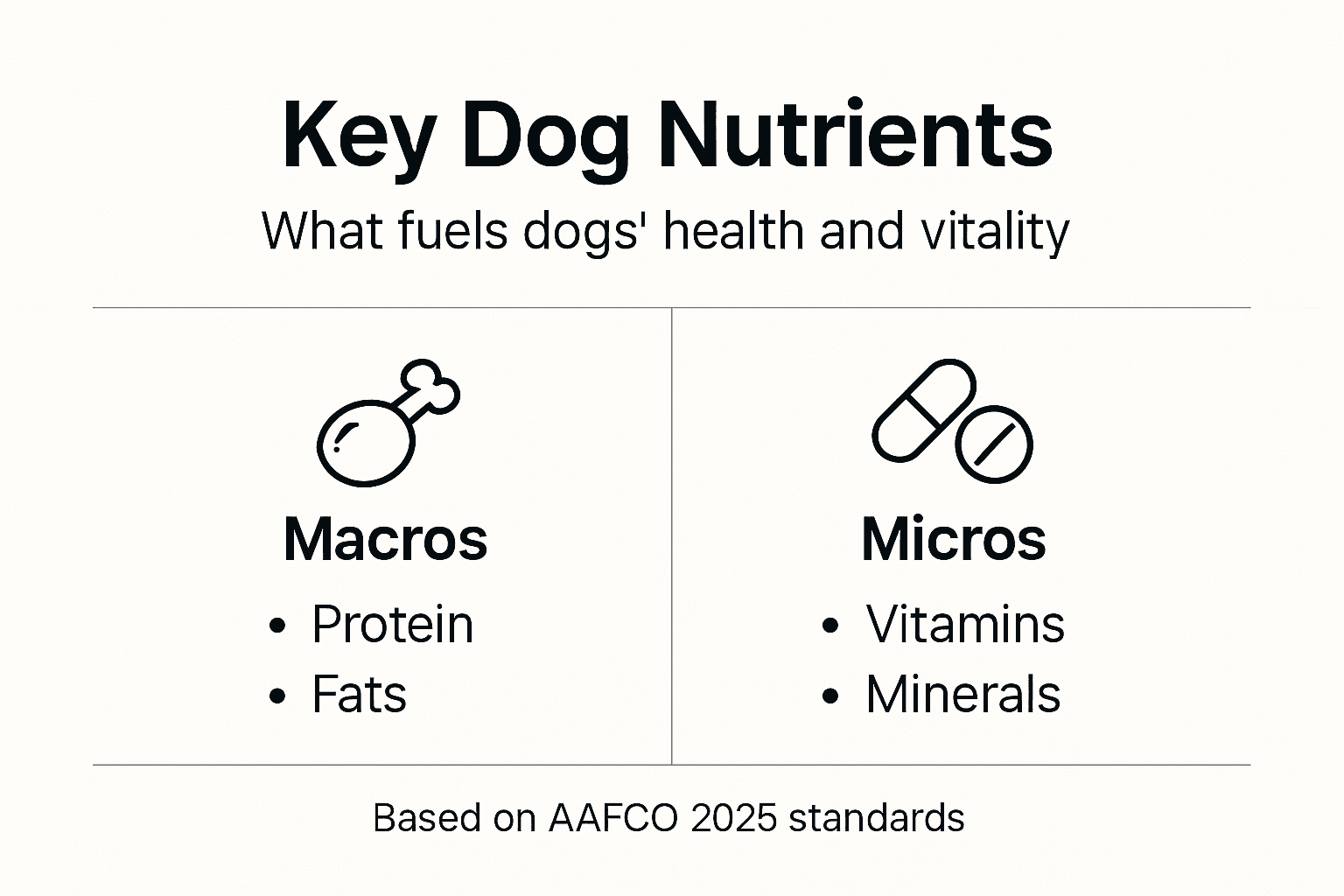
Proteins form the foundation of cellular health, supporting everything from antibody production to tissue repair. Fats provide concentrated energy and deliver essential fatty acids like omega-3 and omega-6 for skin, coat, and brain function. Carbohydrates and fiber maintain digestive balance while fueling stamina for daily activity.
Vitamins and minerals orchestrate metabolic processes. Calcium and phosphorus build strong bones, B vitamins enable energy production, and antioxidants like vitamin E protect cells from oxidative damage. AAFCO standards ensure diets supply all these nutrients without deficiencies or dangerous excesses.
Nutrient Category | Adult Minimum | Puppy Minimum | Primary Functions |
Protein (%) | 18.0 | 22.5 | Muscle building, immune support, tissue repair |
Fat (%) | 5.5 | 8.5 | Energy, fatty acids, vitamin absorption |
Calcium (%) | 0.5 | 1.2 | Bone health, nerve function |
Phosphorus (%) | 0.4 | 1.0 | Bone development, energy metabolism |
Following nutritional planning by life stage prevents common pitfalls. Puppies need higher protein and mineral levels to support rapid growth, while adult dogs require maintenance levels that sustain health without excess. Senior dogs often benefit from adjusted fat content and joint-supporting nutrients.
The AAFCO feeding trial or formulation method validates completeness. When you see AAFCO statements on packaging, you know the diet has been tested or formulated to meet these rigorous standards. This transparency gives you confidence that every meal delivers balanced nutrition.
Step-by-Step Transitioning to Premium Natural Diets
Abrupt diet changes trigger digestive chaos. Your dog’s gut microbiome needs time to adapt to new ingredients and nutrient profiles. Proper transition over 7-10 days reduces upset stomach, diarrhea, and energy fluctuations that discourage both you and your pet.
Follow this proven transition protocol:
Days 1-2: Mix 25% freeze-dried diet with 75% current food
Days 3-4: Increase to 50% freeze-dried, 50% current food
Days 5-6: Shift to 75% freeze-dried, 25% current food
Days 7-10: Complete transition to 100% freeze-dried diet
Throughout: Monitor stool quality and energy levels daily
Consult your veterinarian immediately if you notice persistent diarrhea, vomiting, or lethargy. These signals indicate your dog may need a slower transition or a different formulation. Some dogs with sensitive stomachs benefit from extending the process to 14 days.
Maintain consistent feeding times during transition. Your dog’s digestive system thrives on routine, secreting enzymes and acids on a predictable schedule. Feeding at the same times daily, typically morning and evening, optimizes nutrient absorption and reduces gastrointestinal stress.
Pro Tip: Keep a daily log noting stool consistency, energy level, and appetite during transition. This record helps you and your vet identify patterns and adjust the timeline if needed. Most dogs show improved stool quality within the first week as nutrient density increases.
The diet transition guide provides additional troubleshooting strategies. Patience during this phase pays dividends in long-term digestive health and food acceptance. Your dog will thank you with increased vitality and enthusiasm at mealtime.
Feeding Schedules, Portion Control, and Monitoring Progress
Eyeballing portions leads to chronic overfeeding or underfeeding. Use a digital kitchen scale to measure daily food in grams, following the manufacturer’s feeding guidelines as your starting point. Fixed meal times and gram accuracy reduce obesity risk and digestive issues by establishing predictable routines.
Body condition score (BCS) is your most valuable monitoring tool. The ideal BCS for most dogs is 4-5 on a 9-point scale, where you can easily feel ribs with light pressure but they’re not visible. You should observe a visible waist when viewing from above and an abdominal tuck from the side. Adjust portions up or down by 10% if your dog drifts outside this range.
BCS Score | Physical Signs | Action Needed |
1-3 | Ribs, spine highly visible; no body fat | Increase portions 20%; vet check |
4-5 | Ribs easily felt; waist visible; slight tuck | Maintain current portions |
6-7 | Ribs difficult to feel; waist barely visible | Reduce portions 10-15% |
8-9 | Heavy fat deposits; no waist; distended abdomen | Reduce 20%; veterinary weight plan |
Monitor stool quality weekly using a veterinary stool scoring system. Ideal stool is formed, moist, and easy to pick up, scoring 2-3 on a 5-point scale. Consistently loose stools may indicate food intolerance or overfeeding, while hard, dry stools suggest insufficient moisture or fiber.
Track these vitality indicators monthly:
Coat shine and texture (dullness signals nutrient deficiency)
Energy levels during walks and play (lethargy warrants investigation)
Appetite consistency (sudden changes require vet attention)
Body weight trends (gradual changes over weeks, not days)
Pro Tip: Take monthly photos of your dog from the same angles and lighting. Visual records reveal subtle body condition changes that daily observation might miss. Share these with your vet during checkups for objective progress assessment.
Feeding schedules and portions become second nature within weeks. Your consistency creates security for your dog while optimizing nutrient absorption and digestive health.
Tailoring Nutrition by Dog Life Stage and Health Condition
One size never fits all in canine nutrition. Puppies require higher protein levels at minimum 22.5% to fuel explosive growth and development. They also need elevated calcium and phosphorus to build strong skeletal structures. Freeze-dried puppy formulas deliver these nutrients in bioavailable forms that support healthy maturation.

Senior dogs face different challenges. Joint inflammation, reduced muscle mass, and slower metabolism demand adjusted nutrition. Omega-3 fatty acids from fish sources reduce inflammatory markers, while glucosamine and chondroitin support cartilage health. Many senior formulations moderate fat content to prevent weight gain as activity levels decline.
Dogs with allergies benefit enormously from veterinary-guided elimination diets. Novel protein sources like duck, venison, or rabbit replace common allergens such as chicken or beef. Research shows properly managed elimination diets reduce adverse food reactions by 75% within eight weeks.
Personalized adjustments maximize outcomes:
Active working dogs need higher calorie density and fat content
Overweight dogs require calorie restriction with maintained protein levels
Dogs with kidney disease benefit from moderate, high-quality protein sources
Diabetic dogs thrive on consistent carbohydrate timing and fiber content
Veterinary oversight is non-negotiable for dogs with health conditions. Your vet can run blood panels to confirm nutrient balance and adjust formulations based on clinical markers. They’ll monitor kidney function, liver enzymes, and blood glucose to ensure the diet supports rather than hinders treatment.
Life stage transitions deserve special attention. When your puppy reaches 80-90% of expected adult weight, typically between 9-12 months for most breeds, begin transitioning to adult formulations. Giant breeds may need puppy food until 18-24 months due to extended growth periods.
Common Mistakes and Troubleshooting with Natural Diets
Abrupt diet changes rank as the most common mistake. Switching foods overnight shocks your dog’s digestive system, causing diarrhea, vomiting, and food refusal. Always transition gradually over 7-10 days, giving gut bacteria time to adapt to new nutrient profiles.
DIY homemade diets sound appealing but carry serious risks. Over 95% of recipes found online lack proper calcium-to-phosphorus ratios, adequate taurine, or sufficient vitamins. Raw feeding without veterinary formulation invites pathogen contamination from Salmonella and E. coli. These aren’t theoretical dangers; they cause real illness in both dogs and their families.
Ignoring your dog’s allergen history invites trouble. If previous foods triggered skin issues, ear infections, or digestive problems, those ingredients likely contain the culprit proteins. Reintroducing them in a new formulation repeats past mistakes. Keep detailed records of ingredients in foods that caused reactions.
Monitor these warning signs weekly:
Persistent loose stools lasting more than three days
Scratching, hot spots, or ear inflammation suggesting allergies
Decreased energy or reluctance to exercise
Dull coat or excessive shedding indicating nutrient deficiency
Pro Tip: Schedule veterinary checkups every six months, not just annually. Regular blood work catches nutrient imbalances before they manifest as visible symptoms. Early intervention prevents serious deficiencies and keeps your dog thriving.
“Consistent veterinary oversight and evidence-based nutrition eliminate 90% of diet-related health issues in dogs. Prevention through proper formulation beats treatment every time.”
The dog feeding mistakes and fixes resource provides detailed troubleshooting strategies. Most problems resolve quickly when you identify root causes and adjust systematically. Your vigilance protects your dog’s health and maximizes the benefits of premium natural nutrition.
Expected Outcomes and Measurable Health Benefits Timeline
Patience pays when switching to premium natural diets. Visible coat improvement typically appears within 8-12 weeks as essential fatty acids and bioavailable nutrients strengthen hair follicles and skin health. You’ll notice increased shine, reduced shedding, and softer texture as the diet takes effect.
Energy and activity levels stabilize within three months. Clinical improvements in joint mobility, reduced inflammation, and enhanced stamina appear in 85% of dogs after 12 weeks on quality natural diets. Your dog may show more enthusiasm for walks, longer play sessions, and improved recovery after exercise.
Digestive benefits manifest fastest. Improved stool quality often appears within two weeks as nutrient density increases and fillers disappear. Many owners report firmer, smaller stools that indicate better nutrient absorption. Reduced gas and less frequent bowel movements signal improved digestive efficiency.
Timeline | Observable Benefits | Clinical Markers |
2-4 weeks | Improved stool quality, reduced gas | Better digestion |
8-12 weeks | Shinier coat, increased energy | Fatty acid absorption |
3-6 months | Enhanced muscle tone, joint mobility | Reduced inflammation |
6-12 months | Reduced vet visits for allergies | Immune optimization |
Reduced veterinary visits for allergies and digestive issues accumulate over six months. Owners consistently report fewer ear infections, hot spots, and gastrointestinal problems when maintaining premium natural diets. These improvements translate to lower healthcare costs and better quality of life.
Ongoing health checkups confirm continued adequacy. Annual blood panels verify that protein, vitamin, and mineral levels remain optimal. Your vet can adjust portions or formulations based on these objective measures, ensuring your dog receives exactly what their body needs.
The nutrient retention benefits timeline explains the biological mechanisms behind these improvements. Understanding how freeze-dried processing preserves enzymatic activity and vitamin content reinforces your confidence in this nutritional approach.
Explore Premium Freeze-Dried Natural Dog Food Solutions
Ready to transform your dog’s health journey? Loyal Saints offers vet-approved freeze-dried recipes meeting AAFCO standards, specifically formulated for 2025 nutritional science. Our formulations span all life stages and health needs, from energetic puppies to sensitive seniors requiring specialized support.
Discover why freeze-dried dog food matters for preserving nutrients that traditional processing destroys. Our freeze-drying safety process eliminates pathogens while maintaining over 90% of nutritional value. Explore the comprehensive freeze-dried dog food health benefits your dog deserves. Join thousands of health-conscious owners choosing premium natural nutrition that delivers measurable vitality improvements.
Frequently Asked Questions
Is raw feeding safe for my dog without veterinary supervision?
Raw feeding carries significant pathogen risks including Salmonella and E. coli contamination that threaten both dogs and humans. Without veterinary formulation, raw diets frequently lack proper nutrient balance, particularly calcium-to-phosphorus ratios critical for bone health. Always work with a veterinary nutritionist to create complete, balanced raw diet protocols if you choose this path.
How often should I feed my adult dog each day?
Most adult dogs thrive on two meals daily, typically morning and evening, spaced 8-12 hours apart. This schedule maintains stable blood sugar, optimizes digestive enzyme secretion, and prevents excessive hunger between meals. Puppies under six months need three to four smaller meals daily to fuel rapid growth and maintain energy levels.
What signs indicate my dog has a nutrient deficiency?
Common deficiency signals include dull, brittle coat, excessive shedding, lethargy, poor muscle tone, and slow wound healing. Specific deficiencies manifest uniquely: calcium deficiency causes lameness and bone deformities, while B vitamin deficiency triggers neurological symptoms. Schedule veterinary blood work if you notice these signs; early intervention prevents serious complications.
How do I choose between freeze-dried and traditional kibble?
Freeze-dried foods preserve over 90% of nutrients compared to kibble’s high-heat extrusion that degrades vitamins and enzymes. Freeze-dried options offer superior bioavailability and ingredient transparency but cost more per serving. Choose based on your budget, your dog’s health needs, and your commitment to premium nutrition that maximizes vitality and longevity.
Can I mix different protein sources in my dog’s diet?
Rotating protein sources provides nutritional variety and reduces allergy risk from prolonged single-protein exposure. However, transition between proteins gradually using the same 7-10 day protocol to prevent digestive upset. If your dog has known food sensitivities, consult your vet before introducing new proteins to avoid triggering allergic reactions.
When should I transition my puppy to adult dog food?
Transition puppies to adult formulations when they reach 80-90% of expected adult weight, typically 9-12 months for small to medium breeds. Large and giant breeds need puppy food longer, often until 18-24 months, due to extended skeletal development. Premature transition risks nutritional deficiencies during critical growth phases, so follow breed-specific guidelines and veterinary advice.
Recommended
Comments