.png)
Dog muscle maintenance: expert guide for lasting strength
- wix mentor

- 6 days ago
- 9 min read
TL;DR:
Proper nutrition, exercise, and monitoring help prevent muscle loss in dogs.
Early detection of muscle decline involves palpation and visual assessment over time.
Consistent habits and high-quality animal protein support long-term canine muscle health.
Most dog owners assume their dog slowing down or losing that lean, athletic look is simply part of getting older. But muscle loss isn’t inevitable. It’s manageable, and in many cases, preventable. Muscle maintenance for dogs is a proactive strategy built on three pillars: nutrition, exercise, and regular monitoring. When you understand how these pillars work together, you can protect your dog’s mobility, energy, and quality of life well into their senior years. This guide gives you the practical steps, expert-backed insights, and real tools to keep your dog strong, happy, and thriving for as long as possible.
Table of Contents
Key Takeaways
Point | Details |
Muscle loss is preventable | With the right nutrition and activity, you can reduce age-related muscle loss in your dog. |
Routine matters most | Daily moderate exercise and consistent nutrition are more effective than sporadic intense efforts. |
Monitor with MCS | Regular use of the Muscle Condition Score helps you spot and address muscle loss early. |
Personalize for health needs | Diet and activity should be adjusted if your dog is aging, recovering, or living with chronic disease. |
Understanding muscle maintenance: Why it matters for your dog
Muscle maintenance for dogs is about more than looks. It’s about keeping your dog mobile, energetic, and comfortable throughout their life. At its core, muscle maintenance involves preventing sarcopenia, which is the age-related loss of muscle mass, through targeted nutrition, consistent exercise, and ongoing monitoring.
Sarcopenia doesn’t just happen to old dogs. It can begin earlier than most owners realize, quietly reducing muscle tissue before any visible changes appear. By the time you notice your dog struggling to jump into the car or climb stairs, significant muscle loss may have already occurred.
“The muscle your dog loses silently over months is far harder to rebuild than it was to preserve in the first place.”
The consequences of unchecked muscle loss are serious. Dogs with reduced muscle mass experience:
Decreased mobility and joint support, increasing the risk of injury
Lower energy levels and reduced stamina during walks or play
Slower metabolism, which can lead to weight gain and related health problems
Reduced immune function and slower recovery from illness or surgery
Shorter overall lifespan and a lower quality of daily life
Several factors influence how quickly a dog loses muscle. Age is the biggest driver, but activity level, diet quality, and underlying health conditions all play significant roles. A sedentary dog eating a low-quality, protein-deficient diet will lose muscle far faster than an active dog eating whole, nutrient-rich food. Learning about the right senior dog nutrients can help you stay ahead of these changes before they become serious.
Every dog owner should care about this, not just those with older dogs. Muscle health built in youth and maintained through adulthood pays dividends in the senior years. A dog with a strong muscle foundation going into old age will have better mobility, fewer injuries, and more tail wags for years to come. Understanding the
gives you and your vet a shared language for tracking muscle health over time.
How to assess your dog’s muscle condition
Understanding why muscle maintenance matters, you now need a practical way to track it. The good news: you don’t need specialized equipment to monitor your dog’s muscle health at home.
Veterinarians use the Muscle Condition Score (MCS), a palpation-based 3 or 4-point scale that grades muscle mass from normal to severe loss. Palpation means feeling specific areas of the body with your hands. Vets check the skull, shoulder blades (scapulae), spine, and hip bones to assess how much muscle padding remains over these bony landmarks.
You can perform a basic version of this at home by following these steps:
Run your fingers along your dog’s spine. You should feel the vertebrae but they should have a layer of muscle and fat over them. Sharp, prominent bones indicate possible muscle loss.
Feel along the hip bones. Similar padding should be present. Protruding hip points are a warning sign.
Check the skull and shoulder blades. Visible or easily felt bony prominences in these areas suggest reduced muscle coverage.
Observe your dog’s silhouette from above. A healthy dog should have a visible waist and balanced muscle coverage across the back and hindquarters.
Note any changes in movement. Stiffness, reluctance to climb stairs, or reduced stamina are practical signs of declining muscle function.
MCS grade | What it means | What you might notice |
Normal | Healthy muscle mass over all landmarks | Smooth, well-padded body contour |
Mild loss | Slight reduction over spine or hips | Barely noticeable thinning |
Moderate loss | Clear reduction, bones more prominent | Visible spine or hip bones |
Severe loss | Significant muscle wasting | Sharp, prominent bony landmarks |
Pro Tip: Take a quick photo of your dog from above and from the side once a month. Visual comparisons over time can reveal gradual changes that are easy to miss day to day.
If you notice your dog moving from normal to mild or moderate on this scale, that’s your cue to act quickly. Don’t wait for severe loss before consulting your vet. Early intervention is always more effective.
Nutrition strategies for preserving muscle
Ongoing monitoring means little without action, and the most powerful action you can take is optimizing your dog’s diet. Nutrition is the foundation of muscle maintenance.
High-quality animal protein is non-negotiable. Muscle tissue is made of protein, and without sufficient daily intake, the body begins breaking down existing muscle to meet its needs. Understanding protein’s role in dog muscle health shows why whole animal proteins like chicken, beef, turkey, and fish are superior to plant-based proteins for muscle preservation.
Here’s what a muscle-supporting diet looks like in practice:
Whole animal proteins as the primary ingredient, not meals or by-products
Healthy fats including Omega-3 fatty acids from fish oil to reduce muscle breakdown (catabolism)
Fruits and vegetables providing antioxidants that support recovery and reduce inflammation
No fillers like corn, soy, or artificial additives that dilute nutritional value
Protein source | Bioavailability | Key benefit for muscle |
Chicken | High | Lean protein, easy to digest |
Beef | High | Rich in zinc and iron |
Salmon | High | Omega-3s reduce catabolism |
Turkey | High | Low fat, high amino acid profile |
Egg | Very high | Complete amino acid profile |
When it comes to supplements, Omega-3s reduce muscle catabolism, and emerging options like Fortetropin and ursolic acid show promise for muscle support, though these should always be used under veterinary guidance. Not every supplement marketed for dogs has the science to back it up, so prioritize whole-food sources first.
Exploring natural pet nutrition tips can help you build a practical daily feeding plan. For working or highly active dogs, understanding endurance nutrition for dogs adds another layer of precision to what you feed and when.
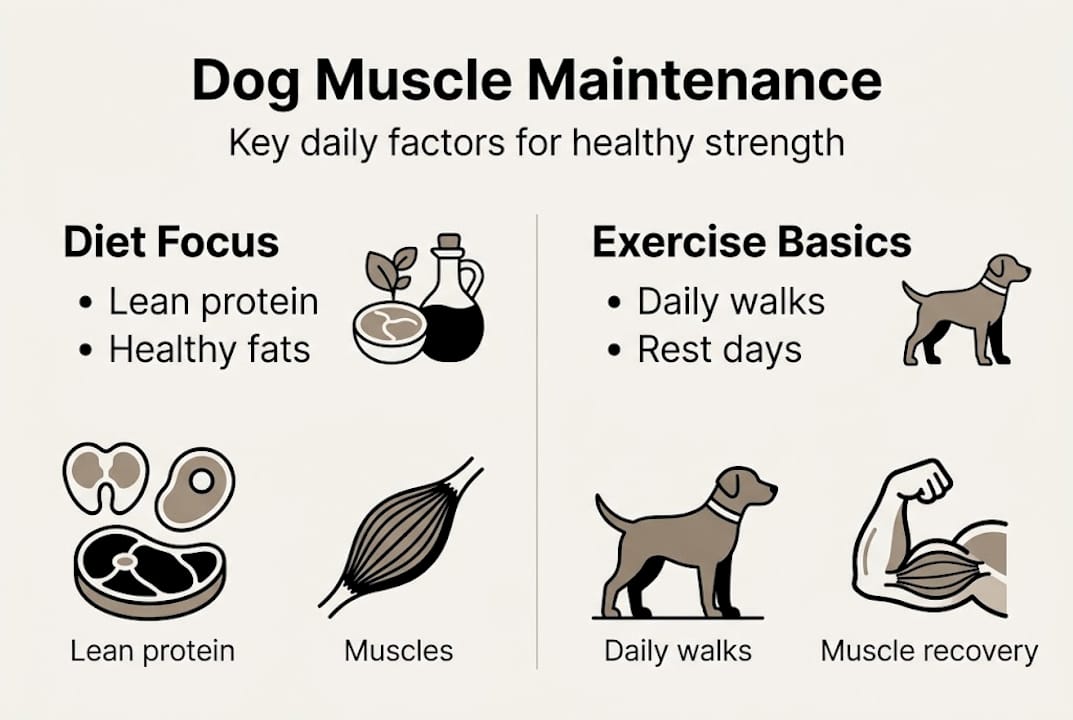
Pro Tip: Look for foods where a named animal protein (chicken, beef, salmon) is the very first ingredient. If grains or starches appear before protein, the product likely won’t support muscle maintenance effectively.
Familiarizing yourself with healthy dog ingredients helps you read labels with confidence and choose foods that genuinely support what you’re working toward.
The role of exercise, rest, and routine in muscle maintenance
Diet is only half the equation. Movement is what signals the body to build and preserve muscle. But how you structure that movement matters more than how intense it is.
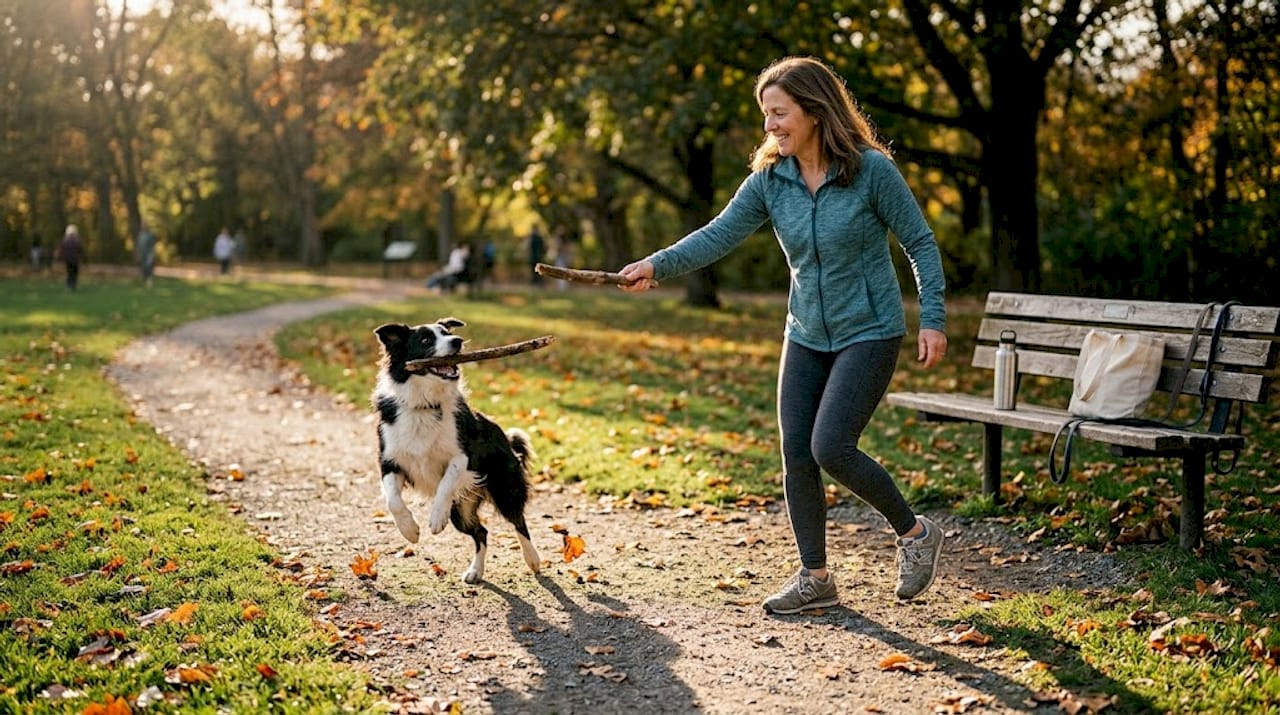
Consistency in daily moderate exercise outperforms sporadic intense workouts every time. A dog who walks 30 minutes every day will maintain better muscle tone than one who plays intensely on weekends and rests for days in between. Routines create a steady stimulus for muscle retention, without the injury risk that comes with overexertion.
Effective exercise types for muscle maintenance include:
Leash walks on varied terrain, including light inclines, to engage different muscle groups
Swimming as a low-impact resistance exercise, especially good for senior or arthritic dogs
Sit-to-stand repetitions using treats to encourage natural bodyweight resistance work
Balance and coordination games that engage stabilizing muscles often missed by regular walks
“The goal is not to tire your dog out. It’s to stimulate muscle engagement consistently, every single day.”
Rest is equally important. Muscles don’t grow or maintain during exercise; they do it during recovery. Adequate sleep, along with rest days built into any active schedule, prevents the breakdown that comes from overtraining. This matters especially for athletic or working dogs. Learning more about energy for canine athletes gives you a fuller picture of how nutrition and recovery work together.
A simple daily schedule for a healthy adult dog might look like this: a 20-minute morning walk, a brief midday training or play session, and a calm 15-minute evening walk. Pair this with quality nutrition and sufficient rest, and you have a balanced nutrition and movement plan that’s sustainable and effective.
Pro Tip: Add gentle uphill walking or stair work two to three times per week. This low-impact resistance naturally builds hindquarter and core muscle without stressing joints.
Special considerations: Age, health conditions, and when to seek veterinary advice
Prevention and daily routines cover most situations, but some dogs need a more tailored approach. Health conditions, age-related changes, and recovery from injury all shift the muscle maintenance equation.
For dogs with chronic kidney disease (CKD), the standard advice to increase protein intake doesn’t apply. CKD requires moderated protein intake to avoid overloading the kidneys, even though muscle support still matters. Your vet can help you identify the right balance, and understanding nutrition for dogs with kidney issues is a valuable starting point for those conversations.
Dogs recovering from injury or surgery need special attention too. Post-injury, muscle loss happens rapidly due to reduced activity and the body’s stress response. Prioritizing high-quality protein and guided exercise rehabilitation helps restore muscle function more quickly than rest alone.
It’s also important to distinguish between sarcopenia and cachexia, which is muscle wasting caused by chronic illness or cancer. These conditions look similar but require very different treatments, and only a vet can differentiate between them through diagnostics.
Here are signs it’s time to call your vet rather than adjust things at home:
Rapid or sudden muscle loss over a few weeks
Muscle loss accompanied by weight loss, lethargy, or appetite changes
Your dog is reluctant to bear weight or shows signs of pain
You’ve made dietary and exercise changes with no improvement
Your dog has a known chronic condition like CKD, heart disease, or cancer
For dogs without complex conditions, a good starting point is knowing the essential nutrients your dog needs daily, so you can fill any gaps before they become problems.
Our perspective: What most dog owners get wrong about muscle maintenance
Here’s what we’ve observed: most owners only start thinking about muscle health when they can already see the problem. By then, they’re playing catch-up. Rebuilding lost muscle is significantly harder than maintaining it, and it takes longer, sometimes months of consistent effort, to recover what was lost in a fraction of that time.
The other common mistake is over-relying on supplements while underinvesting in foundational nutrition and daily movement. No supplement compensates for a low-quality diet or a sedentary lifestyle. Whole animal protein and daily activity are the real drivers of muscle health. Supplements can support them, but they can’t replace them.
Sustainable muscle maintenance comes from boring, consistent habits: a quality meal every day, a walk every morning, and a monthly hands-on check of your dog’s body condition. Building these real nutrition habits into your routine now is the most effective thing you can do for your dog’s long-term strength and vitality. Start before there’s a visible problem, and you’ll likely never have one.
Support your dog’s vitality with the right nutrition
You now have a clear, practical plan for maintaining your dog’s muscle health through smart nutrition, consistent exercise, and regular monitoring. The next step is making sure your dog’s daily meals actually deliver on those nutrition goals.

At Loyal Saints Pets, our freeze-dried dog food is crafted from human-grade, whole animal proteins with no fillers or artificial additives, giving your dog exactly the muscle-supporting nutrition they need. If you want to understand why this matters, explore why freeze-dried nutrition is one of the most effective ways to deliver whole-food quality in every bowl. When you’re ready to take the next step, shop our natural dog foods and find the right fit for your dog’s size, age, and health goals.
Frequently asked questions
How can I tell if my dog is losing muscle mass?
Check your dog’s spine, hips, skull, and shoulders for protruding bones or reduced padding, and ask your vet to perform a formal Muscle Condition Score assessment at your next visit.
What is the best diet for muscle maintenance in dogs?
A diet built on high-quality whole animal proteins, balanced healthy fats, and Omega-3s that reduce catabolism, tailored to your dog’s age and health status, gives you the strongest foundation for muscle preservation.
Are supplements necessary for muscle health in dogs?
Supplements like Omega-3s and Fortetropin can help, but they work best alongside proper whole-food nutrition and regular exercise, always with vet-guided supplement use to ensure safety and effectiveness.
Can all dogs follow the same muscle maintenance plan?
No. Dogs with conditions like CKD or those recovering from surgery need individualized plans because CKD requires moderated protein and other adjustments that a standard plan won’t account for.
How often should I assess my dog’s muscle health?
Perform a hands-on check at home monthly, and use the MCS palpation assessment at every routine veterinary visit to catch changes early before they become harder to address.
Recommended
Comments