.png)
Shelter dog allergy relief: Natural nutrition guide
- wix mentor

- 10 hours ago
- 9 min read

TL;DR:
Managing shelter dog allergies benefits from targeted diets and natural nutritional support.
Combining medical treatment with proper nutrition offers the best long-term relief.
Strict ingredient control and gradual food transitions are essential for effective allergy management.
When your newly adopted shelter dog won’t stop scratching, it’s easy to assume the answer is a pill or a prescription. Many pet owners reach straight for medication, and while that can be part of the solution, it’s rarely the whole picture. Emerging functional diets and targeted nutritional strategies are showing real promise in managing canine allergies, with some studies reporting 80% owner satisfaction when diet plays a central role. This guide walks you through everything you need to know, from recognizing the signs to choosing the right foods and supplements, so your shelter dog can finally get lasting relief.
Table of Contents
Key Takeaways
Point | Details |
Combining approaches | Both medication and nutrition are essential for effective, long-lasting allergy control in shelter dogs. |
Natural products work best as adjuncts | Supplements like omega-3s and quercetin are most effective when used alongside your vet’s plan. |
Seasonality and food matter | Shelter dogs need year-round allergy strategies and careful transitions to prevent setbacks. |
Quality food reduces risks | Prescription or specialty diets are safer than generic ‘limited-ingredient’ retail foods. |
Understanding canine allergies in shelter environments
Now that you know why there’s more to allergy solutions than pills, let’s look at why allergies are so common in shelter dogs specifically.
Shelter dogs face a uniquely difficult set of circumstances. Most of these dogs have experienced stress, dietary changes, inconsistent environments, and exposure to many other animals. All of those factors can trigger or worsen allergic responses in dogs that might otherwise manage just fine in a stable home.
The main types of allergens shelter dogs encounter
There are three primary categories of allergens that affect dogs in shelters and rescue situations:
Food proteins: Chicken, beef, dairy, wheat, and eggs are the most common food allergens in dogs. Shelter dogs often cycle through multiple foods, increasing exposure risk.
Environmental triggers: Dust mites, mold spores, pollen from grasses and trees, and cleaning products used in kennel facilities all contribute to environmental allergic reactions.
Flea bite hypersensitivity: A single flea bite can cause intense itching in a sensitized dog. Shelters with even mild flea pressure can trigger severe reactions in susceptible dogs.
Why stress makes everything worse
Stress is a genuine amplifier of allergic symptoms. When a dog’s cortisol levels stay elevated due to shelter stress, the immune system becomes dysregulated. This means the body overreacts to minor triggers that a calm, well-nourished dog might handle easily.
Overcrowded kennel conditions, constant noise, unfamiliar smells, and irregular feeding schedules all push a dog’s immune system into overdrive. A dog that seems intensely allergic in a shelter may calm down significantly once placed in a quiet home with consistent nutrition.
Common symptoms to watch for
Symptom | Where it appears | Severity indicator |
Persistent scratching | Paws, ears, belly, face | Mild to severe |
Hair loss (alopecia) | Around eyes, base of tail | Moderate to severe |
Skin redness or rash | Groin, armpits, paws | Mild to moderate |
Recurrent ear infections | Ears | Moderate to severe |
Chewing or licking paws | Paws | Mild to moderate |
Watery eyes | Face area | Mild |
As allergy treatment in dogs confirms, allergies present as scratching, redness, and ear infections, and while there is no complete cure, good control is achievable. That’s the key word here: control. Managing allergies is a long-term commitment, not a one-time fix.
The reality of chronic, unmanaged allergies: When left untreated, allergic responses create a cycle of skin damage, secondary bacterial infections, and worsening immune sensitivity. This makes adoptability harder and long-term health outcomes poorer for shelter dogs.
For a deeper look at recognizing and responding to these issues, our guide on understanding dog allergies covers the full picture in plain language.
Modern allergy management: From medication to nutrition
Pinpointing symptoms is only the beginning. Next, it’s crucial to understand how medical and nutritional strategies differ in managing allergies, and why combining them usually produces the best results.
Pharmaceutical options: What they do and when they’re appropriate
Medications remain a core tool for allergy management, especially when symptoms are severe. Here’s how the main options compare:
Approach | How it works | Pros | Cons |
Antihistamines | Block histamine receptors | Safe, low cost | Only effective in 10 to 30% of dogs |
Corticosteroids | Suppress immune response | Fast, effective | Risk of Cushing’s, infections with long-term use |
Apoquel/Cytopoint | Target itch pathways specifically | Fewer side effects than steroids | Cost, ongoing administration needed |
ASIT (immunotherapy) | Desensitize to specific allergens | Disease-modifying, not just symptomatic | Requires allergen ID via testing |
It’s worth knowing that antihistamines, a go-to for many owners, work in only 10 to 30% of dogs, and steroids carry real long-term risks when used continuously. This is not to say medication is bad. It’s to say that relying on medication alone, especially steroids, is often not the best path forward.
Allergen-specific immunotherapy, or ASIT, works by gradually desensitizing the immune system to the specific triggers causing the reaction. This is a disease-modifying approach, meaning it targets the root cause rather than just suppressing symptoms. However, it requires allergy testing first, which adds time and cost.
Where nutrition fits in
Hydrolyzed protein diets: These contain proteins broken into fragments too small for the immune system to recognize as threats, reducing the risk of food allergy reactions.
Novel protein diets: These use proteins your dog has never eaten before, such as kangaroo, venison, or rabbit, to sidestep existing sensitivities.
Limited-ingredient diets (LID): Reduce the number of potential triggers by keeping ingredient lists short and controlled.
Functional diets: Formulated with specific nutrients like omega-3 fatty acids and natural anti-inflammatory compounds that support immune and skin health.
Pro Tip: If you’re managing food allergies specifically, stick with one protein source for a minimum of 8 to 12 weeks before evaluating results. Switching too quickly can make it impossible to identify the actual trigger.
For more on choosing the right approach, our articles on natural solutions for food allergies and food choices for relief offer practical guidance tailored to real-life situations.
Power of natural nutrition and functional supplements
Knowing the standard options, let’s focus on the nutritional upgrades and natural approaches gaining traction with today’s experts and veterinary researchers.

Key nutrients that support allergy management
Good nutrition doesn’t just fuel your dog’s body. It actively supports immune regulation, skin barrier repair, and inflammatory control. For dogs with allergies, the following nutrients deserve special attention:
Omega-3 fatty acids (EPA and DHA): Found in fish oil and some plant sources. They support the skin’s lipid barrier, reduce inflammatory signaling, and help regulate immune responses. Our omega-3 dosage guide walks you through exactly how much your dog needs based on their weight.
Probiotics: Beneficial bacteria that support gut health and immune modulation. A healthy gut microbiome is strongly linked to reduced allergic response intensity.
Quercetin: A naturally occurring plant compound with antihistamine properties. It helps stabilize the mast cells (immune cells that release histamine) that drive itching and inflammation.
Astragalus: An adaptogenic herb with immune-supporting properties used in both traditional and modern veterinary contexts.
Monk fruit extract (Siraitia grosvenorii): An emerging botanical that recent research suggests may reduce skin barrier disruption and symptom severity in dogs with dermatitis.
What the latest research shows
A recent study on functional botanical supplements, including omega-3s, quercetin, astragalus, and probiotics, found meaningful reductions in skin water loss, coat and skin scoring measures, and itch scores, with 80% of participating owners reporting satisfaction with outcomes. These are not just anecdotal findings. They reflect a growing body of evidence supporting targeted nutrition as a genuine management tool.
Statistic to keep in mind: 80% owner satisfaction in a structured functional diet study is notably high for any allergy intervention. Most conventional approaches fall well short of this number.
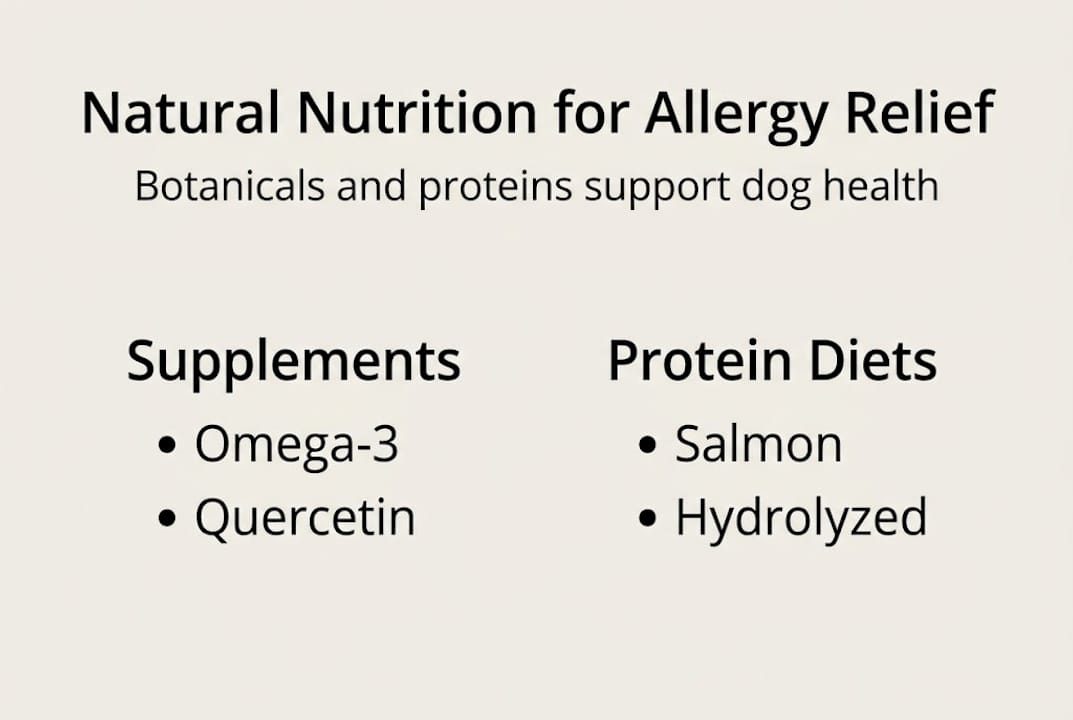
Novel and hydrolyzed protein diets remain the gold standard for confirmed food allergies. But for environmental allergies and atopic dermatitis, which are far more common in shelter dogs, functional supplements and omega-3-rich diets can make a measurable difference.
Pro Tip: Look for foods where omega-3 sources like salmon or flaxseed appear in the first five ingredients. That indicates a meaningful amount, not just a trace added for labeling purposes.
To explore how specific botanicals can support your dog’s immune system, our guide to herbal supplements for dogs is a great resource. You can also explore the broader landscape of food-based solutions in our allergy-free nutrition guide.
It’s worth repeating that supplements work best as adjuncts, meaning additions to a vet-guided plan, not as standalone treatments. No supplement replaces a proper diagnosis and protocol.
Navigating nuances: Seasonality, transitioning, and product pitfalls
The next challenge is turning knowledge into consistent results, especially given the unique realities of shelters and rescue situations.
Accounting for seasonal changes
Allergies aren’t the same year-round. Environmental allergens like tree pollen peak in spring, grass pollens in summer, and mold in fall and winter. This means your dog’s allergy management plan may need seasonal adjustments.
Spring: Increase omega-3 supplementation as pollen counts rise. Watch for new scratching or watery eyes emerging after outdoor time.
Summer: Flea prevention is critical. Even one bite can trigger a full-blown allergic response in a sensitized dog.
Fall: Check for mold exposure, especially in damp or basement environments. Wipe paws after outdoor walks to reduce indoor tracking of allergens.
Winter: Indoor allergens like dust mites become dominant. Regular bedding washing and air filtration help reduce exposure at home.
Our collection of seasonal diet tips gives you a month-by-month roadmap for keeping your dog’s immune system supported all year.
Transitioning shelter dogs to new foods safely
Shelter dogs often have sensitive digestive systems due to dietary inconsistency and stress. A sudden food switch can cause vomiting, diarrhea, or worsening allergic symptoms that you might mistakenly blame on the new food.
Days 1 to 3: Serve 75% old food, 25% new food.
Days 4 to 6: Move to 50% old, 50% new.
Days 7 to 9: Serve 25% old food, 75% new food.
Day 10 onward: Full transition to the new food.
This slower transition is especially important for dogs moving to a novel protein or hydrolyzed diet. Rushing the switch can cause gastrointestinal upset that makes it hard to assess whether the new food is actually helping.
The real risk of retail limited-ingredient foods
Many pet owners assume that grabbing a “limited-ingredient” bag off a store shelf is a safe, reliable choice for an allergic dog. Unfortunately, retail limited-ingredient foods carry a real risk of cross-contamination, unlike prescription diets which are manufactured under strict protocols. If a bag says “salmon and sweet potato” but was made on equipment shared with chicken-based foods, a chicken-sensitive dog may still react.
Pro Tip: If your vet recommends an elimination diet to identify allergens, use a prescription or veterinary-brand hydrolyzed diet, not a retail LID, to ensure accurate results.
For a clear breakdown of how to choose foods that actually deliver what they promise, our article on allergy-friendly foods covers what to look for on the label and what questions to ask.
Why true relief means merging nutrition with medical guidance
With all these options available, it’s tempting to look for a single miracle solution. Here’s what most experts wish every pet owner understood about lasting allergy relief.
The “all-natural” approach sounds reassuring, but natural doesn’t automatically mean safe or effective for every dog. Some botanicals can interact with medications. Some novel proteins won’t address an environmental allergy at all. Choosing nutrition over veterinary care without proper guidance is a gamble that costs your dog time, comfort, and sometimes health.
At the same time, relying entirely on pharmaceuticals misses a major opportunity. Natural ingredients like omega-3s, quercetin, and probiotics are most powerful when they complement an established veterinary protocol, not when they replace it. The research supports this clearly. Functional nutrition multiplies the results of medical management.
The smartest strategy is also the most practical one: work with your vet to confirm what type of allergy your dog has, follow their recommended treatment plan, and then layer in high-quality, targeted nutrition to support skin health, immune regulation, and long-term resilience. If you want to explore herbal immune boosters as part of that layered approach, the science is genuinely encouraging.
The goal isn’t natural versus medical. The goal is a dog that feels good, lives longer, and gets more tail wags in the years ahead.
Your next step: Trusted products designed for allergy relief
Ready to put these strategies to work? Find solutions trusted by owners and backed by research.
At Loyal Saints Pets, we know that what goes into your dog’s bowl matters enormously, especially for shelter dogs managing allergies. Our freeze-dried foods are crafted from human-grade, whole ingredients with no fillers, no cross-contamination risks, and no hidden proteins that could trigger a reaction. Every formula is designed to support skin health, immune function, and digestive balance from the inside out.

If you’ve been searching for a food your allergic dog can actually thrive on, learn why freeze dried matters for allergy-prone dogs specifically. When you’re ready to make the switch, shop allergy relief foods and find the formula that fits your dog’s unique needs. More tail wags are coming.
Frequently asked questions
What are the first signs of allergies in shelter dogs?
The most common early symptoms include itching, scratching, red or irritated skin, recurring ear infections, and patchy hair loss. These signs often appear within weeks of a new environment or dietary change.
Can natural supplements replace allergy medication for dogs?
No. While ingredients like omega-3s and quercetin provide meaningful support, supplements should complement a veterinary treatment plan, not replace it, especially for moderate to severe allergies.
Are prescription diets safer than limited-ingredient pet store foods?
Yes. Prescription diets are manufactured under strict contamination controls, while retail limited-ingredient foods are often made on shared equipment and carry a real cross-contamination risk.
Is there a permanent cure for allergies in shelter dogs?
No permanent cure currently exists, but good symptom control is achievable through a consistent combination of veterinary care, targeted nutrition, and environmental management.
Recommended
Comments