.png)
Impact of Diet on Dog Longevity: Science and Solutions
- Nick Willkom
- Jan 10
- 8 min read


Most American dog owners are surprised to learn that a dog’s diet can directly shape its lifespan and day-to-day vitality. If you fill your cart with high-quality, natural food, you are making choices that reach beyond simple nutrition. With research showing nutrition can add years to a dog’s life and help ward off chronic conditions, it becomes clear why caring for ingredient quality is a priority. Expect practical insights that connect the best American dietary habits with long-term health for your companion.
Table of Contents
Key Takeaways
Point | Details |
Diet Influences Longevity | A dog’s diet plays a crucial role in supporting health, reducing inflammation, and addressing systemic challenges to enhance lifespan. |
Key Nutrients Matter | Essential nutrients like high-quality proteins, omega-3 fatty acids, and antioxidants are vital for combating cellular aging and extending life. |
Weight Management is Essential | Maintaining a healthy weight is critical for preventing chronic diseases and improving a dog’s quality of life and longevity. |
Avoid Common Dietary Mistakes | Overfeeding, relying on unverified diets, and ignoring professional guidance can lead to serious health complications for dogs. |
Defining the Link Between Diet and Longevity
Understanding the relationship between diet and dog longevity requires a nuanced exploration of how nutritional choices directly impact a dog’s health and lifespan. Comprehensive research from Princeton’s Dog Aging Project reveals that diet is not just about feeding your dog, but strategically supporting their physiological systems to promote optimal health and extended life.
At its core, diet influences longevity through multiple interconnected mechanisms. Proper nutrition supports cellular repair, reduces inflammation, bolsters immune function, and helps manage weight – all critical factors in determining a dog’s overall health trajectory. The nutritional quality of food matters profoundly, with whole, minimally processed ingredients providing more bioavailable nutrients that support long-term wellness.
Research indicates that diet impacts longevity by addressing systemic health challenges before they become chronic conditions. Pet Longevity Institute studies demonstrate that strategic nutritional choices can mitigate risks associated with age-related diseases, support metabolic efficiency, and enhance overall physiological resilience. This means selecting foods rich in antioxidants, balanced proteins, and essential nutrients that actively combat cellular aging and support metabolic health.
Pro tip: Consider consulting with a veterinary nutritionist to develop a personalized dietary plan tailored to your dog’s specific age, breed, and health requirements.
Key Nutrients Essential for Lifespan Extension
Extending a dog’s lifespan requires a strategic approach to nutrition, focusing on key nutrients that support physiological health and combat age-related decline. Essential nutrient research from the National Academy of Sciences reveals a comprehensive framework for understanding how specific nutritional components can directly influence canine longevity.
The foundational nutrients crucial for lifespan extension include high-quality proteins, omega-3 fatty acids, antioxidants, and targeted vitamins and minerals. Protein quality becomes increasingly important as dogs age, with research indicating that easily digestible, lean proteins support muscle maintenance and cellular repair. Omega-3 fatty acids play a critical role in reducing inflammation, supporting cognitive function, and maintaining joint health – all essential factors in promoting a longer, more vibrant life.

Senior dogs have particularly nuanced nutritional needs that can significantly impact their longevity. Specialized nutritional guidelines from the American Kennel Club highlight the importance of targeted supplements like glucosamine, chondroitin, and specific antioxidants such as vitamins C and E. These nutrients work synergistically to support immune function, reduce oxidative stress, and maintain metabolic efficiency, ultimately contributing to extended healthspan and potential lifespan extension.
Pro tip: Consult with a veterinary nutritionist to develop a personalized nutrient profile that addresses your dog’s specific age, breed, and health requirements, ensuring optimal nutritional support for longevity.
This table summarizes key nutrients for canine longevity and their primary health benefits:
Nutrient | Major Benefit | Example Sources |
High-Quality Protein | Supports muscle maintenance | Lean meats, fish, eggs |
Omega-3 Fatty Acids | Reduces inflammation | Salmon oil, flaxseed, sardines |
Antioxidants | Protects against cellular aging | Blueberries, spinach, carrots |
Vitamins C & E | Boosts immune function | Peppers, leafy greens, seeds |
Types of Dog Diets and Their Distinctions
Navigating the complex landscape of dog nutrition requires understanding the diverse range of dietary options available. Commercial dog diet research from the American Kennel Club reveals that dogs are nutritionally flexible omnivores with specific dietary requirements that vary based on age, size, and activity level. Owners must look beyond simple food preferences to select diets that provide comprehensive nutritional support.
The primary categories of dog diets include commercial kibble, canned foods, raw diets, homemade meals, and emerging plant-based options. Commercial kibble remains the most common choice, offering balanced nutrition through scientifically formulated recipes that include proteins, grains, and essential vitamins. Raw diets have gained popularity among health-conscious pet owners, emphasizing minimally processed animal proteins and mimicking ancestral canine nutritional patterns. Homemade diets provide maximum control over ingredients but demand extensive nutritional knowledge to ensure complete dietary balance.
Research on alternative dog diets highlights the growing interest in plant-based nutrition, though veterinary experts caution that careful formulation is critical. Plant-based diets require meticulous nutrient mapping to replace traditional animal proteins, ensuring dogs receive complete amino acid profiles, essential fatty acids, and micronutrients necessary for optimal health. Each diet type presents unique advantages and challenges, making personalized nutrition a key consideration for supporting long-term canine wellness.
Here’s a comparison of common dog diet types and their unique characteristics:
Diet Type | Main Advantages | Potential Challenges | Best Suited For |
Commercial Kibble | Convenient and nutritionally balanced | May contain fillers and additives | Most adult dogs |
Raw Diet | High protein, mimics ancestral diet | Risk of pathogens and imbalanced nutrition | Working and highly active breeds |
Homemade Meals | Full control over ingredients | Requires careful nutrient balancing | Dogs with allergies or sensitivities |
Plant-Based | Avoids animal proteins, eco-friendly | Harder to achieve complete amino acid profile | Owners seeking sustainable options |
Pro tip: Consult a veterinary nutritionist to develop a diet plan that matches your dog’s specific metabolic needs, considering factors like breed, age, activity level, and existing health conditions.
Ingredient Quality and Whole Food Nutrition
Essential dog food ingredient research from the American Kennel Club reveals that ingredient quality is the cornerstone of canine nutritional health. Whole food nutrition goes far beyond simple calorie consumption, representing a holistic approach to supporting a dog’s physiological needs through minimally processed, nutrient-dense ingredients that promote optimal cellular function and long-term wellness.
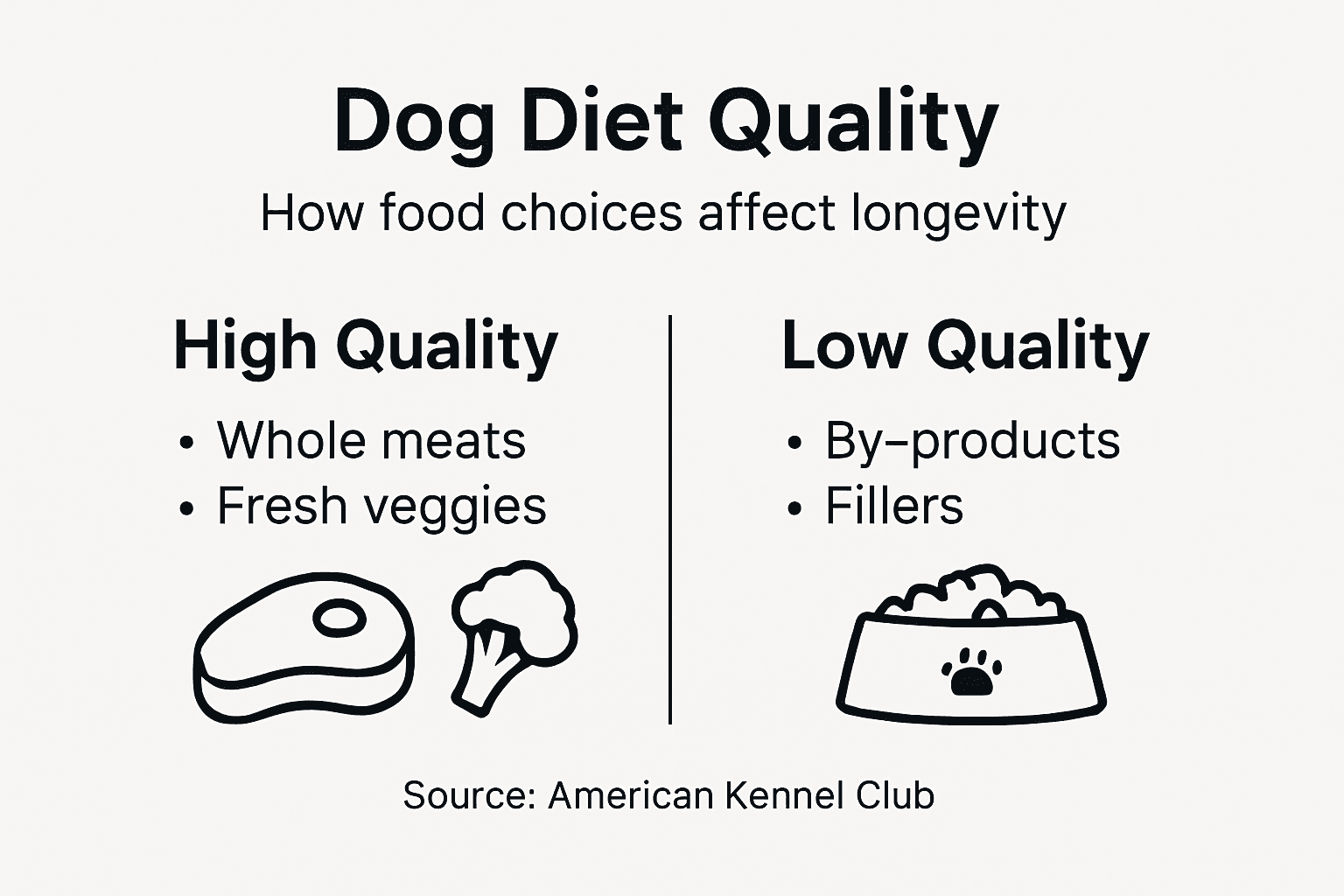
The nutritional integrity of dog food depends on multiple critical factors, including protein source, ingredient processing, and micronutrient composition. Complete proteins containing all essential amino acids form the foundation of quality nutrition, with fresh meats, fish, and carefully selected plant-based proteins offering the most bioavailable nutrient profiles. Whole grains, vegetables, and fruits contribute additional fiber, vitamins, and minerals that support digestive health, immune function, and metabolic efficiency.
National research on nutritional bioavailability demonstrates that ingredient sourcing and processing dramatically impact nutrient absorption. Minimally processed ingredients retain more nutritional value, with gentle cooking methods preserving essential enzymes and preventing nutrient degradation. This approach ensures that dogs receive maximum nutritional benefit from each ingredient, supporting cellular repair, immune response, and metabolic processes that contribute to extended longevity.
Pro tip: Examine pet food labels carefully, prioritizing whole food ingredients listed first and avoiding products with excessive fillers, by-products, or artificial preservatives.
Weight Management and Disease Prevention
AAHA Nutrition and Weight Management Guidelines reveal that maintaining a healthy weight is crucial for preventing chronic diseases and extending a dog’s lifespan. Weight management represents a proactive approach to canine health, addressing potential medical risks before they become serious health complications. Excess weight creates a cascade of physiological challenges that can dramatically reduce a dog’s quality of life and potential longevity.
The metabolic impact of obesity extends far beyond simple body mass, affecting multiple organ systems and increasing risks for conditions like diabetes, arthritis, cardiovascular disease, and reduced immune function. Targeted nutritional strategies that control caloric intake while providing balanced, nutrient-dense foods can help dogs maintain an optimal body condition score. This approach requires careful portion control, selecting high-quality protein sources, and understanding each dog’s unique metabolic requirements.
Veterinary research on canine weight management demonstrates that obesity results from multiple interconnected factors, including diet composition, feeding patterns, and activity levels. Successful weight management involves a comprehensive approach that combines nutritionally balanced foods, portion control, regular exercise, and consistent monitoring. Dogs with maintained healthy weight typically experience fewer age-related complications, enhanced mobility, and improved overall metabolic efficiency.
Pro tip: Request a body condition score assessment from your veterinarian during annual check-ups to establish a personalized weight management baseline for your dog.
Common Diet-Related Risks and Mistakes to Avoid
AAHA Nutrition Guidelines highlight critical nutritional risks that can significantly impact a dog’s health and longevity. Understanding these potential dietary pitfalls is essential for responsible pet owners seeking to provide optimal nutrition and prevent chronic health complications. Misguided nutritional choices can create cascading health challenges that compromise a dog’s overall wellness and life expectancy.
The most prevalent dietary mistakes include overfeeding, relying on unverified marketing claims, and selecting nutritionally incomplete diets. Grain-free and legume-heavy diets, once trendy, have been linked to potential heart health risks, particularly dilated cardiomyopathy in certain dog breeds. Inappropriate protein levels, excessive fiber content, and inconsistent caloric intake can lead to nutrient deficiencies, metabolic disorders, and long-term health complications that may dramatically reduce a dog’s quality of life.
Global veterinary nutrition research demonstrates that owner education is crucial in mitigating dietary risks. Common errors such as free-feeding, providing excessive human food treats, and selecting diets without professional guidance can create significant health challenges. Raw or undercooked protein diets, while popular among some pet owners, carry substantial risks of pathogen exposure and potential nutritional imbalances. Consulting with veterinary nutritionists and adhering to evidence-based feeding guidelines remain the most effective strategies for preventing diet-related health issues.
Pro tip: Schedule an annual nutritional consultation with your veterinarian to review and adjust your dog’s diet based on age, weight, activity level, and specific health requirements.
Nourish Longevity with Every Meal for Your Beloved Dog
The article highlights how critical diet is in extending your dog’s lifespan by supporting muscle maintenance, reducing inflammation, and preventing disease through key nutrients like high-quality proteins and antioxidants. If you want to help your dog enjoy more active and joyful years, addressing these nutritional targets with a health-first approach is essential. Loyal Saints Pets offers premium, freeze-dried dog food made from human-grade ingredients that align perfectly with the science of longevity. Our products deliver balanced proteins and whole food nutrition without fillers or additives, supporting vitality, muscle strength, and immune health throughout your dog’s life.
Discover the benefits of our expertly crafted offerings, including nutrient-rich options like Beef | Loyal Saints and Chicken | Loyal Saints that match the dietary needs outlined in the research.

Give your dog the gift of wholesome nutrition that nourishes from inside out. Visit Loyal Saints Pets today to explore our Bundles | Loyal Saints for convenient, complete meal solutions. Act now to provide your loyal companion with food designed to help them live longer and thrive every day.
Frequently Asked Questions
How does diet influence a dog’s lifespan?
Diet influences a dog’s lifespan by providing essential nutrients that support cellular repair, reduce inflammation, bolster immune function, and help manage weight, all critical for optimal health and longevity.
What nutrients are crucial for extending a dog’s life?
Key nutrients for extending a dog’s life include high-quality proteins, omega-3 fatty acids, antioxidants, and essential vitamins and minerals, which together combat age-related decline and support overall health.
What are the different types of dog diets?
Different types of dog diets include commercial kibble, canned foods, raw diets, homemade meals, and plant-based options, each offering unique nutritional benefits and potential challenges for canine health.
How can I manage my dog’s weight effectively?
Effective weight management involves controlling caloric intake through portion control, choosing high-quality, nutrient-dense foods, and ensuring regular exercise, all of which can improve health and longevity.
Recommended
Comments