.png)
Whole Food Ingredients for Dogs: Lifelong Health
- Nick Willkom
- Jan 7
- 9 min read


Most american dog owners living in cities face a confusing mix of pet food choices when aiming for better nutrition. With over 60 percent of urban households considering premium diets for dogs, the quest for whole food ingredients is more important than ever. Choosing the right whole foods means supporting your pet’s energy, immune system, and overall happiness with fewer additives and more natural nutrition.
Table of Contents
Key Takeaways
Point | Details |
Whole Food Nutrition Is Important | Whole food ingredients are minimally processed and retain maximum nutritional value for dogs, supporting better health. |
Diverse Nutrient Sources | A balanced diet for dogs includes proteins, whole grains, fruits, and vegetables to ensure comprehensive nutrient intake. |
Opt for Recognizable Ingredients | When choosing dog food, prioritize products with easily identifiable whole ingredients to avoid harmful additives. |
Consult Professionals | Always seek advice from veterinary nutritionists before making dietary changes to ensure nutritional balance and avoid health complications. |
Whole Food Ingredients Defined for Dogs
Whole food ingredients for dogs represent nutritionally dense, minimally processed food components that closely resemble their natural state. Whole food nutrition for dogs focuses on providing complete, unrefined ingredients that deliver maximum nutritional value without unnecessary processing or synthetic additives. These ingredients are characterized by their original, unadulterated form, ensuring dogs receive nutrients in their most bioavailable and natural condition.
According to the American Kennel Club, whole food ingredients encompass fresh and raw meats, fruits, vegetables, and whole grains that provide a comprehensive nutritional profile. These ingredients offer essential components like protein, healthy fats, carbohydrates, fiber, vitamins, minerals, and water. Unlike heavily processed alternatives, whole food ingredients maintain their structural integrity and nutrient density, supporting optimal canine health through natural, minimally altered nutrition.
The Association of American Feed Control Officials (AAFCO) defines whole food ingredients as identifiable animal or plant parts that contribute directly to nutritional requirements. These can include specific muscle tissues, associated fats, connective tissues, grains, fruits, and vegetables used as primary food components. By prioritizing identifiable, whole ingredients, dog owners can ensure their pets receive balanced, high-quality nutrition that supports long-term wellness and vitality.
Pro tip: When selecting dog food, examine the ingredient list and prioritize products where whole, recognizable ingredients are listed first, indicating higher nutritional quality and minimal processing.
Types of Whole Foods in Canine Nutrition
Canine nutrition encompasses a diverse range of whole food ingredients that provide essential nutrients for optimal health. Natural pet nutrition strategies highlight the importance of incorporating varied whole food sources that deliver comprehensive nutritional support. The primary categories of whole foods in dog nutrition include proteins, carbohydrates, fruits, vegetables, and healthy fats, each playing a critical role in maintaining a dog’s overall well-being.
Protein sources represent the cornerstone of canine nutrition, with whole food options including fresh muscle meats like chicken, beef, fish, and turkey. These protein sources provide complete amino acid profiles essential for muscle development, tissue repair, and immune function. Whole grains such as brown rice, quinoa, and oats contribute valuable complex carbohydrates, offering sustained energy and supporting digestive health through their fiber content. Vegetables like sweet potatoes, spinach, and carrots deliver crucial vitamins, minerals, and antioxidants that enhance immune response and cellular protection.

Fruits and additional plant-based whole foods offer complementary nutritional benefits for dogs. Blueberries, apples, and pumpkin provide natural sources of vitamins, fiber, and phytonutrients that support metabolic functions and help prevent chronic diseases. Healthy fat sources such as salmon, sardines, and coconut oil deliver omega-3 and omega-6 fatty acids, which are crucial for maintaining skin health, promoting cognitive function, and reducing inflammatory responses. By combining these diverse whole food ingredients, dog owners can create a balanced nutritional approach that supports their pet’s long-term health and vitality.
Use this summary to understand how different whole food categories help canine health:
Food Category | Key Benefit | Example Ingredient |
Protein | Muscle repair and immune | Chicken, salmon |
Grains | Digestive health, energy | Brown rice, oats |
Vegetables | Antioxidants, vitamins | Sweet potato, spinach |
Fat Sources | Skin and cognition | Sardines, coconut oil |
Pro tip: Rotate different whole food protein and vegetable sources in your dog’s diet to ensure a broad spectrum of nutrients and prevent potential food sensitivities.
How Whole Ingredients Support Vitality
Whole food ingredients play a transformative role in supporting canine vitality by delivering nutrients in their most natural and bioavailable form. Nutrient absorption for dogs represents a critical factor in maintaining optimal health, with whole ingredients providing superior nutritional benefits compared to processed alternatives. These minimally processed foods ensure that essential vitamins, minerals, proteins, and micronutrients remain intact, enabling more efficient absorption and utilization by a dog’s body.
The comprehensive nutritional profile of whole ingredients directly impacts multiple aspects of canine health. Protein sources from fresh muscle meats support muscle maintenance and repair, while complex carbohydrates from whole grains provide sustained energy. Antioxidant-rich fruits and vegetables contribute to immune system function, helping dogs combat cellular damage and reduce inflammation. Omega-rich ingredients like fish and coconut oil promote healthy skin, coat quality, and cognitive function, demonstrating how whole foods support comprehensive physiological well-being across different bodily systems.
Nutritional science confirms that whole ingredients support vitality through their intricate nutrient combinations. By maintaining the natural synergy between different food components, whole ingredients provide a holistic approach to nutrition that synthetic supplements cannot replicate. The balanced composition supports metabolic processes, enhances immune responses, and contributes to long-term health outcomes. Dogs consuming diets rich in whole food ingredients typically demonstrate improved energy levels, more stable weight, better digestive health, and enhanced overall resilience throughout their life stages.
Pro tip: Gradually introduce new whole food ingredients to your dog’s diet and observe their response, ensuring each addition supports their individual nutritional needs and promotes optimal vitality.
Digestive, Immune, and Allergy Benefits
Whole food ingredients play a pivotal role in supporting canine digestive health, immune function, and allergy management through their complex nutritional profiles. Dog gut health strategies demonstrate that natural ingredients provide comprehensive support for multiple bodily systems, offering a holistic approach to preventing and managing potential health challenges. By delivering nutrients in their most natural state, whole food ingredients help dogs maintain optimal physiological balance and resilience.
The digestive system benefits significantly from whole food ingredients rich in prebiotics and fiber. Ingredients like pumpkin, sweet potatoes, and whole grains promote healthy gut bacteria, enhance nutrient absorption, and support regular bowel movements. Probiotic-rich foods such as fermented vegetables and specific proteins help strengthen the intestinal microbiome, reducing inflammation and supporting immune system function. Antioxidant-dense fruits and vegetables further contribute to cellular protection, helping dogs combat oxidative stress and potentially reducing the likelihood of chronic inflammatory conditions.
Whole food ingredients also play a crucial role in managing and preventing food allergies. By using minimally processed, high-quality protein sources and avoiding common allergens, dog owners can create diets that support immune system modulation. Ingredients like salmon, sardines, and coconut oil provide omega-3 fatty acids that help reduce inflammatory responses, potentially mitigating allergic reactions. The natural composition of whole foods ensures that dogs receive a balanced spectrum of nutrients without artificial additives or potential allergen triggers, supporting long-term health and immune system resilience.
Pro tip: Introduce new whole food ingredients gradually and monitor your dog’s response, keeping a food diary to track any potential allergic reactions or digestive changes.
Comparing Whole Foods to Processed Alternatives
Nutritional science reveals significant differences between whole food ingredients and processed dog food alternatives, highlighting the critical impact of food processing on canine health. Small-batch vs mass-produced food demonstrates how minimal processing preserves essential nutrients and supports optimal physiological function. Whole food ingredients maintain their natural molecular structures, ensuring maximum nutrient bioavailability and preserving the complex nutritional profiles that support dogs’ metabolic processes.
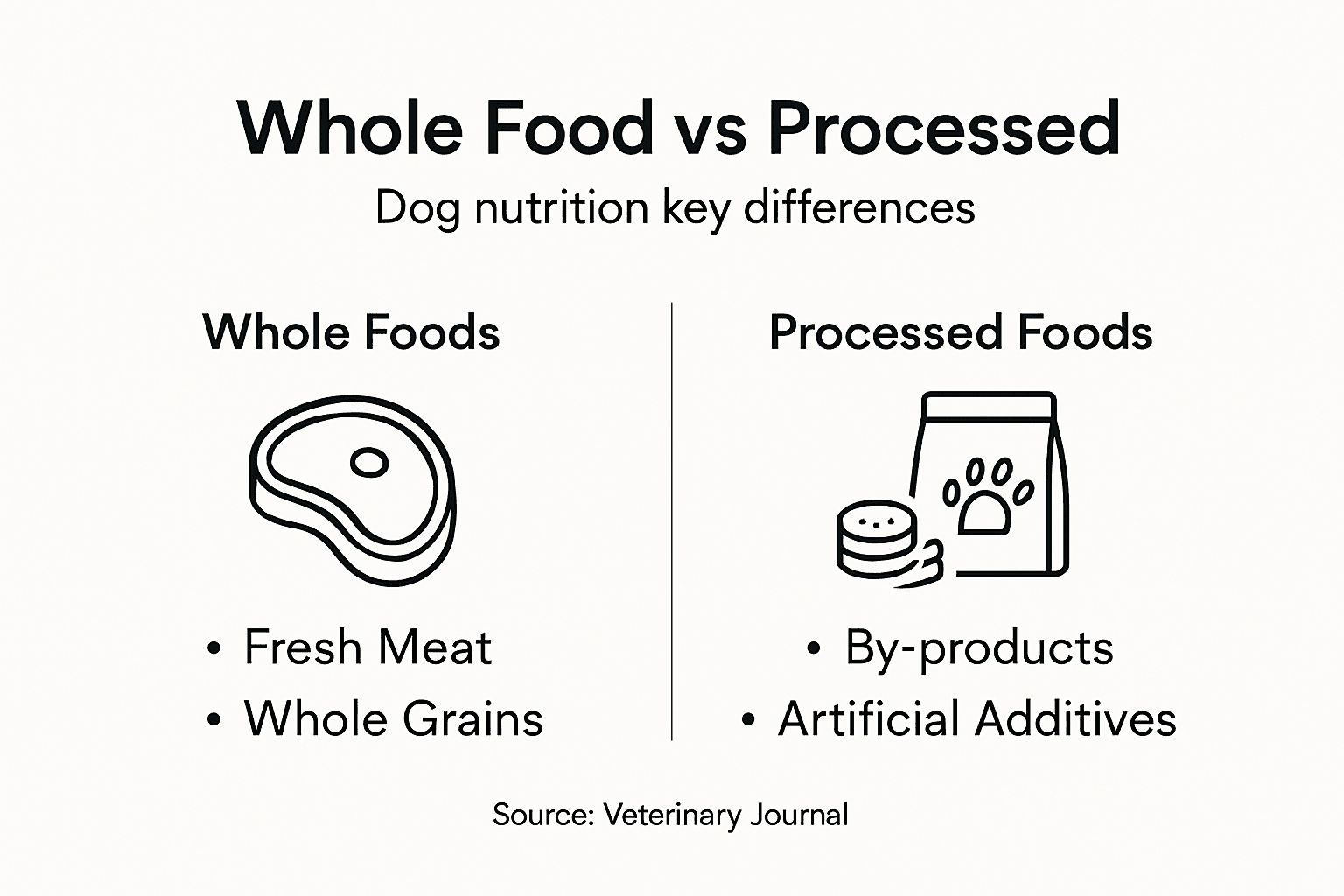
Processed dog foods often undergo extensive heat treatment and chemical modifications that can compromise nutritional integrity. High-temperature cooking techniques frequently destroy heat-sensitive vitamins, denature proteins, and reduce mineral availability. Synthetic additives, preservatives, and fillers commonly found in kibble and canned foods may introduce unnecessary chemicals that potentially trigger inflammatory responses or digestive complications. In contrast, whole food ingredients retain their original cellular structures, delivering nutrients in their most natural and recognizable forms, which supports more efficient metabolic absorption and utilization.
Nutritional experts emphasize that whole food diets provide superior nutritional density compared to heavily processed alternatives. Fresh meats, vegetables, and fruits offer complete amino acid profiles, natural enzymes, and unaltered micronutrients that support immune function, cellular repair, and overall vitality. While processed foods might offer convenience and longer shelf life, they often sacrifice nutritional quality and potential long-term health benefits. Whole food ingredients represent a more holistic approach to canine nutrition, addressing not just basic caloric needs but supporting comprehensive physiological wellness through minimally processed, nutrient-rich components.
Here’s a quick reference comparing whole food and processed dog food ingredient characteristics:
Attribute | Whole Food Ingredients | Processed Food Ingredients |
Nutritional Density | High, naturally preserved | Lower, often diminished |
Ingredient Recognition | Easily identifiable | Frequently vague or synthetic |
Processing Level | Minimal, retains nutrients | Extensive heat and chemical steps |
Additives/Preservatives | Rare, typically unneeded | Common, may cause sensitivities |
Pro tip: When comparing dog food options, prioritize ingredients you can easily recognize and understand, avoiding products with extensive lists of artificial additives or unpronounceable chemical compounds.
Common Pitfalls When Choosing Ingredients
Selecting appropriate dog food ingredients requires careful navigation through numerous potential mistakes that can compromise canine health. Common dog food contaminants underscore the importance of understanding ingredient quality and safety. Dog owners frequently encounter pitfalls ranging from misinterpreting ingredient labels to overlooking critical nutritional requirements specific to their pet’s unique health profile and life stage.
One significant challenge involves misunderstanding ingredient sourcing and quality. Many dog owners mistakenly assume that all protein sources are equivalent, overlooking crucial differences in meat quality, processing methods, and nutritional bioavailability. Cheap, low-grade protein sources often contain minimal nutritional value and may introduce harmful additives or potential allergens. Similarly, complex carbohydrates and vegetable ingredients require careful selection, as not all sources provide equal nutritional benefits. Owners should prioritize whole, minimally processed ingredients from reputable sources, avoiding generic terms like ‘meat meal’ or ingredients with unclear origins.
Nutritional experts emphasize the risks of adopting a one-size-fits-all approach to dog nutrition. Individual factors such as breed, age, weight, activity level, and existing health conditions significantly influence dietary requirements. Homemade diets without professional nutritional guidance can lead to severe nutritional imbalances, potentially causing long-term health complications. Consulting with veterinary nutritionists, understanding precise ingredient roles, and staying informed about regulatory standards are essential strategies for making informed, health-conscious ingredient choices that support a dog’s comprehensive well-being.
Pro tip: Always consult with a veterinary nutritionist before making significant changes to your dog’s diet, and carefully research ingredient sourcing and processing methods.
Unlock Lifelong Vitality with Whole Food Nutrition from Loyal Saints Pets
Your dog deserves a diet built on nutritionally dense, minimally processed whole food ingredients just like those highlighted in this article. By focusing on proteins, vegetables, and healthy fats that support muscle repair, immune function, and digestive health, you can give your pet the best chance at a vibrant, active life. Key challenges such as identifying truly natural ingredients and avoiding fillers or artificial additives are real concerns for many dog owners seeking balanced nutrition for their companions.
At Loyal Saints Pets, we specialize in premium freeze-dried dog foods made exclusively from human-grade whole ingredients including fresh Chicken and Beef. Our recipes avoid unnecessary processing and additives to preserve nutrient integrity and maximize absorption, supporting healthy digestion, allergy management, and overall vitality. Take advantage of thoughtfully curated Bundles to provide your dog with a variety of natural proteins and nutrients.

Experience the difference that fully recognizable, balanced nutrition can make. Visit https://loyalsaintspets.com today and start your dog on a path to healthier digestion, stronger immunity, and lasting happiness. Don’t wait to invest in quality nutrition that unlocks the full potential of your furry family member’s lifelong health.
Frequently Asked Questions
What are whole food ingredients for dogs?
Whole food ingredients for dogs are minimally processed food components that resemble their natural state, including fresh meats, fruits, vegetables, and whole grains. They provide essential nutrients in a bioavailable form, supporting optimal canine health.
How do whole food ingredients benefit my dog’s health?
Whole food ingredients deliver a comprehensive nutritional profile, promoting muscle repair, digestive health, immune function, and overall vitality. They support better nutrient absorption and help maintain a balanced diet for various life stages of dogs.
What are the key types of whole food ingredients for dogs?
Key types of whole food ingredients for dogs include proteins (like chicken and fish), carbohydrates (such as brown rice and oats), vegetables (like sweet potatoes and spinach), and healthy fats (like salmon and coconut oil), each playing a critical role in canine nutrition.
How do whole food ingredients compare to processed dog food?
Whole food ingredients generally have higher nutritional density, maintaining their original nutrient profiles without extensive processing. In contrast, processed dog foods often lose essential nutrients due to high heat and chemical modifications, potentially affecting long-term health.
Recommended
Comments