.png)
Why Dogs Need High-Quality Protein for Longevity
- Nick Willkom
- Jan 8
- 8 min read


Most American city dogs are missing out on the vitality that comes from truly high-quality protein. With nearly 60% of urban American pets living longer yet struggling with chronic health issues, the quest for premium nutrition matters more than ever. Understanding what sets exceptional protein apart empowers health-conscious owners to select freeze-dried foods that boost muscle tone, immune defenses, and lasting energy—giving urban companions the chance to thrive well into their senior years.
Table of Contents
Key Takeaways
Point | Details |
High-Quality Protein Definition | High-quality protein is defined by digestibility, amino acid composition, and biological availability, crucial for supporting a dog’s health. |
Importance Across Life Stages | Protein requirements vary significantly across life stages, necessitating tailored nutritional strategies for puppies, adults, and seniors. |
Risks of Protein Quality | Low-quality or excessive protein intake can lead to health issues, including compromised immune function and strain on kidneys. |
Diverse Protein Sources Recommended | A combination of animal and plant-based proteins can provide a balanced nutritional profile for optimal canine health. |
Defining High-Quality Protein in Dog Nutrition
Understanding what constitutes high-quality protein is fundamental to supporting your dog’s long-term health and vitality. Veterinary nutritionists define high-quality protein through several critical parameters that go far beyond simple protein content. Veterinary nutrition experts emphasize that protein quality is determined by its digestibility, amino acid composition, and biological availability.
At its core, high-quality protein represents a complete nutritional profile that provides all essential amino acids dogs cannot produce independently. These proteins are typically sourced from animal-based ingredients like chicken, beef, fish, and eggs, which offer the most comprehensive amino acid profiles. National nutrition guidelines confirm that complete proteins support critical bodily functions including muscle maintenance, immune system strength, and cellular repair.
The hallmarks of high-quality protein include rapid digestibility and minimal unprocessed components. Protein sources with biological values above 80% are considered superior, meaning dogs can efficiently absorb and utilize over 80% of the protein consumed. This efficiency directly impacts muscle development, energy production, and overall metabolic health. Proteins derived from whole meat sources typically demonstrate higher biological values compared to plant-based or heavily processed protein alternatives.
Pro tip: When selecting dog food, examine the first three ingredients to ensure high-quality, identifiable protein sources like whole meats rather than ambiguous protein meal or by-products.
Key Roles of Protein in Canine Health
Proteins are foundational building blocks that orchestrate numerous critical functions within a dog’s body, far beyond simple muscle development. Genomic research reveals that proteins act as essential regulators of physiological processes, supporting everything from cellular maintenance to immune system performance. These complex molecular structures are composed of amino acids that enable dogs to maintain optimal health and combat potential disease progression.
The cardiovascular system relies heavily on high-quality protein intake. FDA veterinary experts highlight that protein quality can directly influence cardiac health, with specific amino acid compositions playing crucial roles in preventing conditions like dilated cardiomyopathy. Proteins facilitate enzyme production, support tissue repair mechanisms, and help maintain the structural integrity of critical organs including the heart, liver, and kidneys.
Immune function represents another vital domain where proteins demonstrate their remarkable versatility. Antibodies, which are specialized proteins, form the body’s defense mechanism against infections and diseases. Amino acids from high-quality protein sources enable dogs to produce these protective molecules efficiently, enhancing their ability to resist pathogens and maintain robust overall health. The metabolic processes that generate energy, rebuild tissues, and support growth are fundamentally dependent on consistent, high-quality protein intake.
Pro tip: Consult with your veterinarian to determine the precise protein requirements for your dog’s specific age, breed, and activity level to ensure optimal nutritional support.
Types of Protein Sources and Their Benefits
Dietary protein sources for dogs represent a complex landscape of nutritional options, each offering unique benefits to canine health. Animal-based proteins stand out as the gold standard, providing complete amino acid profiles that support comprehensive physiological functions. Chicken, beef, fish, and eggs emerge as primary protein sources, delivering highly bioavailable nutrients that dogs have evolutionarily adapted to digest and utilize efficiently.
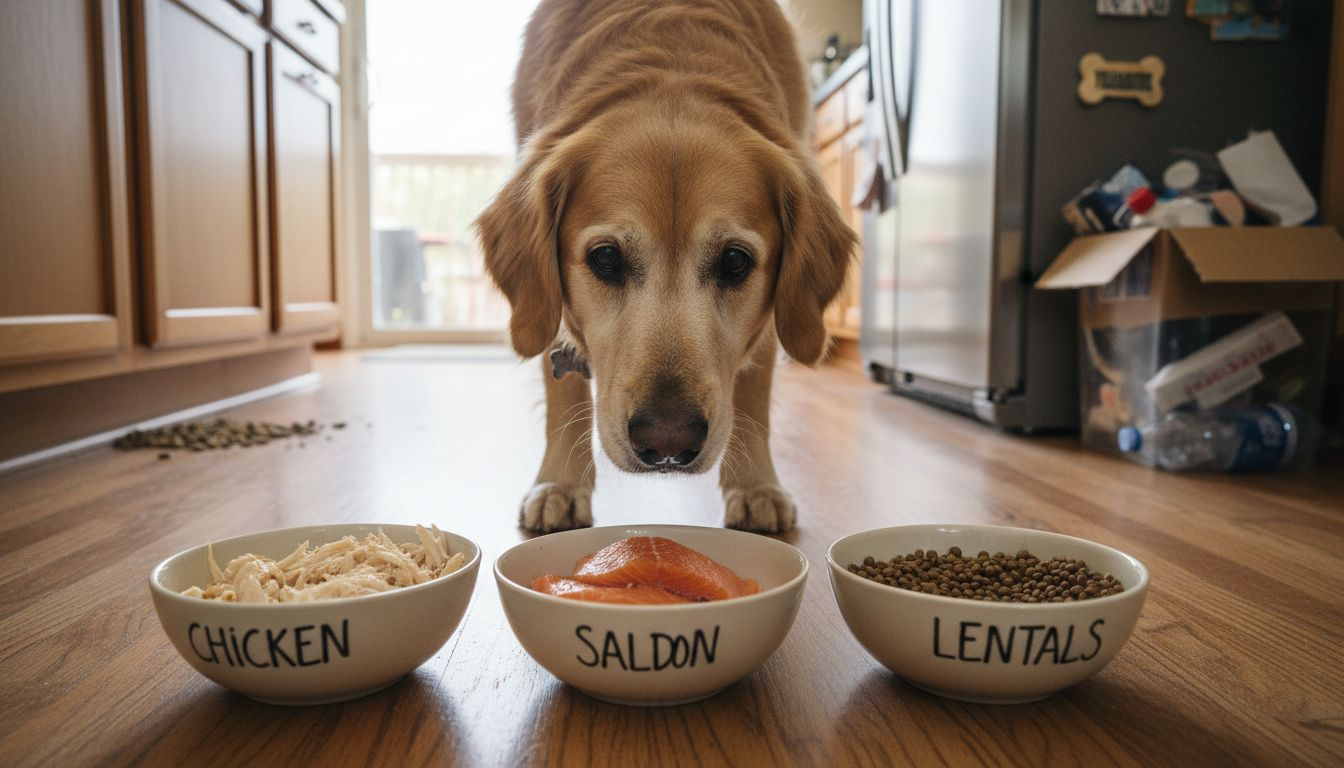
Plant-based proteins offer an interesting alternative, though they typically require more strategic nutritional planning. Legumes, soy, and certain grains can supplement animal proteins but often lack the complete amino acid spectrum dogs need for optimal health. Nutritional research demonstrates that combining different protein sources can help create a more balanced nutritional profile, ensuring dogs receive all essential amino acids necessary for muscle maintenance, immune function, and overall vitality.
The quality of protein sources directly impacts a dog’s metabolic performance, cellular regeneration, and long-term health outcomes. Factors like protein digestibility, amino acid composition, and biological value play critical roles in determining nutritional effectiveness. Premium protein sources not only support muscle development but also contribute to enzyme production, hormone regulation, and robust immune system function. Veterinary nutritionists recommend selecting protein sources that are minimally processed and closest to their natural state to maximize nutritional benefits.
Pro tip: Rotate protein sources in your dog’s diet to provide a diverse range of amino acids and prevent potential nutritional monotony.
Here’s how common protein sources compare for canine nutrition:
Protein Source | Amino Acid Completeness | Digestibility Level | Typical Biological Value |
Chicken | Complete | High | Above 90% |
Beef | Complete | High | 80-90% |
Fish | Complete | High | About 80% |
Eggs | Complete | Very High | >90% |
Soy | Incomplete | Moderate | 70-75% |
Legumes | Incomplete | Moderate | 60-70% |
Grain | Incomplete | Moderate to Low | 50-65% |
Life Stages and Individual Needs for Protein
Nutritional requirements for dogs are anything but uniform, with protein needs dramatically shifting across different life stages and individual circumstances. Puppies represent a unique nutritional category, demanding higher protein concentrations to fuel their explosive growth and development. These young dogs require protein levels significantly higher than adult dogs to support rapid muscle formation, bone development, and overall physiological maturation.
Adult dogs transition into a maintenance phase where protein needs become more stabilized and precisely balanced. Factors like breed size, activity level, and overall health status dramatically influence protein requirements. Working dogs, athletes, and highly active breeds typically need more protein to sustain muscle mass and energy expenditure, while less active or senior dogs require carefully modulated protein intake to prevent muscle degradation without overtaxing kidney function.
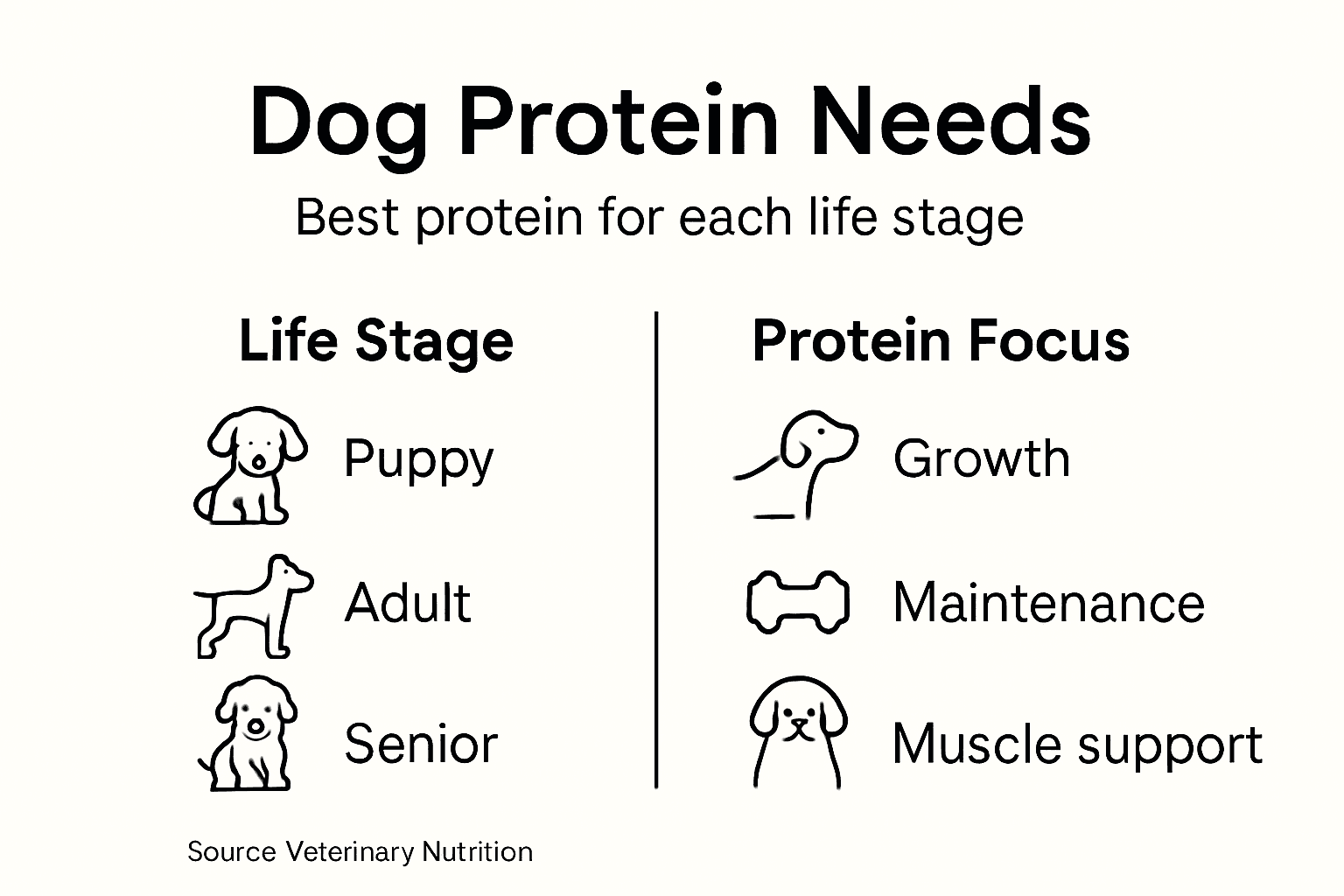
Senior dogs present the most nuanced protein nutritional challenge. Protein guidelines suggest that older dogs need protein sources that are highly digestible and support muscle preservation while protecting organ function. Veterinary nutritionists often recommend protein sources that are lean, easily metabolized, and combined with supportive nutrients that help maintain muscle mass and support aging metabolic processes. The goal shifts from growth to maintenance, requiring a strategic approach to protein selection that supports cellular repair and immune function without placing undue stress on aging physiological systems.
Pro tip: Work with your veterinarian to develop a personalized protein nutrition plan that adapts to your dog’s changing life stage and individual health requirements.
This table summarizes canine protein needs by life stage:
Life Stage | Required Protein Features | Key Benefits | Potential Concerns |
Puppy | High concentration, complete | Supports rapid growth | Deficiency stunts growth |
Adult | Balanced, complete, varied | Maintains muscle, energy | Excess strains kidneys |
Senior | Highly digestible, lean | Preserves muscle, aids organs | Reduces organ stress |
Risks of Low-Quality or Excess Protein Intake
Dietary protein research reveals that protein intake is a delicate balance with significant health implications for dogs. Low-quality proteins can lead to profound nutritional deficiencies, impairing muscle development, immune function, and overall metabolic performance. Dogs require complete protein sources with balanced amino acid profiles to support their complex physiological needs, making the quality of protein far more critical than simple quantity.
Excess protein intake presents equally dangerous health risks. When dogs consume protein beyond their metabolic requirements, the additional protein strain can overwhelm kidney function and potentially trigger metabolic complications. Nutrition guidelines indicate that excessive protein metabolism forces the kidneys to work harder, potentially accelerating age-related organ decline and reducing overall longevity. This metabolic stress can manifest through decreased feed efficiency, potential weight management challenges, and increased risk of kidney dysfunction.
The consequences of inappropriate protein intake extend beyond immediate metabolic responses. Chronic low-quality or imbalanced protein consumption can compromise a dog’s immune system, impair muscle maintenance, and potentially reduce overall lifespan. Veterinary nutritionists emphasize that protein selection is not just about meeting basic nutritional requirements but about providing a precisely calibrated nutritional profile that supports optimal health through every life stage.
Pro tip: Consult with a veterinary nutritionist to develop a personalized protein intake strategy tailored to your dog’s specific breed, age, activity level, and health condition.
Comparing Protein-Rich Diets With Alternatives
Dietary protein strategies reveal a complex landscape of nutritional options for dogs, each with unique advantages and potential limitations. Animal-based protein diets remain the gold standard, offering complete amino acid profiles that most closely match canine metabolic requirements. These protein-rich diets provide highly bioavailable nutrients that support muscle development, immune function, and overall physiological performance with remarkable efficiency.
Plant-based protein alternatives present an interesting nutritional approach, though they require more strategic implementation. While these diets can provide essential nutrients, they often lack the comprehensive amino acid spectrum found in animal proteins. NIH comparative research suggests that protein source diversity can significantly impact metabolic responses, indicating that a balanced approach combining animal and plant proteins might offer the most comprehensive nutritional support for dogs.
Nutritional experts emphasize that protein-rich diets are not about simple quantity but precise quality and balance. Freeze-dried, raw, and high-quality kibble diets each offer unique benefits, with the critical factor being protein digestibility, amino acid composition, and overall nutrient density. The goal is creating a nutritional profile that supports optimal health, muscle maintenance, and cellular regeneration throughout a dog’s entire lifespan.
Pro tip: Consider rotating protein sources to provide a diverse amino acid profile and prevent potential nutritional monotony in your dog’s diet.
Fuel Your Dog’s Longevity with Premium High-Quality Protein
The article highlights a critical challenge many dog owners face: providing high-quality protein that supports muscle maintenance, immune health, and organ function throughout all life stages. It emphasizes the importance of digestible, complete proteins derived from natural sources such as chicken and beef to help your dog thrive and live a longer, healthier life. If you want to avoid the risks linked to low-quality or excess protein intake and ensure your dog receives balanced nutrition, choosing the right diet is essential.
Discover our range of carefully crafted freeze-dried dog foods featuring whole ingredients and premium proteins that meet these exact needs. From our Chicken | Loyal Saints and Beef | Loyal Saints selections to our specially bundled options, every product is designed to support your dog’s vitality with minimal processing and no fillers. Loyal Saints Pets is your trusted partner in providing natural nourishment with veterinarian-approved formulas made for real health benefits.

Choose nutrition that truly honors your dog as family. Visit Loyal Saints Pets now to explore our premium protein-rich meals. Give your dog the gift of longevity and vibrant health today with every balanced bite.
Frequently Asked Questions
What is high-quality protein in dog nutrition?
High-quality protein is defined by its digestibility, amino acid composition, and biological availability. It provides all essential amino acids that dogs cannot produce on their own and is typically sourced from animal ingredients like chicken, beef, fish, and eggs.
Why is protein important for a dog’s health?
Protein is essential for various physiological functions, including muscle maintenance, immune system support, enzyme production, and tissue repair. It ensures dogs can maintain optimal health and combat disease progression.
How can I ensure my dog is getting enough high-quality protein?
To ensure your dog receives adequate high-quality protein, examine the first three ingredients in their food to ensure they are identifiable protein sources like whole meats. It’s also advisable to consult with a veterinarian to define the specific protein needs based on your dog’s age, breed, and activity level.
What are the risks of low-quality protein in dog food?
Low-quality protein can lead to nutritional deficiencies, impaired muscle development, and compromised immune function. Excessive protein intake, on the other hand, can strain the kidneys and lead to metabolic complications, underscoring the importance of balanced, high-quality protein sources.
Recommended
Comments