.png)
How to improve dog vitality with nutrition and lifestyle
- wix mentor

- 49 minutes ago
- 8 min read

TL;DR:
Proper nutrition with high-quality, balanced proteins supports muscle and overall vitality at any age.
Regular, tailored exercise maintains mobility, mental sharpness, and prevents obesity in dogs.
Supplementing with antioxidants, probiotics, and vet-guided nutrients enhances aging dogs’ immune function and longevity.
Watching your dog slow down is hard. One day they’re bounding across the yard, and the next they’re reluctant to get off the couch. The good news is that low energy and dull coats aren’t always signs of inevitable aging. Research shows that targeted nutrition, consistent movement, and smart daily routines can genuinely restore and sustain your dog’s vitality at any life stage. This guide walks you through exactly what to feed, how to move, and what habits to build so your dog can feel their best for years to come. There are plenty of tail wags ahead.
Table of Contents
Key Takeaways
Point | Details |
Prioritize premium nutrition | High-quality proteins, omega-3s, and antioxidants are essential for lasting dog vitality. |
Exercise suits all ages | Consistency in tailored physical and mental activities boosts your dog’s energy and mental health. |
Supplements have a targeted role | Evidence-backed supplements like antioxidants and mushrooms can enhance longevity, especially for seniors. |
Routine care is vital | Dental, vet visits, hydration, and safe routines prevent problems and keep your dog thriving. |
Nutrition essentials: The foundation for dog vitality
Once you understand how vitality connects to daily choices, the first step is getting nutrition right. What your dog eats every single day either builds them up or quietly wears them down. Many owners still follow outdated advice that cuts protein in senior dogs, but current science tells a very different story.
A balanced, high-quality diet with 25-30% protein on a dry matter basis supports muscle maintenance, reduces inflammation, and improves digestion, especially for aging dogs. Protein loss in older dogs, known as sarcopenia, is a real concern. Reducing protein without a specific medical reason can actually speed up muscle decline rather than prevent it.
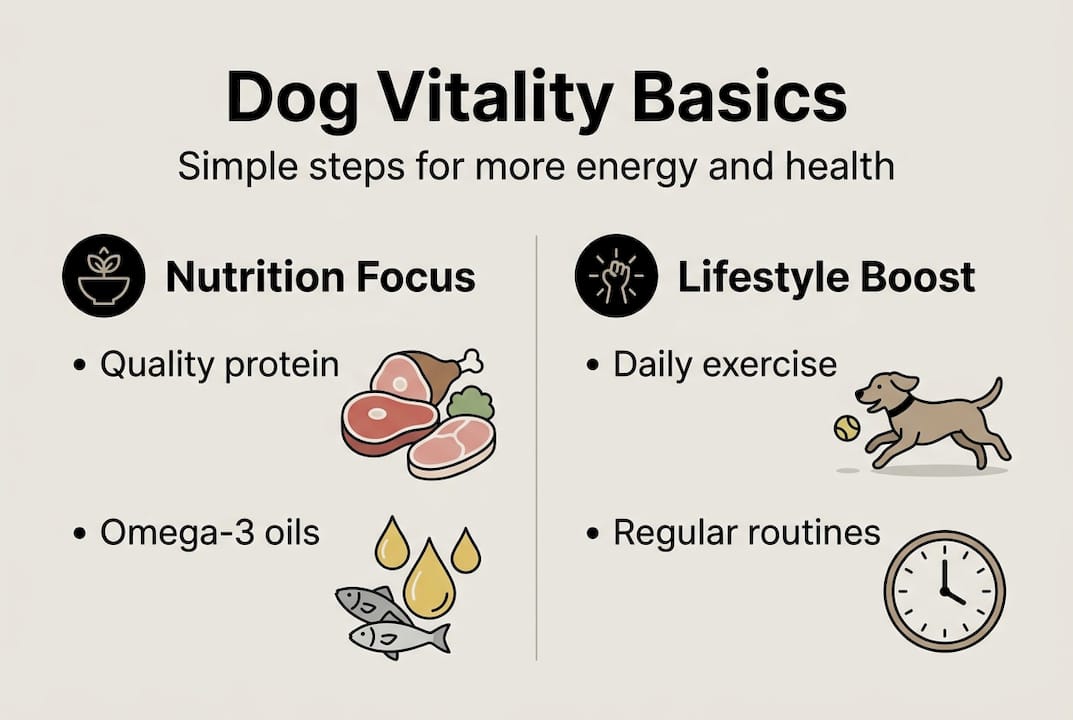
Premium natural nutrition consistently outperforms generic senior formulas that reduce protein unnecessarily. The best sources are whole animal proteins like chicken, beef, salmon, and turkey. These provide complete amino acid profiles that plant proteins simply cannot match.
Here’s a quick look at the top nutrients your dog needs for lasting energy:
Nutrient | Best natural sources | Key benefit |
Animal protein | Chicken, beef, salmon | Muscle maintenance and repair |
Omega-3 fatty acids | Fish oil, sardines | Reduces inflammation, supports coat |
Antioxidants | Blueberries, spinach | Neutralizes cell damage |
Fiber | Sweet potato, pumpkin | Supports healthy digestion |
Beyond protein, omega-3 for dogs is one of the most impactful additions you can make. These fatty acids reduce joint inflammation, support brain function, and keep skin and coat healthy. Leafy greens and berries add antioxidants that fight cellular aging from the inside out.
Key nutrients to prioritize for vitality:
High-quality animal proteins (look for named meats, not by-products)
Fish oil or other omega-3 sources for skin and coat support
Antioxidant-rich fruits and vegetables
Prebiotic fiber for gut health
Balanced senior dog nutrients including B vitamins
It’s worth noting that AAFCO, the organization that sets pet food standards, does not have specific nutritional guidelines for senior dogs. That means many “senior” labeled foods are marketing decisions, not science-backed formulations. This is exactly why evidence-based, vet-guided choices matter so much.
Pro Tip: Rotate between two or three high-quality protein sources every few weeks. This keeps meals interesting and ensures your dog gets a broader range of amino acids and micronutrients for maximum vitality.
Exercise routines: Boosting energy and mental sharpness
After fueling with the right nutrients, movement is the next crucial piece for boosting and sustaining your dog’s vitality. Exercise isn’t just about burning calories. It’s about keeping muscles strong, joints mobile, and minds sharp.
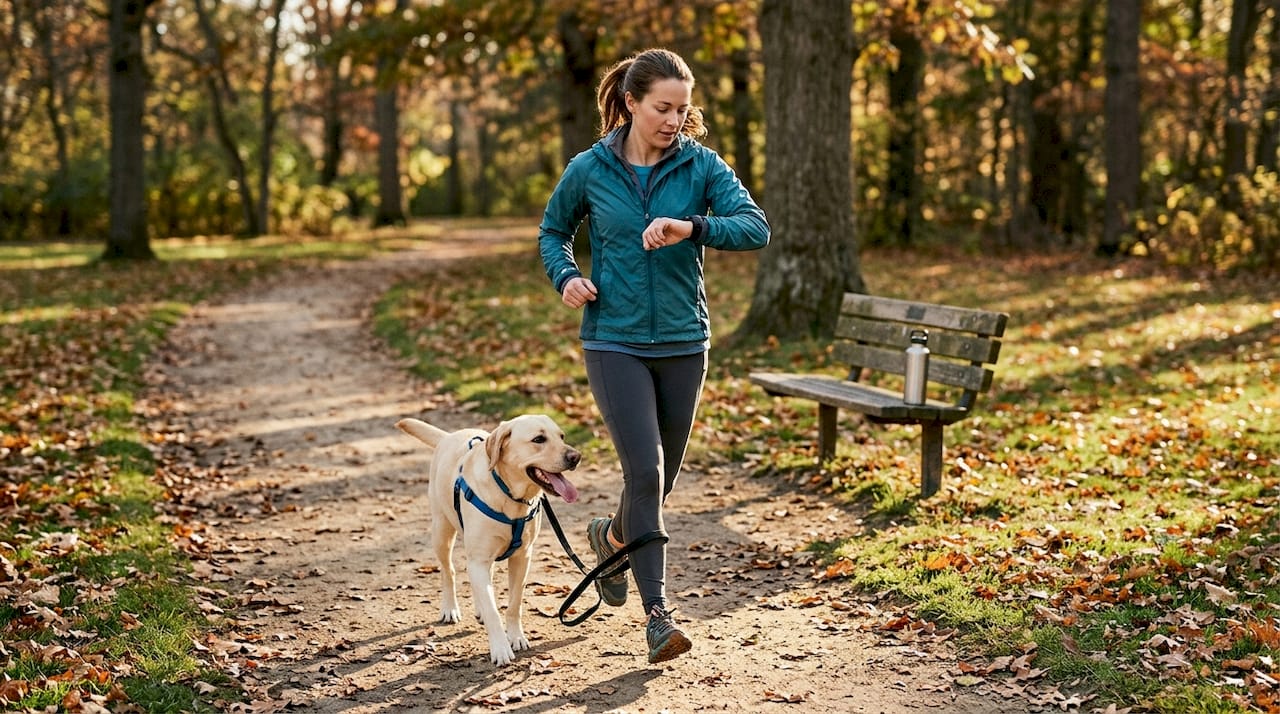
30-60 minutes of daily activity through walks, play, or low-impact activities like swimming helps maintain muscle mass, boost energy levels, and prevent obesity. The key is tailoring the type and intensity to your dog’s age and physical condition.
For senior or mobility-limited dogs, low-impact options work best:
Gentle leash walks on soft surfaces like grass
Swimming or hydrotherapy
Short, frequent play sessions rather than long intense ones
Slow sniff walks that allow exploration at their own pace
For younger, high-energy dogs, you can add agility work, fetch, and off-leash play. The variety keeps them engaged and prevents boredom-driven behaviors.
Mental exercise is just as important as physical movement. Play strengthens the human-dog bond and prevents destructive behaviors by giving your dog an appropriate outlet for their energy and curiosity. Puzzle feeders, scent games, and hide-and-seek with treats all challenge the brain in ways that a simple walk cannot.
Routine movement prevents obesity, improves mood, and extends life. A dog that moves consistently is a dog that ages better.
You can also explore dog-friendly exercise routines that blend physical and mental stimulation for a well-rounded approach to daily activity.
Pro Tip: Use play sessions as mini training opportunities. Ask for a “sit” or “stay” before throwing a ball. This doubles the mental workout and reinforces good behavior, all while building vitality.
Supplements and advanced support for longevity
Good nutrition and exercise create a strong foundation. Targeted supplements add another layer of science-backed support, especially as your dog ages and their body becomes less efficient at absorbing certain nutrients.
Vet-recommended supplements like antioxidants including lutein and grape seed extract, multivitamins, probiotics, and medicinal mushrooms support immune function, vision, and overall vitality in aging dogs. These aren’t replacements for a good diet. They’re reinforcements.
Here’s how the most common supplements compare:
Supplement | Primary benefit | Best for |
Antioxidants (lutein, grape seed) | Neutralizes free radicals, supports vision | Aging dogs, high-oxidative stress |
Turkey tail mushroom | Immune support, extended survival in cancer studies | Senior dogs, immune challenges |
Probiotics | Gut health, immune balance | Dogs with digestive issues |
Multivitamins | Fills nutritional gaps | All life stages |
Fish oil (omega-3) | Reduces inflammation, coat health | All dogs, especially seniors |
How to introduce supplements safely:
Start with one supplement at a time so you can monitor your dog’s response
Use the lowest effective dose recommended by your vet
Give supplements with food to reduce the chance of stomach upset
Track changes in energy, coat, or digestion over 4-6 weeks
Reassess with your vet every 6 months as your dog’s needs evolve
For deeper reading on what works, check out these resources on vitality supplements for dogs, immune-boosting nutrients, herbal immunity boosters, dog antioxidants explained, and senior dog immune support.
One important caution: fat-soluble vitamins like A, D, E, and K accumulate in the body and can reach toxic levels if over-supplemented. Always follow vet guidance and avoid stacking multiple products that contain the same nutrients.
Pro Tip: Consult your vet before adding any supplement, especially if your dog is on medication. Age, breed, and existing health conditions all affect which supplements are appropriate and at what dose.
Routine care, hydration, and creating thriving environments
Finally, day-to-day maintenance practices keep your dog thriving and catch any health problems before they undermine vitality. The basics matter more than most owners realize.
Routine vet checkups, vaccinations, parasite control, dental care, and grooming are the backbone of preventive health. Catching a dental infection or weight gain early is far easier and less costly than treating advanced disease.
A practical routine care checklist:
Schedule vet visits twice yearly for dogs over 7 years old
Brush teeth or use dental chews at least three times per week
Check weight monthly and adjust food portions as needed
Keep up with flea, tick, and heartworm prevention year-round
Groom regularly to monitor skin, coat, and any new lumps
Hydration is often overlooked but is critical for kidney function, digestion, and energy. Fresh water should always be available, and wet or freeze-dried foods can contribute meaningful moisture to your dog’s daily intake.
Feeding practices also matter more than most people expect. Time-restricted feeding may improve cognitive function and reduce gastrointestinal and renal issues in dogs. Once-daily feeding, when appropriate for your dog’s age and health, has shown promising results in research settings.
Two common mistakes that quietly chip away at vitality: skipping dental care and inconsistent grooming. Dental disease affects the majority of dogs over three years old and can lead to systemic infections that impact heart, kidney, and liver health. Grooming isn’t just cosmetic. It’s a chance to check for parasites, skin irritation, and changes in body condition.
For dogs managing specific health challenges, understanding support for dogs with kidney issues and dog brain health nutrition can help you make more targeted choices.
Pro Tip: Use feeding time as a bonding and training moment. Ask your dog to sit or perform a simple command before placing the bowl down. It reinforces calm behavior, builds your connection, and adds a small but meaningful mental workout to every meal.
Why most advice about dog vitality misses the mark
Understanding the importance of routine care sets the stage for cutting through misinformation about dog vitality. Here’s the uncomfortable truth: a lot of pet food marketing is built on trends, not science. Labels like “senior formula” or “natural” don’t automatically mean the food is right for your dog.
We see this most clearly with protein. Decades of advice told owners to reduce protein in older dogs to protect the kidneys. Current research shows that for most healthy senior dogs, lower protein actually accelerates muscle loss. The real issue is protein quality, not quantity. Whole animal proteins from natural nutrition for vitality are far more bioavailable than cheap plant-based fillers.
Real improvement shows up in behavior and physical markers, not on packaging. Is your dog’s coat shinier? Are they getting up more easily in the morning? Are they interested in play again? These are the signals that matter.
The best thing you can do is work with a vet who understands nutrition, pay close attention to your individual dog’s responses, and resist the pull of one-size-fits-all solutions. Your dog is a family member. They deserve decisions made for them specifically, not for the average dog on a label.
Elevate your dog’s vitality with premium solutions
Ready to take the next step? Here’s how you can apply these strategies with science-led support.
At Loyal Saints, every product is built around the same principles this guide covers: high-quality animal proteins, no fillers, no artificial additives, and balanced nutrition that meets AAFCO standards. Our freeze-dried foods preserve the nutritional integrity of whole ingredients in a way that kibble simply cannot match.

If you want to understand why freeze dried is one of the most effective ways to deliver fresh nutrition, start there. Then browse our full range of natural dog nutrition options designed to support energy, muscle health, and longevity. Loyal Saints is here to help you give your dog the vibrant, active life they deserve.
Frequently asked questions
What are the top signs of low vitality in dogs?
Look for lethargy, decreased appetite, a dull or thinning coat, and reduced interest in play or walks. These signals often appear gradually, so consistent observation is key.
How much protein should a senior dog get for optimal vitality?
Senior dogs need 25-30% protein on a dry matter basis to combat muscle loss and support overall health. Always confirm the right amount with your vet based on your dog’s individual condition.
How often should dogs exercise for peak energy?
Most dogs thrive with 30-60 minutes of daily exercise, adjusted for their age and physical ability. Seniors benefit from shorter, more frequent sessions rather than one long outing.
Do all dogs benefit from supplements for vitality?
Many dogs benefit from antioxidants, multivitamins, and probiotics, but the right combination depends on your dog’s age, breed, and health status. A vet consultation is the safest starting point.
Are once-daily feeding or time-restricted diets safe for dogs?
Once-daily feeding linked to better cognition and lower rates of gastrointestinal and renal issues in research, but this approach should be tailored with vet guidance to suit your dog’s specific needs.
Recommended
Comments