.png)
How to Improve Dog Digestion Naturally for Better Health
- Nick Willkom
- Jan 6
- 7 min read

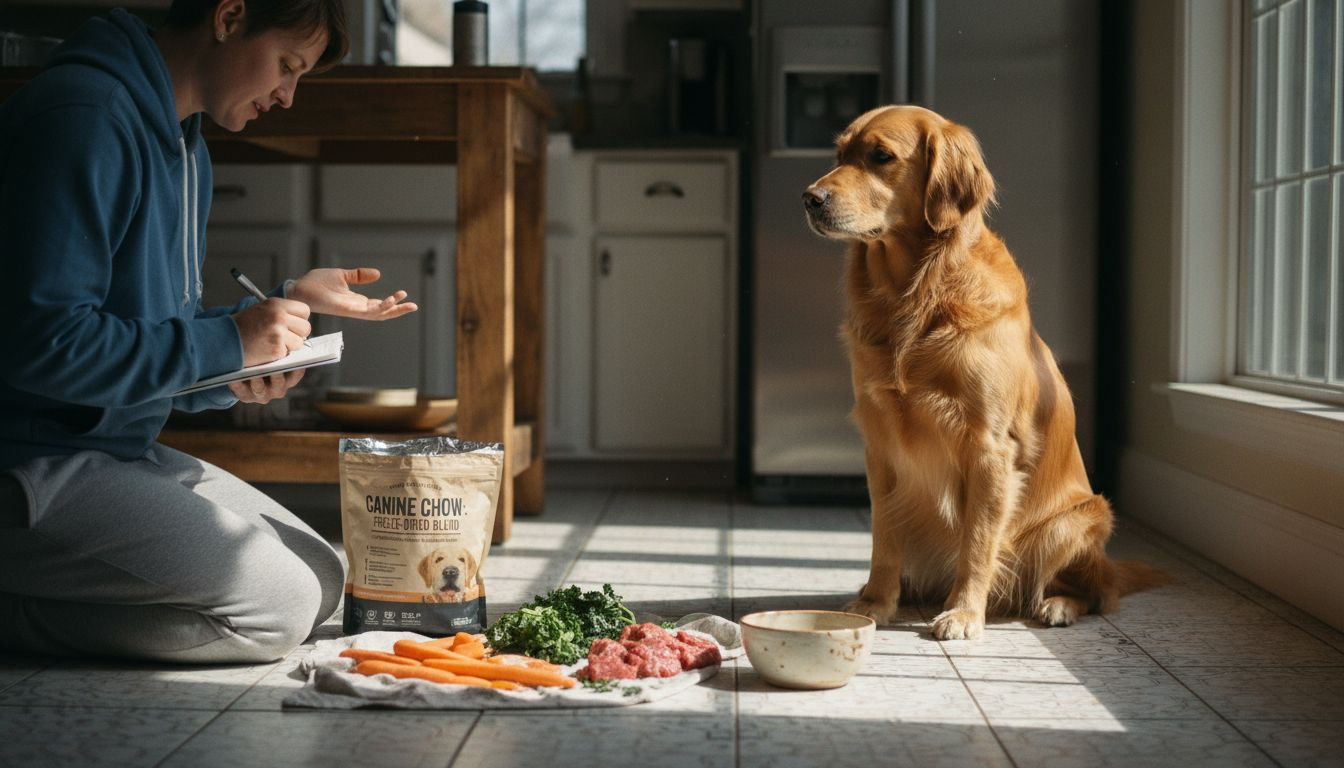
Most American dog owners are surprised to learn that digestive issues affect nearly half of city dogs each year. Finding a food that truly supports your pet’s gut can be a challenge, especially when ingredient lists seem complicated and symptoms go unnoticed. By taking a closer look at your dog’s current diet and exploring premium, vet-approved freeze-dried options, you can make confident changes to help your canine companion thrive in any American urban environment.
Table of Contents
Quick Summary
Key Point | Explanation |
1. Assess Your Dog’s Diet Regularly | Track food intake, stool quality, and energy levels to identify any digestive issues early on. |
2. Switch to Premium Freeze-Dried Food | Upgrade to high-quality freeze-dried nutrition for better digestion and nutrient retention in your dog’s diet. |
3. Establish Digestive-Friendly Habits | Create a routine with regular meal times, easy-to-digest foods, and hydration to enhance digestive health. |
4. Monitor Digestion Progress | Keep a log of your dog’s stool, appetite, and behavior to catch any gastrointestinal problems quickly. |
5. Adjust Diet for Optimal Health | Regularly evaluate and adjust your dog’s nutrition based on their health needs, life stage, and veterinary advice. |
Step 1: Assess Your Dog’s Current Diet
Evaluating your dog’s dietary intake is a critical first step in improving their digestive health. Understanding the signs and nutritional needs of your canine companion can help prevent potential digestive issues before they become serious problems.
Start by closely observing your dog’s current food and tracking their digestive responses. Understanding key nutrition markers will help you determine if their current diet meets their nutritional requirements. Look for indicators such as stool consistency, energy levels, coat health, and any signs of gastrointestinal discomfort. Pay attention to symptoms like excessive gas, irregular bowel movements, or frequent vomiting, which might suggest your dog’s current diet is not ideal.
To conduct a thorough assessment, review your dog’s food ingredients, protein sources, and overall nutritional balance. Check the packaging for information about protein content, amino acids, and whether the food meets AAFCO standards. Digestive health signs like persistent stomach upset or changes in appetite can signal that a dietary adjustment might be necessary.
Pro tip: Consider keeping a weekly food and health journal to track your dog’s dietary responses and identify patterns that might indicate nutritional imbalances.
Step 2: Upgrade to Premium Freeze-Dried Nutrition
Upgrading your dog’s diet to premium freeze-dried nutrition represents a strategic approach to enhancing their overall digestive health and nutritional intake. This step involves selecting a high-quality food that supports optimal wellness and provides comprehensive nutritional benefits.
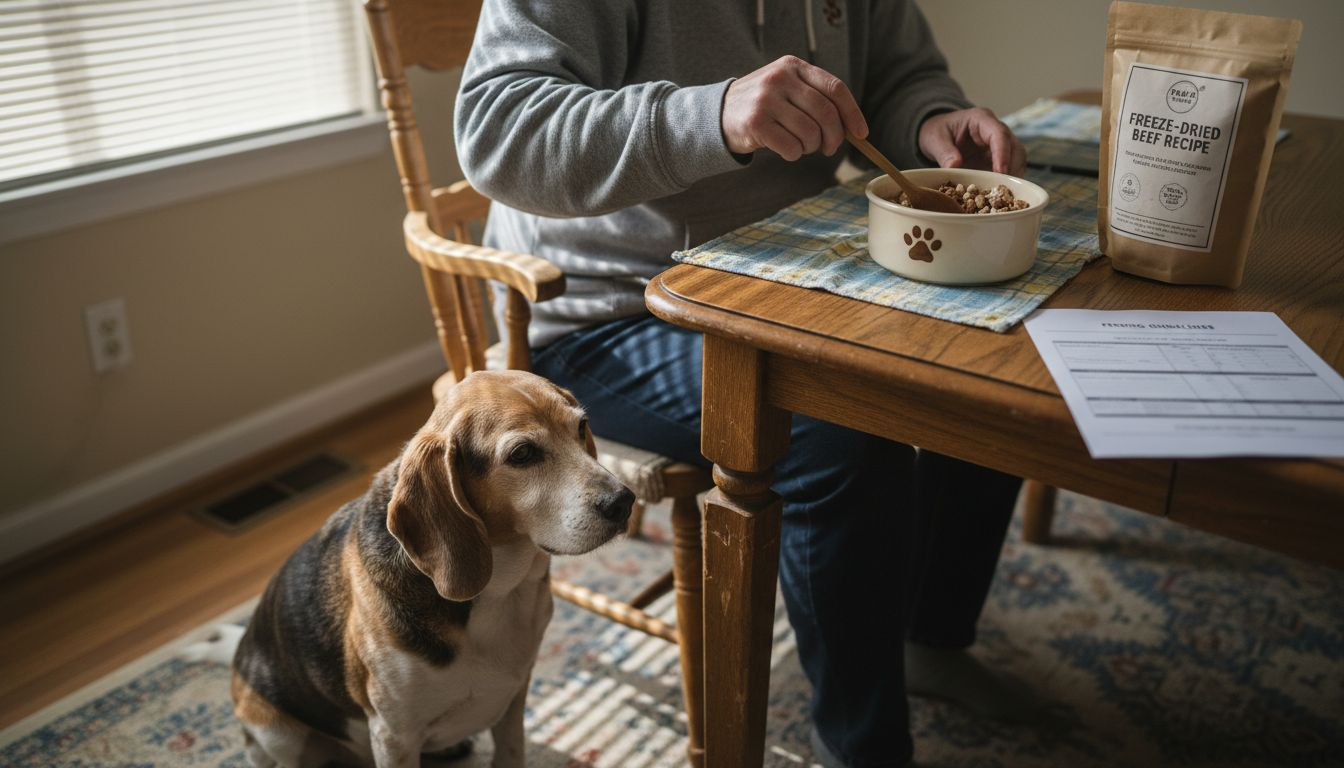
Nutrient preservation techniques make freeze-dried dog food an exceptional choice for pet owners seeking a nutrient-dense diet. Unlike traditional processing methods, freeze-drying can retain up to 90% of the original food’s nutritional value, ensuring your dog receives maximum vitamins, minerals, and protein. Look for products with minimal additives, high-quality protein sources, and a complete nutritional profile that matches your dog’s specific life stage and health requirements.
When transitioning to freeze-dried nutrition, introduce the new food gradually by mixing it with your current dog food. Start with a ratio of 25% new food to 75% existing food, and slowly increase the proportion over 7 to 10 days. This approach helps prevent digestive upset and allows your dog’s system to adapt to the new nutritional profile. Probiotics for digestive support can further enhance the transition, supporting a healthy gut microbiome and improving overall digestive function.
Pro tip: Consult with your veterinarian to select a freeze-dried food that precisely matches your dog’s unique nutritional needs and health profile.
Here’s a quick comparison of dog food types and their impact on digestive health:
Dog Food Type | Nutritional Value | Digestive Impact | Preservation Method |
Kibble (Dry Food) | Moderate | Can cause stool issues | High heat extrusion |
Wet/Canned Food | High moisture | Easier to digest | Canning and sterilization |
Freeze-Dried Food | High retention | Supports gut health | Freeze drying, minimal heat |
Raw Diet | Variable | Can be hard to balance | Unprocessed, needs handling |
Step 3: Incorporate Digestive-Friendly Habits Daily
Establishing a consistent routine of digestive-friendly habits can significantly improve your dog’s overall health and wellness. This step focuses on creating daily practices that support optimal digestive function and prevent potential gastrointestinal issues.
Daily nutrition strategies play a crucial role in maintaining your dog’s digestive health. Begin by establishing a regular feeding schedule with consistent meal times and portion sizes. Choose easily digestible foods like boiled chicken, plain rice, or pumpkin as occasional dietary supplements. Avoid feeding table scraps or high fat foods that can disrupt your dog’s digestive system. Ensure fresh water is always available and monitor your dog’s hydration levels throughout the day.
Regular exercise and consistent routine are key components of supporting digestive wellness. Short walks after meals can help stimulate gastrointestinal motility and promote healthy digestion. Dog nutrition recommendations suggest tailoring your approach to your dog’s specific life stage and individual health requirements. Pay attention to your dog’s stool consistency, energy levels, and overall behavior as indicators of digestive health. If you notice persistent irregularities, consult with your veterinarian to rule out any underlying health concerns.
Pro tip: Keep a daily log of your dog’s eating habits, stool quality, and energy levels to help track digestive health trends and identify potential issues early.
The following table summarizes key daily habits and their benefits for your dog’s digestive system:
Habit | Benefit | Implementation Tip |
Regular feeding times | Reduces digestive stress | Feed at set hours daily |
Fresh water access | Prevents dehydration | Refill bowl twice daily |
Light exercise post-meal | Aids digestion | Short walk after eating |
Digestible treats | Minimizes GI upset | Use pumpkin or rice |
Step 4: Monitor Your Dog’s Digestion Progress
Tracking your dog’s digestive health is a critical step in maintaining their overall wellness and catching potential issues early. This process involves careful observation and systematic documentation of your dog’s gastrointestinal performance and overall nutritional response.

Digestive system monitoring requires careful attention to several key indicators. Observe your dog’s stool consistency daily looking for signs of normal brown coloration, formed texture, and regular frequency. Pay attention to any sudden changes such as loose stools, constipation, excessive gas, or unusual odors. Track your dog’s appetite patterns recording any unexpected increases or decreases in food consumption. Watch for additional symptoms like vomiting, lethargy, or abdominal discomfort that might signal underlying digestive concerns.
Dog digestive health tracking becomes more effective when you create a systematic documentation process. Consider using a dedicated journal or digital tracking app to record daily observations. Note the time of meals, portion sizes, type of food consumed, and any supplemental treats. Document stool quality using a standardized scale that describes color, consistency, and volume. Include additional notes about your dog’s energy levels, water intake, and overall behavior. If you notice persistent irregularities or concerning symptoms lasting more than 24 to 48 hours, schedule a veterinary consultation to rule out potential health issues.
Pro tip: Take clear smartphone photos of your dog’s stool as a reference for veterinary discussions, which can provide valuable diagnostic information.
Step 5: Verify and Adjust for Optimal Health
Ensuring your dog maintains peak digestive wellness requires ongoing assessment and strategic adjustments to their nutrition and lifestyle. This final step focuses on creating a proactive approach to monitoring and fine-tuning your dog’s overall health and dietary needs.
Nutrition optimization strategies involve carefully evaluating your dog’s current diet and making informed adjustments. Consider your dog’s age, activity level, weight, and specific health requirements when assessing nutritional needs. Regularly check your dog’s body condition, looking for signs of weight gain or loss that might indicate dietary imbalances. Pay attention to their energy levels, coat quality, and overall vitality as key indicators of nutritional adequacy.
Veterinary diet recommendations suggest working closely with your veterinarian to develop a tailored nutrition plan. Schedule periodic health check ups to discuss your dog’s dietary requirements and potential modifications. Be cautious of trendy diet fads and focus on scientifically backed nutrition that meets your dog’s specific life stage needs. Avoid grain-free diets unless specifically recommended by your veterinarian, as these have been associated with potential health risks in some dogs.
Pro tip: Create an annual nutrition review calendar to systematically track and update your dog’s dietary plan with professional veterinary guidance.
Enhance Your Dog’s Digestion Naturally with Loyal Saints Pets
Improving your dog’s digestion naturally involves making mindful dietary choices, just like upgrading to a premium freeze-dried nutrition plan. Many pet owners struggle with finding nutrient-dense, minimally processed foods that support digestive health without additives or fillers. Loyal Saints Pets understands these challenges and offers a range of freeze-dried dog foods crafted from human-grade whole ingredients designed to promote gut health, vitality, and longevity. By choosing products that align with the concepts of balanced nutrition and nutrient preservation highlighted in this article, you can support your dog’s digestive system every day.
Experience the benefits of veterinarian-approved, freeze-dried nutrition that helps reduce digestive discomfort and improves stool consistency. Take the first step toward a healthier digestive routine by exploring our premium natural pet foods at Loyal Saints Pets. To learn more about improving your dog’s digestion naturally, check out our trusted solutions and place your order now for free shipping on qualifying purchases. Your dog deserves the best digestive care available.
Frequently Asked Questions
How can I assess my dog’s current diet for digestive health?
Start by closely observing your dog’s food and tracking their digestive responses. Look for signs like stool consistency, energy levels, and any gastrointestinal discomfort to determine if their diet meets their nutritional needs.
What are the benefits of upgrading to premium freeze-dried nutrition for my dog?
Upgrading to premium freeze-dried nutrition can enhance your dog’s overall digestive health by providing nutrient-dense food that retains up to 90% of its original nutritional value. Choose high-quality freeze-dried options and transition slowly to support easier digestion over 7 to 10 days.
What daily habits can I incorporate to support my dog’s digestion?
Establish daily habits such as regular feeding times and providing fresh water to support optimal digestive function. Engage your dog in light exercise after meals, like short walks, to aid digestion and help maintain overall wellness.
How can I effectively monitor my dog’s digestion progress?
To effectively monitor your dog’s digestion, keep a detailed journal of their stool quality, eating habits, and any changes in energy levels. Document daily observations and look for signs of irregularities to address potential health concerns promptly.
What steps should I take to optimize my dog’s nutrition for better digestion?
Regularly evaluate your dog’s diet based on their age, activity level, and specific health requirements. Consider creating an annual nutrition review calendar to systematically update their dietary plan and maintain peak digestive wellness.
Recommended
Comments