.png)
How to Feed Freeze Dried Dog Food Naturally at Home
- Nick Willkom
- Dec 29, 2025
- 8 min read

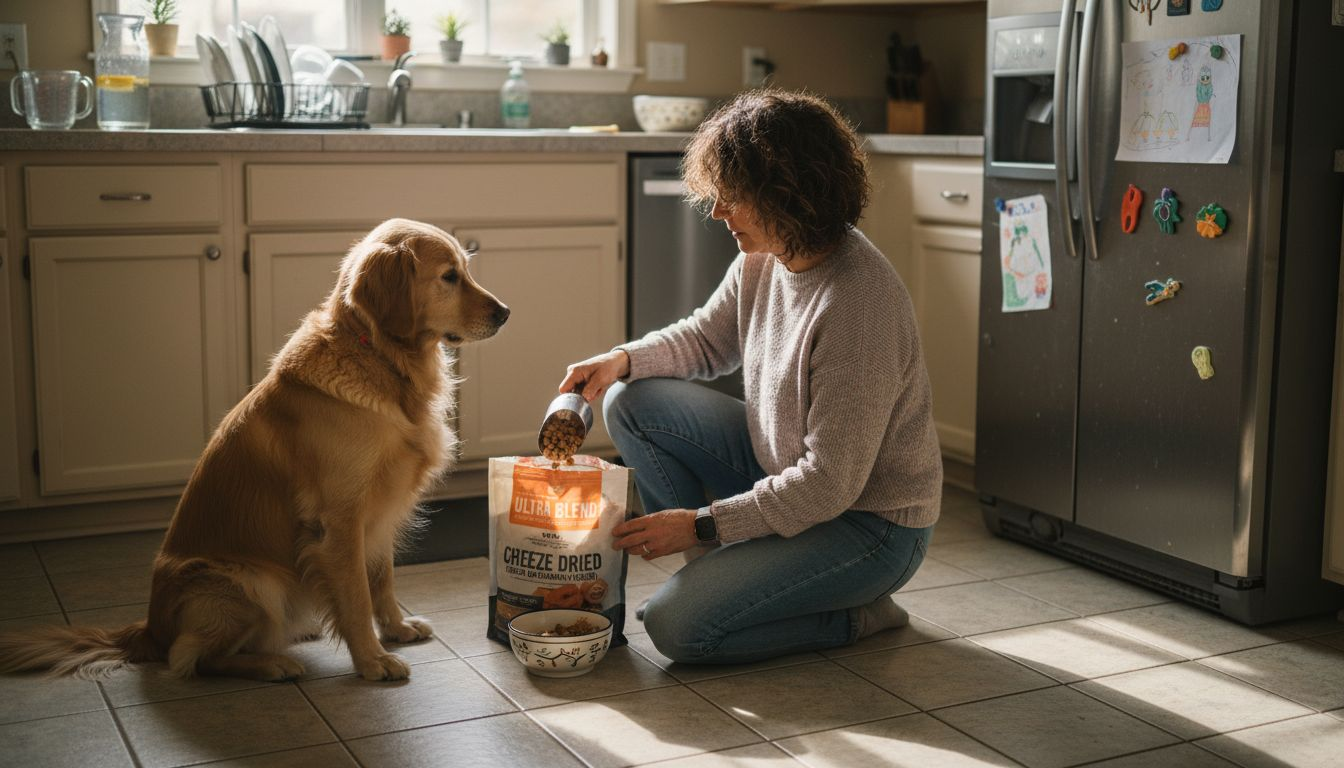
Over half of American pet parents now choose premium, freeze-dried food for their dogs, recognizing the remarkable impact on both convenience and nutrition. For modern women balancing busy urban lives, selecting the right meal matters just as much for furry companions as it does for family. This simple but effective step-by-step guide unpacks the smartest way to provide wholesome, crave-worthy freeze-dried meals that keep your American dog satisfied, healthy, and thriving.
Table of Contents
Quick Summary
Key Insight | Explanation |
1. Prioritize Whole Proteins | Select freeze dried dog food with whole protein sources like chicken or fish as the main ingredient for better nutrition. |
2. Measure Portions Accurately | Weigh your dog and follow feeding guidelines to ensure they receive the right daily portion based on their weight and activity levels. |
3. Rehydrate with Care | Use a 1:1 ratio of water to freeze dried food and allow proper soaking time to restore nutrients and improve palatability. |
4. Maintain Clean Feeding Dishes | Regularly clean your dog’s food bowls with hot soapy water to prevent bacteria growth and ensure their health. |
5. Monitor Health Changes | Keep track of changes in your dog’s energy levels, coat quality, and digestion to assess how well they adapt to the new food. |
Step 1: Select the Appropriate Freeze Dried Dog Food
Choosing the right freeze dried dog food requires careful consideration to ensure your furry friend receives optimal nutrition. By selecting a high quality product that matches your dog’s unique dietary needs, you set the foundation for their health and wellbeing.
Start by examining the ingredient list closely, prioritizing whole protein sources like chicken, beef, or fish as the primary component. Homemade approaches demonstrate the importance of selecting fresh, whole proteins and vegetables that are safe and nutritionally balanced for canine consumption. Look for minimal processing and avoid products with artificial preservatives, unnecessary fillers, or chemical additives that could compromise your dog’s nutritional intake.
Consider your dog’s specific health requirements when making your selection. Some dogs need grain-free options, while others might require limited ingredient formulas to manage allergies or sensitivities. Customizable food options allow pet owners to tailor nutrition precisely to individual preferences and dietary needs, ensuring your dog receives exactly what their body requires.
Pro tip: Consult with your veterinarian to determine the most appropriate freeze dried food formula for your dog’s age, weight, activity level, and specific health conditions.
Here is a summary of key factors to consider when selecting freeze dried dog food:
Factor | Why It Matters | Example Considerations |
Protein Source | Supports muscle health and energy | Chicken, beef, fish are preferred |
Ingredient Quality | Improves digestibility and nutrition | Whole foods, limited additives |
Special Dietary Needs | Addresses allergies or sensitivities | Grain-free, novel proteins |
Processing Level | Preserves nutrients and taste | Minimal processing, no fillers |
Step 2: Measure the Correct Daily Portion
Measuring the precise daily portion of freeze dried dog food is crucial for maintaining your dog’s optimal health and weight. Understanding how to calculate the right amount ensures your pet receives balanced nutrition tailored to their individual needs.
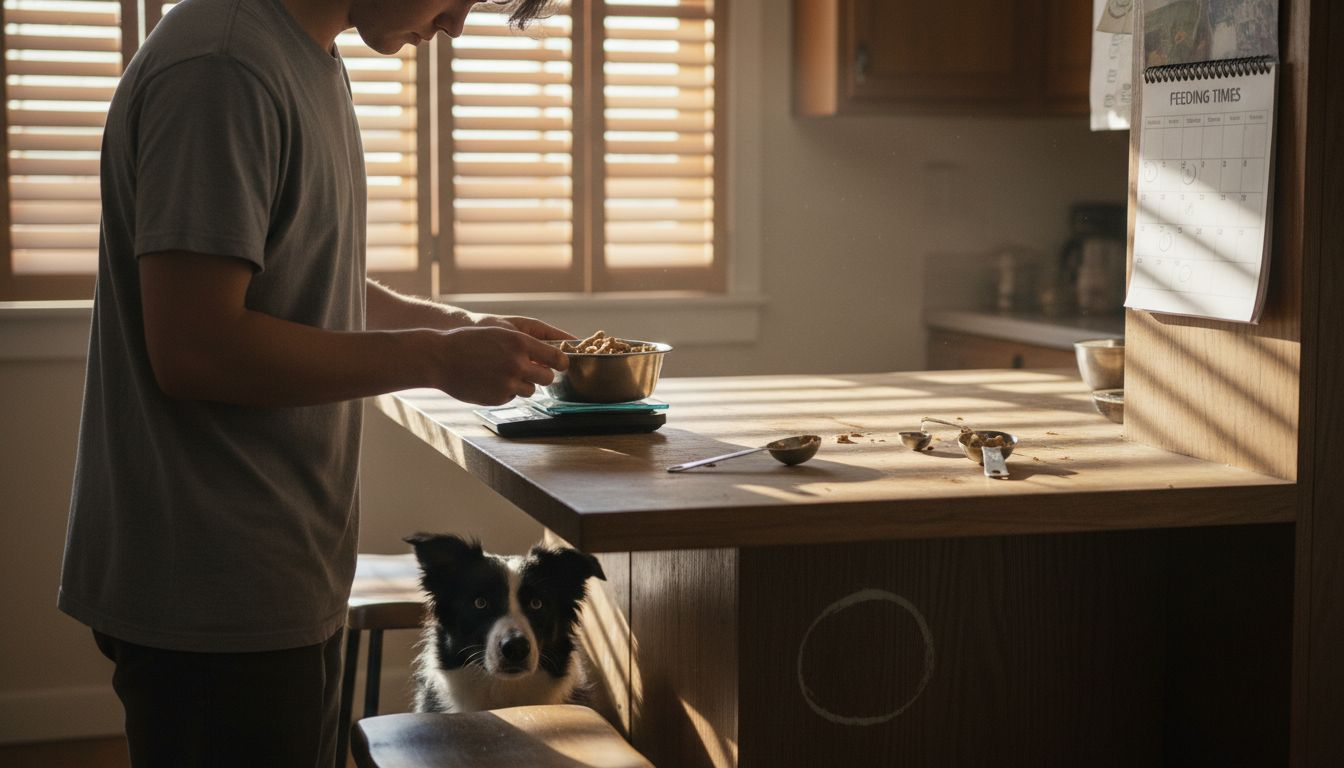
Determining the correct portion depends on several key factors including your dog’s weight, age, and activity level. Start by checking the feeding guidelines on your specific freeze dried food package, which typically provide recommended serving sizes based on your dog’s weight range. Generally, most adult dogs require approximately 2-3% of their body weight in daily food intake, but this can vary significantly depending on metabolism, exercise level, and overall health.
To calculate the exact portion, weigh your dog and consult both the product packaging and your veterinarian. Active dogs and puppies might need slightly larger portions, while senior or less active dogs will require smaller amounts. Always measure food using a standard measuring cup and adjust gradually if you notice changes in your dog’s weight or energy levels. Pay close attention to your pet’s body condition, looking for signs of healthy weight maintenance or potential over or underfeeding.
Pro tip: Keep a consistent feeding schedule and use the same measuring tools to ensure accurate portioning every single meal.
This table compares body weight percentages recommended for freeze dried dog food portions for different dog age groups:
Dog Age Group | Portion (% Body Weight) | Feeding Frequency |
Puppy | 3-4% | 3 meals daily |
Adult | 2-3% | 2 meals daily |
Senior | 2% | 1-2 meals daily |
Step 3: Rehydrate Food with Fresh Water
Rehydrating freeze dried dog food transforms dry ingredients into a nutritious, palatable meal that supports your dog’s hydration and digestive health. This simple process helps restore moisture and maximize the nutritional value of the food.
The rehydration process typically involves adding water in a specific ratio to ensure optimal consistency and nutrient absorption. Most freeze dried foods require a 1:1 ratio of water to food by weight typically allowing 10-15 minutes for complete absorption. Use room temperature or slightly warm water rather than boiling hot liquid, which can potentially degrade the food’s nutritional content. For added flavor and nutrition, you can substitute water with low sodium chicken or beef broth especially for picky eaters or dogs needing extra encouragement.
Pay attention to your specific brand’s recommendations, as water absorption can vary slightly between different freeze dried food formulations. Stir the food gently to ensure even hydration and let it sit until it reaches a soft, easily chewable consistency. For elderly dogs or those with dental sensitivities, you might want to mash the rehydrated food slightly to make it easier to consume. Always monitor your dog’s response to the rehydrated food and adjust the water quantity if needed to achieve their preferred texture.
Pro tip: Use a clear measuring cup when rehydrating to track water quantity precisely and maintain consistent meal preparation.
Step 4: Serve the Meal in a Clean Dish
Serving your dog’s freeze dried meal requires careful attention to cleanliness and hygiene to ensure your pet’s health and safety. Proper dish preparation is more than just a routine task its a critical step in preventing potential foodborne illnesses.
Research confirms that washing pet food bowls with hot soapy water after each use significantly reduces bacterial contamination. Choose a dedicated pet food bowl that is dishwasher safe and made from non porous materials like stainless steel or ceramic, which are easier to clean thoroughly. Before serving, wash the dish with hot water and mild dish soap, scrubbing all surfaces to remove any food residue or potential bacteria. Rinse the bowl completely to ensure no soap remains that could upset your dog’s stomach.
Establish a consistent cleaning routine for your dog’s feeding area. Avoid using the same utensils for measuring and serving to prevent cross contamination. Store clean dishes in a dry, dust free area and replace them if they become scratched or damaged, as these imperfections can harbor harmful bacteria. Consider having multiple bowls so you can rotate them while one set is being cleaned, ensuring your dog always has a fresh, sanitized dish for every meal.
Pro tip: Designate a separate sponge or scrub brush exclusively for pet dishes to prevent potential cross contamination with human dishes.
Step 5: Monitor Your Dog’s Response and Health
Transitioning to freeze dried dog food requires careful observation and ongoing assessment of your dog’s overall health and wellbeing. This step is crucial for understanding how the new diet impacts your pet’s physical condition and digestive system.
Tracking your dog’s health involves comprehensive monitoring of multiple key indicators including energy levels, coat quality, stool consistency, and appetite, ensuring the new diet supports optimal nutrition. Start by establishing a baseline of your dog’s current health before introducing freeze dried food, then document weekly changes such as weight, muscle tone, skin condition, and digestive performance. Pay special attention to signs of potential allergic reactions or sensitivities, which might manifest as changes in coat shine, skin irritation, or unusual bathroom habits.
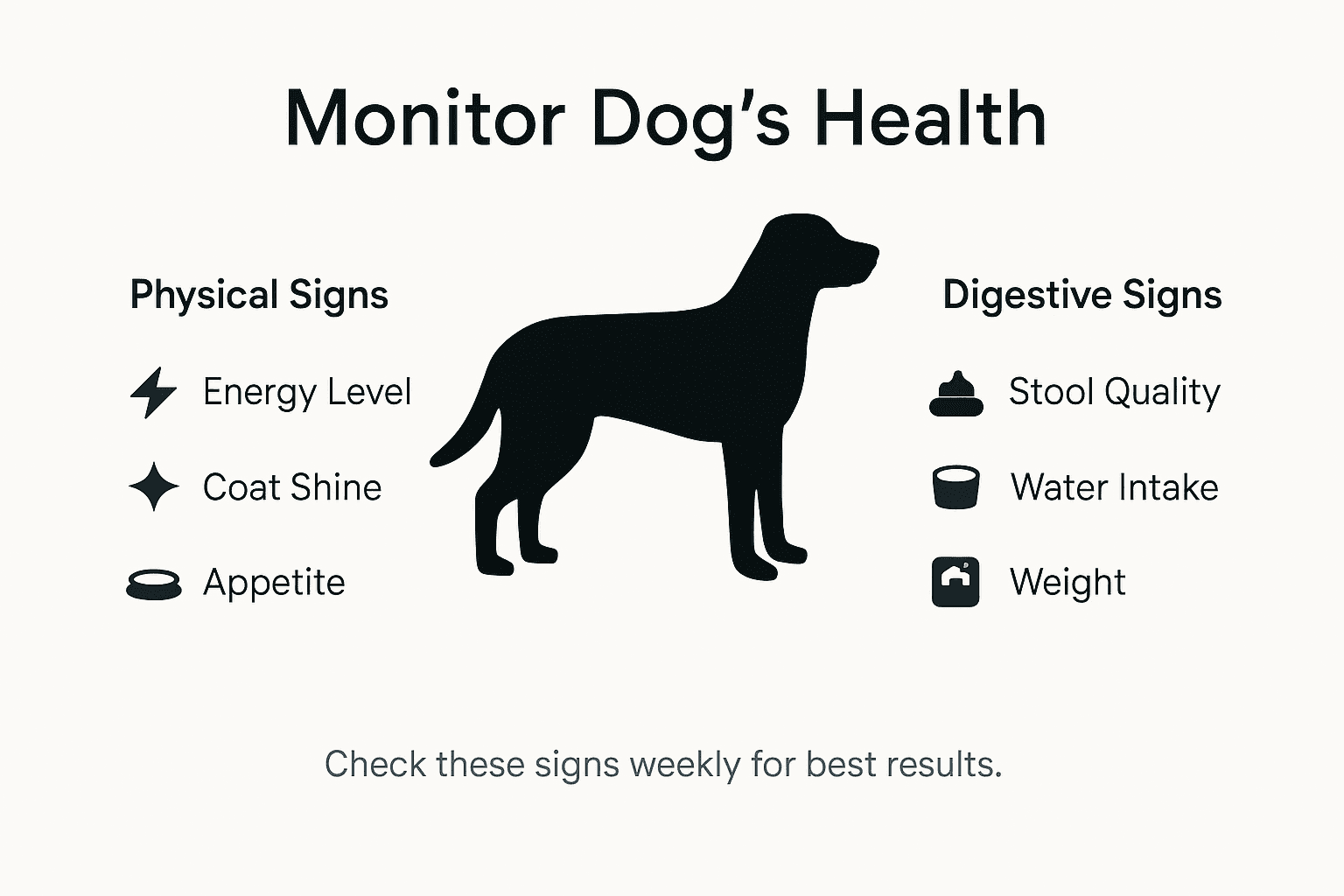
Consult with your veterinarian during this transition period to perform periodic health assessments and blood work. These professional checkups can help validate that the new diet provides balanced nutrition and identify any subtle health shifts that might not be immediately apparent. Keep a detailed journal documenting your observations tracking factors like meal enthusiasm, energy spikes, sleep patterns, and overall vitality. Remember that every dog responds differently to dietary changes, so patience and attentive monitoring are key to ensuring a successful nutritional transition.
Pro tip: Take monthly photos of your dog to visually track physical changes that might indicate improvements or potential health concerns.
Elevate Your Dog’s Nutrition with Premium Freeze Dried Food from Loyal Saints Pets
Feeding freeze dried dog food naturally at home may seem challenging with so many factors to consider from selecting the right protein source to measuring proper portions and ensuring safe rehydration. You want the peace of mind that your dog is enjoying balanced meals made from high quality ingredients that support health, vitality, and longevity without fillers or additives. At Loyal Saints Pets, we understand these concerns and offer carefully crafted formulas that match your commitment to your dog’s well-being.
Explore our selection of wholesome, minimally processed freeze dried options made only with human-grade whole proteins like Chicken and Beef to fit your dog’s unique needs.
Discover how easy it is to provide your furry family member with the nutrition they deserve by trying our convenient Bundles for variety and value. Make the switch today and enjoy free shipping on orders over a certain amount at Loyal Saints Pets. Your dog’s health journey starts here. Act now to support a happier and healthier life with premium freeze dried meals that please both picky eaters and health-conscious pet parents.
Frequently Asked Questions
How do I choose the right freeze dried dog food for my dog?
To choose the right freeze dried dog food, start by examining the ingredient list. Look for whole protein sources as the primary component and prioritize foods with minimal processing and no artificial additives.
How do I determine the correct portion of freeze dried dog food for my dog?
To determine the correct portion, weigh your dog and refer to the feeding guidelines on the product packaging. Typically, adult dogs require about 2-3% of their body weight in daily food intake, adjusting based on your dog’s activity level and overall health.
What is the proper way to rehydrate freeze dried dog food?
To rehydrate freeze dried dog food, mix one part food with one part water by weight. Allow the mixture to sit for 10-15 minutes using room temperature water for best results, stirring gently to ensure even hydration.
How often should I clean my dog’s food dish?
You should clean your dog’s food dish after every use to prevent harmful bacteria buildup. Wash it with hot, soapy water and ensure it is completely rinsed to keep your dog’s feeding area hygienic.
What signs should I monitor when switching my dog to freeze dried food?
Monitor your dog’s energy levels, coat quality, stool consistency, and appetite during the transition. Take notes on any changes you observe weekly to assess how well your dog is adjusting to the new diet.
How long does it usually take for a dog to adjust to freeze dried food?
It usually takes about 7 to 14 days for a dog to adjust to a new diet, including freeze dried food. Gradually transition by mixing the new food with the current one, increasing the new food’s proportion over time.
Recommended
Comments