.png)
How to Choose Premium Dog Food Naturally for Optimal Health
- Nick Willkom
- Nov 28, 2025
- 8 min read


Every american dog deserves a diet that supports their energy and long-term health, yet over half of american dogs are overweight or face nutrition-related issues each year. Feeding your dog isn’t just about filling their bowl. It’s about understanding what fuels their body and how ingredients affect everything from mood to mobility. This guide breaks down the smartest steps to help you choose the right nutrition and premium foods, so your dog can truly thrive.
Table of Contents
Quick Summary
Important Insight | Clarification |
1. Know Your Dog’s Nutritional Needs | Assess factors like age, breed, weight, and health to determine specific dietary requirements for your dog. |
2. Choose Quality Dog Food Brands | Research premium brands that prioritize whole ingredients and have trusted endorsements from veterinarians or nutrition experts. |
3. Read Ingredient Lists Carefully | Look for real meat as the first ingredient and avoid artificial fillers or preservatives to ensure a healthy diet. |
4. Verify Certifications and Endorsements | Select foods with certifications like AAFCO and endorsements from veterinarians to ensure nutritional quality meets standards. |
5. Monitor Your Dog’s Health Regularly | Track energy levels, weight, and coat quality after diet changes to assess their impact on overall health and well-being. |
Step 1: Identify your dog’s specific nutritional needs
Understanding your dog’s unique nutritional requirements is crucial for maintaining optimal health and preventing potential diet related issues. According to the FDA, a comprehensive nutritional assessment should evaluate multiple factors that influence your dog’s dietary needs.
To determine your dog’s specific nutritional profile, start by considering key variables such as age, breed, weight, activity level, and overall health status. ASPCA recommends examining six essential nutrients that play critical roles in your dog’s wellbeing: water, proteins, fats, carbohydrates, minerals, and vitamins. Young puppies, active adult dogs, senior canines, and dogs with specific health conditions will have dramatically different nutritional requirements.
A smart approach involves consulting with your veterinarian, who can perform a detailed physical examination and provide personalized nutritional guidance. They can help you assess your dog’s body condition score, muscle tone, current weight, and potential health risks that might influence dietary recommendations. For instance, working dogs or highly athletic breeds might need higher protein diets, while less active or older dogs require carefully balanced nutrition to maintain a healthy weight and support aging joints.
Pro tip: Track your dog’s weight, energy levels, and overall condition regularly to ensure the chosen diet continues to meet their evolving nutritional needs. Subtle changes in coat quality, digestion, or activity can signal that adjustments to their diet might be necessary. Dog Nutrition Needs Analyzer can provide additional insights into creating a tailored nutrition plan that supports your dog’s long term health and vitality.
Step 2: Research trusted premium dog food brands
Researching premium dog food brands requires a strategic approach to ensure you select the most nutritious and high quality options for your furry friend. German Shepherd Safe Haven recommends focusing on brands that prioritize whole ingredient quality and comprehensive nutritional profiles.
Start by investigating dog food brands through multiple lenses: ingredient lists, nutritional certifications, protein sources, and professional recommendations. Vet Ranch suggests looking for brands that offer high protein formulations, especially for active dogs and puppies. Pay close attention to the first few ingredients, which should include specific meat sources rather than generic meat meals or byproducts.
When evaluating premium brands, consider these critical factors: protein content, whole food ingredients, absence of artificial preservatives, balanced nutrient profiles, and alignment with your dog’s specific health needs. What Defines Premium Dog Food: Complete Guide can help you understand the nuanced characteristics that distinguish truly premium dog nutrition. Cross reference recommendations from veterinarians, nutrition experts, and reputable pet health organizations to build a comprehensive understanding of top tier dog food options.

Pro tip: Dont just read marketing claims. Request sample sizes, read independent reviews, and observe how different foods impact your dogs energy, coat health, and overall wellness. Small investments in research can lead to significant long term health benefits for your canine companion.
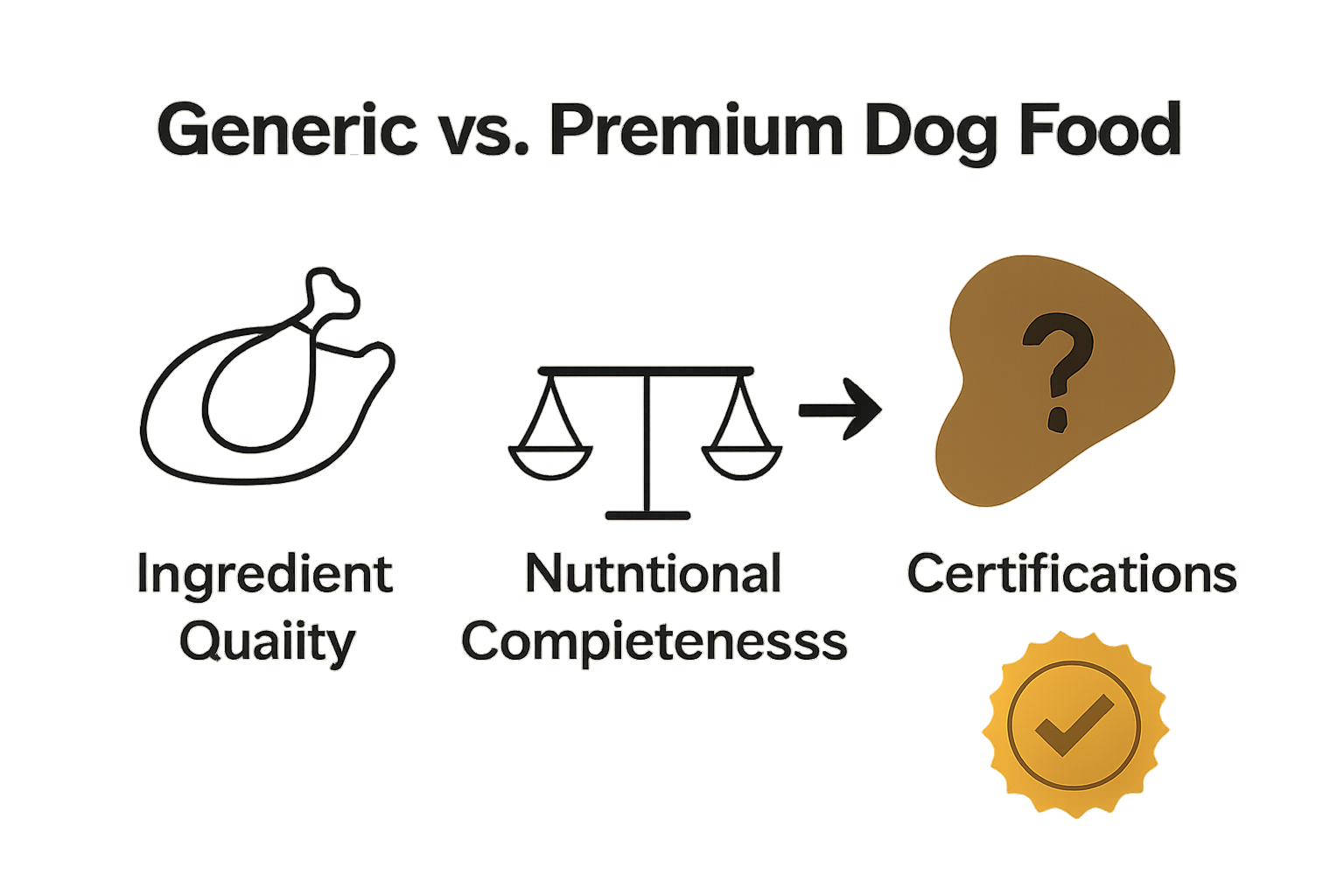
Step 3: Examine ingredient lists for whole, natural ingredients
ASPCA emphasizes the critical importance of understanding ingredient lists when selecting high quality dog food. Your goal in this step is to become a savvy label detective who can quickly identify nutritious whole food ingredients that support your dogs optimal health and wellness.
When examining ingredient lists, prioritize foods where real meat appears as the first ingredient. Look for specific protein sources like chicken, beef, lamb, or fish rather than generic terms like meat meal or byproducts. Dog Food Ingredient Checker can help you decode complex ingredient terminology. According to AAHA, ingredients should align with your dogs specific nutritional requirements based on age, activity level, and overall health status.
Avoid dog foods containing artificial preservatives, excessive fillers, and unidentifiable ingredients. Watch for whole food ingredients like sweet potatoes, brown rice, blueberries, and spinach that provide essential nutrients. Pay attention to the first five ingredients, which typically comprise the majority of the food. Opt for minimally processed foods with recognizable natural components that mirror a balanced whole food diet.
Pro tip: When in doubt, consult with your veterinarian or use specialized ingredient analysis tools to ensure youre providing the most nutritionally complete diet for your furry friend.
Step 4: Verify certifications and veterinarian endorsements
Understanding the credibility of dog food goes far beyond marketing claims. AAHA emphasizes the critical importance of selecting pet foods that meet rigorous professional standards and are specifically tailored to your dogs unique nutritional requirements.
Start by looking for key certifications that validate a dog foods quality. Search for labels from reputable organizations like AAFCO (Association of American Feed Control Officials) which indicate the food meets established nutritional standards. Complete Guide to Veterinarian Approved Pet Diets can help you understand these complex certification processes. Professional veterinarian endorsements are particularly valuable since they consider your dogs specific age, health status, and individual metabolic needs.
Pay close attention to endorsements that demonstrate comprehensive nutritional assessment. According to AAHA, a thorough nutritional evaluation should consider multiple factors including species requirements, life stage, and potential health considerations. Veterinarian recommendations that detail why a specific food matches your dogs unique profile are far more meaningful than generic marketing statements.
Pro tip: Request a detailed nutritional consultation with your veterinarian who can provide personalized insights about which certifications and endorsements truly matter for your specific dogs health and dietary needs.
Step 5: Compare product benefits and feeding convenience
AAHA recommends conducting a comprehensive evaluation of dog food products that goes beyond basic nutritional requirements. Your goal is to find a food that not only meets your dogs dietary needs but also fits seamlessly into your lifestyle and provides optimal health benefits.
Consider multiple factors when comparing dog food options. Small-Batch vs. Mass-Produced Dog Food: Key Differences can help you understand the nuanced trade offs between different production approaches. ASPCA emphasizes that high quality commercial pet foods are designed to provide balanced nutrition tailored to specific life stages. Evaluate aspects like packaging convenience, storage requirements, serving ease, and how well the food aligns with your dogs specific age and activity level.
Look beyond marketing claims and assess practical considerations such as digestibility, palatability, and how the food supports your dogs overall health goals. Some premium foods might require different preparation methods or have specific storage needs. Freeze dried options often provide excellent nutritional density while offering convenient storage and preparation compared to traditional wet or dry foods.
Pro tip: Create a side by side comparison chart of potential dog food options that includes nutritional content, convenience factors, price per serving, and your dogs specific health requirements to make an informed decision.
Step 6: Evaluate real results and monitor your dog’s health
FDA guidelines emphasize the critical importance of tracking your dogs health transformation after changing their diet. Your goal is to become an attentive observer who can recognize subtle and significant improvements in your dogs overall wellness.
Implement a systematic monitoring approach that tracks multiple health indicators. Watch for changes in energy levels, coat quality, muscle tone, weight, and digestive health. Dog Dietary Health Checker can help you document these changes systematically. According to AAHA, nutritional assessment is an iterative process that requires regular evaluation of your dogs specific health markers.
Consider maintaining a detailed health journal that records your observations. Track metrics like weight, body condition score, activity levels, skin and coat condition, and any changes in appetite or digestion. Professional veterinarian check ups every 3 to 6 months can provide expert validation of the dietary changes and help you make informed adjustments.
Pro tip: Take periodic photos and measurements to create a visual and quantitative record of your dogs health progression. This documentation can be invaluable for tracking long term nutritional impacts and discussing dietary strategies with your veterinarian.
Choose the Best Natural Nutrition for Your Dog’s Health Today
Selecting the right premium dog food can feel overwhelming with so many options and confusing labels. This article shows how essential it is to focus on your dog’s unique nutritional needs, check for whole natural ingredients, and trust veterinarian-backed premium brands. If you want to avoid fillers, artificial preservatives, and generic protein sources, it is critical to choose foods that support vitality, muscle strength, digestion, and allergy management just like the article advises.
At Loyal Saints Pets, we specialize in freeze-dried, all-natural dog food made from human-grade whole ingredients like high-quality proteins, fresh fruits, and vegetables. Our carefully crafted Chicken | Loyal Saints and Beef | Loyal Saints selections align perfectly with the goal of feeding your dog balanced, veterinarian-approved nutrition that contributes to a longer, happier life.

Experience the peace of mind that comes from feeding your dog natural, minimally processed meals designed to fuel their energy and support lasting health. Visit Loyal Saints Pets now to find the premium dog food your furry family member deserves and enjoy free shipping on qualifying orders.
Frequently Asked Questions
How do I identify my dog’s specific nutritional needs when choosing premium dog food?
Understanding your dog’s unique nutritional needs starts with evaluating factors like age, breed, weight, and activity level. Consult with your veterinarian for personalized insights and adjust your dog’s diet based on their specific health requirements.
What should I look for in the ingredient list of premium dog food?
Focus on whole, natural ingredients where real meat is listed as the first ingredient. Avoid foods that contain artificial preservatives or unidentified fillers, and prioritize those with wholesome components like vegetables and whole grains.
How can I determine if a dog food brand is trustworthy?
Verify the credibility of dog food brands by checking for certifications from recognized organizations that indicate they meet established nutritional standards. Look for veterinarian endorsements which consider your dog’s specific health profile and needs.
What practical factors should I consider when comparing premium dog food products?
When comparing dog food options, evaluate nutritional content, convenience of preparation, and how well the food meets your dog’s specific health goals. Create a comparison chart to weigh these factors side by side, ensuring you make an informed decision.
How can I monitor my dog’s health after changing their diet?
To track your dog’s health after dietary changes, observe indicators such as energy levels, coat quality, and weight. Keep a health journal to document these changes and schedule regular veterinary check-ups to ensure the new diet is effective in promoting your dog’s overall wellness.
Recommended
Comments