.png)
How antioxidants boost pet health: a guide for dog owners
- wix mentor

- 15 hours ago
- 9 min read

TL;DR:
Not all antioxidant-rich foods or supplements are equally beneficial for dogs, and improper use can undermine their health.
A diet based on whole-food sources of antioxidants supports longevity, vitality, and immune function effectively.
Not every antioxidant-rich food or supplement is created equal, and assuming otherwise could actually put your dog at risk. Many well-meaning pet owners load up on supplements or switch to trendy superfoods without realizing that some approaches can disrupt their dog’s natural defenses or interfere with ongoing health treatments. The good news is that evidence-based nutrition, especially diets built around whole-food antioxidant sources, genuinely does support longevity and vitality in dogs. This guide will walk you through what antioxidants actually do, which types matter most, and how to add them safely.
Table of Contents
Key Takeaways
Point | Details |
Antioxidants reduce cell damage | They neutralize free radicals, which can cause aging and disease in dogs. |
Balanced diets are safest | Whole food sources and blended antioxidant diets outperform single supplements. |
Professional guidance prevents risks | Veterinary advice helps avoid supplement overdoses and interactions with medical treatments. |
Stress and aging increase antioxidant needs | Dogs experiencing environmental or life-stage stress benefit from additional antioxidants. |
Natural nutrition supports longevity | Antioxidant-rich, minimally processed foods are linked to longer, healthier pet lives. |
What are antioxidants and why do pets need them?
Now that we’ve highlighted the confusion around antioxidants, let’s define what they actually are and why your dog might need them.
At their core, antioxidants are molecules that neutralize free radicals. Free radicals are unstable molecules that your dog’s body produces naturally through metabolism, exercise, stress, and environmental exposure like pollution or UV light. When free radicals outnumber the body’s defenses, they cause oxidative stress, which damages cells, proteins, and even DNA. Over time, unchecked oxidative stress contributes to aging, chronic inflammation, and diseases like arthritis, cognitive decline, and cancer.
Research confirms that antioxidants neutralize free radicals, reducing oxidative stress, DNA damage, and cellular degradation in dogs and cats. This is not a minor biological footnote. It’s a foundational principle that explains why the quality of your dog’s diet has such a direct impact on how they age and how healthy they feel day to day.
Here are the key roles antioxidants play in your dog’s health:
Immune support: Antioxidants protect immune cells from oxidative damage, helping your dog mount a stronger response to infections and illness.
Cellular protection: They shield DNA, proteins, and fats inside cells from free radical attacks that can trigger disease.
Healthy aging: Senior dogs face naturally higher oxidative stress, and antioxidant-rich diets can slow the progression of age-related conditions.
Recovery support: Dogs under physical or emotional stress, like working dogs or rescue animals adjusting to new homes, have elevated free radical production that antioxidants help manage.
“Oxidative stress isn’t just about aging. It’s happening every day in your dog’s body, and the right nutrition is one of the most powerful tools you have to keep it in check.”
Understanding antioxidants and immunity is especially important for dog owners whose pets deal with seasonal allergies, chronic illness, or high-stress lifestyles. Getting this foundation right sets the stage for everything else.
Types of antioxidants: vitamins, polyphenols, and beyond
Once you understand antioxidants generally, it’s important to see the different sources and types available for your dog’s health.
Not all antioxidants work the same way. Some are fat-soluble, meaning they protect fatty membranes inside cells. Others are water-soluble and work in the bloodstream. Some come from plant compounds that activate your dog’s own antioxidant enzymes. Knowing the difference helps you make smarter choices about what goes in your dog’s bowl.
Vitamin E is one of the most well-studied fat-soluble antioxidants for dogs. It protects cell membranes from lipid oxidation, which is particularly important for brain health and muscle function. Vitamin C works in the watery environments of the body and also helps regenerate vitamin E after it has neutralized a free radical. Beta-carotene (β-carotene) is a precursor to vitamin A and provides antioxidant protection while also supporting vision and immune function.
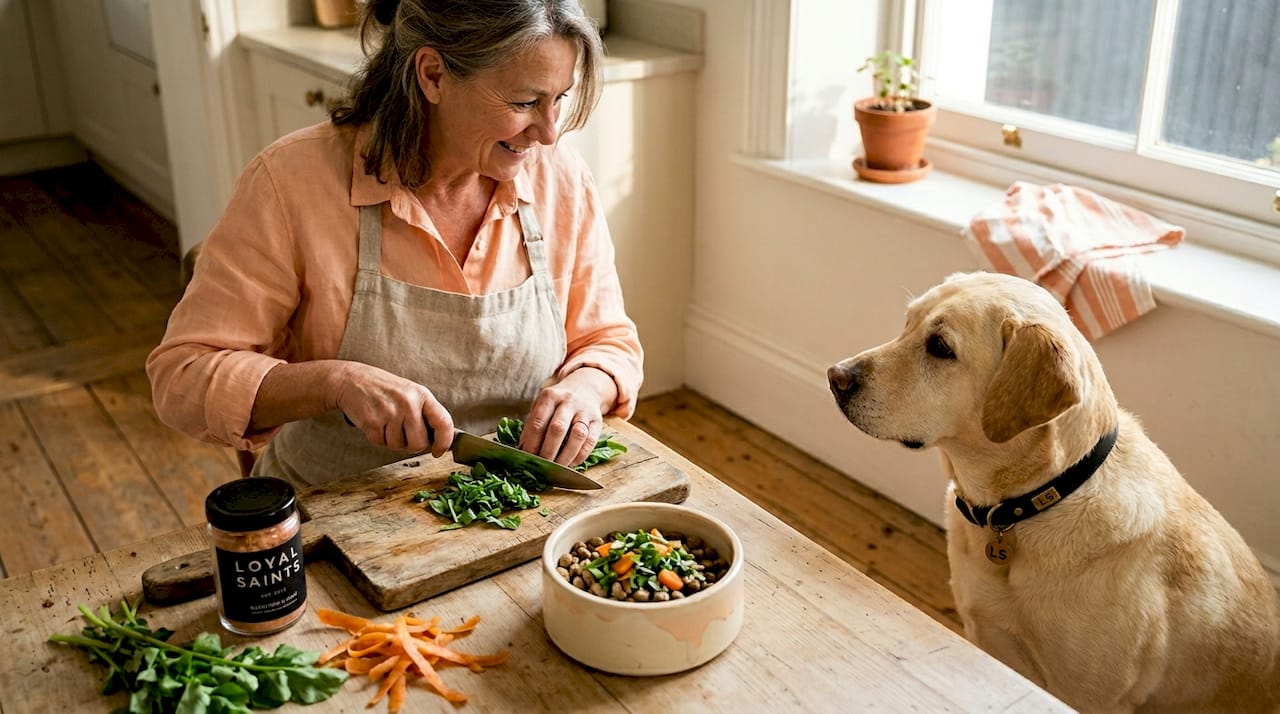
Studies show that dietary antioxidant supplementation with vitamin E, vitamin C, and β-carotene increased circulating vitamin E, improved immune cell protection, reduced DNA damage, and enhanced overall antioxidant status in dogs and cats over an 84-day trial.
Polyphenols are a large family of plant-based compounds found in fruits, vegetables, herbs, and certain grains. They work differently from vitamins because they can activate the dog’s own internal antioxidant enzyme systems, essentially multiplying the protective effect. Research on a polyphenolic extract found that PTHL supplementation reduced oxidative stress, boosted antioxidant enzymes, and improved sperm motility in heat-stressed dogs, showing that plant-based compounds can be especially powerful under physiological stress.
Here’s a simple comparison of common antioxidant types for dogs:
Antioxidant | Source | Primary benefit | Solubility |
Vitamin E | Meats, oils, leafy greens | Cell membrane protection | Fat-soluble |
Vitamin C | Fruits, vegetables | Bloodstream protection, immune | Water-soluble |
Beta-carotene | Carrots, sweet potato | Vision, immune, cell repair | Fat-soluble |
Polyphenols | Blueberries, herbs, plants | Enzyme activation, stress response | Varies |
Selenium | Meats, fish | Enzyme cofactor, thyroid health | Water-soluble |
One key insight here is synergy. A combination of antioxidants almost always outperforms a single high-dose supplement. This is exactly why longevity-boosting pet foods that blend multiple whole-food sources tend to deliver better outcomes than isolated vitamin capsules. A balanced approach aligned with your dog’s life stage, whether puppy, adult, or senior, gives the best results.
Pro Tip: Instead of searching for a single “superfood,” look for your dog’s diet to include a variety of proteins, fruits, and vegetables. Diversity in the food bowl is one of the most effective ways to naturally cover multiple antioxidant categories.
When selecting any natural pet nutrition approach, prioritize diets that list whole-food ingredients clearly and transparently, because the antioxidant content in those foods is significantly better preserved than in heavily processed alternatives.
Antioxidant supplementation: balancing benefits and risks
Having covered antioxidant types, let’s focus on how best to deliver them safely, especially when considering supplements.
There are times when antioxidant supplementation genuinely helps. Sporting dogs push their bodies hard and generate more oxidative stress than typical house pets. Senior dogs have declining natural antioxidant defenses. Dogs recovering from illness, dealing with heat stress, or going through reproduction also have higher needs. In these situations, targeted supplementation under veterinary guidance can make a real difference.
But here is where many pet owners run into trouble. More is not always better, and this is a principle that applies to antioxidants more than almost any other nutritional category. Research shows that megadose supplementation can suppress the body’s own natural defenses, a phenomenon called hormesis suppression. When the body detects an overwhelming amount of external antioxidants, it may actually reduce its own production of protective enzymes, leaving your dog more vulnerable, not less.
There are four important steps to follow when considering supplementation:
Get a veterinary assessment first. Before adding any antioxidant supplement, have your vet evaluate your dog’s current health status, diet, and any medications that might interact.
Start with food, not supplements. Whole-food sources of antioxidants are almost always safer than isolated synthetic forms and come packaged with other beneficial nutrients that improve absorption.
Follow dosage guidelines strictly. If a supplement is recommended, stick to the prescribed amount. Fat-soluble vitamins like E and A can accumulate in body tissues and reach toxic levels if overfed.
Reassess regularly. Your dog’s needs change with age, health status, and activity level. A dosage appropriate for a young sporting dog may not be right for the same dog at ten years old.
Antioxidants for sporting dogs represent a special case where targeted supplementation has stronger evidence behind it, but even high-performance dogs need careful management rather than blanket megadosing.
One critical caution involves dogs undergoing cancer treatment. Synthetic antioxidant supplements in high doses can potentially protect cancer cells from the oxidative damage that chemotherapy and radiation are designed to cause. This makes supplementation during cancer therapy a nuanced, vet-guided decision every time. Pairing antioxidant-focused nutrition with probiotics and dog longevity strategies gives you a broader, safer toolkit for your dog’s overall health.
Pro Tip: If your dog is currently on any prescription medication or undergoing veterinary treatment, always ask your vet specifically about antioxidant interactions before changing their diet or adding any supplement.
How to add antioxidants safely to your pet’s diet
Understanding supplementation risk and benefit, let’s clarify safe practical steps for you and your pet.
The safest and most effective way to increase your dog’s antioxidant intake is through a high-quality, whole-food diet. Real ingredients like blueberries, sweet potatoes, spinach, carrots, and high-quality proteins naturally deliver a spectrum of antioxidants in ratios that the body can use efficiently. The evidence is clear that whole foods are safer than high-dose synthetic antioxidants, particularly during illness or cancer therapy, because isolated compounds at high concentrations behave very differently inside the body than they do in whole-food form.
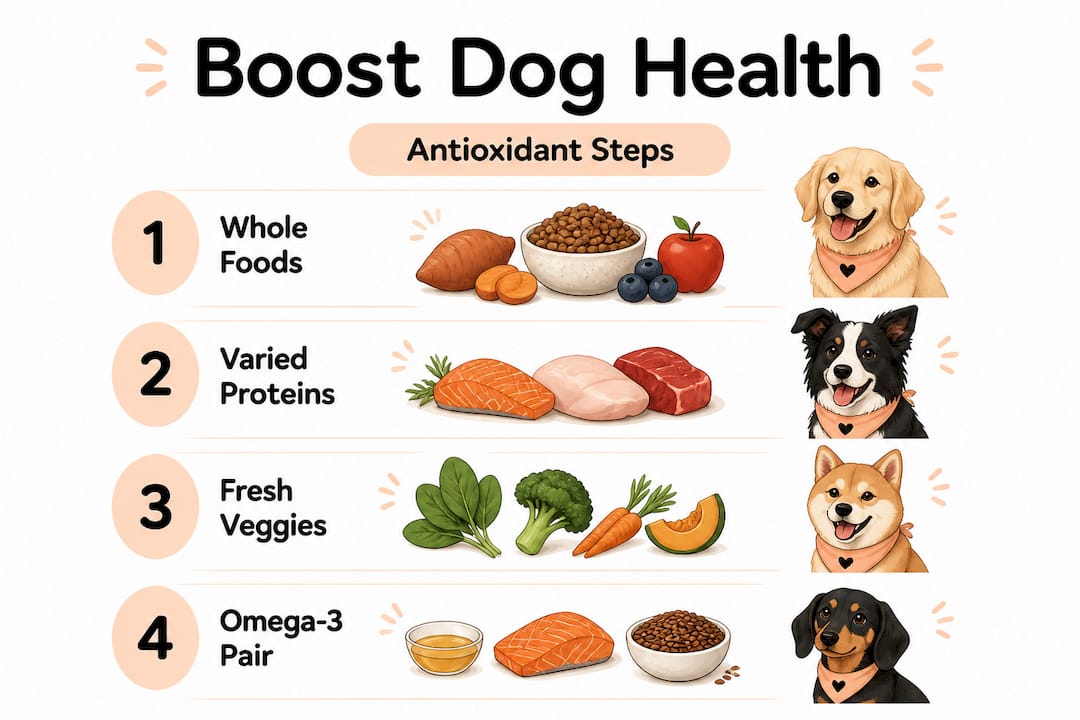
Here is a practical look at common whole-food antioxidant sources and what they offer:
Food | Key antioxidant | Benefit for dogs |
Blueberries | Anthocyanins, vitamin C | Brain health, immune support |
Sweet potato | Beta-carotene, vitamin C | Vision, skin, immune function |
Spinach | Lutein, vitamin E | Eye health, anti-inflammatory |
Carrots | Beta-carotene | Skin, immune, vision support |
Salmon | Astaxanthin, omega-3 | Joint health, coat, cognitive |
Eggs | Lutein, selenium | Cellular repair, thyroid support |
Here are the most practical steps to add antioxidants safely to your dog’s daily routine:
Choose a minimally processed dog food that lists real fruits and vegetables in the ingredients, not just synthetic vitamin additions at the end of the label.
Look for AAFCO-compliant diets that are formulated for your dog’s specific life stage, since antioxidant needs vary significantly between puppies, adults, and seniors.
Add whole-food toppers mindfully. A small amount of blueberries or cooked sweet potato as a food topper is a safe, practical way to boost antioxidant variety without risking overdose.
Avoid single-nutrient mega-supplements unless specifically recommended by a vet for a diagnosed condition.
Monitor your dog’s response. Positive signs include a shinier coat, better energy, and fewer digestive issues. If you notice lethargy, GI upset, or changes in appetite, consult your vet promptly.
Pairing antioxidant-rich foods with omega-3 for aging dogs is a particularly smart strategy because omega-3 fatty acids reduce inflammatory signaling while antioxidants address oxidative damage, two complementary pathways that together support healthier aging.
Our take: why most antioxidant advice for pets falls short
To wrap up the practical advice, here’s our candid perspective on antioxidant nutrition that most guides overlook.
Here is something that rarely gets said plainly: most commercially available antioxidant supplements for dogs are not backed by strong evidence that they outperform a well-formulated whole-food diet. The supplement industry is large, well-marketed, and profitable, but the science consistently points in the same direction. Single antioxidant supplements rarely produce the broad health benefits that balanced, complete diets do. The real gains come from the synergistic interaction of multiple antioxidants and nutrients working together in their natural ratios.
We also believe that the “one-size-fits-all” model fails dogs badly. A senior Labrador with joint issues has completely different antioxidant needs than a young Border Collie in agility training or a small breed dog managing allergies. Treating every dog the same way with the same product is a shortcut that ignores the individual biology of your specific animal.
What truly moves the needle on pet health is a thoughtful combination of a high-quality, whole-food diet, regular veterinary checkups, appropriate physical activity, and a willingness to adjust your approach as your dog ages and their needs evolve. The science is clear that diet impact on longevity is one of the most powerful levers you have as a pet owner.
We also want to be honest about the limits of any single article, including this one. The best antioxidant strategy for your dog will always be shaped by a conversation with your veterinarian, who can factor in your dog’s breed, age, weight, current health, and any existing conditions. No blog post, no matter how well researched, replaces that personalized guidance.
What we know for certain is that feeding your dog a diet built from real, whole ingredients that are minimally processed and nutrient dense is never the wrong starting point. Everything else builds from that foundation.
Discover natural antioxidant solutions with Loyal Saints
If you’re ready to put this knowledge into practice, here’s where to start with safer, natural solutions.
At Loyal Saints Pets, we built our freeze-dried food line specifically around the principle that whole ingredients deliver better nutrition. Freeze-drying locks in naturally occurring antioxidants, vitamins, and phytonutrients that heat-based processing destroys, so your dog gets the full spectrum of protection in every meal.

Our recipes blend high-quality proteins with real fruits and vegetables, designed to meet AAFCO standards while supporting the kind of longevity you want for your dog. You can learn more about why freeze-dried foods preserve nutrients so effectively, or browse our full selection at the Loyal Saints shop. More tail wags and healthier years are absolutely within reach.
Frequently asked questions
What are the best antioxidant sources for dogs?
Whole foods rich in vitamin E, vitamin C, β-carotene, and polyphenols are the safest and most effective option. Synergistic blends from balanced, complete diets tailored to your dog’s life stage consistently outperform single-nutrient supplements.
Can antioxidants prevent cancer in pets?
Antioxidants may lower DNA damage and reduce cancer risk over time, but high-dose supplements can actually interfere with cancer treatments by protecting cancer cells. Whole foods are always a safer route, and your vet should guide any decisions during active treatment.
What signs of antioxidant overdose should I watch for in my dog?
Watch for digestive upset, unusual lethargy, reduced appetite, or changes in bloodwork at your vet visits. Megadose supplementation can suppress natural defenses and lead to nutrient accumulation, which is why veterinary guidance before starting any supplement is so important.
Do antioxidants help older dogs specifically?
Yes. Senior dogs benefit significantly because their natural antioxidant defenses decline with age. Dietary supplementation improved immune cell protection and reduced DNA damage in a study of 40 dogs and cats over 84 days, suggesting real, measurable benefits for aging animals with the right nutritional support.
Recommended
Comments