.png)
Allergy management in pets: A guide to natural relief
- wix mentor

- 12 hours ago
- 10 min read

TL;DR:
Many dogs have overlapping food and environmental allergies requiring thorough diagnosis.
Nutrition, especially omega-3s and functional diets, plays a key role in long-term allergy management.
Combining pharmaceuticals with natural strategies and veterinary guidance offers the best relief and skin health.
If your dog is constantly scratching, shaking their head, or dealing with recurring ear infections, it’s easy to assume it’s just a seasonal thing and move on. But what if those symptoms point to something more layered? Concurrent food and environmental allergies are far more common than most pet owners realize, and treating just one cause while missing the other is one of the biggest reasons so many dogs never find lasting relief. Managing pet allergies successfully means understanding what’s actually triggering the reaction, following a proven diagnostic path, and making smart nutritional choices that support your dog from the inside out. This guide walks you through all of it.
Table of Contents
Key Takeaways
Point | Details |
Allergy management is complex | Pets can have overlapping food and environmental allergies, requiring a stepwise approach for proper diagnosis. |
Nutrition supports relief | Premium natural nutrition, especially omega-3s and hypoallergenic diets, helps control inflammation and flare episodes. |
No one-size-fits-all solution | Effective management usually combines natural strategies with pharmaceuticals, customized for each pet. |
Consistent tracking matters | Keeping logs of symptoms, diet, and flare triggers is key for making informed management decisions. |
Veterinary partnership is essential | Work with your vet for accurate diagnosis and to tailor the best allergy management plan for your dog. |
Understanding pet allergies: Causes and risk factors
Allergies in dogs happen when the immune system overreacts to a normally harmless substance, treating it like a threat. That overreaction triggers inflammation, skin irritation, and a range of symptoms that can look very similar no matter what caused them. This is exactly why allergies are so tricky to manage without a structured approach.
There are four main types of allergies that affect dogs:
Food allergies: Reactions to specific proteins like chicken, beef, dairy, or wheat. These often cause skin issues, gastrointestinal upset, and chronic ear problems.
Environmental allergies (atopy): Triggered by airborne particles like pollen, dust mites, and mold spores. Symptoms tend to be seasonal at first, then year-round as sensitivity builds.
Contact allergies: Less common, caused by direct skin contact with materials like certain fabrics, cleaning products, or grass.
Flea allergy dermatitis: A reaction to proteins in flea saliva, causing intense itching even from a single bite.
One of the most important things to know is that young and indoor male dogs fed primarily dry kibble diets appear to face higher allergy risk. Secondary infections, particularly bacterial and yeast infections of the skin and ears, often develop on top of existing allergies and can make symptoms significantly worse, which is why what looks like one problem is usually several happening at once. Checking out our food allergy management guide is a great place to build your foundational understanding before diving into solutions.
Allergy type | Common triggers | Typical symptoms | Seasonal? |
Food | Proteins, grains | Itching, GI upset, ear infections | No |
Environmental (atopy) | Pollen, dust, mold | Paw licking, face rubbing, redness | Often yes |
Contact | Chemicals, fabrics | Localized rash, redness | No |
Flea | Flea saliva | Intense tail-base itching | Warmer months |
A key statistic worth noting: Many dogs who present with what appears to be a single allergy type turn out to have overlapping sensitivities, which means addressing only one source of inflammation rarely produces full relief.
How allergies are diagnosed: The stepwise exclusion method
Knowing which allergies are at play is the first step. Here’s how veterinarians zero in on the culprits using a tested approach that eliminates possible causes one at a time rather than guessing.
Diagnosis follows a stepwise exclusion process: first ruling out fleas and external parasites, then conducting a strict 8 to 12 week elimination diet trial, and finally pursuing environmental allergy testing only if immunotherapy is being considered. Atopic dermatitis (environmental allergy) is technically a diagnosis of exclusion, meaning it’s only confirmed once all other causes have been ruled out.
Here’s what that process looks like in practice:
Treat for fleas and parasites. Even if you don’t see fleas, your vet may recommend a flea control treatment first. Flea allergy dermatitis can mimic other allergy types completely.
Start an elimination diet trial. This means feeding a diet with a single novel protein (one your dog has never eaten before) or a hydrolyzed protein (where proteins are broken down so the immune system doesn’t recognize them) for 8 to 12 weeks. No treats, no table scraps, nothing else. Following a step-by-step elimination diet plan makes this process much easier to manage at home.
Reintroduce original foods. If symptoms improve during the trial and return when original foods are re-introduced, a food allergy is confirmed.
Consider environmental testing. If symptoms persist despite a clean elimination diet trial, your vet may recommend intradermal skin testing or blood testing to identify environmental triggers, particularly if allergen-specific immunotherapy is being planned.
Pro Tip: The most common reason elimination diet trials fail is accidental cheating. Flavored toothpastes, chewable medications, and even some grooming products contain proteins that can trigger reactions. Check everything with your vet before using it during the trial period.
“Atopic dermatitis is a diagnosis of exclusion. This means your vet must systematically rule out every other possible cause before landing on environmental allergies as the primary driver. Skipping steps almost always leads to misdiagnosis.”
Understanding proven allergy management strategies gives you the foundation to stick to this process even when it feels slow. And for dogs with suspected food sensitivities, limited ingredient diets can make the elimination phase more straightforward and easier to sustain.
Treatment options: Pharma vs. natural strategies
Once a diagnosis is made, the next big decision is choosing the right treatment mix for your pet’s needs and lifestyle. The good news is that you don’t have to choose between medicine and natural approaches. Most successful allergy management plans combine both.
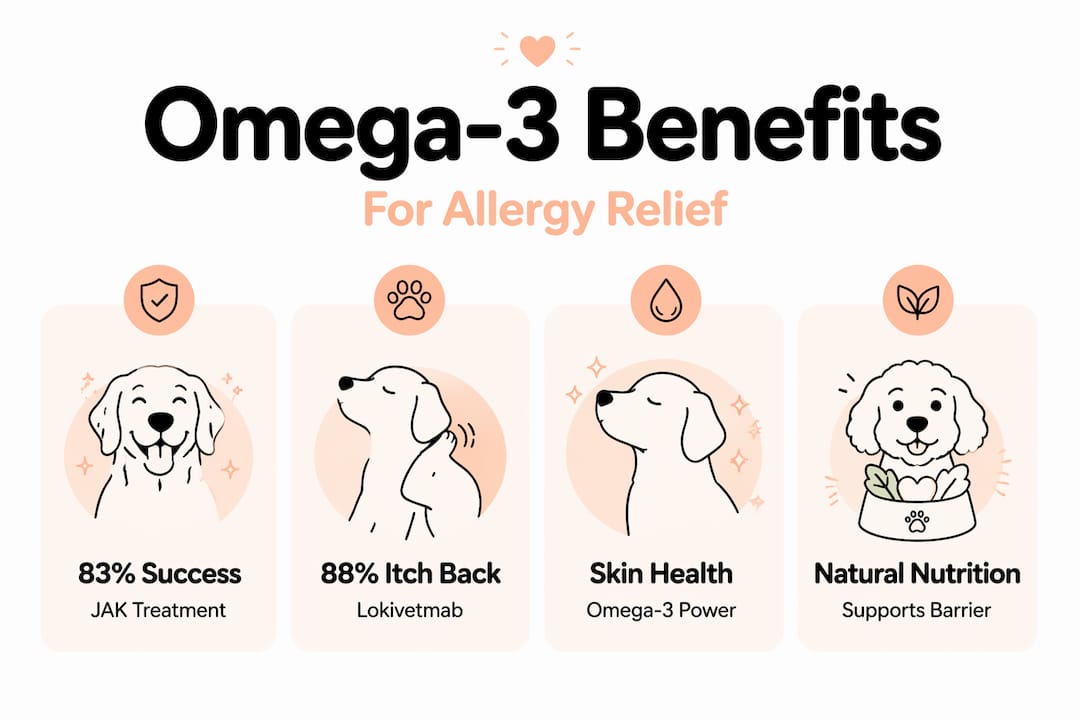
On the pharmaceutical side, newer treatments have shown strong results. Ilunocitinib achieves 83% treatment success, lokivetmab (a monoclonal antibody) reaches 88% mean improvement on standard itch scoring, and allergen-specific immunotherapy (ASIT) delivers at least 50% improvement in 60 to 70% of dogs treated. These are meaningful numbers for dogs with moderate to severe symptoms.
Here’s a practical comparison of the main approaches:
Approach | Best for | Success rate | Monthly cost (approx.) | Notes |
JAK inhibitors (e.g., ilunocitinib) | Moderate to severe atopy | ~83% | $100 to $200 | Fast acting, requires monitoring |
Monoclonal antibodies (lokivetmab) | Moderate to severe | ~88% itch relief | $100 to $300 | Injection-based, vet-administered |
Immunotherapy (ASIT) | Long-term atopy management | 60 to 70% | $50 to $150 | Requires prior testing, takes months |
Probiotics and diet changes | Mild cases, support | Varies | $20 to $80 | Ideal as adjunct therapy |
Herbal and acupuncture | Mild, supportive care | Limited data | Varies | Used alongside conventional care |
Natural and holistic treatments work best for mild cases or as supportive tools alongside pharmaceutical options for moderate to severe cases. Ongoing costs for pharmaceutical allergy management typically run $100 to $300 per month, which means anything that reduces the need for medication also reduces long-term costs significantly.

Dietary intervention sits in a unique place here because it addresses both food-related allergies directly and supports immune function and skin integrity in dogs with environmental allergies. Exploring natural allergy solutions can help you identify which supportive strategies are most appropriate for your dog’s specific situation.
Nutrition’s role in allergy relief: Omega-3s and functional diets
With treatment plans outlined, it’s time to explore how the right foods and nutrients can change the game in managing allergies long term. Nutrition is one of the most powerful and underused tools available to dog owners, and the science is getting stronger every year.
Omega-3 fatty acids, specifically EPA (eicosapentaenoic acid) and DHA (docosahexaenoic acid), are well-established anti-inflammatory nutrients. Research supports dosing at 50 to 100mg/kg of EPA and DHA combined to produce meaningful reductions in skin inflammation. These fatty acids work by competing with pro-inflammatory compounds in the body, essentially turning down the volume on the immune system’s overreaction.
Beyond omega-3s, functional diets and novel ingredient formulations are showing real clinical promise. For example, extracts from Siraitia grosvenorii (a fruit used in Asian traditional medicine) have shown measurable improvements in standardized allergy scoring tools like CADESI (Canine Atopic Dermatitis Extent and Severity Index) and PVAS (Pruritus Visual Analog Scale). These aren’t fringe findings; they’re showing up in peer-reviewed veterinary research.
Key nutritional strategies for allergic dogs include:
Novel or hydrolyzed protein sources to eliminate reactive proteins entirely from the diet
Omega-3 supplementation at therapeutic doses through fish oil or omega-rich whole food ingredients
Functional ingredients with anti-inflammatory properties including certain fruits, vegetables, and botanical extracts
Avoiding common allergens like chicken, beef, dairy, corn, wheat, and soy in dogs with confirmed sensitivities
High-quality, minimally processed ingredients to reduce the risk of contamination and additive reactions
Understanding omega-3 benefits for dogs with skin conditions gives you a clearer picture of how this nutrient works, and reviewing EPA and DHA dosing guidelines helps you make sure your dog is actually getting enough to make a difference.
Pro Tip: Omega-3s degrade with heat and processing. Freeze-dried foods preserve these fatty acids far better than conventional kibble, which is cooked at high temperatures that break down delicate nutrients. If you’re supplementing for allergy support, the delivery vehicle matters.
It’s also important to set realistic expectations. As a reference in our allergy diet management resource notes, nutritional interventions are genuinely supportive and reduce flares and inflammation, but they are not a standalone cure for environmental allergies. They work best as part of a complete plan.
Making a practical plan: Managing pet allergies at home
With a clear grasp of the science and practical tools, here’s how you can start applying these principles to help your own pet feel better, starting today.
Partner with your veterinarian. Before changing your dog’s diet or trying new supplements, confirm what type of allergy your dog actually has. Guessing leads to spinning your wheels. A proper diagnosis is the foundation everything else builds on.
Start a symptom and diet log. Track your dog’s daily symptoms, food intake, environmental exposure (walks, time outdoors, new products used at home), and any flare-ups. Patterns often emerge within a few weeks that point toward specific triggers.
Implement an elimination or functional diet as recommended. If your vet suspects food allergies, commit fully to the elimination diet trial. If your dog has confirmed environmental allergies, a functional diet rich in omega-3s and anti-inflammatory ingredients can reduce baseline inflammation and make flares less severe.
Monitor and adjust. Allergy management is not a one-and-done fix. Your dog’s sensitivities can shift with age, environment, and seasonal changes. Regular check-ins with your vet and adjustments to the plan are normal and expected.
Support skin integrity with nutrition. Premium natural nutrition supports the skin barrier and helps control inflammation as an adjunct to other therapies, which has been evidenced by reduced flare frequency and lower medication use in clinical trials.
Pro Tip: Take weekly photos of your dog’s skin, paws, and ears during any diet change or new treatment period. Side-by-side comparisons over 8 to 12 weeks tell a much clearer story than memory alone, and they help your vet make better-informed decisions.
Making thoughtful pet food choices that align with your dog’s specific allergy profile is one of the highest-impact decisions you can make as a pet owner. Small, consistent changes compound over time into real improvements in your dog’s comfort and quality of life.
Why premium natural nutrition is the allergy management game-changer
Here’s something we’ve come to believe strongly after seeing so many dogs go through allergy management journeys: most owners underestimate dietary change because the results aren’t immediate. Medications provide relief you can see and feel within days. A dietary shift takes weeks to show its full effect. That time gap causes a lot of pet owners to give up before the real benefits arrive.
But here’s what the research consistently shows. Natural nutrition supports skin barrier function and controls inflammation at a physiological level, not just masking symptoms. That’s a fundamentally different mechanism than pharmaceutical relief, and it’s one that builds resilience over time rather than requiring ongoing chemical intervention.
We’re not suggesting you skip medications for a dog who’s suffering. Quite the opposite. For moderate to severe cases, pharmaceutical options are genuinely life-changing and necessary. But the goal should always be to use nutrition to build a dog who has fewer flares, lower baseline inflammation, and a stronger skin barrier, so that medications work better and are needed less. The omega-6 study we’ve covered shows how even targeted fatty acid ratios can influence the inflammatory response in meaningful ways.
The honest truth is that nutrition is not glamorous allergy management. It doesn’t have a 30-day trial or a dramatic before-and-after moment. It’s the slow, steady work of building a healthier dog from the inside out. That’s exactly why it’s worth doing, and why we believe it belongs at the center of every allergy management plan, not as an afterthought.
Ready to help your pet thrive? Natural relief starts here
If everything you’ve read here resonates, you’re already thinking about your dog’s health the right way. The next step is making sure the food you choose is actually built to support it.

At Loyal Saints Pets, our freeze-dried dog food is made from human-grade, whole ingredients, with no fillers, no artificial additives, and no compromises on quality. Our formulations are veterinarian-approved, AAFCO-compliant, and built specifically to support dogs with sensitive systems. If you’ve been looking for a food that genuinely supports allergy management from the inside out, learning why freeze-dried nutrition is different is the best place to start. When you’re ready to find the right option for your dog, shop our allergy-friendly options and discover what a difference premium, natural food can make. More tail wags are coming.
Frequently asked questions
How do I know if my dog’s allergies are from food or the environment?
The only accurate way to determine if your dog’s allergy is food-related is through a strict elimination diet trial lasting 8 to 12 weeks. Environmental allergies are considered if symptoms persist after a clean trial with no food triggers identified.
Are natural diets enough to cure my pet’s allergies?
Natural diets support inflammation control and can meaningfully reduce flare frequency, but they are not a cure for environmental allergies. They work best as part of a broader plan that may also include medication for moderate to severe cases.
What is the success rate of common allergy medications for dogs?
Ilunocitinib reaches 83% treatment success, lokivetmab achieves approximately 88% improvement on itch scoring, and allergen-specific immunotherapy delivers at least 50% improvement in 60 to 70% of treated dogs.
Can my dog have more than one type of allergy?
Yes, concurrent food and environmental allergies are very common in dogs, which is one reason why thorough, stepwise diagnosis is so important before committing to a single treatment path.
How important is working with a veterinarian for allergy management?
A veterinarian’s guidance is essential for accurate diagnosis, since symptoms across allergy types overlap significantly, and an effective, tailored management plan really depends on knowing exactly what you’re dealing with.
Recommended
Comments