.png)
High Protein Diets for Dogs: Health Impact and Benefits
- Nick Willkom
- Dec 26, 2025
- 8 min read

Most American dog owners want their pets to be more than just happy—they want them thriving on food that truly supports their health. For urban families, choosing the right diet can directly influence a dog’s energy, muscle tone, and long-term wellness. Research shows that diets with over 30% protein can significantly improve strength and vitality. If you are searching for premium freeze-dried options to meet specific dietary needs, understanding high protein diets is your key to making smart choices.
Table of Contents
Key Takeaways
Point | Details |
High Protein Content | A high protein diet for dogs contains over 30% protein on a dry matter basis, prioritizing premium animal protein sources. |
Health Benefits | Elevated protein intake enhances muscle maintenance, supports tissue repair, and improves energy levels in dogs, particularly for active and aging canines. |
Protein Source Quality | Animal-based proteins provide complete amino acid profiles essential for canine health, whereas plant-based proteins should only serve as supplements. |
Consultation and Monitoring | Always consult a veterinarian before changing your dog’s diet and monitor for any adverse reactions during transitions to high protein foods. |
Defining High Protein Diets for Dogs
A high protein diet for dogs represents a nutritional approach that significantly increases protein intake beyond standard maintenance levels. According to research from the University of Illinois, elevated protein diets are generally characterized as formulations providing above 30% protein on a dry matter basis, strategically designed to support specific canine health functions.
These specialized diets focus on delivering concentrated protein sources that provide essential amino acids necessary for muscle development, tissue repair, and overall metabolic processes. Unlike standard dog foods, high protein diets prioritize protein quality and quantity, often incorporating premium animal-based proteins like chicken, beef, fish, and lamb. The goal is not just meeting basic nutritional requirements but optimizing a dog’s physiological performance through targeted nutritional strategies.
Key characteristics of high protein diets for dogs include:
Protein content exceeding 30% dry matter basis
Premium animal protein sources
Carefully balanced amino acid profiles
Targeted support for muscle maintenance
Enhanced metabolic and energy support
Pro tip: Always consult with your veterinarian before transitioning your dog to a high protein diet to ensure it matches your specific dog’s age, breed, and health requirements.
Key Benefits of Elevated Protein Intake
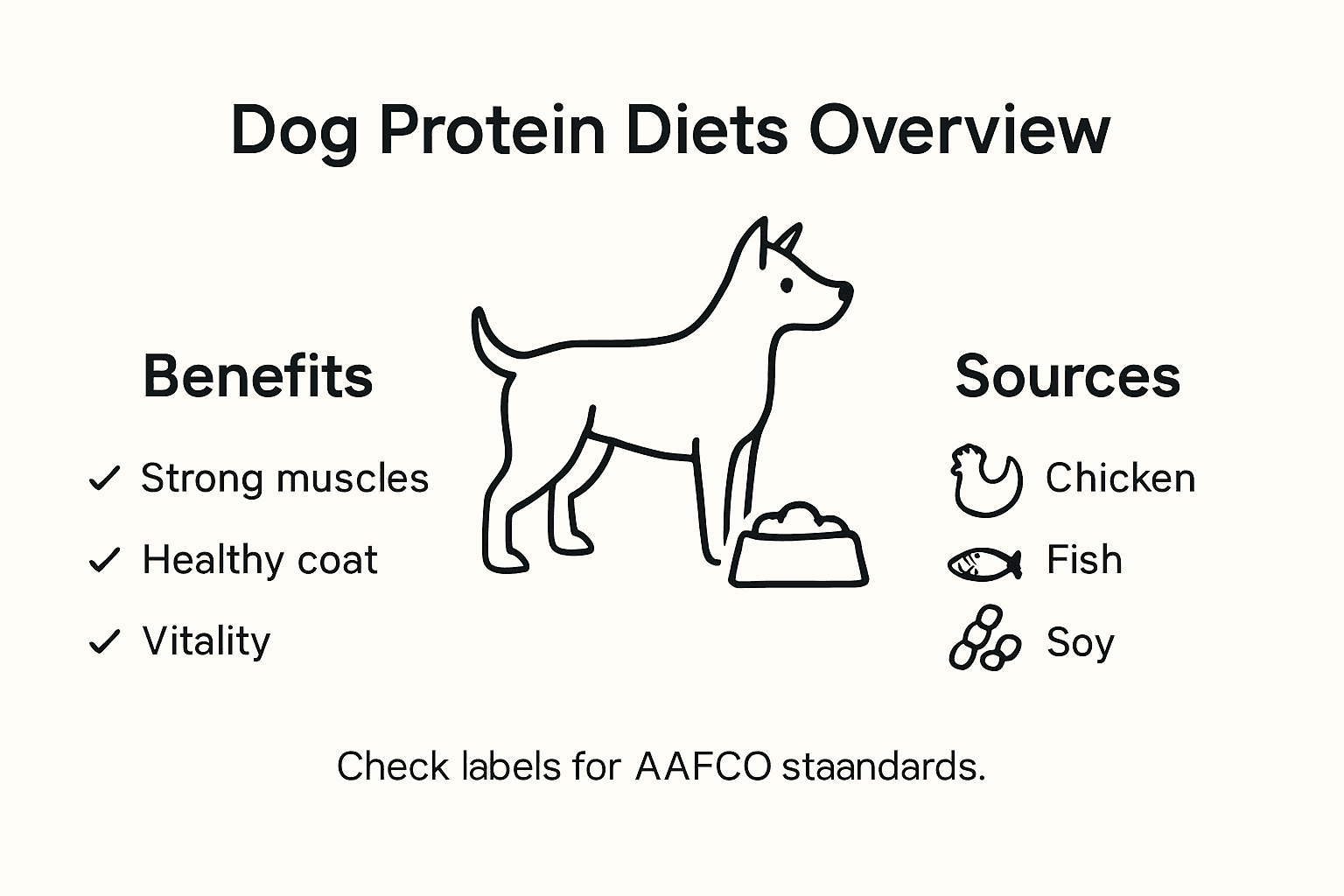
Elevated protein diets offer remarkable advantages for canine health and performance. High-quality protein intake is critical for comprehensive physiological maintenance, supporting everything from muscle development to immune system function. Dogs require protein not just as a dietary component, but as a fundamental building block for their overall metabolic health.
The primary benefits of elevated protein intake include enhanced muscle preservation, improved tissue repair mechanisms, and sustained energy production. Animal-based proteins provide complete amino acid profiles that help dogs maintain lean muscle mass, especially important for working dogs, athletes, and aging canines. These protein-rich diets support robust immune responses, help regulate metabolic processes, and contribute to maintaining optimal body composition.
Specific advantages of high protein diets encompass:
Accelerated muscle tissue regeneration
Stronger immune system responses
Enhanced metabolic efficiency
Better weight management
Improved overall energy levels
Researchers have consistently demonstrated that protein quality matters as much as quantity. High-quality protein sources can significantly impact a dog’s endurance and recovery capabilities, making them particularly valuable for active and working dog breeds.
Pro tip: Gradually transition to high protein diets by mixing new food with existing nutrition to prevent digestive disruptions and monitor your dog’s individual response.
Types of Protein Sources in Dog Food
Protein sources in dog nutrition represent a critical component of canine dietary health, with animal-based and plant-based options offering varying nutritional profiles. Understanding protein diversity is essential for comprehensive dog nutrition, ensuring dogs receive balanced and complete amino acid profiles necessary for optimal physiological function.
Animal-based protein sources remain the gold standard for dog nutrition, providing complete protein with superior biological value. These sources include:
Chicken: Lean, highly digestible protein
Beef: Rich in essential amino acids
Fish: Omega-3 fatty acid bonus
Turkey: Low-fat protein option
Lamb: Nutrient-dense protein source
Plant-based proteins, while less complete, can supplement animal proteins and provide additional nutritional benefits. Sources like peas, lentils, and chickpeas offer fiber, minerals, and partial protein content. However, they should not be considered primary protein sources for dogs, who are fundamentally carnivorous animals requiring animal-based protein for optimal health.

Here’s a comparison of animal-based and plant-based protein sources for dogs:
Protein Source Type | Digestibility | Amino Acid Profile | Best Use Case |
Animal-Based | Highly digestible | Complete profile | Main diet for most dogs |
Plant-Based | Moderately digestible | Incomplete profile | Supplement to animal proteins |
When evaluating protein sources, dog owners should prioritize quality standards established by AAFCO protein guidelines, which ensure nutritional completeness and digestibility. Different protein sources impact dogs differently, making individual assessment crucial for tailored nutrition.
Pro tip: Rotate protein sources periodically to provide comprehensive nutrition and prevent potential allergenic responses from single-source diets.
Essential Nutritional Balance and AAFCO Standards
Nutritional balance is the cornerstone of canine health, with AAFCO standards serving as the fundamental framework for ensuring comprehensive dietary requirements. AAFCO nutritional adequacy standards form the critical industry benchmark for dog food safety and nutrition in the United States, providing a rigorous scientific approach to pet nutrition.
The Association of American Feed Control Officials (AAFCO) establishes comprehensive nutrient profiles that specify precise minimum and maximum concentrations of essential nutrients dogs require. These standards cover multiple life stages, including:
Growth and puppy development
Adult maintenance
Reproductive health
Senior dog nutritional needs
To receive AAFCO certification, dog food manufacturers must demonstrate nutritional completeness through either laboratory analysis or controlled feeding trials. Nutrient profiles require meticulous specification of protein, fat, vitamins, and minerals to ensure comprehensive nutritional support. Foods not meeting these stringent criteria must clearly indicate they are intended for supplemental or intermittent feeding only.
Nutritional balance goes beyond mere protein content, requiring a holistic approach that considers individual dog characteristics such as age, breed, activity level, and specific health conditions. Understanding these nuanced requirements helps dog owners make informed dietary choices that support long-term canine health and vitality.
Here’s an overview of AAFCO life stage standards in dog nutrition:
Life Stage | AAFCO Nutrient Focus | Impact on Health |
Puppy | Higher protein, vitamins | Supports rapid growth |
Adult | Balanced protein and fat | Maintains lean muscle |
Senior | Lower calories, gentle protein | Protects organ function |
Pro tip: Always check dog food labels for AAFCO statements to verify nutritional completeness and suitability for your specific dog’s life stage.
Risks and Safety Considerations for Dog Health
High protein diets require careful consideration, as they can present nuanced health challenges for dogs. Excessive dietary protein can potentially stress canine renal function and metabolic systems, particularly for dogs with pre-existing health conditions.
Dogs metabolize protein differently based on their individual health profile, age, and activity level. Potential risks associated with high protein diets include:
Increased metabolic waste production
Potential kidney function stress
Digestive system disruptions
More frequent urination
Risk of nutrient imbalances
High protein intake demands careful monitoring, especially for senior or health-compromised pets. Dogs with underlying kidney or liver diseases may experience more significant challenges processing elevated protein levels. Veterinary consultation becomes crucial when considering significant dietary modifications, as individual dog health requirements vary dramatically.
Some dogs may experience digestive sensitivities or metabolic stress when transitioning to high protein diets. Symptoms like increased thirst, changes in urination patterns, or gastrointestinal discomfort could indicate that the protein concentration might not be ideal for the individual animal. Gradual dietary transitions and close observation are essential for maintaining optimal canine health.
Pro tip: Introduce high protein diets incrementally and monitor your dog’s health markers, consulting your veterinarian at the first sign of any unusual symptoms.
Choosing Premium Freeze-Dried High Protein Foods
Freeze-dried dog foods represent a cutting-edge nutrition strategy that combines convenience with exceptional nutritional density. Premium freeze-dried options are meticulously formulated with high-quality animal protein and minimal unnecessary fillers, offering dog owners an optimal nutrition solution that preserves natural ingredient integrity.
When selecting high-quality freeze-dried high protein foods, critical evaluation factors include:
Protein source quality and origin
Minimal processing techniques
AAFCO nutritional compliance
Ingredient transparency
Balanced macronutrient profile
Absence of artificial preservatives
Understanding the nuanced differences between freeze-dried options requires careful ingredient analysis. The preservation process maintains nutritional value while eliminating potential bacterial risks associated with traditional raw feeding methods. Ideal freeze-dried foods utilize whole meat proteins, incorporate organ meats for additional nutritional complexity, and demonstrate a commitment to comprehensive canine nutritional science.
The selection process demands more than simply choosing the highest protein percentage. Dog owners must consider their specific animal’s age, activity level, metabolic requirements, and potential health sensitivities. Consulting with veterinary nutritionists can provide personalized guidance in navigating the complex landscape of premium freeze-dried nutrition.
Pro tip: Request ingredient sourcing information and third-party testing documentation when evaluating freeze-dried dog food options to ensure maximum nutritional transparency and quality.
Unlock the Full Benefits of High Protein Diets with Loyal Saints
If you are looking to optimize your dog’s health with a high protein diet that supports muscle maintenance and boosts vitality, Loyal Saints offers premium freeze-dried dog foods crafted from the finest animal proteins. Experience the difference of human-grade ingredients, carefully balanced to meet AAFCO standards and tailored for active, aging, or sensitive dogs. Our selection includes nutrient-dense options like Beef | Loyal Saints trusted by pet parents who want natural, complete nutrition that enhances energy and promotes a longer, happier life.

Give your dog the gift of superior nutrition today by exploring our carefully formulated Bundles | Loyal Saints to simplify healthy meal choices. Visit us at Loyal Saints now and take the first step toward transforming your dog’s diet with high protein, wholesome goodness designed to support strong muscles, immune health, and overall well-being. Shop with confidence knowing you are choosing fresh, additive-free nutrition that puts your dog’s health first.
Frequently Asked Questions
What is a high protein diet for dogs?
A high protein diet for dogs typically contains over 30% protein on a dry matter basis, focusing on premium animal-based protein sources to support muscle development and overall health.
What are the benefits of a high protein diet for dogs?
The benefits include enhanced muscle preservation, improved tissue repair, stronger immune responses, better weight management, and increased energy levels, making it particularly valuable for active or aging dogs.
How can I transition my dog to a high protein diet?
To transition your dog to a high protein diet, mix the new high protein food with your dog’s current food gradually to avoid digestive issues, and monitor its response during the process.
Are there any risks associated with high protein diets for dogs?
Yes, potential risks include stress on the kidneys, digestive disruptions, increased thirst, and nutrient imbalances, particularly in dogs with pre-existing health conditions. Consulting a veterinarian is advisable before making dietary changes.
Recommended