.png)
Healthy Dog Lifestyle Habits for a Longer, Happier Life
- wix mentor

- 11 minutes ago
- 9 min read
TL;DR:
Building a healthy dog lifestyle requires consistent daily habits in nutrition, exercise, dental care, mental stimulation, and veterinary routines. Small, repeated efforts like measured feedings, regular walks, toothbrushing, and enrichment activities significantly improve longevity and quality of life. Retraining routines after lapses and tailoring practices to your dog’s needs ensure sustainable, effective care over time.
Your dog’s health isn’t built in a single vet visit or a good week of walks. It’s built through consistent, daily healthy dog lifestyle habits that stack up over months and years. Most owners focus on the obvious: food and exercise. But dental hygiene, mental stimulation, grooming, and routine veterinary care all work together to shape how long and how well your dog lives. This article walks you through each of those pillars with specific, realistic habits you can start right now.
Table of Contents
Key takeaways
Point | Details |
Nutrition drives everything | Portion control and consistent meal timing prevent obesity and reduce risks for chronic disease. |
Exercise must match your dog | Daily activity between 30 minutes and 2 hours should align with your dog’s age, breed, and health status. |
Dental care affects overall health | Brushing several times per week reduces plaque and supports better nutrition absorption and quality of life. |
Mental stimulation prevents behavior problems | Puzzle toys, training, and social time reduce boredom and destructive habits in dogs of all ages. |
Preventive vet care protects your whole household | Routine vaccinations, flea control, and proper hygiene reduce disease risk for your dog and your family. |
1. Establishing healthy dog lifestyle habits around feeding
What you put in your dog’s bowl matters, but how and when you feed them matters just as much. A well-balanced diet with controlled portions significantly reduces risks for heart disease, diabetes, and joint strain. That’s not a small deal when you consider that joint issues alone affect roughly 25% of dogs during their lifetime.
Start by tailoring your dog’s diet to their specific age, breed, and activity level. A two-year-old Border Collie and a ten-year-old Basset Hound have very different caloric needs. Your vet can help you calculate a reasonable daily calorie target, and a step-by-step feeding guide can help you put that number into practice.
Here are the feeding habits that make the biggest difference:
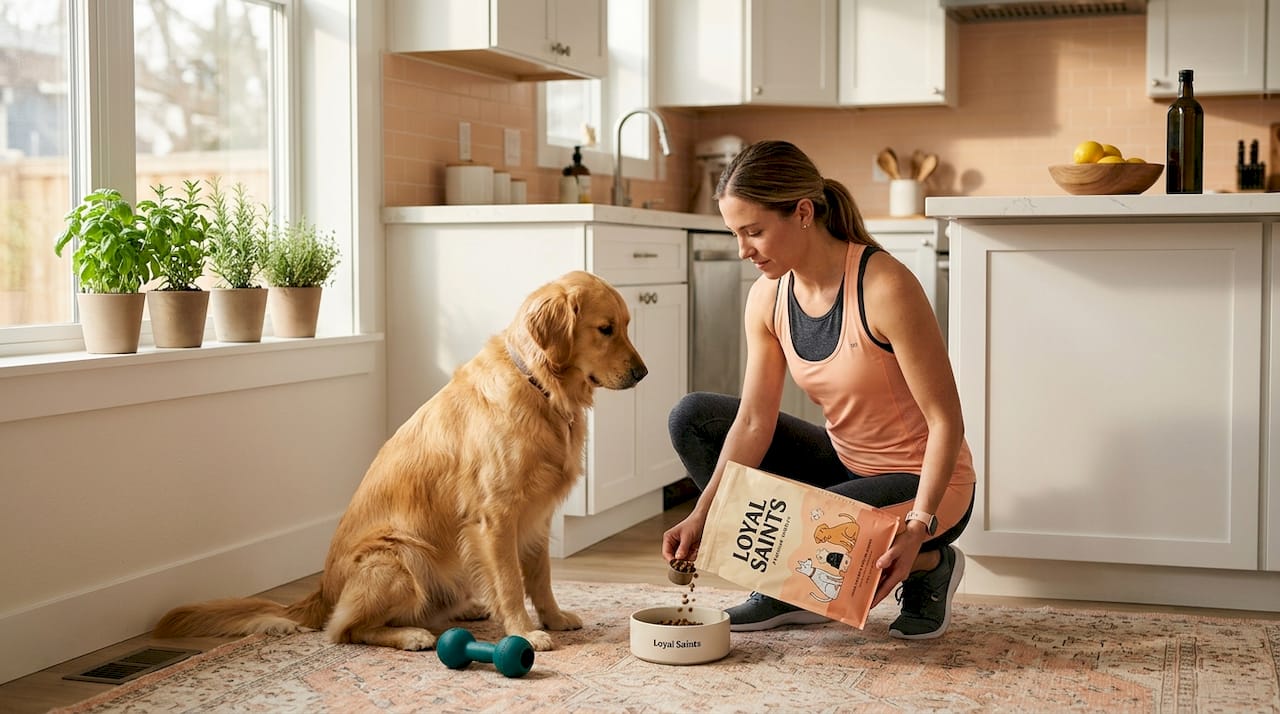
Measure every meal. Use a digital kitchen scale or measuring cup, not a coffee mug or a guess. Eyeballing portions consistently leads to overfeeding.
Set two scheduled meal times daily. Regular timing regulates digestion and reduces food-guarding behavior. Free feeding leaves dogs vulnerable to overeating.
Coordinate feeding among family members. Decide who feeds the dog and when. Double-feeding is more common than most owners realize.
Use treats strategically. Treats should make up no more than 10% of your dog’s daily calories. The invisible calories from treats cause more weight gain than the main diet itself.
Avoid toxic foods entirely. Grapes, onions, xylitol, macadamia nuts, and chocolate are off-limits. Table scraps, even non-toxic ones, add up fast.
Try a slow-feeder bowl. Dogs who eat too quickly are prone to bloat and poor digestion. Slow feeders extend mealtime and add a small mental challenge.
Pro Tip: If multiple people in your home feed the dog, keep a simple whiteboard or phone note tracking when meals were given. This single habit prevents accidental double-feeding more reliably than memory alone.
2. Building effective daily dog exercise routines
Exercise is one of the most direct healthy pet lifestyle practices you can maintain. Healthy adult dogs need 30 minutes to two hours of daily exercise, and that range reflects genuine variation based on breed, age, and health. A young Labrador and a senior Shih Tzu are not working from the same playbook.

Regular movement manages weight, supports cardiovascular health, and balances behavior. Dogs that don’t get enough exercise often develop anxiety, destructive chewing, and excessive barking. Those behaviors are symptoms, not personality flaws.
Practical dog exercise routines worth building into your day:
Morning and evening walks. Splitting exercise into two sessions reduces overheating and is easier to sustain long-term than one long outing.
Use the pavement hand test. Press your hand to the pavement for seven seconds before a walk. If it’s too hot for your hand, it’s too hot for your dog’s paws. This simple daily safety check prevents paw burns that could sideline exercise for weeks.
Walk during cooler hours. Early morning and evening walks reduce heat-related stress, especially for brachycephalic breeds like Bulldogs and Pugs.
Carry water for both of you. Hydration during exercise is non-negotiable, especially in warm weather.
Increase intensity gradually. Exercise should build progressively based on your dog’s current fitness, not a sudden jump from sedentary to long hikes.
Add fetch, tug, or agility work. Walks are great, but variety keeps your dog mentally engaged while building different muscle groups.
For puppies, avoid high-impact repetitive exercise until growth plates close, usually around 12 to 18 months depending on breed size. For senior dogs, shorter and more frequent outings tend to work better than long, demanding ones.
Pro Tip: Use positive reinforcement consistently on walks. When the leash goes loose, pause and reward with praise or a treat. Dogs learn leash manners faster with encouragement than with correction.
3. Making dental care a daily non-negotiable
Dental care is one of the most overlooked healthy habits for dogs, yet it directly affects what your dog can eat, how comfortable they feel, and how long they stay healthy. Bad oral health doesn’t just cause bad breath. It can lead to painful tooth loss, difficulty eating, and infections that spread beyond the mouth.
Daily toothbrushing is the gold standard, though brushing several times per week still meaningfully reduces plaque buildup. Here’s how to build the habit without a battle:
Start with your finger. Before introducing a toothbrush, let your dog get used to you touching their gums and lips. Spend a few days on this step alone.
Use pet-specific toothpaste. Human toothpaste contains xylitol and fluoride, both toxic to dogs. Enzymatic dog toothpastes are effective and come in flavors dogs actually like, such as chicken or beef.
Introduce the brush gradually. Let your dog sniff the brush, then gently introduce it along the outer surfaces of the teeth. You don’t need to scrub the inner surfaces right away.
Add VOHC-accredited chews. The Veterinary Oral Health Council approves specific dental chews and diets as adjuncts to brushing. These help between sessions.
Watch for warning signs. Red gums, visible tartar, pawing at the mouth, or reluctance to eat hard food all signal a problem that needs a vet’s attention.
Pairing dental care with calm periods after exercise or a meal helps dogs accept toothbrushing because they’re relaxed and not wound up. Timing the habit this way genuinely improves how well it sticks.
Pro Tip: Keep the toothbrush and toothpaste on your nightstand as a visual reminder. Dogs brushed at the same time each evening become remarkably cooperative within two to three weeks.
4. Keeping your dog mentally stimulated every day
Physical exercise alone doesn’t cover everything your dog needs. Mental stimulation is just as much a part of healthy pet lifestyle practices as a good walk or a nutritious meal. A dog whose brain gets regular work is calmer, more confident, and far less likely to redecorate your furniture.
Boredom is one of the most underestimated causes of behavioral problems in dogs. Destructive chewing, excessive barking, and hyperactivity often trace back to a dog with too much energy and not enough to think about.
Ways to work mental enrichment into your routine:
Puzzle feeders and snuffle mats. Hide kibble or treats in a puzzle toy instead of a bowl. Your dog’s meal becomes a 10-minute mental workout.
Short training sessions daily. Five to ten minutes of sit, stay, heel, or new tricks builds focus and reinforces your bond. The mental effort tires dogs out more than people expect.
Nose work and scent games. Hide a treat under one of three cups and let your dog find it. This taps into their most powerful sense and provides deep mental satisfaction.
Controlled social time. Well-matched playdates with other dogs, or even calm interactions with new people, build confidence and reduce anxiety. Respect your dog’s comfort level and don’t force interactions.
Rotate toys weekly. A toy that disappears for a week and comes back feels new again. Novelty keeps engagement high without requiring constant purchases.
Watch for signs of overstimulation too. A dog that pants heavily, yawns repeatedly, or tries to disengage may need quiet time rather than more activity.
5. Routine grooming and preventive veterinary care
Grooming and vet care are the protective layer over everything else you do for your dog. Regular grooming keeps the coat and skin healthy, helps you catch lumps, wounds, or parasite activity early, and gives you regular hands-on contact that your dog learns to trust.
Basic grooming habits by category:
Brushing. Frequency depends on coat type. Short-haired breeds may only need weekly brushing, while long-haired breeds like Golden Retrievers benefit from brushing several times per week to prevent matting.
Bathing. Most dogs do well with a bath every four to six weeks. Over-bathing strips natural skin oils. Use a dog-specific shampoo.
Nail trimming. Overgrown nails cause discomfort and can affect your dog’s gait over time. Trim every three to four weeks or as needed.
Ear cleaning. Check ears weekly for odor, redness, or excess wax. Floppy-eared breeds are especially prone to infections.
For veterinary care, routine vet visits maintain health through vaccinations, deworming, and flea and tick control. Annual wellness exams catch issues before they become expensive or painful emergencies.
The CDC also recommends basic hygiene practices that protect your whole family. Washing hands after pet contact and disposing of dog waste properly significantly reduces zoonotic disease risk. Children under five, elderly family members, and anyone immunocompromised are at higher risk and deserve extra care around hygiene routines.
Pro Tip: Prepare your dog for vet visits at home by regularly handling their ears, paws, and mouth in a calm, positive way. Dogs that are comfortable with handling are easier to examine and less stressed during appointments.
My honest take on what actually builds a healthy dog lifestyle
I’ve spent a lot of time studying how dog health habits work in the real world versus how they look on paper. And the honest truth is that most owners don’t fail from lack of caring. They fail from inconsistency. A great week of walks followed by two sedentary weeks doesn’t build fitness. It builds frustration.
What I’ve found is that the smallest habits, done repeatedly, outperform occasional heroic efforts every time. Brushing your dog’s teeth three times a week, measuring food every single meal, and doing a quick paw check before every walk. These are tiny things that compound into a genuinely healthier, longer life.
I’ve also seen how deeply the pillars connect. A dog who exercises regularly is calmer for toothbrushing. A dog on a nutritious diet has better coat quality that makes grooming easier. A dog who gets daily mental stimulation is less anxious at the vet. These habits don’t just add up, they multiply.
The one thing I’d encourage you to let go of is the idea of perfection. You’ll miss a brushing session. You’ll travel and the routine will slip. That’s fine. What matters is coming back to the habits quickly and without guilt. Personalize the routine to your dog’s actual needs and your realistic schedule. A sustainable habit beats a perfect habit you abandon after three weeks every single time.
— Eyo
Give your dog the nutrition to match these habits
Building strong healthy dog lifestyle habits starts with what goes in the bowl. At Loyalsaintspets, every product is formulated from human-grade, whole ingredients with no fillers or artificial additives. The freeze-dried format locks in nutrients at peak freshness so your dog gets real proteins, fruits, and vegetables in every meal.

If you’re ready to upgrade your dog’s diet and support everything else you’re doing for their health, explore why freeze-dried nutrition is one of the best choices you can make. Then browse the full selection at the Loyal Saints shop to find the right fit for your dog’s age, size, and activity level. Better food means more tail wags for a longer time.
FAQ
How many times a day should I feed my dog?
Most adult dogs do well with two measured meals daily at consistent times. This supports healthy digestion and reduces the risk of overeating compared to free feeding.
How much exercise does a healthy adult dog need?
Healthy adult dogs benefit from 30 minutes to two hours of daily exercise, with intensity matched to their breed, age, and health condition.
How do I start brushing my dog’s teeth if they resist?
Begin by letting your dog get comfortable with you touching their mouth, then introduce dog-specific toothpaste before adding the brush. Pairing sessions with a calm post-exercise period and keeping them short, around one to two minutes, helps build acceptance quickly.
What are the signs my dog isn’t getting enough mental stimulation?
Destructive chewing, excessive barking, hyperactivity, and anxious pacing are common signs. Adding puzzle feeders, short daily training sessions, and scent games addresses most of these behaviors at the root.
How often should my dog visit the vet?
Once a year is the standard recommendation for healthy adult dogs, with senior dogs generally benefiting from twice-yearly visits. Routine preventive care through vaccinations, deworming, and parasite control keeps chronic and infectious conditions in check.
Recommended
Comments