.png)
Essential Guide to Freeze-Dried Dog Food for Optimal Health
- Nick Willkom
- Dec 12, 2025
- 8 min read

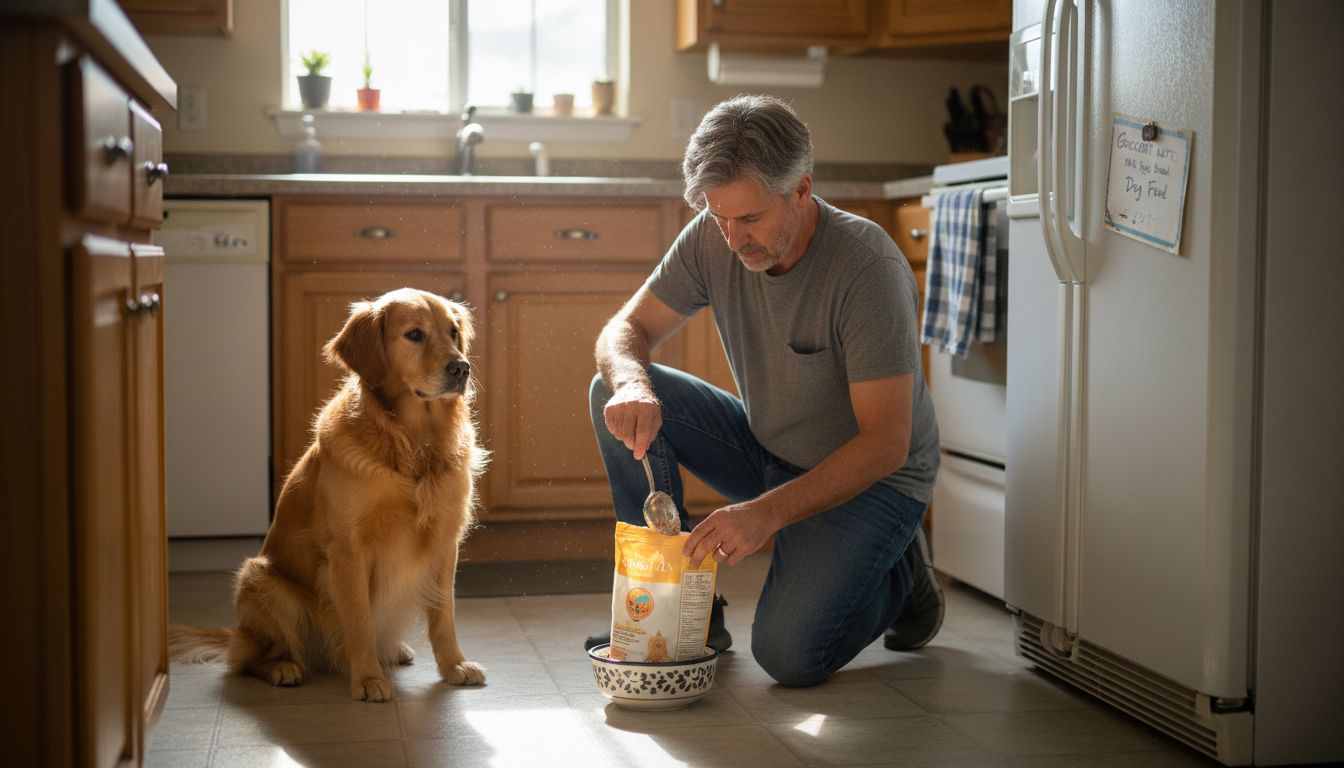
Over half of American households own at least one dog, yet choosing and serving the right freeze-dried dog food often leaves even experienced pet owners scratching their heads. With so many brands and conflicting health claims, it is easy to feel uncertain about what truly benefits your companion. This guide breaks down each step, offering clear direction based on reputable American standards so you can confidently improve your dog’s nutrition and overall health.
Table of Contents
Quick Summary
Key Point | Explanation |
1. Choose appropriate freeze-dried food | Select food that meets your dog’s species, life stage, and health needs, checking for AAFCO nutritional standards. |
2. Measure serving portions carefully | Follow package guidelines for serving sizes based on your dog’s weight and activity level to avoid overfeeding. |
3. Properly rehydrate food for nutrition | Use room temperature filtered water and follow product instructions to achieve the right texture for easy digestion. |
4. Monitor your dog’s responses to food | Observe energy levels, coat condition, and digestion to ensure compatibility with the new diet; consult your vet if issues arise. |
5. Adjust feeding routine as needed | Regularly track and adapt your dog’s diet based on changes in metabolism, age, and health to maintain optimal nutrition. |
Step 1: Choose the Right Freeze-Dried Dog Food
Selecting the perfect freeze-dried dog food requires careful consideration of your furry friend’s unique nutritional needs. When navigating the world of dog nutrition, understanding key selection criteria will help you make an informed decision that supports your pet’s health and vitality.
Start by examining the product labels closely. The Association of American Feed Control Officials recommends selecting foods labeled specifically for your dog’s species, life stage, and health condition. This means looking beyond marketing claims and focusing on nutritional completeness. Check for an AAFCO statement that confirms the food meets established nutritional standards. Consider your dog’s age, weight, activity level, and any specific health requirements when comparing options.
With freeze-dried foods, safety is paramount. The FDA cautions pet owners about potential health risks associated with raw pet food diets, so prioritize brands that demonstrate rigorous quality control and transparent sourcing. Look for high-quality protein sources listed first, minimal processing, and no artificial preservatives. Ideally, choose products with whole food ingredients you can recognize and pronounce.
A quick pro tip: When trying a new freeze-dried food, transition gradually by mixing it with your dog’s current diet over 7-10 days. This helps prevent digestive upset and allows you to monitor how your dog responds to the new nutrition. Watch for signs of good digestion, energy levels, and overall health as indicators of a successful dietary change.
Ready to explore specific brands? Our Checklist for Choosing Freeze-Dried Dog Food can guide you through the selection process step by step.
Step 2: Prepare Proper Serving Portions
Preparing the right serving portions for your dog’s freeze-dried food is crucial for maintaining optimal nutrition and preventing overfeeding. Understanding how to measure and serve the correct amount will help keep your furry friend healthy and energetic.
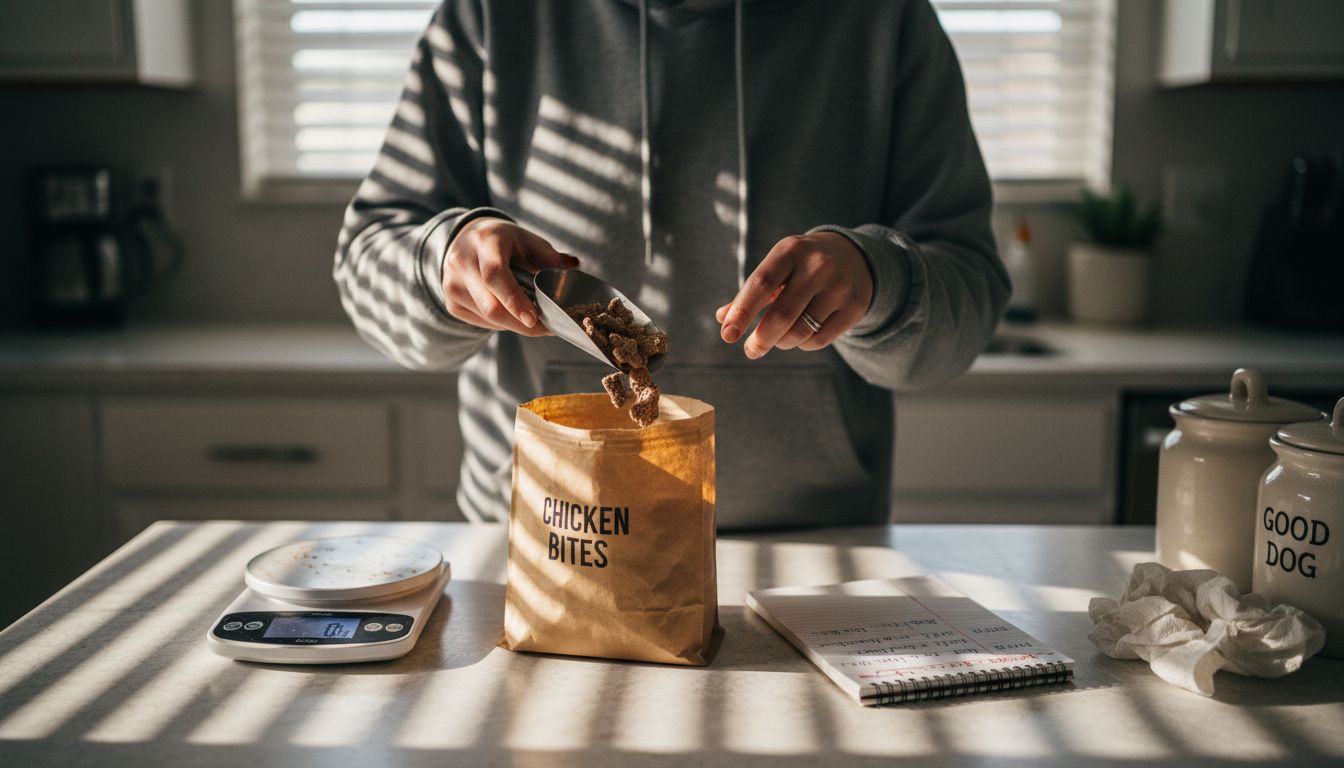
Feeding guidelines from the Association of American Feed Control Officials emphasize the importance of following recommended serving sizes based on your dog’s specific needs. Start by checking the packaging for weight-based portion recommendations, which typically vary depending on your dog’s age, weight, and activity level. Most freeze-dried foods provide a detailed chart that breaks down serving sizes precisely. For accurate measurement, use a kitchen scale or the provided measuring cup to ensure consistency.
Safety is paramount when handling freeze-dried dog food. The FDA recommends careful preparation and handling of raw pet food products to minimize contamination risks. Thaw the food in the refrigerator and serve it promptly, avoiding room temperature exposure for extended periods. A helpful tip is to portion out your dog’s meals in advance and store them in sealed containers in the refrigerator.
Factors like your dog’s metabolism, weight goals, and activity level can impact portion sizes. Our Dog Feeding Portion Calculator can help you fine-tune precise serving amounts. Remember that individual dogs metabolize food differently, so monitor your pet’s weight and energy levels, and be prepared to adjust portions as needed.
Consult with your veterinarian to create a personalized feeding plan that takes into account your dog’s unique health requirements. They can provide specific guidance on portion control and nutritional balance tailored to your pet’s individual needs.
Step 3: Rehydrate Meals for Maximum Nutrition
Rehydrating freeze-dried dog food is a critical step in ensuring your pet receives optimal nutrition and enjoys a palatable meal. The process transforms lightweight, preserved food into a delicious and nutritionally complete dining experience for your furry companion.
The FDA recommends careful handling of raw pet food products to minimize potential health risks during preparation. Begin by measuring the recommended dry portion and use room temperature filtered water for rehydration. Pour water slowly over the freeze-dried food and let it sit for 3-5 minutes, stirring occasionally to ensure even moisture distribution. The goal is to create a consistent texture that resembles fresh food while maintaining the nutritional integrity of the original ingredients.
The rehydration process varies depending on the specific product, so always consult the packaging instructions. Some freeze-dried foods require different water ratios or preparation methods. Understanding how hydration affects dog digestion can help you perfect the rehydration technique. Aim for a soupy consistency if your dog needs extra moisture, or a slightly firmer texture for dogs with different preferences.
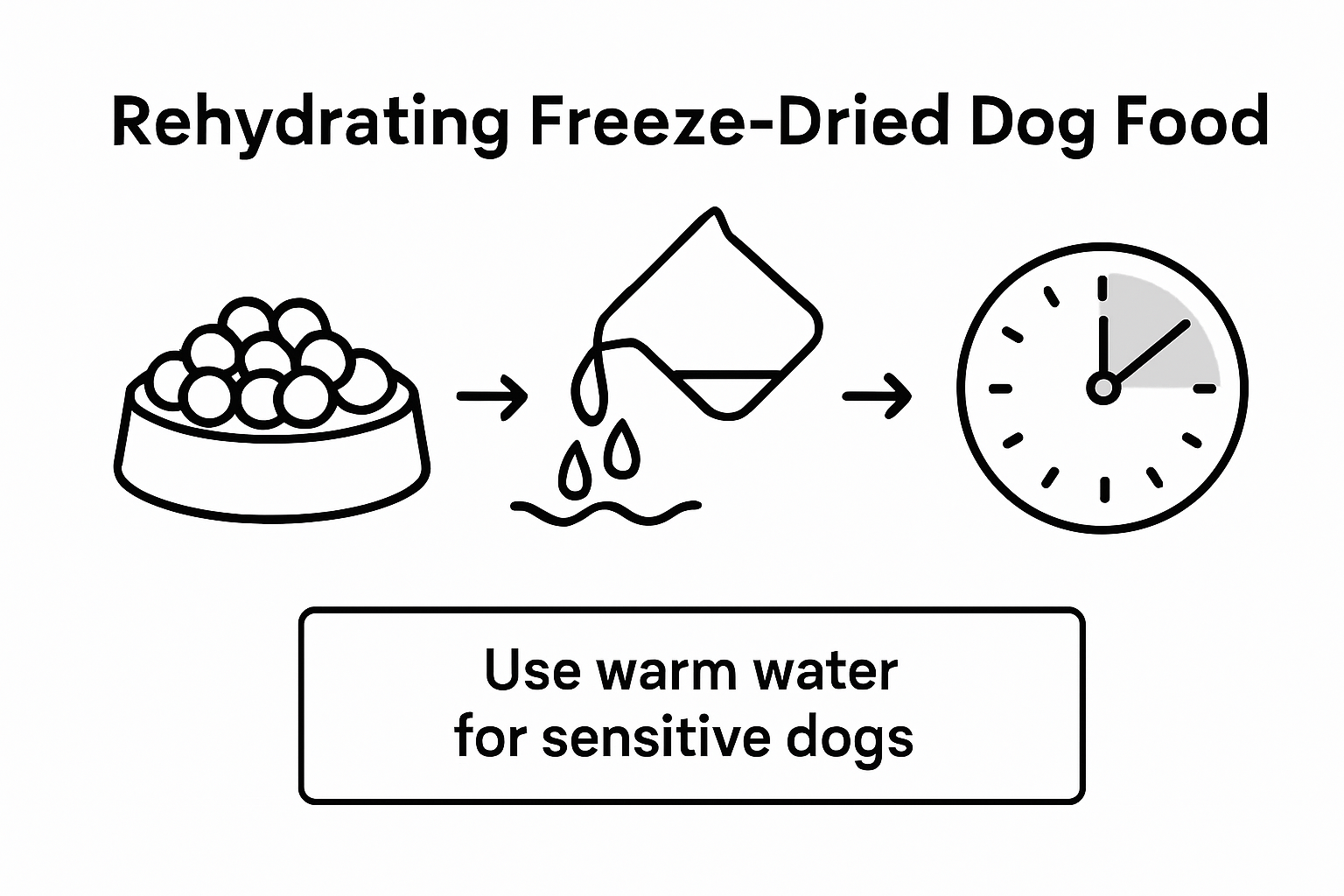
A pro tip for perfect rehydration is to use warm water for older dogs or those with sensitive teeth, as it can make the food more appealing and easier to eat. Always check the food temperature before serving to ensure it is comfortable for your dog. Monitor your pet’s response to the rehydrated meal and adjust the preparation method as needed.
Quick safety note: Never leave rehydrated food at room temperature for more than 30 minutes. Refrigerate any unused portions and discard them after 48 hours to prevent bacterial growth and maintain food safety.
Step 4: Serve and Monitor Your Dog’s Response
Serving freeze-dried dog food is more than just placing a meal in front of your pet. It requires careful observation and understanding of how your dog responds to their new nutritional approach. The goal is to ensure your dog not only enjoys their meal but also receives optimal health benefits.
The FDA recommends closely monitoring pets when introducing new food products, especially with raw or freeze-dried diets. Start by serving a small portion and watching for signs of enjoyment or potential digestive issues. Look for indicators like consistent energy levels, stable appetite, healthy coat condition, and regular bowel movements. Any sudden changes in behavior or physical condition warrant immediate attention and potentially consulting your veterinarian.
Tracking your dog’s response involves more than visual observation. Our Dog Dietary Health Checker can help you systematically record and assess your pet’s nutritional adaptation. Pay attention to subtle changes in weight, muscle tone, and overall vitality. Some dogs might take a week or two to fully adjust to freeze-dried food, so patience is key.
A critical tip is maintaining a consistent feeding schedule. Sudden dietary changes can upset your dog’s digestive system, so introduce freeze-dried food gradually. Mix it with their previous food initially, slowly increasing the proportion of freeze-dried meals over 7-10 days. This transition helps your dog’s system adapt without causing unnecessary stress.
Remember that every dog is unique. What works perfectly for one might require slight adjustments for another. Stay observant, keep communication open with your veterinarian, and be ready to make informed modifications to support your dog’s individual nutritional needs.
Step 5: Adjust Feeding Routine for Lasting Results
Adapting your dog’s freeze-dried food routine is an ongoing process that requires attentive care and strategic modifications. Success lies in understanding that your dog’s nutritional needs are dynamic and will change with age, activity level, and overall health status.
AAFCO guidelines recommend personalizing feeding portions and directions based on your pet’s specific condition. Start by establishing a baseline feeding schedule that considers your dog’s weight, age, breed, and activity level. Track your dog’s weight monthly and adjust portion sizes accordingly. Young, active dogs might require more calories, while senior or less active dogs need carefully controlled portions to prevent weight gain.
Paying close attention to your dog’s physical response is crucial. Our comprehensive guide on common dog feeding mistakes can help you recognize potential nutritional imbalances. Watch for signs like changes in coat quality, energy levels, muscle tone, and overall vitality. Some dogs might need slight adjustments in protein or fat content depending on their metabolism and health conditions.
A critical strategy is maintaining flexibility in your feeding approach. Seasonal changes, health developments, or shifts in activity can all necessitate dietary modifications. Consult with your veterinarian regularly to ensure your freeze-dried food routine continues to meet your dog’s evolving nutritional needs. Remember that consistency combined with thoughtful adaptation is the key to long-term health and happiness.
Elevate Your Dog’s Health with Premium Freeze-Dried Nutrition
If you are seeking a natural solution to support your dog’s vitality, muscle strength, and digestive health through balanced, carefully rehydrated freeze-dried meals, Loyal Saints Pets is here to help. This essential guide highlighted how selecting the right freeze-dried dog food, preparing proper portions, and monitoring your dog’s response are critical steps. Our commitment to human-grade whole ingredients with no fillers or additives aligns perfectly with your goal of providing optimal nutrition for a happy and healthy furry family member.

Discover the benefits of our expertly crafted Chicken | Loyal Saints and Beef | Loyal Saints freeze-dried options designed to meet AAFCO standards and veterinarian approval. Act now to join thousands of pet owners who trust Loyal Saints Pets for wholesome nutrition that promotes longer and more joyful lives for dogs. Explore our selection today and experience the convenience of free shipping on qualifying orders. Your dog deserves the best—start their health journey today.
Frequently Asked Questions
How do I choose the right freeze-dried dog food for my pet?
Selecting the right freeze-dried dog food involves examining product labels for nutritional completeness specific to your dog’s species, life stage, and health condition. Start by looking for AAFCO statements on the packaging and consider your dog’s age, weight, and activity level when making your choice.
What is the best way to prepare serving portions of freeze-dried dog food?
To prepare serving portions, refer to the packaging for recommended serving sizes based on your dog’s specific needs. Use a kitchen scale or measuring cup to ensure consistency and monitor your dog’s weight monthly to adjust portions as necessary.
How do I properly rehydrate freeze-dried dog food for my dog?
Rehydrate freeze-dried dog food by measuring the recommended dry portion and adding room temperature filtered water. Let it sit for 3-5 minutes, stirring occasionally, until the desired texture is achieved, ensuring your dog enjoys a appetizing meal.
What should I monitor after serving freeze-dried food to my dog?
After serving freeze-dried food, observe your dog’s energy levels, appetite, and overall health. Keep track of any changes in weight or digestion, as it may take a week or two for your dog to adjust to the new food.
How can I adjust my dog’s feeding routine for optimal health?
To adjust your dog’s feeding routine, regularly track their weight and energy levels to tailor portion sizes. Consult with your veterinarian for guidance and make modifications based on age, activity level, and overall health to ensure your dog’s nutritional needs are met long-term.
Recommended
Comments