.png)
Balanced Nutrition for Dogs: Vital Health Impact
- Towanda Brunson
- Feb 10
- 9 min read

Finding the right nutrition for your dog in cities like New York or San Francisco can feel overwhelming when every label promises something different. What truly makes a diet balanced and supports longevity for your pet matters now more than ever. This guide explains how balanced nutrition for dogs goes beyond just feeding, highlighting the science behind tailored diets and why freeze-dried formulas offer real, veterinarian-approved benefits for your furry companion’s health and vitality.
Table of Contents
Key Takeaways
Point | Details |
Balanced Nutrition Is Essential | Dogs require a tailored diet that includes high-quality proteins, fats, carbohydrates, vitamins, and minerals to maintain optimal health. |
Nutritional Needs Change with Age | Dogs’ dietary requirements differ significantly across life stages, necessitating adjustments in their feeding regimen. |
Consulting Professionals is Crucial | Working with a veterinary nutritionist ensures a personalized nutrition plan to meet the specific needs and goals of your dog. |
Understanding Labels is Important | Familiarize yourself with AAFCO guidelines for pet food labeling to ensure knowledgeable food selection for your dog. |
Defining Balanced Nutrition for Dogs
Balanced nutrition represents a strategic approach to feeding dogs that ensures they receive optimal nutrients tailored to their unique physiological requirements. At its core, balanced nutrition goes far beyond simply providing food - it’s about delivering precise combinations of macronutrients, vitamins, and minerals that support comprehensive canine health.
Scientific research highlights that balanced nutrition involves understanding the intricate interplay between different nutritional components. Canine nutrition experts emphasize that proper nutrition must account for several critical factors:
Age-specific nutritional needs
Individual metabolic variations
Breed-specific dietary requirements
Activity level and energy expenditure
Overall health status
The fundamental goal of balanced nutrition is creating a holistic dietary approach that promotes optimal physiological function. This means carefully selecting whole food ingredients that provide natural, bioavailable nutrients supporting everything from muscle development to immune system resilience.
Modern nutritional science recognizes that dogs are not simply small wolves, but domesticated companions with unique dietary adaptations. Functional food research demonstrates that strategic nutrient combinations can significantly enhance metabolic health, potentially extending canine longevity and improving quality of life.
Key Components of Balanced Nutrition:
High-quality protein sources
Complex carbohydrates
Essential fatty acids
Vitamins and trace minerals
Appropriate fiber content
Understanding balanced nutrition requires recognizing that every dog is an individual with distinct nutritional requirements. Factors like breed, age, weight, activity level, and overall health dramatically influence dietary needs.
Pro tip: Consult with a veterinary nutritionist to develop a personalized nutrition plan that addresses your specific dog’s unique metabolic profile and health goals.
Key Nutrients Essential for Canine Health
Providing dogs with a comprehensive nutritional profile requires understanding the intricate roles of key nutrients that support their overall health and vitality. Amino acids and proteins form the fundamental building blocks of a dog’s physiological functions, playing critical roles in muscle development, tissue repair, and metabolic processes.
Modern canine nutrition research identifies several essential nutrient categories that dogs require for optimal health:
Proteins: Primary source of amino acids
Fats: Provide energy and support cellular functions
Carbohydrates: Support energy metabolism
Vitamins: Essential for metabolic regulation
Minerals: Critical for bone health and enzymatic processes
Nutritional science demonstrates that customizing dietary intake based on a dog’s age, size, and activity level is crucial for maintaining robust immune function and supporting overall physiological well-being. Each nutrient plays a unique and interconnected role in maintaining canine health.
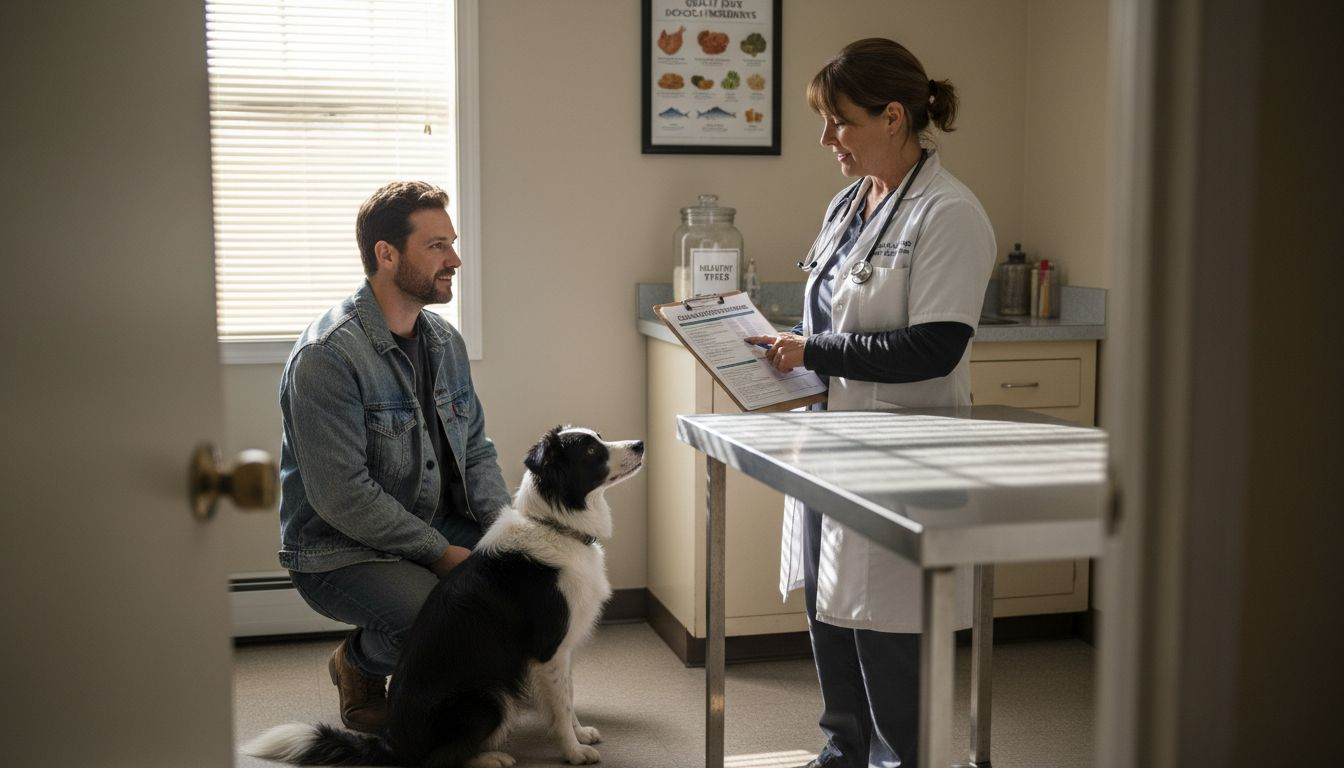
Proteins are particularly important, serving as more than just energy sources. They are fundamental in creating enzymes, hormones, and antibodies that regulate complex bodily functions. Essential amino acids, which cannot be produced by the dog’s body, must be obtained through diet, making high-quality protein sources critically important.
Nutrient Roles in Canine Health:
Muscle maintenance and growth
Immune system support
Energy production
Metabolic regulation
Cellular repair and regeneration
Understanding these nutritional requirements helps dog owners make informed decisions about their pet’s diet, ensuring they receive a balanced and comprehensive nutritional profile that supports long-term health and vitality.
Pro tip: Consult with a veterinary nutritionist to develop a personalized nutrition plan that precisely matches your dog’s unique metabolic needs and health goals.
AAFCO Standards and Label Requirements
The Association of American Feed Control Officials (AAFCO) plays a critical role in establishing standardized guidelines for pet food nutrition and labeling across the United States. Consumer-friendly labeling guidelines have transformed how pet owners understand and evaluate commercial dog food products, creating unprecedented transparency in nutritional information.
AAFCO standards encompass several key areas of pet food regulation:
Nutritional Adequacy: Ensuring complete and balanced nutrition
Ingredient Transparency: Detailed ingredient declarations
Guaranteed Analysis: Precise nutrient percentage reporting
Feeding Instructions: Clear guidelines for appropriate serving sizes
Product Categorization: Defining product use and intended purpose
The labeling requirements are designed to protect consumers and ensure that pet food manufacturers provide accurate, comprehensive information about their products. These standards mandate that labels include critical details such as:
Protein content percentages
Moisture levels
Crude fat content
Crude fiber percentages
Specific ingredient sourcing
Key Label Information Elements:
Manufacturer contact information
Product name and description
Net weight
Ingredient list in descending order
Nutritional adequacy statement
These regulations help dog owners make informed decisions by providing clear, standardized information about the nutritional composition and intended use of pet food products. Understanding these standards empowers pet owners to select foods that truly meet their dog’s specific dietary requirements.
Pro tip: Always review the AAFCO nutritional adequacy statement on pet food labels to ensure the product is appropriate for your dog’s life stage and health needs.
Life Stage and Activity-Based Adjustments
Dog nutrition is not a one-size-fits-all approach, but a dynamic process that evolves with the animal’s changing physiological needs. Nutritional requirements vary dramatically across different life stages, demanding tailored dietary strategies that support optimal health and vitality.
Key nutritional adjustments for different life stages include:
Puppies: Higher protein and calorie needs
Adult Dogs: Balanced maintenance diet
Senior Dogs: Reduced calorie, enhanced digestibility
Pregnant/Nursing Females: Increased nutrient density
Working/Athletic Dogs: Higher protein and energy requirements
Factors Influencing Nutritional Needs:
Breed size
Metabolic rate
Activity level
Health conditions
Reproductive status
Research demonstrates significant variability in nutrient requirements between different dog populations. Breed size particularly impacts metabolic demands, with smaller breeds typically requiring more calories per pound compared to larger breeds.
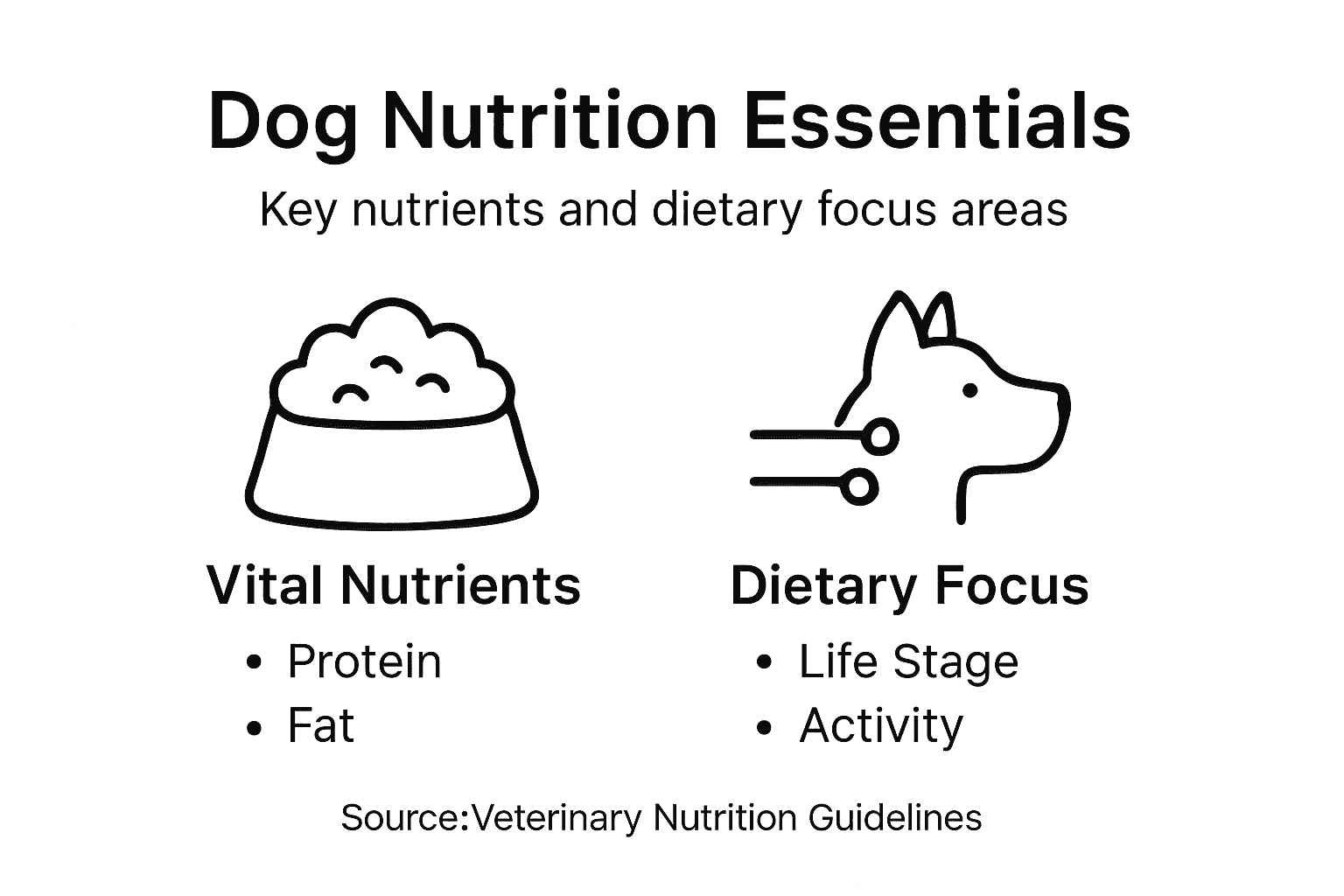
Nutritional strategies must be adaptive, recognizing that a high-energy working dog will have vastly different requirements from a senior companion animal. Protein quality, fat content, and micronutrient balance should be carefully calibrated to support each dog’s unique physiological stage and activity level.
Nutritional Adjustment Considerations:
Monitor body condition regularly
Adjust portions based on activity changes
Select age-appropriate formulations
Consider breed-specific nutritional needs
Consult veterinary professionals for personalized guidance
Pro tip: Schedule annual veterinary nutritional assessments to ensure your dog’s diet remains optimally aligned with their current life stage and health status.
Here’s a snapshot of how canine nutrition needs change throughout different life stages:
Life Stage | Key Nutrition Focus | Example Dietary Adjustment |
Puppy | Rapid growth support | Increased protein and calories |
Adult | Maintenance and energy | Balanced macronutrient ratios |
Senior | Healthy aging | Lower fat, enhanced digestibility |
Pregnant/Nursing Female | Reproduction/lactation | Higher nutrient density |
Working/Athletic | Sustained performance | Elevated protein and fat intake |
Risks of Nutritional Imbalances and Common Myths
Nutritional imbalances can significantly impact canine health, presenting complex challenges that extend far beyond simple dietary choices. Understanding these risks requires careful examination of common misconceptions and scientific evidence surrounding dog nutrition.
Common nutritional myths that can potentially harm dog health include:
Raw Diets are Always Superior: Not scientifically proven
Home Cooking Guarantees Better Nutrition: Often leads to nutrient deficiencies
One-Size-Fits-All Feeding Approach: Ignores individual dog variations
Supplements Can Replace Balanced Diets: Potentially dangerous misconception
Grain-Free Diets are Healthier: Can create nutritional imbalances
Potential Risks of Nutritional Imbalances:
Obesity
Skeletal disorders
Mineral deficiencies
Compromised immune function
Metabolic disruptions
Research highlights critical concerns surrounding home-prepared and unconventional diets. These approaches often lack professional nutritional guidance, potentially leading to significant health complications that may not be immediately apparent.
Nutritional science demonstrates that balanced, professionally formulated diets remain the gold standard for canine health. Dogs require precise nutrient combinations that support their unique physiological needs, which cannot be consistently achieved through amateur dietary experiments.
Warning Signs of Nutritional Imbalance:
Unexplained weight changes
Dull coat quality
Reduced energy levels
Digestive irregularities
Frequent illness
Pro tip: Consult a veterinary nutritionist annually to ensure your dog’s diet meets their specific health requirements and addresses individual metabolic needs.
Premium Freeze-Dried Food: Real-World Benefits
Freeze-dried dog food represents a breakthrough in canine nutrition, offering a sophisticated approach to preserving nutrient integrity and maximizing digestive health. This innovative food preparation method goes beyond traditional processing techniques, delivering remarkable nutritional benefits that support dogs’ overall well-being.
Key advantages of freeze-dried dog food include:
Maximum Nutrient Retention: Preserves essential vitamins and minerals
High Protein Digestibility: Superior amino acid absorption
Minimal Processing: Maintains ingredient quality
Extended Shelf Life: Convenient storage options
Natural Flavor Preservation: Enhanced palatability
Nutritional Characteristics of Freeze-Dried Foods:
Higher protein concentration
Lower moisture content
Reduced bacterial contamination risks
Concentrated nutrient profile
Improved digestive efficiency
Pet nutrition experts highlight that freeze-dried formulations offer a compelling alternative to traditional dog food formats. The low-heat preservation process ensures that essential nutrients remain intact, supporting optimal metabolic function and promoting long-term canine health.
Unlike conventional processing methods, freeze-drying maintains the structural integrity of ingredients, creating a nutrient-dense food that closely mimics the nutritional profile of minimally processed diets. This approach supports better digestive health, improved nutrient absorption, and enhanced overall vitality for dogs.
Comparative Nutritional Advantages:
Reduced inflammatory responses
Enhanced immune system support
Better weight management
Improved skin and coat health
More consistent energy levels
Pro tip: Gradually transition to freeze-dried food by mixing with current diet, monitoring your dog’s response and consulting with your veterinarian to ensure optimal nutritional adaptation.
The table below contrasts freeze-dried food benefits with conventional dry kibble:
Feature | Freeze-Dried Food | Conventional Kibble |
Nutrient Preservation | High due to low-heat process | Moderate, heat-sensitive loss |
Digestibility | Superior; minimal additives | Good but often lower |
Shelf Life | Extended, moisture removed | Long, but may use preservatives |
Palatability | Enhanced, real flavors remain | Often flavor enhancers needed |
Ingredient Integrity | Whole-food pieces visible | Processed, ground components |
Elevate Your Dog’s Health with Balanced, Natural Nutrition
Balanced nutrition is essential for your dog’s vitality and long-term health. If you want to overcome the challenges of nutrient imbalances, breed-specific needs, and life stage adjustments discussed in the article, choosing the right food matters. At Loyal Saints Pets, we provide premium, freeze-dried dog food made from human-grade whole ingredients that perfectly align with key principles like high protein quality, essential fatty acids, and natural nutrient preservation.
Experience the benefits of freeze-dried freshness, AAFCO-compliant balanced nutrition, and recipes crafted to support muscle strength, immune resilience, and digestive health. Whether your dog is a growing puppy or a senior companion, our Bundles | Loyal Saints offer tailored solutions to meet their unique metabolic needs.

Discover why so many pet owners trust Loyal Saints Pets to support happier, healthier lives for their dogs. Start your dog’s personalized nutrition journey now with our specially curated beef options at Beef | Loyal Saints or explore all our premium offerings on our homepage. Act today to give your beloved companion the balanced nutrition they deserve and enjoy the confidence of feeding your dog with products designed for optimal health.
Frequently Asked Questions
What constitutes balanced nutrition for dogs?
Balanced nutrition for dogs involves providing a precise combination of macronutrients, vitamins, and minerals tailored to their unique physiological needs, supporting comprehensive canine health.
How do I know if my dog is receiving balanced nutrition?
To ensure your dog is receiving balanced nutrition, consult with a veterinary nutritionist to create a personalized plan that considers your dog’s age, breed, activity level, and health status. Look for AAFCO nutritional adequacy statements on pet food labels for confirmation.
What are the risks of feeding my dog a nutritionally imbalanced diet?
Nutritional imbalances can lead to various health issues such as obesity, skeletal disorders, mineral deficiencies, compromised immune function, and metabolic disruptions, which can adversely affect your dog’s overall well-being.
How can freeze-dried food benefit my dog’s nutrition?
Freeze-dried food maintains maximum nutrient retention and enhances digestibility while providing a concentrated nutrient profile, which can improve your dog’s overall digestive health and vitality.
Recommended
Comments