.png)
Balanced Dog Nutrition: Complete Guide for Pet Health
- Nick Willkom
- Dec 2, 2025
- 8 min read

More than 63 million american households count a dog as part of the family, yet many owners do not realize that what goes in the bowl each day can dramatically shape a pet’s quality of life. Proper nutrition is about more than just food—it is the foundation for strong muscles, healthy coats, sharp minds, and vibrant energy. This guide offers american families clear answers and science-based insight into balanced dog nutrition so every meal supports lasting canine health.
Table of Contents
Key Takeaways
Point | Details |
Balanced Dog Nutrition is Essential | A balanced diet ensures dogs receive all necessary nutrients for optimal health, including proteins, fats, carbohydrates, vitamins, minerals, and water. |
Individual Nutritional Needs Vary | Dogs have unique dietary requirements based on factors like age, breed, size, and health conditions, necessitating tailored nutrition. |
Quality Matters in Dog Food | Selecting high-quality, natural ingredients is crucial; prioritize recognizable, whole-food sources over processed components. |
Preventing Nutritional Imbalance is Key | Nutritional deficiencies can lead to serious health issues; proactive management and regular vet consultations are essential for a dog’s well-being. |
Balanced Dog Nutrition Defined and Explained
Balanced dog nutrition represents a comprehensive approach to providing dogs with all essential nutrients required for optimal health, growth, and vitality. At its core, a balanced diet provides precise proportions of proteins, fats, carbohydrates, vitamins, minerals, and water that support a dog’s physiological needs. Veterinarian-approved pet diets play a critical role in ensuring these nutritional requirements are consistently met.
Dogs require six fundamental nutritional components: proteins for muscle development and repair, fats for energy and cellular function, carbohydrates for sustained metabolic activity, vitamins for enzymatic processes, minerals for structural support, and water for hydration and cellular transport. The Complete Guide to Dog Food: Nutrition & Safety emphasizes that these nutrients must be provided in scientifically calculated ratios to promote optimal canine health.
The Association of American Feed Control Officials (AAFCO) establishes rigorous guidelines that help ensure commercial dog foods meet comprehensive nutritional standards. These guidelines consider factors like a dog’s age, size, activity level, and specific health conditions. By following AAFCO recommendations, pet owners can confidently select dog foods that provide balanced nutrition. Critically, not all dogs have identical nutritional needs - factors like breed, weight, metabolism, and health status significantly influence dietary requirements. 6 Essential Nutrients Your Dog Needs Daily provides deeper insights into these nuanced nutritional considerations.
Ultimately, balanced dog nutrition transcends simply filling a food bowl. It represents a strategic approach to supporting your dog’s long-term health, energy levels, immune function, and overall quality of life. By understanding and implementing precise nutritional principles, pet owners can help their dogs thrive, prevent potential health issues, and enjoy vibrant, active lives.
Essential Nutrients and Food Groups for Dogs
A dog’s diet must include seven critical nutrient groups that work synergistically to support overall health and vitality. Essential ingredients for healthy dogs play a pivotal role in maintaining optimal physiological function, with each nutrient group serving unique and interconnected purposes. Dogs require precise nutritional balance to support their metabolism, immune system, and energy production.
The seven essential nutrient groups include proteins, which are fundamental for muscle development, tissue repair, and immune function. Proteins provide essential amino acids that dogs cannot produce independently and must obtain through diet. Fats and fatty acids serve as concentrated energy sources, support cellular membrane health, and help dogs absorb fat-soluble vitamins. Carbohydrates provide readily available energy and support digestive health, while fiber aids in maintaining proper digestive tract function and regulating nutrient absorption.

Vitamins and minerals represent another crucial component of canine nutrition, acting as metabolic regulators and supporting numerous physiological processes. Vitamins like A, D, E, and K facilitate essential functions ranging from vision support to bone health, while minerals such as calcium, phosphorus, and potassium contribute to bone strength, muscle function, and cellular communication. Water, often overlooked, is perhaps the most critical nutrient, comprising approximately 60-70% of a dog’s body composition and facilitating nearly every metabolic process.
Selecting the right food involves understanding these complex nutritional requirements and choosing high-quality ingredients that provide comprehensive nutrition. Dog owners should prioritize whole-food ingredients, consult with veterinarians, and recognize that nutritional needs vary based on factors like age, breed, size, and individual health conditions. By approaching dog nutrition as a holistic, scientifically informed practice, pet parents can help their furry companions maintain optimal health, energy, and longevity.
Benefits of Balanced Diets for Canine Health
A balanced diet is fundamental to maintaining optimal canine health, providing comprehensive nutritional support that impacts every aspect of a dog’s physical and mental well-being. How Diet Impacts Dog Energy and Longevity highlights the critical connection between nutrition and a dog’s overall quality of life. Proper nutrition goes far beyond simply preventing hunger, serving as a cornerstone for supporting immune function, maintaining healthy body weight, and promoting long-term wellness.
The physiological benefits of a balanced diet are profound and multifaceted. Nutritional balance directly influences a dog’s metabolism, supporting critical bodily functions such as muscle development, cellular repair, and energy production. Dogs receiving consistent, high-quality nutrition demonstrate improved coat health, stronger immune responses, and more stable energy levels. Proper nutrient intake helps regulate critical systems, including digestive health, cardiovascular function, and hormonal balance, ultimately contributing to a more resilient and vibrant companion.
Nutritional strategies can also play a preventative role in managing potential health challenges. How Diet Helps Manage Canine Diabetes demonstrates how targeted nutrition can mitigate risks associated with chronic conditions. Senior dogs, in particular, benefit from carefully curated diets that address age-related metabolic changes, supporting joint health, cognitive function, and overall vitality. By prioritizing balanced nutrition, dog owners can potentially reduce veterinary intervention, minimize health complications, and extend their pet’s quality of life.
Ultimately, a balanced diet represents an investment in a dog’s present and future well-being. The cumulative effects of consistent, high-quality nutrition manifest in improved physical performance, enhanced mental clarity, and a more robust immune system. Dog owners who understand and implement comprehensive nutritional strategies are empowered to support their companions’ health proactively, transforming daily meals from mere sustenance into a powerful tool for promoting longevity, happiness, and vitality.
Risks of Nutritional Imbalance in Dogs
Nutritional imbalances can profoundly impact a dog’s health, creating a cascade of potential medical complications that extend far beyond simple dietary concerns. 7 Common Dog Feeding Mistakes and How to Fix Them illuminates the critical importance of understanding potential nutritional pitfalls. Improper nutrition can trigger a range of health issues, from subtle metabolic disruptions to severe physiological disorders that compromise a dog’s overall well-being.
Mineral and vitamin imbalances pose significant risks to canine health. Calcium deficiency, for instance, can lead to devastating consequences like secondary hyperparathyroidism, causing major bone loss, skeletal abnormalities, and potential pathological fractures. Conversely, over-supplementation carries equally serious dangers. How Micronutrient Deficiencies Trigger Gut Inflammation reveals how excessive vitamin intake can result in complex health problems, including bone and joint pain, brittle bones, and organ dysfunction.
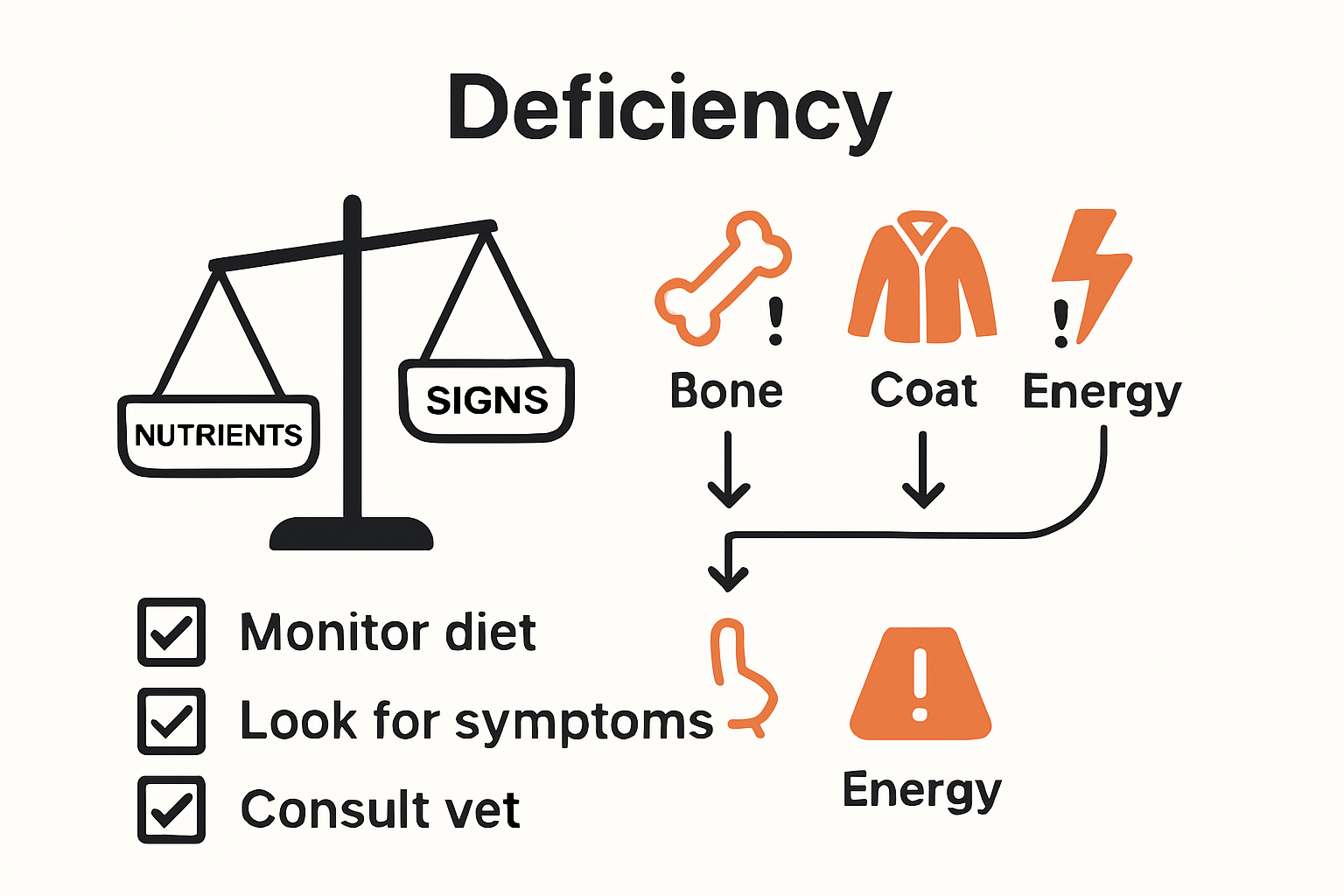
Nutritional imbalances manifest through various warning signs that dog owners must recognize. Symptoms like persistent lethargy, unexplained weight changes, dull coat, recurring digestive issues, and compromised immune responses can indicate underlying nutritional deficiencies. 5 Signs Your Dog Needs a Better Food Formula provides critical insights into identifying these early warning signals. Chronic nutritional imbalances can progressively weaken a dog’s system, potentially leading to more severe health complications such as organ dysfunction, metabolic disorders, and reduced life expectancy.
Preventing nutritional risks requires a proactive, informed approach to canine diet management. Dog owners must prioritize high-quality, scientifically formulated nutrition that meets individual dogs’ specific needs, accounting for factors like age, breed, size, activity level, and existing health conditions. Regular veterinary consultations, careful ingredient analysis, and a commitment to understanding nutritional requirements can help mitigate potential risks, ensuring dogs receive balanced, supportive nutrition that promotes optimal health and longevity.
Choosing High-Quality Natural Dog Food
Selecting the right dog food requires careful consideration and a nuanced understanding of canine nutritional needs. What Defines Premium Dog Food: Complete Guide reveals that high-quality natural dog food goes beyond basic ingredient lists, encompassing sourcing, processing methods, and nutritional integrity. Dog owners must navigate a complex landscape of options, prioritizing foods that offer comprehensive nutritional support tailored to their pet’s unique requirements.
Natural ingredients form the cornerstone of premium dog nutrition, emphasizing whole food sources over processed components. The ideal dog food should feature high-quality protein sources as the primary ingredient, such as identifiable meats like chicken, beef, or fish, rather than generic meat meals or by-products. 7 Tips for Choosing Premium Pet Food for Healthier Dogs highlights the importance of examining ingredient lists carefully, looking for minimally processed, recognizable components that provide genuine nutritional value. Avoid foods with excessive fillers, artificial preservatives, and ambiguous protein sources that compromise nutritional quality.
Nutritional completeness requires a holistic approach that considers more than just protein content. Dog owners should seek foods that provide a balanced mix of proteins, healthy fats, complex carbohydrates, and essential micronutrients. Complete Guide to What Makes Dog Food Premium emphasizes the significance of age-specific and breed-specific nutritional formulations. Puppies, adult dogs, and senior canines have distinctly different nutritional requirements, making it crucial to select food that aligns with your dog’s specific life stage, size, and activity level.
Ultimately, choosing high-quality natural dog food is an investment in your pet’s long-term health and happiness. This decision requires ongoing education, careful label reading, and a commitment to understanding canine nutritional science. Consulting with veterinarians, researching reputable brands, and remaining attentive to your dog’s individual response to different foods can help ensure you provide the most supportive, nourishing diet possible. Remember that every dog is unique, and what works perfectly for one may not be ideal for another.
Elevate Your Dog’s Health with Expertly Balanced Nutrition
Achieving the right balance of proteins, fats, vitamins, and minerals is essential for your dog’s vitality and long-term wellness. If you want to address the challenges of nutritional imbalances and ensure your dog thrives on a natural, health-promoting diet, explore our carefully crafted, freeze-dried options featuring premium proteins like Chicken and Beef. These foods are designed to meet AAFCO standards and help you prevent common feeding mistakes that threaten your dog’s wellbeing.

Make the commitment today to provide your furry family member with the fuel for enhanced energy, immune support, and longevity. Discover thoughtfully formulated bundles at Bundles | Loyal Saints or browse our full selection at Loyal Saints Pets to find the perfect fit for your dog’s unique needs. Act now to transform their meals into a foundation for a vibrant, active life.
Frequently Asked Questions
What are the essential nutrients that a dog’s diet should include?
Dogs require six fundamental nutrients: proteins, fats, carbohydrates, vitamins, minerals, and water. These components support various physiological needs, such as muscle development, energy production, and overall health.
How can I tell if my dog is receiving balanced nutrition?
Signs of a balanced diet include a healthy coat, consistent energy levels, stable weight, and good digestive health. If you notice issues like lethargy, weight changes, or a dull coat, it may indicate nutritional imbalances.
What are the risks associated with feeding my dog an imbalanced diet?
Nutritional imbalances can lead to serious health complications, such as bone issues from calcium deficiency or organ dysfunction from excessive vitamin intake. It’s crucial to provide balanced nutrition to avoid these risks.
What should I look for when choosing high-quality dog food?
Prioritize foods with natural, whole ingredients like identifiable meats as the primary protein source. Avoid processed ingredients, fillers, and artificial preservatives to ensure your dog receives comprehensive nutrition.
Recommended