.png)
Balanced Canine Nutrition – Unlocking Longer, Healthier Lives
- Nick Willkom
- Dec 18, 2025
- 7 min read


Over half of American households share their lives with at least one dog, yet many owners struggle to understand what truly balanced nutrition looks like for their pets. The right diet can mean more energy, a shinier coat, and even years added to your dog’s life. By uncovering what sets top canine diets apart, this guide helps you make informed choices so your companion thrives at every stage.
Table of Contents
Key Takeaways
Point | Details |
Balanced Nutrition | Tailor a dog’s diet based on age, breed, size, and activity to meet their unique nutritional needs. |
Essential Nutrients | Focus on obtaining proteins, fats, carbohydrates, vitamins, and minerals for optimal health and metabolic functioning. |
Diet Types | Understand the pros and cons of commercial, raw, and homemade diets to select the best option for your dog’s health. |
Avoid Nutritional Mistakes | Regularly consult with a veterinary nutritionist to adjust dietary plans and avoid common pitfalls that can harm your dog’s health. |
Defining Balanced Canine Nutrition Standards
Balanced canine nutrition represents a comprehensive approach to meeting a dog’s dietary requirements by providing precise quantities of essential nutrients that support optimal health and longevity. National Academies of Sciences research demonstrates that proper nutritional balance involves carefully calibrated proportions of proteins, fats, carbohydrates, vitamins, and minerals tailored to a dog’s specific age, breed, size, and activity level.
Understanding balanced nutrition requires recognizing that dogs are not simply smaller versions of humans but have unique metabolic needs. Purdue University’s Canine Welfare Science program emphasizes that each nutrient plays a critical role in supporting various bodily functions. Proteins contribute to muscle development and repair, fats provide energy and support cellular functions, while vitamins and minerals regulate metabolic processes, support immune function, and maintain overall physiological health.
Determining appropriate nutritional standards involves analyzing several key factors. Dogs require different nutrient ratios depending on their life stage: puppy nutrition differs significantly from adult or senior dog requirements. Macronutrient balance typically includes 18-25% protein, 10-15% fat, and carefully selected carbohydrate sources. Micronutrient requirements are equally important, with precise measurements of minerals like calcium, phosphorus, and trace elements that support bone health, nerve function, and enzymatic processes.
Pro Tip: Consult with a veterinary nutritionist to develop a personalized nutrition plan that considers your dog’s unique genetic background, health history, and lifestyle factors.
Pro Tip: Conduct regular health assessments and adjust your dog’s diet as they age, monitoring weight, energy levels, and overall wellness to ensure continued nutritional optimization.
Key Nutrients for Canine Health and Vitality
Canine nutrition demands a comprehensive understanding of essential nutrients that collectively support overall health, energy, and longevity. Amino acid nutrition forms the fundamental building block of a dog’s dietary requirements, providing critical proteins necessary for muscle development, cellular repair, and metabolic functions.
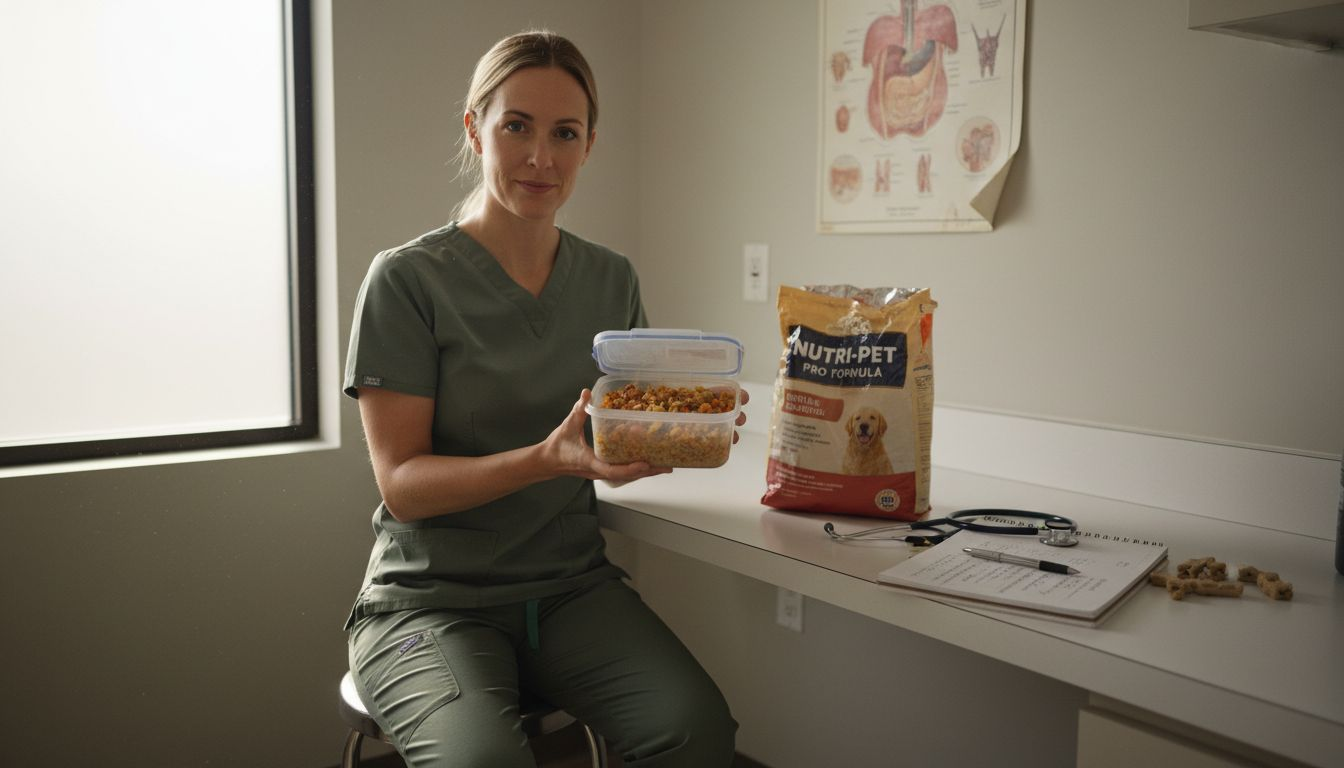
Complex nutritional needs extend beyond basic protein requirements. The American Kennel Club highlights the importance of specific vitamins that play crucial roles in maintaining optimal canine wellness. Vitamin B complex supports metabolic processes, while vitamin D regulates calcium absorption and bone health. Vitamin E acts as a powerful antioxidant, protecting cellular structures, and vitamin K ensures proper blood clotting mechanisms.
Essential nutrients are categorized into six primary groups: proteins, carbohydrates, fats, vitamins, minerals, and water. Proteins provide amino acids critical for tissue repair and immune function. Fats deliver concentrated energy and support hormone production, while carbohydrates offer readily available glucose for immediate energy needs. Trace minerals like zinc, selenium, and copper play pivotal roles in enzyme function, immune response, and overall cellular metabolism.
Below is a summary of the six essential nutrient groups for dogs and their primary functions:
Nutrient Group | Main Function | Example Source |
Protein | Muscle and tissue repair | Chicken, fish, eggs |
Fat | Energy and hormone production | Salmon oil, beef fat |
Carbohydrate | Immediate energy source | Rice, sweet potatoes |
Vitamin | Regulate metabolic/body processes | Leafy greens, liver |
Mineral | Bone, nerve, enzymatic functions | Bone meal, seaweed |
Water | Hydration and nutrient transport | Fresh, clean drinking water |
Pro Tip: Consult with a veterinary nutritionist to design a personalized nutrition plan that addresses your dog’s specific breed, age, activity level, and health conditions.
Pro Tip: Regularly rotate protein sources and supplement with whole food options to ensure a diverse and comprehensive nutrient profile for optimal canine health.
Types of Diets: Commercial, Raw, Homemade
Navigating the complex world of canine nutrition involves understanding the three primary diet approaches: commercial, raw, and homemade. Research on dietary options for working dogs demonstrates that each diet type can provide optimal nutrition when carefully formulated to meet a dog’s specific nutritional requirements.
Commercial diets offer convenience and scientifically balanced nutrition, with manufacturers developing formulas that meet established nutritional standards. Studies indicate that well-designed commercial diets, including plant-based options, can successfully support canine health. Commercial diets range from kibble and canned foods to freeze-dried and dehydrated options, each providing different levels of processing and nutrient preservation.
Raw and homemade diets represent more personalized nutrition strategies that allow pet owners to have greater control over ingredient selection. Raw diets typically consist of uncooked meats, bones, fruits, and vegetables, mimicking a dog’s ancestral eating patterns. Homemade diets require meticulous planning to ensure complete nutritional balance, often necessitating consultation with veterinary nutritionists to prevent potential nutrient deficiencies or imbalances.
Here’s a comparison of common canine diet types and their key considerations:
Diet Type | Advantages | Risks/Challenges |
Commercial | Convenient, meets set standards | Ingredient quality varies |
Raw | Mimics ancestral feeding, customizable | Bacterial risk, may lack nutrients |
Homemade | Total control over ingredients | Difficult to balance nutrients |
Pro Tip: Consult a veterinary nutritionist before transitioning between diet types to ensure a safe and balanced nutritional approach for your dog.
Pro Tip: Gradually introduce dietary changes, monitoring your dog’s weight, energy levels, and overall health during the transition process.
Meeting AAFCO Guidelines and Ingredient Quality
Dog food nutritional standards represent a critical framework for ensuring comprehensive dietary requirements are met for canine health. The Association of American Feed Control Officials (AAFCO) establishes rigorous guidelines that define the essential nutritional parameters necessary for dog food manufacturers to claim their products are ‘complete and balanced’.
Ingredient quality stands at the forefront of nutritional excellence, with AAFCO standards mandating specific protein, fat, vitamin, and mineral content. Purdue University’s Canine Welfare Science program emphasizes the importance of carefully examining food labels to verify nutritional adequacy. These standards require manufacturers to demonstrate that their products provide adequate nutrition through either formulation analysis or feeding trials, ensuring dogs receive a comprehensive nutrient profile.

The evaluation process involves detailed nutritional profiling that considers multiple factors, including life stage requirements, protein digestibility, and micronutrient composition. Manufacturers must prove their foods meet minimum nutritional standards for protein, fat, essential amino acids, vitamins, and minerals. This scientific approach prevents nutritional deficiencies and supports optimal canine health by establishing a baseline for nutritional completeness across different dog breeds, sizes, and life stages.
Pro Tip: Always check the AAFCO statement on dog food packaging to confirm the product meets complete and balanced nutritional standards for your dog’s specific life stage.
Pro Tip: Request detailed ingredient sourcing information from manufacturers to understand the quality and origin of the nutrients in your dog’s food.
Common Nutrition Mistakes and Risks to Avoid
Commercial dog food nutrient quality research reveals numerous potential pitfalls that can compromise canine health. Many pet owners unknowingly make critical nutritional mistakes that can lead to long-term health complications, ranging from mild digestive issues to serious metabolic disorders.
Nutritional imbalances represent a significant risk factor in canine health. Research on nutrient intake demonstrates that inadequate or excessive nutrient consumption can dramatically impact heart health, immune function, and overall physiological performance. Common mistakes include overfeeding, relying on single-source protein diets, ignoring breed-specific nutritional requirements, and failing to adjust dietary needs as dogs age.
Several critical nutritional risks demand careful attention. Excessive calorie intake leads to obesity, which can trigger diabetes, joint problems, and reduced mobility. Protein deficiencies can compromise muscle maintenance and immune response, while mineral imbalances affect bone density and metabolic functions. Dogs require carefully calibrated nutrition that accounts for their unique metabolic needs, activity levels, and individual health conditions. Generic feeding approaches often fail to address these nuanced requirements, potentially compromising long-term canine wellness.
Pro Tip: Conduct annual nutritional consultations with your veterinarian to reassess and adjust your dog’s dietary plan based on changing health conditions and life stages.
Pro Tip: Maintain a detailed food and health journal to track your dog’s response to dietary changes, enabling more precise nutritional management.
Unlock True Balanced Nutrition for Your Dog’s Health and Longevity
Achieving balanced canine nutrition is critical to unlocking a longer and healthier life for your beloved dog. This article highlights common challenges like nutritional imbalances and the need for precise nutrient ratios tailored to your dog’s breed, age, and activity level. With a focus on quality proteins, vitamin-rich ingredients, and AAFCO-approved standards, Loyal Saints Pets offers a premium solution designed to support muscle strength, vitality, and digestive health through freeze-dried freshness. Our range includes carefully selected options like Chicken and Beef that deliver whole-food nutrition without additives or fillers.

Elevate your dog’s diet today by exploring our thoughtfully crafted Bundles that combine optimal nutrient profiles in convenient packages. Visit Loyal Saints Pets now to provide your furry family member with the nourishing, balanced meals they deserve. Act now to promote lasting health and more joyful years together.
Frequently Asked Questions
What is balanced canine nutrition?
Balanced canine nutrition involves providing precise quantities of essential nutrients, such as proteins, fats, carbohydrates, vitamins, and minerals, tailored to a dog’s specific age, breed, size, and activity level, ensuring optimal health and longevity.
Why is it important to consult a veterinary nutritionist for my dog’s diet?
Consulting a veterinary nutritionist helps create a personalized nutrition plan that considers your dog’s unique genetic background, health history, and lifestyle factors, ensuring the diet meets their individual nutritional needs.
What are the key nutrients that dogs need for optimal health?
Key nutrients for dogs include proteins (for muscle development), fats (for energy), carbohydrates (for immediate energy), vitamins (for metabolic processes), minerals (for bone health and enzymatic functions), and water (for hydration and nutrient transport).
What are the risks of feeding my dog a raw or homemade diet?
Raw and homemade diets can pose risks such as bacterial contamination, potential nutrient imbalances, and deficiencies if not carefully planned. It is essential to consult with a veterinary nutritionist to prevent these complications.
Recommended
Comments